Varicose veins change how your legs feel, look, and move through the day, but they don’t have to stop you from being active. This article lays out evidence-informed guidance, practical routines, and realistic tips so you can exercise safely and improve circulation without making symptoms worse.
Understanding what varicose veins are and why they matter
Varicose veins are swollen, twisted superficial veins that arise when venous valves weaken and blood pools in the low-pressure system of the legs. They often appear blue or purple and may produce aching, heaviness, or visible bulges along the calf or thigh.
The condition ranges from mild cosmetic concerns to painful, skin-threatening disease, and the risks grow with age, family history, pregnancy, obesity, and long periods of standing. Knowing where your condition sits on that spectrum helps determine what kinds of training are safe and effective.
Importantly, varicose veins are primarily a mechanical and vascular problem, not a contraindication to all activity. Exercise can be one of the most practical tools to manage symptoms and slow progression when paired with appropriate precautions.
How movement helps venous health
Muscle action, especially from the calves, drives the “calf pump” that propels blood back to the heart against gravity. Regular contraction of these muscles reduces venous stasis and pressure in superficial veins, which eases symptoms and lowers the risk of complications.
Exercise also supports weight control, improves endothelial function, reduces inflammation, and enhances microcirculation—factors that collectively protect veins. Even gentle, consistent activity can produce meaningful benefits over time.
That said, not all movement is equally helpful. The quality of your workout—posture, intensity, and whether you avoid straining—matters more than how hard you push. The aim is to enhance venous return, not to add compressive loads that impede it.
Core principles to follow when designing workouts
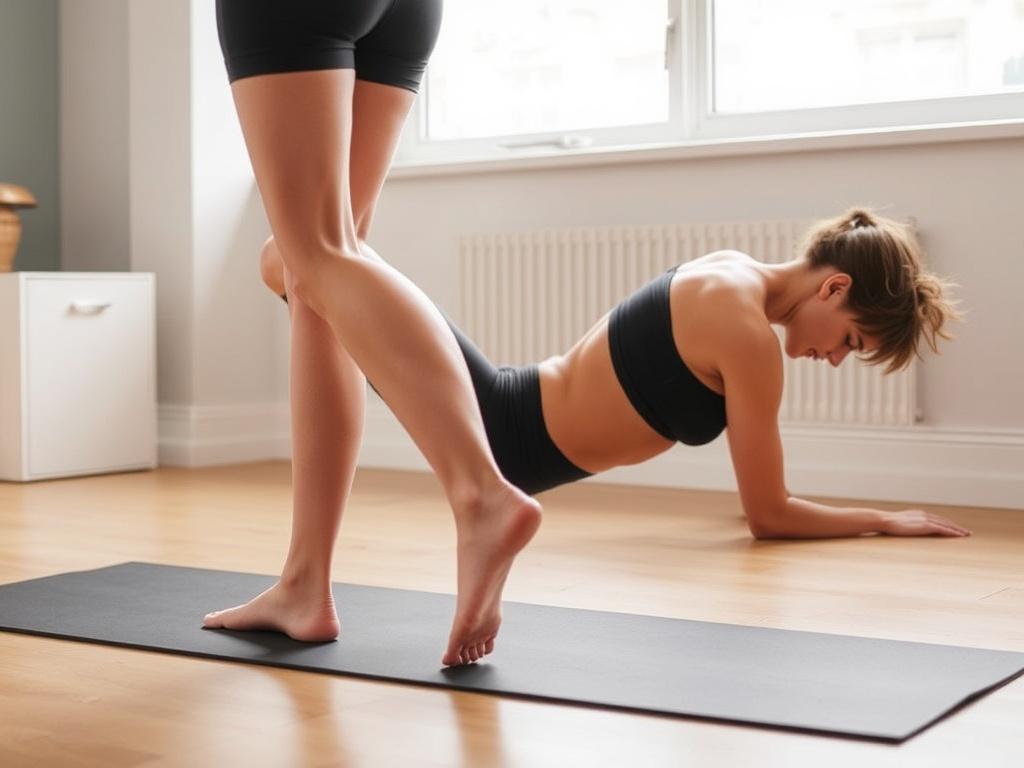
First, prioritize activities that promote ankle mobility and calf contraction. Exercises that repeatedly engage the plantarflexors, dorsiflexors, and small foot muscles support the venous pump most directly.
Second, avoid prolonged static postures, sudden heavy straining, and exercises that significantly increase intra-abdominal pressure. Movements like maximal valsalva during heavy lifts can transiently worsen pooling in lower limbs.
Third, balance cardiovascular, strength, flexibility, and recovery work. An integrated approach prevents overload to one system and builds the stamina that lowers venous pressures throughout the day.
Cardio choices that favor venous return
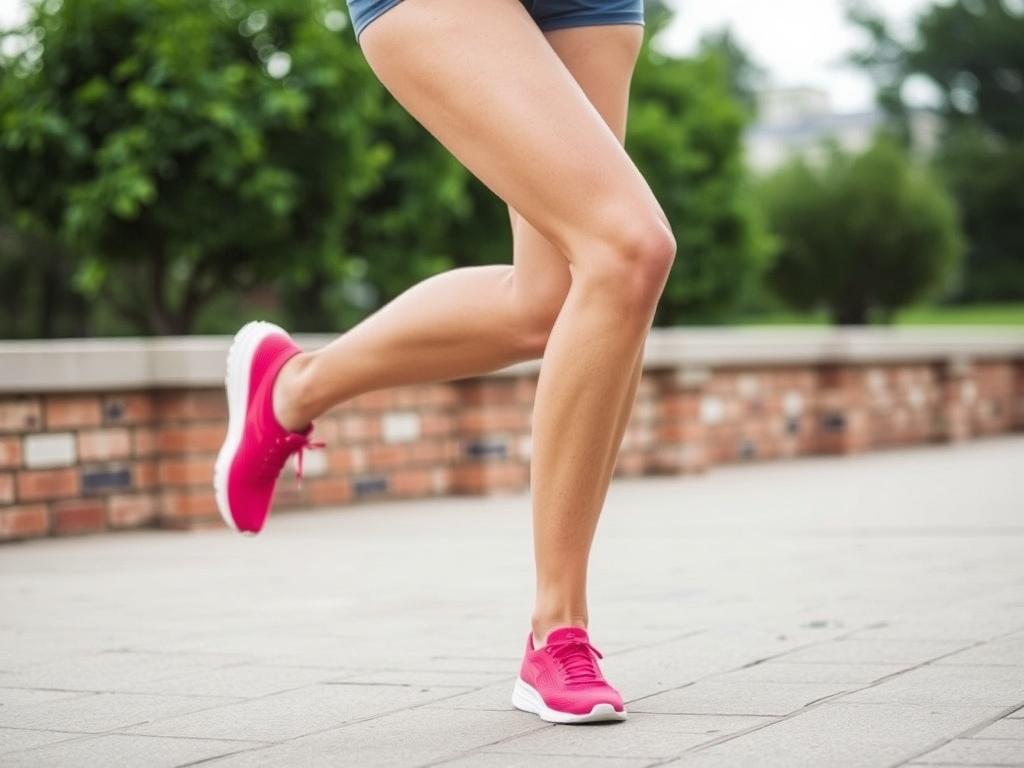
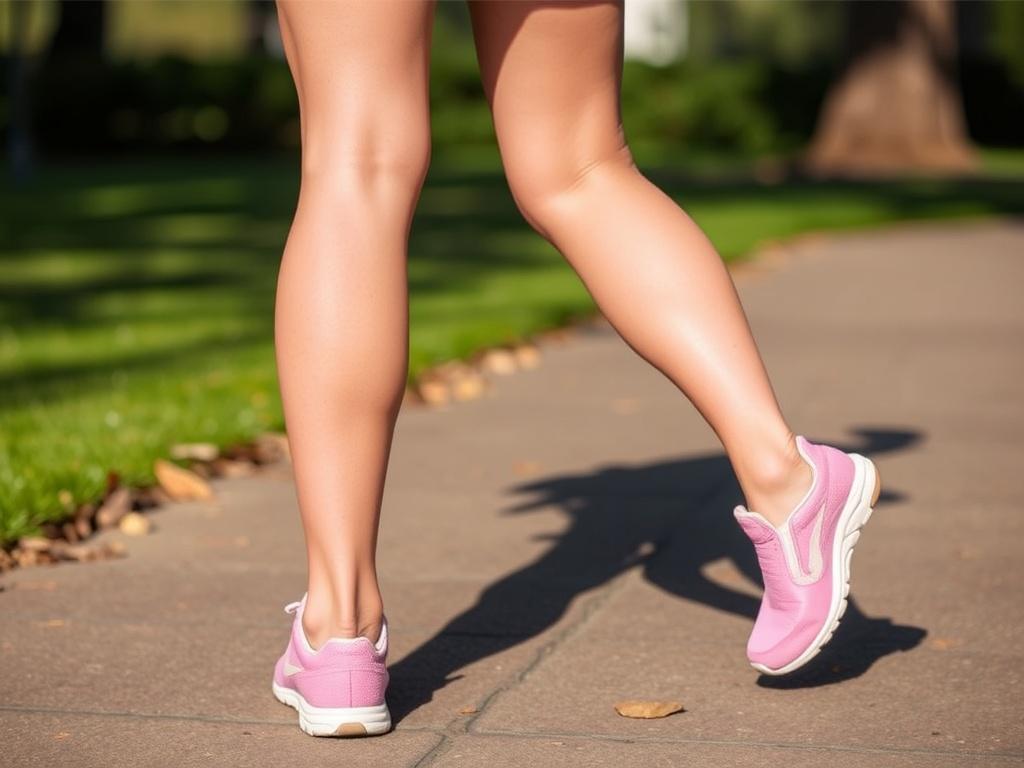
Walking is the most accessible and effective cardiovascular option for people with varicose veins. The heel-to-toe gait activates the calf muscles rhythmically and can be scaled from short daily walks to longer brisk sessions.
Swimming and water aerobics reduce gravitational load and provide external hydrostatic pressure, which can be soothing for swollen legs. Water exercise is particularly useful when symptoms flare or during pregnancy.
Cycling and using an elliptical trainer are low-impact alternatives that keep the feet moving without the jarring impact of running. These modalities maintain calf pump activity and are easy to incorporate into a safe conditioning plan.
How long and how often to do cardiovascular work
A practical target is 150 minutes per week of moderate-intensity aerobic activity, broken into sessions you can maintain consistently. For many people with venous insufficiency, 20–30 minute walks twice a day are both manageable and effective.
If symptoms limit continuous movement, short, frequent bouts—five to ten minutes every couple of hours—can yield similar benefits for circulation. The key is regular muscle activation across the day rather than occasional intense sessions.
Strength training: what helps and what to avoid
Strength work builds muscle around the veins and supports joint alignment, which indirectly protects venous return. The focus should be on controlled, higher-repetition sets with moderate resistance that don’t require breath-holding.
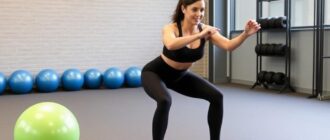
Avoid maximal lifts that provoke heavy bearing down, prolonged standing without movement, or sustained heavy loaded positions on the legs. Squatting or deadlifting with poor technique and breath-holding can temporarily spike venous pressure.
Prioritize single-joint lower-limb exercises, bodyweight movements, and tempo control. These strategies strengthen muscles without producing the excessive intra-abdominal force that can be counterproductive.
Examples of safe strength exercises
Calf raises—both double-leg and single-leg—performed with controlled tempo are a cornerstone. They directly train the calf pump and can be done at a counter, with weights, or on a step for added range of motion.
Seated or lying hamstring and quadriceps work reduces reliance on prolonged standing and allows progressive overload without straining. Exercises like leg presses (light-moderate weight) can be useful when performed with steady breathing and higher reps.
Glute bridges, lateral band walks, and standing hip abductions build supportive musculature and improve gait mechanics, which in turn promotes even distribution of venous load across the leg.
Exercises and movements to avoid or modify
High-impact running, repeated jumping, and long-distance standing while static can exacerbate symptoms for some people, especially if veins are advanced and painful. These activities can be modified rather than eliminated entirely.
Heavy compound lifts performed with a Valsalva maneuver—think maximal squats, deadlifts, and overhead presses—should be approached cautiously. If you enjoy strength training, consider lower loads with higher repetitions and focus on exhaling during exertion.
Prolonged immobility—sitting for hours without movement—worsens pooling. Use movement breaks, ankle pumps, and short walks to interrupt long holds whether at work or during travel.
Stretching, mobility, and the calf pump
Maintaining good ankle dorsiflexion and plantarflexion contributes directly to effective venous return. Restricted range at the ankle changes gait mechanics and reduces calf muscle recruitment.
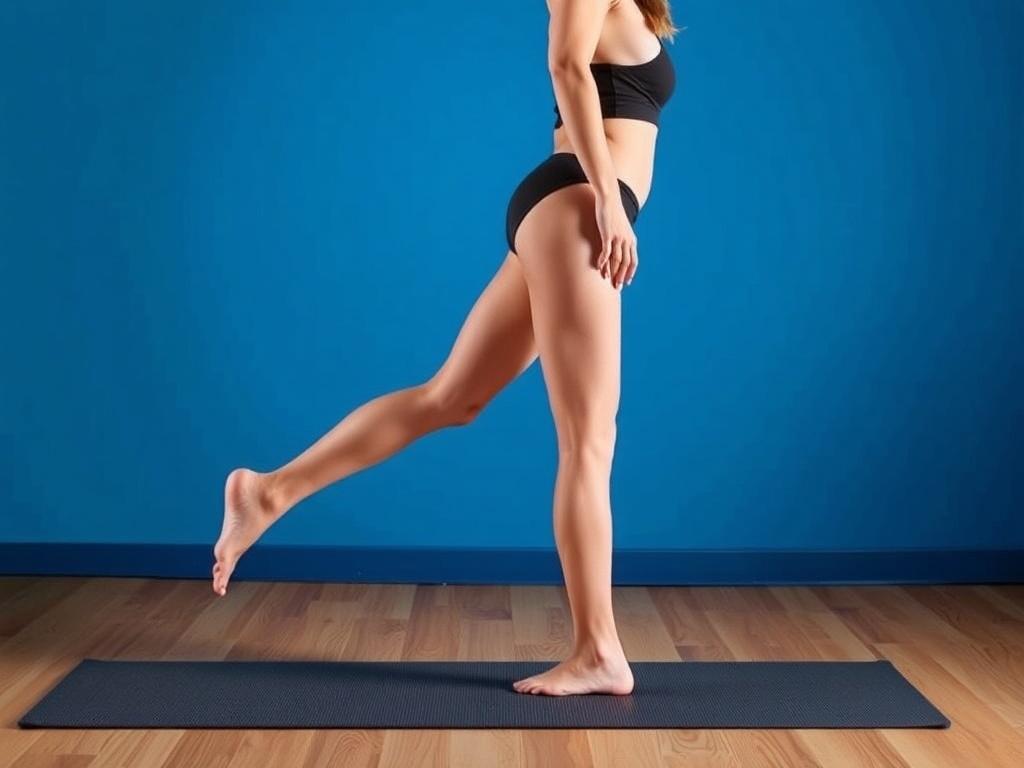
Dynamic stretches—leg swings, ankle circles, and controlled heel drops—warmed up before activity prime the calf pump. After exercise, gentle static stretches help keep soft tissues supple and reduce muscle tightness that can limit function.
Include mobility drills that target the foot and ankle several times daily. Small changes in mobility can produce noticeable improvements in comfort and the efficiency of blood flow.
Sample routines you can start tomorrow
Below are three practical, adaptable routines for different parts of the day. Each routine prioritizes ankle-movement, controlled breathing, and no excessive straining so they are suitable for most people with varicose veins.
Make adjustments for your fitness level, comfort, and any medical recommendations you’ve received. The point is consistency more than intensity; daily small actions beat sporadic extremes.
Morning activation (10–15 minutes)
Start seated or standing near a counter. Perform 2 sets of 15–20 slow double-leg calf raises to warm up the calf pump, focusing on full range and controlled descent.
Follow with 2 sets of 10–15 single-leg calf raises per side, using a support if needed for balance. Finish with ankle circles and dorsiflexion holds for one minute per side to ensure mobility.
This short practice wakes up the veins and primes circulation for the day, and I often prescribe it to clients who report heavy legs upon waking.
Office or commute micro-session (5–10 minutes)
If you sit for long stretches, every 30–60 minutes stand and do a quick micro-session: 1–2 minutes of brisk marching in place or perched calf raises if you’re at a desk. Add seated ankle pumps if standing isn’t possible.
Perform heel-to-toe walking for 2–4 minutes whenever you can step away. These short interruptions dramatically reduce pooling and keep the calf pump engaged across an eight-hour day.
Evening recovery routine (15–25 minutes)
Begin with 10–15 minutes of low-impact cardio such as a brisk walk or easy cycling, followed by a set of 3×15 moderate calf raises and 2×12 controlled squats with light resistance. End with 5 minutes of leg elevation with light compression if indicated.
This rhythm—cardio, strength, elevation—targets multiple mechanisms that reduce venous pressure and prepare legs for overnight recovery. I recommend it twice weekly at minimum and more often if tolerated.
Using compression garments during training
Compression stockings apply graded external pressure that supports veins and lowers edema during activity and rest. Many studies show they reduce pain and heaviness during prolonged standing and exercise.
Wear medical-grade compression during longer workouts or when you expect prolonged standing. If you’re new to compression, start with a lower class (15–20 mmHg) and discuss appropriate levels with your clinician.
Compression is complementary to exercise; it doesn’t replace calf pump activation but augments its effect, especially on long travel days or during high-symptom periods.
Rehabilitation after procedures and during flare-ups
After interventions like sclerotherapy or endovenous ablation, activity guidelines often allow early walking but restrict heavy leg loading for a short period. Follow your treating physician’s timeline closely to avoid disrupting healing.
During flare-ups—when pain, inflammation, or skin changes intensify—shift toward low-impact options like water therapy and gentle mobility work. Use compression and elevation to control swelling while you gradually resume strength and cardio work.
Gradual progression is the rule post-procedure. Return to higher-impact or heavier resistance only with clearance, and scale back if symptoms reappear.
Recognizing warning signs and when to stop
Stop exercise and seek medical advice if you experience sudden, severe leg pain, rapid swelling, warmth and redness (possible deep vein thrombosis), or if a varicose vein starts to bleed significantly. These are red flags beyond routine symptom fluctuation.
Persistent skin ulceration, discoloration that worsens, or recurrent spontaneous bleeding are signals to pause unsupervised training and contact your vascular specialist. Exercise can be resumed with specific guidance once acute issues are treated.
Minor discomfort or mild increased heaviness after a slightly harder workout is not uncommon; monitor trends over days. If symptoms consistently worsen with specific movements, modify or avoid those patterns.
Working with health professionals and trainers
Getting medical clearance is sensible, especially if you have a history of deep vein thrombosis, arterial disease, advanced venous insufficiency, or comorbidities like cardiac disease. Your vascular specialist can provide individualized limits.
A physical therapist or certified trainer experienced with venous disease can translate clinical advice into progressive, safe programming. They’ll correct technique, design regressions, and incorporate practical strategies for daily life.
Bring photos of visible veins, a list of symptoms, and any recent procedures to appointments. Those clinical details help professionals tailor exercise gradually and safely.
Nutrition, weight management, and lifestyle factors
Excess weight increases hydrostatic pressure in the legs and speeds venous disease progression, so modest weight loss reduces symptoms and lowers long-term risk. Focus on sustainable, nutrient-dense eating rather than fads.
Anti-inflammatory foods—rich in omega-3s, antioxidants, and fiber—support vascular health indirectly. Hydration and limiting excessive salt can also reduce fluid retention and swelling after activity.
Address smoking cessation and control of chronic conditions like diabetes and hypertension. Those systemic factors compound vascular stress and make managing varicose veins more challenging.
Practical tools and equipment that help
- Compression stockings (properly fitted)
- Low-impact cardio machines: elliptical, stationary bike
- Resistance bands and lighter free weights for controlled strength work
- Foam roller and massage ball for calf and foot mobility
These items allow effective workouts at home and in clinics while minimizing the need for heavy loading or prolonged standing. A small investment in the right tools smooths adherence and reduces barriers to consistent activity.
Travel, long flights, and prolonged sitting strategies
On flights or long drives, ankle pumps, periodic standing, and aisle walks every hour help prevent pooling. Wear compression stockings for trips longer than two hours if you are symptomatic or at higher risk.
While seated, perform seated heel-toe raises or pump your feet for several minutes each hour. Small, frequent movements are more effective than a single long walk at the halfway point.
Plan layovers with a short walking loop or simple calf-activation exercises in rest areas. These small efforts protect circulation and reduce the post-travel heaviness many people with varicose veins report.
Special situations: pregnancy, older adults, and athletes
Pregnancy increases venous pressure due to hormonal and mechanical changes, and many pregnant people notice new or worsening varicosities. Low-impact exercise—walking, swimming, prenatal yoga—supports circulation and overall health.
Older adults should prioritize balance and low-impact strength to preserve mobility and support venous return. Emphasize tempo control and supervision if there are balance concerns to avoid falls and prolonged immobility.
Athletes returning to sport after a venous procedure or with symptomatic varicose veins can often resume training with activity-specific modifications. Work with vascular and sports rehabilitation specialists to phase in load safely.
Pregnancy-specific recommendations
Short frequent walking sessions, prenatal-focused strength, and side-lying or seated exercises reduce the strain of standing and avoid the supine position after the first trimester. Compression garments tailored to pregnancy can provide additional support.
Consult your obstetrician about any new varicose symptoms during pregnancy; they’ll advise on exercise intensity and the timing of any diagnostic or therapeutic interventions after delivery if needed.
When procedural treatment is appropriate
Exercise and conservative measures help many people, but some require procedural intervention when symptoms are severe, progressive, or associated with skin breakdown. Options include sclerotherapy, endovenous ablation, and surgical ligation or stripping in select cases.
Procedural therapy often reduces symptom burden and can make subsequent exercise more comfortable and effective. Discuss the timing of return to activity and staged rehabilitation with your treating specialist to ensure durable results.
Common myths about exercise and varicose veins
- Myth: Exercise makes varicose veins worse. Reality: Appropriate movement improves symptoms and venous return in most cases.
- Myth: You must avoid all strength training. Reality: Strength work is beneficial when tailored to avoid heavy straining and Valsalva.
- Myth: Compression is the only solution. Reality: Compression helps, but combined strategies—activity, weight control, and medical care—work best.
Dispelling these myths empowers you to choose practical, evidence-aligned strategies rather than retreating from activity out of fear.
Monitoring progress and tracking symptoms
Keep a simple log of daily activity, compression use, and symptom patterns—score heaviness, swelling, and pain on a 0–10 scale before and after activity. Patterns often reveal which movements help and which exacerbate problems.
Photograph visible veins periodically to track cosmetic changes and to share with your clinician if you notice progression. Objective data simplifies decisions about therapy adjustments and referrals.
Small, measurable goals—like adding five minutes of walking per week—maintain motivation and produce steady improvements without overwhelming your system.
Real-life examples and my experience working with clients
In my practice I’ve trained people across the varicose spectrum. One client with evening leg heaviness began a daily protocol of two 15-minute walks and morning calf raises; within six weeks she reported notable reductions in tiredness and fewer nightly cramps.
Another client returned to low-impact cycling after endovenous ablation, progressing from 20 minutes to 60 minutes at a steady pace over three months. Careful staged loading preserved procedural benefits and improved her endurance without recurrence of severe symptoms.
Those cases illustrate that consistent, targeted movement—backed by compression and clinician communication—often changes the lived experience of varicose veins more than we expect.
Programming tips for coaches and fitness professionals
When training clients with varicose veins, screen for recent DVTs, active skin changes, pregnancy, and symptom severity. Tailor sessions toward movement quality, avoid breath-holding, and include frequent positional changes.
Plan workouts so that heavy lower-limb load is separated from long static standing tasks. Use circuits that alternate upper and lower body work and incorporate seated or supine variations to reduce continuous venous stress.
Educate clients about compression, footwear, and daily mobility habits. Small, practical coaching cues—such as emphasizing heel-first footstrike during walking—produce outsized circulatory benefits.
Simple home tests and daily habits to protect your veins
Perform a daily ankle-awareness check: sit, extend the leg, pump the ankle for one minute, and note whether swelling decreases. Small changes over time can indicate improving venous function or highlight when to seek medical review.
Make elevation part of your evening routine when possible: 10–20 minutes with legs above heart level reduces overnight edema and speeds recovery after activity. Pair elevation with deep diaphragmatic breathing to enhance venous return.
Choose supportive footwear, avoid restrictive clothing around the groin or calf, and adopt micro-breaks during long standing or sitting periods. Habitual small adjustments accumulate into a measurable reduction in symptoms.
Tools for self-guided progress: apps, timers, and logs
| Tool | Use |
|---|---|
| Interval timer app | Reminds you to stand and do ankle pumps during prolonged sitting |
| Walking tracker | Logs daily steps and duration to encourage gradual increases |
| Compression hosiery vendor with sizing guide | Helps ensure proper fit and consistent use |
These simple tools remove friction and automate healthy habits, making adherence far more likely than relying on willpower alone.
Putting it into practice
Start by choosing two to three changes you can maintain: a short morning activation, compression during prolonged standing, and a consistent walking habit. Test these habits for several weeks and adjust based on symptom patterns and comfort.
Measure progress through simple metrics—walking minutes, symptom scores, and leg photos—and celebrate small wins. Incremental, consistent changes reduce venous load and improve quality of life more reliably than sporadic extremes.
If uncertainty remains about safety or symptoms change significantly, consult your vascular specialist or physical therapist. With proper guidance and mindful training, movement becomes a powerful ally in living well with varicose veins.