
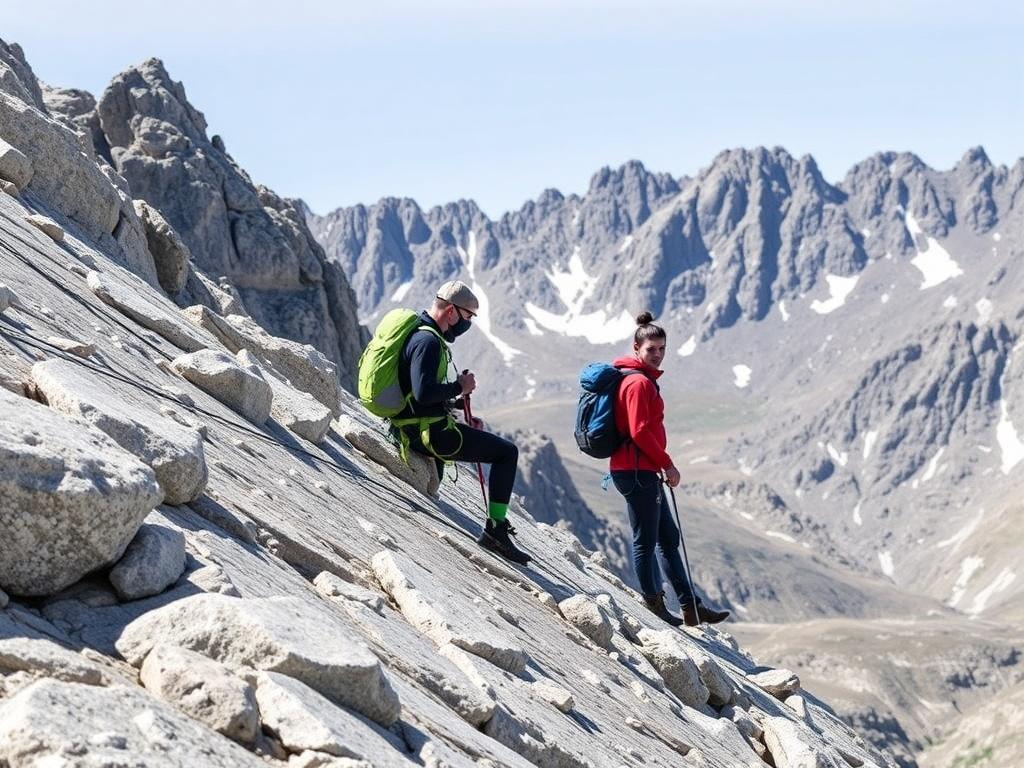
Climbing is a messy, beautiful blend of strength, technique, and quiet stubbornness. Whether you boulder problems in the gym or project long routes outdoors, intentional workouts make the difference between stuck and sent. This article lays out a full-spectrum approach to climbing training—how to balance finger strength, endurance, movement, and recovery—so you can climb smarter and with fewer setbacks.
Why climbing-specific training matters

Climbing doesn’t map neatly onto other sports. A strong squat or mile time doesn’t guarantee you can hold a small crimp at full body weight with your feet spread. Training that ignores the unique stresses of climbing often produces one-dimensional athletes who plateau quickly.
Specific practice rewires movement patterns, conditions tendons and fingers, and teaches the brain how to sequence moves under load. When you tailor workouts to the demands of climbing, gains stick—skill, strength, and endurance translate into higher, cleaner sends.
Core principles to build every program
Every effective program rests on a handful of dependable principles: specificity, progressive overload, recovery, and variation. Use specificity to emulate real climbing demands; progressive overload to keep making gains; recovery to consolidate adaptation; and variation to avoid both boredom and overuse injuries.
These principles help you decide what to train and when to rest. They also provide guardrails for structure—without them, workouts are random and results are too.
Specificity: train what you climb
Specificity means training the attributes that directly affect performance: finger strength, pulling power, core stability, and movement skills. If you only hang heavy in the gym but never practice long sequences, you won’t develop route endurance. Conversely, endless laps on easy terrain won’t produce a redpoint crux.
Always ask: does this exercise mimic the positions, forces, or fatigue patterns I face on the wall? If the answer is yes, it’s probably worth keeping.
Progressive overload and measurable progress
Improvements require gradual increases in stress—more time under tension, slightly heavier loads, or more complex movements. Make overload measurable with clear metrics: hold times, added weight, number of reps, or difficulty of problems climbed.
Track sessions in a notebook or app. Small, consistent increments add up. Without tracking, it’s easy to repeat the same workout for months and misinterpret lack of progress as a training plateau rather than stagnation.
Recovery: the training you do outside the gym
Recovery is not optional. Tendons and ligaments adapt slower than muscle, and pushing without enough rest invites injury. Plan micro-rest between sets, complete rest days, and easier recovery weeks every three to six weeks.
Sleep, nutrition, and stress management matter. High-quality protein sources and enough carbohydrates to fuel training sessions accelerate progress. Ignore this at your peril; many promising seasons end with overuse injuries from inadequate recovery.
Variation and periodization
Use cycles—mesocycles of 4–8 weeks and macrocycles of months—to alternate focus between strength, power, and endurance. Periodization helps you peak for a target season or project. It also reduces repetitive strain by changing loads and movement patterns.
Rotation between hard and easy phases encourages adaptation without constant maximal effort. Think of periodization as a long conversation with your body rather than a scream for immediate results.
Key physical qualities to develop
Climbing performance depends on a handful of physical traits: finger strength, pulling strength (shoulders and back), power, contact strength, endurance, core stability, and mobility. Neglect any one of these and you create a weak link that limits progress.
A balanced program addresses each attribute in context. For example, fingerboard sessions sit alongside campus or limit bouldering, and interval climbing for endurance pairs with technique drills.
Finger strength and tendon health
Finger strength is the sport’s currency. Hangboard training builds maximum finger force, but it must be implemented carefully to protect pulleys and tendons. Beginners should delay intense hangboard work until they have a solid base of climbing and some tendon resilience.
Use structured protocols: short-duration maximal hangs with ample rest for strength, and longer, lighter hangs for endurance. Include antagonist work and consistent recovery weeks to keep tendons healthy.
Upper-body pulling and lockoff strength
Pulling strength underpins aggressive moves and long reaches. Pull-ups, lockoff holds, and one-arm progression exercises transfer directly to steep terrain and high-difficulty problems. Emphasize controlled eccentric work as it builds strength and tendon resilience.
Include isometric holds at specific angles to simulate crux positions. These holds train the neuromuscular control needed to hold awkward stances or make a precise dyno from a weak position.
Power and dynamic movement
Power is the ability to generate force quickly. In climbing, it often shows up as dynamic moves, powerful heel hooks, or quick shoulder engagement. Campus board work, explosive pull-ups, and hard bouldering are the most direct ways to train power.
Because power training is high risk, prioritize good technique and adequate warm-up. Keep sessions short and very specific to avoid tendon overload and diminishing returns.
Endurance and power endurance
Endurance is how long you can sustain submaximal efforts; power endurance is how many near-maximal moves you can string together before failing. Long route climbers need steady aerobic endurance, while boulderers and sport climbers often rely on repeated anaerobic efforts.
Train endurance with laps on easier routes, ARC sessions for general aerobic base, and interval circuits for power endurance. Each method targets different energy systems and should be placed carefully within your training cycle.
Core and body tension
Body tension connects footwork and hand placements into efficient movement. A weak core leaves power dissipated through the hips and shoulders. Planks, front and side lever progressions, and specific core drills on the wall markedly improve static and dynamic tension.
Practice core stability in climbing contexts: leg lifts while maintaining contact, deadpointing with core braced, and front lever negatives. These transfer immediately to steeper routes and technical problems.
Mobility and injury prevention
Joint mobility—especially in hips, shoulders, and ankles—enables better body positions and reduces compensations that cause injuries. Mobility work should be daily, short, and targeted, focusing on movement quality rather than static stretching alone.
Combine mobility drills with activation work for rotator cuff, scapular stabilizers, and hip external rotators. These small investments pay dividends in both performance and longevity.
Practical session types and how to structure them
Training sessions come in flavors: hangboard, bouldering/power, limit bouldering, endurance laps, ARC (aerobic capacity) sessions, antagonist training, and mobility/rehab. Sequence them so high-intensity work gets priority and is followed by quality recovery.
A weekly microcycle typically places one maximal strength session, one power session, one endurance session, and several technique-focused days. Tailor the balance based on goals and current weaknesses.
Warm-up: an art, not a formality
Warm-ups must elevate heart rate, mobilize joints, and engage climbing-specific muscles. Start with light cardio, then dynamic mobility, followed by progressive easy climbs and specific movement drills. Spend 20–30 minutes before a max-effort session to prime the nervous system.
Neglecting a proper warm-up increases injury risk and blunts power output. Think of warming up as preparing your body to express its best performance, not just ticking a box.
Hangboard protocols
Hangboard sessions should be concise and focused. For maximal strength, use repeaters or max hangs on larger edges with full rest between attempts. For endurance, longer hang times with lower loads and shorter rests are appropriate. Always prioritize correct shoulder positioning and a stable scapular setup.
Beginners should begin with underhand grips or open-hand grips on larger edges and keep sessions to once or twice a week. Intermediate and advanced climbers can increase specificity with smaller holds and added weight. Progress slowly and monitor tendon response closely.
Campus and power work
Campus board and explosive drills develop rapid force production. Keep sessions short and technical, focusing on maximal intent for each rep. Overdoing campus moves without adequate recovery is a common injury vector, so limit sessions to once a week and only after a thorough warm-up.
Integrate hard bouldering in the gym as an alternative to campus work when access or recovery suggests a less tendon-intensive option. Both approaches require deliberate progressions and conservative volume management.
Endurance sessions: ARC and interval climbing
ARC sessions—long, continuous climbing at low intensity—build aerobic capacity and technique under fatigue. These are best done on terrain well below your onsight grade, for sessions of 20–40 minutes of continuous movement. They train efficient footwork and breathing while laying down an aerobic base.
Interval climbing targets the middle ground: short, repeated efforts at a higher intensity with set rests. Use intervals to improve the ability to recover between difficult sections, which is crucial for sport routes and linked bouldering problems.
Technique and movement drills
Movement makes up half the equation. Drills refine foot placement, weight shifts, and sequencing so you waste less energy. Technique sessions can be supremely low-impact and high-return, emphasizing skill over raw exertion.
Incorporate slab practice, flagging drills, silent feet exercises, and sequencing challenges regularly. Treat these like language practice: repetition with mindful feedback produces fluency.
Footwork and balance
Good footwork means precise placement and efficient weight transfer. Practice quiet foot drills where you focus on placing the foot once and trusting it, and try one-leg balance positions on the wall to challenge coordination. These small habits save energy on long routes.
Use shoes you climb in and vary foothold sizes. Rehearsing balance on marginal placements prepares you for real-world problems where foot placement is imperfect and fleeting.
Route reading and sequencing
Route reading is a cognitive skill that reduces on-rope fumbling. While climbing, pause at rest points to rehearse the next sequence visually. On the ground, study beta from different angles and imagine body shapes for each move.
Combine this with movement rehearsals: try the sequence at half speed to internalize holds and body positions. Breaking complex problems into chunks makes big climbs manageable.
Sample weekly plans by level
Below are compact, practical weekly templates. Use them as starting points and adjust volume according to sleep, stress, and recovery. These examples assume access to a gym, a hangboard, and a climbing wall.
Beginner (1–2 years climbing)
Focus: technique, general strength, and injury prevention. Train climbing-specific qualities twice a week and include cross-training and mobility. Keep hangboard work minimal and conservative.
- Monday: Easy bouldering + technique drills (60–90 minutes)
- Wednesday: Route climbing laps (45–75 minutes) + mobility
- Friday: Full-body strength (pull-ups, rows, core) + antagonist work
- Weekend: Outdoor climb or long multi-pitch practice if possible
Intermediate (2–5 years climbing)
Focus: finger strength, power, and endurance balance. Introduce structured hangboard sessions and limit bouldering. Maintain one recovery week every 4–6 weeks.
- Monday: Hangboard strength (short max hangs) + antagonist work
- Wednesday: Power session (hard bouldering or campus) + mobility
- Friday: Endurance intervals or route laps
- Saturday: Technique/skills session or outdoor climbing
Advanced (5+ years climbing / projecting)
Focus: targeted strength for project moves, precise power endurance, and careful recovery management. Training intensity is higher but overall volume must be managed carefully to avoid injury.
- Monday: Max hangboard or weighted hangs (short, high quality)
- Wednesday: Limit bouldering / campus board session
- Friday: Power endurance intervals on route-like terrain
- Saturday: Project-focused climbing or redpoint attempts
Sample 8-week hangboard progression table
This table shows a basic approach to gradually increase hang intensity. Remember individual differences—adjust holds, weight, and rest to match your level and recovery.
| Week | Focus | Protocol (example) |
|---|---|---|
| 1–2 | Base endurance | 6–8 sec hangs x 6–8 reps, 6–8 sets, 3 min rest between sets |
| 3–4 | Strength endurance | 10 sec hangs x 5–6 reps, 5–6 sets, 3–4 min rest |
| 5–6 | Max strength | 7–10 sec max hangs with added weight x 4–6 reps, 5–6 sets |
| 7 | Deload | Reduced volume, easy hangs, focus on mobility |
| 8 | Test / peak | Specific max hangs on project holds, low volume |
Mental training and on-sight strategies
Climbing is as much a head game as a physical one. Fear management, focus, and problem-solving speed often decide outcomes on marginal routes. Mental training techniques sharpen these abilities and enable calmer climbing under stress.
Use visualization to rehearse sequences and breathing techniques to maintain calm. Managing anxiety on lead or projecting requires both gradual exposure and cognitive tools to reframe fear as focus rather than hazard.
Pre-climb routines and focus cues
Create a short routine before attempts—a few deep breaths, a visual run-through of the crux, and a small physical cue like shaking out or chalking hands intentionally. These rituals signal to your nervous system that it’s time to perform.
Develop simple focus cues you can use mid-climb, such as a single word or a breath count, to re-center when your mind starts to race. These tiny anchors are surprisingly effective when the pump sets in.
Injury prevention and rehab basics
Prevention starts with sensible volume, balanced antagonist training, and gradual progression. Tendon injuries, rotator cuff strains, and elbow issues are common, but many are avoidable with disciplined programming.
If pain appears, consider reduced intensity, modified grips, and targeted rehab exercises. Early intervention—short rest, eccentric loading for tendons, and professional assessment when needed—prevents small issues from becoming season-ending problems.
Antagonist and rotator cuff work
Pulling dominates climbing, so strengthen opposing muscles to maintain joint balance. Include horizontal pushing, reverse flyes, and external rotation work in every training week. These exercises protect the shoulder complex and improve posture on overhung terrain.
Short, frequent sessions with light weight and higher repetitions build endurance in stabilizers without stealing recovery from climbing-specific training.
Tendon rehab principles
Tendon rehab follows a conservative path: relative rest, gradual loading, and eccentric-focused strengthening. When symptoms subside, slowly reintroduce climbing with reduced volume and avoid maximal hangs or dynos at first.
Work with a sports clinician if pain persists. Proper diagnosis and a clear rehabilitation plan speed recovery and reduce recurrence risk.
Common mistakes and how to avoid them
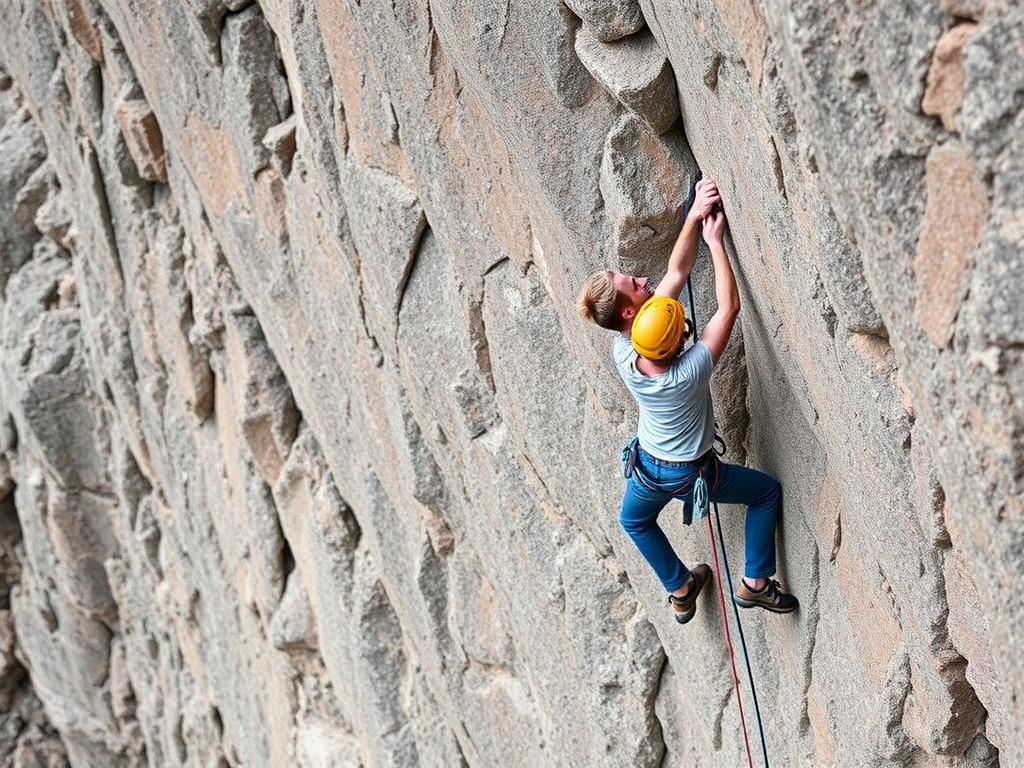
Many climbers fall into similar traps: too much maximal work, inadequate rest, poor warm-ups, and ignoring mobility. These mistakes compound and produce inconsistent progress or injury. Awareness and small adjustments often yield outsized returns.
Be skeptical of quick fixes and extreme protocols promising fast results. Sustainable progress is slow by design—it’s the accumulation of many modest, well-managed sessions.
Overemphasis on hangboards and campus
Hangboards and campus boards are powerful tools but also high-risk when used improperly. Over-reliance on these devices can overload tendons and neglect technique. Use them as one part of a diverse training palette.
Schedule high-tendon-load work sparingly and always after a thorough warm-up. Integrate climbing sessions that challenge movement and problem-solving to maintain balance.
Neglecting technique for brute force
Force without efficiency is wasted energy. Many climbers chase strength without refining footwork, leading to early pump and missed redpoints. Spend significant time on low-intensity technique training to make hard moves more accessible.
Film yourself or climb with partners who can give objective feedback. Small technical adjustments often unlock progress that strength training alone cannot.
Tracking progress and testing
Set clear, measurable benchmarks: max hang weight, pull-up reps, time to failure on a test route, or number of hard problems flashed. Test periodically, not constantly; frequent retests interfere with training cycles and recovery.
Use both objective numbers and subjective scales (RPE, readiness). The combination of quantitative and qualitative feedback informs smart adjustments to your plan.
Simple testing protocol
Choose one test per cycle: a max hang attempt, a 4×4 boulder circuit, or a redpoint attempt on a project. Keep the test environment consistent—same holds, same shoes, similar rest intervals—to make comparisons meaningful.
After a test, program a recovery phase. Celebrate objective wins, but also analyze what failed attempts teach you about weaknesses to address in the next cycle.
Putting it together: a month-by-month approach
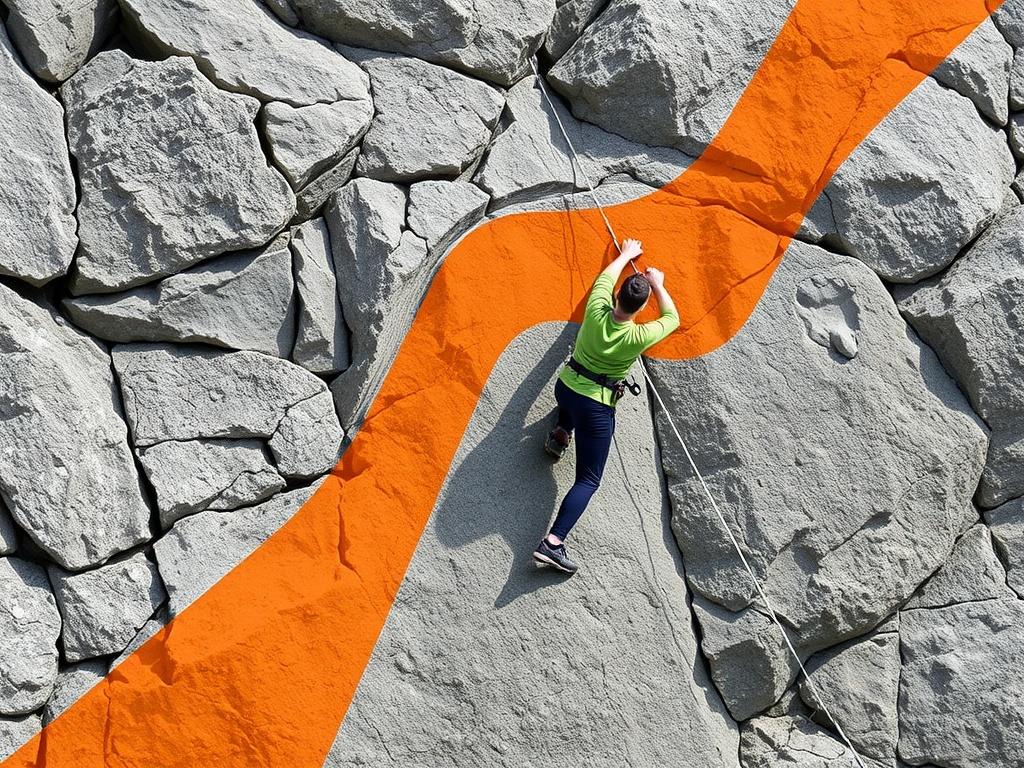
Start with a foundation month focused on technique, mobility, and aerobic base. Follow with a strength-focused block emphasizing finger and upper-body strength, then a power block with limit bouldering and campus work. Finish with a power-endurance block if your season requires linked endurance or repeated cruxes.
This sequence builds from low-risk to higher intensity and culminates in sport-specific capacity. Adjust lengths based on event dates, travel, and outdoor seasons to peak when it matters most.
Real-life example from the author
When I started training for steeper sport routes, my early program was all hangboards and campus attempts, which left me repeatedly injured and frustrated. I changed course: more ARC sessions, focused footwork drills, and reduced hangboard volume. The result was a season of steady sends and fewer setbacks.
That shift taught me to prioritize long-term consistency over immediate maximal gains. The most important lesson: listen to feedback from your body and adjust before problems become unavoidable.
Final practical tips
Keep sessions focused and short when training at high intensity. A few well-executed max hangs or limit boulders are worth far more than a long, sloppy session. Quality beats quantity for gains and injury prevention.
Rotate partners and environments to test adaptations under different stresses. Climb outdoors regularly if you can, because the varied holds and conditions train problem solving in ways the gym cannot replicate. And finally, be patient—progress in climbing is a slow, rewarding climb in itself.