Healthy feet and stable ankles are the often-forgotten base of everything you do: walking, running, standing, lifting, even standing in line at the grocery store. This article walks through practical, progressive exercises to restore mobility, build strength, and sharpen balance so your feet and ankles support you rather than limit you.
Why feet and ankles deserve more attention
Your feet and ankles are complex structures made of bones, joints, muscles, tendons, and ligaments that work together to absorb shock, adapt to uneven surfaces, and propel you forward. When any part of that system loses mobility or strength, other joints—knees, hips, low back—often compensate, which can create chronic pain or injury over time.
People tend to treat foot care as shoe choice or occasional stretching, but targeted exercises change how the foot functions. Small improvements in ankle dorsiflexion or toe control translate into better balance, more efficient gait mechanics, and fewer flare-ups of conditions like plantar fasciitis or recurrent sprains.
Basic anatomy and function in everyday terms
The ankle joint (talocrural joint) mainly allows up-and-down motion: dorsiflexion and plantarflexion. Nearby, the subtalar joint controls inversion and eversion, letting your foot adapt to uneven ground. Tiny intrinsic foot muscles support the arch and control toe movement, while the calf muscles supply much of your push-off power.
Understanding these parts helps when you choose exercises: mobility drills loosen joints, strengthening targets both the larger movers and the small stabilizers, and balance work trains the nervous system to use those muscles automatically. Each type of exercise plays a different but complementary role in improving how your foot and ankle perform.
Common foot and ankle problems that benefit from exercise
People come to these exercises for different reasons: chronic plantar heel pain, weak ankles after sprains, tight calves, bunion pain, or simply poor balance. Exercises can reduce pain, increase range of motion, and lower the risk of future injuries when done consistently and progressively.
It’s useful to match the problem to the approach: sprain rehab emphasizes proprioception and progressive load; plantar fascia issues often respond to intrinsic muscle strengthening and controlled stretching; Achilles tendinopathy benefits from eccentric loading protocols combined with mobility work.
When to see a professional before starting
If you have sharp, swelling pain, recent fractures, open wounds, or neurological symptoms such as numbness or tingling, consult a physician or physical therapist before starting an exercise program. They can rule out red flags, suggest appropriate imaging, and create a safe, specific progression based on your diagnosis.
For most recurring aches, a short check-in with a clinician is still wise. A physical therapist can perform simple tests—single-leg balance, heel-rise count, and dorsiflexion measurement—and give tailored modifications that speed recovery and reduce risk.
How to approach training safely
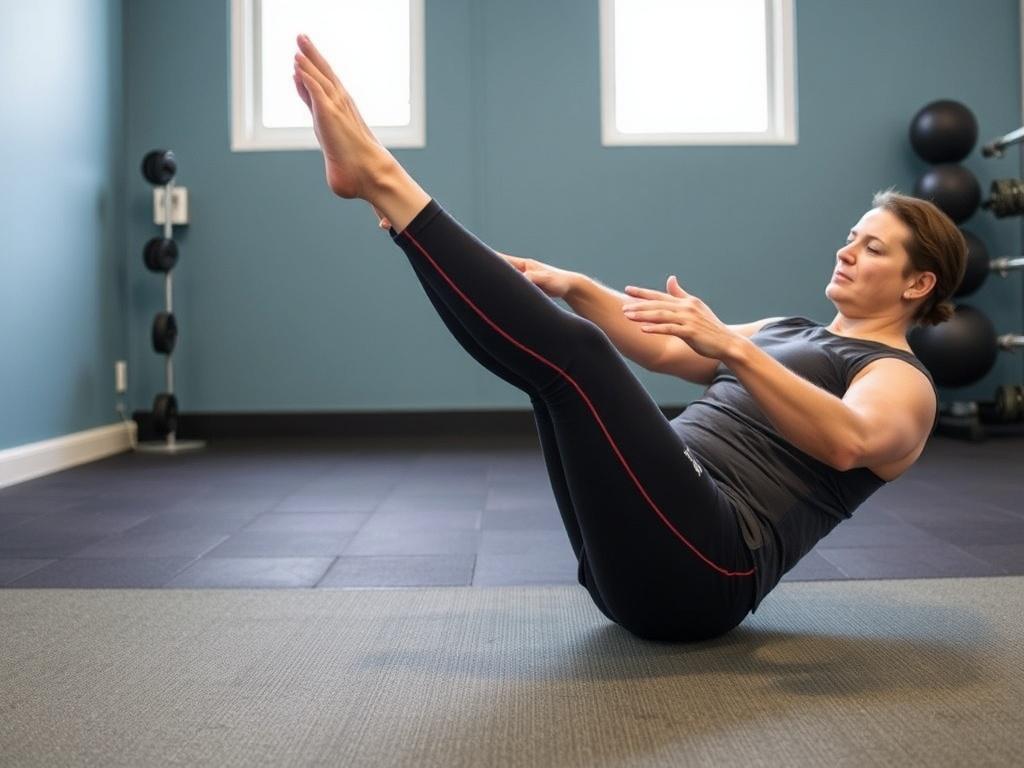
Start with a brief warm-up to increase blood flow and joint lubrication: marching in place, ankle circles, or short walks work well. Exercises should produce mild fatigue or discomfort but not sharp pain; if pain spikes during an exercise, stop and reassess. Progress in small steps—add tension, reps, or complexity gradually.
Consistency matters more than intensity at first. Two to three brief sessions per week that you actually do will outperform sporadic, overly intense workouts. Keep a simple log: exercise, sets, reps, and any soreness the next day to track progress and spot patterns.
Essential equipment and simple alternatives
You don’t need a gym to improve foot and ankle function. Common helpful items include a resistance band, a small towel, marbles or small objects to pick up, a step or curb for heel drops, and a balance pad or wobble board if available. Barefoot time on safe surfaces is also invaluable for sensory feedback.
When a piece of equipment isn’t available, household substitutes work well: use a rolled towel for toe scrunches, a heavy book as a weight for calf raises, and a chair back for balance support. The goal is consistent stimulus, not fancy tools.
Categories of exercises and why each matters
Think in terms of mobility, strength, balance/proprioception, and flexibility. Mobility exercises restore usable joint motion. Strength work improves force production and load tolerance. Balance training rewires the nervous system to react quickly to perturbations, and flexibility keeps tissues resilient and less likely to strain.
A well-rounded routine includes elements from each category. If you have to prioritize, start with mobility and intrinsic foot strength; they form the platform for safe, effective balance and higher-load strength work later.
Mobility: regain usable joint range
Good ankle and foot mobility prevents compensations. A common limitation is restricted ankle dorsiflexion, which interferes with squatting, walking uphill, and landing mechanics. Address mobility with slow, controlled movements that feel smooth rather than forcing the joint past tight spots.
Simple drills like ankle circles, knee-over-toe lunges, and the “rock and reach” lunge improve dorsiflexion and subtalar motion. Perform these before strength work to ensure full joint access during loading tasks.
Ankle circles and alphabets
Sit or lie with your leg extended and trace the letters of the alphabet with your big toe, or simply move the ankle in smooth circles 10–20 times each direction. This activates the joint through multiple planes and warms tissues without load. Keep the motion slow and deliberate, focusing on smooth range rather than speed.
For added mobilization, apply slight pressure at the shin or hold the back of the calf to guide the movement. These are great warm-up drills before walking, running, or strength sessions and are easy to do anywhere.
Knee-over-toe lunge for dorsiflexion
Stand facing a wall, place one foot several inches from it, and slowly bend the front knee toward the wall until your knee or ankle feels a comfortable stretch. Keep the heel on the ground and your torso upright; aim for controlled depth. Repeat 8–12 times per side, focusing on improving distance from the wall gradually.
This exercise translates directly to daily tasks like stair climbing and squatting because it emphasizes weight-bearing dorsiflexion. If you have knee pain, reduce depth and monitor symptoms carefully.
Strength: build the muscles that support the arch and ankle
Strengthening addresses both the big calf muscles and the small intrinsic foot muscles. The calves (gastrocnemius and soleus) provide powerful plantarflexion while the intrinsic muscles control toe motion and arch support. Training both groups helps with push-off, shock absorption, and load distribution.
Include both concentric work (lifting) and eccentric work (controlled lowering). Eccentric calf training is particularly effective for tendinopathy, while toe and arch strengthening reduce stress on the plantar fascia.
Toe scrunches and towel pickup
Sit with a towel flat under your foot and use your toes to scrunch it toward you, repeating 10–20 times per foot. Towel pickup uses small marbles or objects on the floor; pick them up one by one with your toes and deposit them into a cup. Both exercises strengthen intrinsic muscles that support the arch and improve dexterity.
Do 2–3 sets of each exercise, and progress by increasing the number of repetitions or doing the drills standing to add load. Even a few minutes daily can produce meaningful changes in toe control.
| Exercise | Targets | Sets × Reps |
|---|---|---|
| Double-leg calf raise | Gastrocnemius, soleus | 3 × 10–15 |
| Single-leg eccentric heel drop | Eccentric calf loading | 3 × 8–12 |
| Resisted dorsiflexion (band) | Tibialis anterior | 3 × 12–15 |
| Toe scrunches / marble pick-up | Intrinsic foot muscles | 2–3 × 30–60 sec / 10–20 reps |
Calf raises and eccentric lowering
Begin with double-leg calf raises, lifting slowly and pausing at the top before a controlled descent. Progress to single-leg raises once you can perform 3 sets of 15 comfortably. For eccentric loading, step off a small step and lower the heel slowly for 3–5 seconds; perform 8–12 controlled reps per side.
Eccentric emphasis is useful for Achilles tendinopathy because it increases tendon load tolerance in a controlled way. If a movement increases sharp pain, reduce volume and consult a clinician for tailored guidance.
Band-resisted ankle movements
Loop a resistance band around the foot and perform dorsiflexion, plantarflexion, inversion, and eversion against resistance. Aim for 12–15 controlled reps per direction. These exercises strengthen the muscles that stabilize the ankle through its full range of motion and are easy to adjust by changing band tension.
Focus on control and avoid jerky movements. Bands are portable and effective for creating balanced strength around the joint.
Balance and proprioception: teach the nervous system to react
Balance training reduces recurrence of ankle sprains and improves coordination during unexpected perturbations. Proprioceptive drills retrain the sensory feedback loop that tells your body where the foot and ankle are in space, making reactions faster and more reliable.
Start with simple single-leg stands and progress toward dynamic challenges like reaching, unstable surfaces, and sport-specific movements. Train both static balance (holding position) and dynamic balance (moving while balancing).
Single-leg balance progressions
Stand on one leg for 20–60 seconds, using a chair for light support if needed. When that becomes easy, close your eyes, reach the opposite hand forward or sideways, and then progress to standing on a foam pad or wobble board. Perform 2–3 rounds per leg, several times a week.
These progressions are quick but highly effective. I remember rehabbing my own ankle after a twist and finding that two minutes of single-leg balance daily made walking on uneven trails much less scary within a few weeks.
Star excursion and dynamic reaches
The star excursion balance test and its training variant require reaching the free leg in multiple directions while balancing on the support leg. Begin with small reaches and increase distance as stability improves. Perform 2–4 sets of 3–5 reaches per direction to challenge both balance and mobility.
Dynamic reaching drills translate well into sports and daily tasks where balance and reach are combined, such as reaching into a top shelf or catching yourself during a slip.
Flexibility: targeted stretching for key tissues
Stretching complements mobility and strength by reducing excessive tension in tissues that limit joint motion. Focused calf stretches, plantar fascia release, and toe-extension stretches can reduce strain patterns that contribute to pain during walking or running.
Stretch gently, hold for 20–30 seconds, and repeat 2–3 times per target area. Avoid aggressive stretches that cause sharp pain, and prefer loaded, functional stretching (like calf stretches with light weight) over passive positions when possible.
Calf stretches: straight and bent knee
Perform a gastrocnemius stretch with a straight-knee lunge leaning into the wall, and a soleus stretch with the back knee bent to shift emphasis. Each position targets different portions of the calf complex. Two to three repetitions per leg help maintain ankle dorsiflexion for daily activities.
When I added a brief calf stretch to my morning routine, I noticed my heels felt less tight during afternoon walks. Tiny daily practices add up.
Plantar fascia manual release and toe extension
Roll a frozen water bottle or small ball under the arch for 30–60 seconds to reduce pain and soften tissue. Follow with toe-extension stretches—gently lifting the toes upward while pressing the ball of the foot down—to lengthen the plantar fascia and strengthen toe flexors indirectly. Perform these techniques after activity or as part of your cool-down to reduce morning stiffness.
Be mindful not to overdo the rolling if symptoms increase. The goal is to relieve tightness, not to irritate inflamed tissue further.
Sample progressive programs
Below are three sample programs: beginner, intermediate, and advanced. Each is designed as a three-times-per-week routine that can be mixed into typical workouts or done separately. Adjust intensity and rest according to how your body responds.
Progress every 2–3 weeks by adding 1–2 reps per set, increasing resistance, or introducing a more challenging balance surface. Track progress so you can objectively increase difficulty without guessing.
Beginner program (3× weekly)
Session example: warm-up ankle circles and marching (2 minutes), towel scrunches and marble pickup (2 sets each), double-leg calf raises (3 × 10), single-leg balance (3 × 30 seconds), gentle calf stretch (2 × 30 seconds per side). End with foot rolling if needed. This routine builds basic strength and awareness without heavy loading.
Perform the session on nonconsecutive days to allow recovery. If an exercise is painful beyond mild soreness, reduce volume or consult a professional. Start small and prioritize consistency over intensity.
Intermediate program (3× weekly)
Session example: warm-up with alphabets and lunges, resisted band dorsiflexion/eversion/inversion (3 × 12 each), single-leg calf raises (3 × 10 per side), star excursion reaches (3 sets), wobble-board balance (3 × 30–45 seconds). Finish with eccentric heel drops (3 × 8–10) and calf stretching. This phase increases load and introduces dynamic stability challenges.
Include a day of low-impact cardio like cycling or elliptical to support general conditioning without excessive impact. At this stage, the objective is to tolerate single-leg loading and recover quickly afterwards.
Advanced program (3–4× weekly)
Session example: dynamic warm-up, loaded heel raises (weighted or single-leg with added reps), plyometric hops and drop landings focusing on soft landings, wobble board perturbation training, sport-specific cutting drills, and mobility maintenance. Add higher-speed proprioceptive challenges and directional changes. Rest and recovery must be prioritized as intensity increases.
Advanced training prepares you for return to sport or demanding recreational activities. Keep technique clean and avoid excessive volume on consecutive days to reduce overload risk.
Rehab timeline after a typical ankle sprain
Ankle sprain recovery generally follows phases: protected early movement, progressive loading, and return to sport. Early immobilization is sometimes necessary for severe sprains, but controlled range-of-motion exercises often begin within a few days to minimize stiffness and swelling.
Phase 1 (days 0–7): control swelling, gentle mobility, and isometric activation. Phase 2 (weeks 1–4): introduce progressive strength, range-of-motion drills, and light balance work. Phase 3 (weeks 4–8+): advance to single-leg loading, agility, and plyometrics as tolerated. A tailored plan based on severity is crucial for safe return.
Early stage: restoring motion and reducing swelling
Use RICE principles initially—rest, ice, compression, elevation—then add gentle ankle circles and toe flexion/extension as pain allows. Isometric contractions against resistance (pressing the foot into the floor without moving) maintain muscle activation without stressing ligaments. Aim to reduce swelling and regain pain-free basic motion first.
Working with a therapist at this stage speeds recovery because they can guide safe progression and provide manual therapy or taping if necessary. Early errors like returning to running too soon are common causes of recurrent sprains.
Midstage: rebuilding strength and proprioception
Introduce band-resisted ankle motions and single-leg balance exercises as swelling subsides and strength improves. Gradually increase load with single-leg calf raises and controlled step-ups. Balance tasks on foam or unstable surfaces should feel challenging but manageable; hold onto a support lightly if needed.
At this stage, include sport-specific changes of direction in low-intensity form to retrain dynamic control. If pain or instability persists, reassess with a clinician to rule out chronic instability or associated injuries.
Late stage: return to full activity
Progress to plyometrics, bounding, and higher-speed cutting drills only when single-leg strength and balance are near pre-injury levels. Monitor for asymmetries—if one leg consistently performs worse, keep working on targeted deficits before returning to full competition. Use gradual return-to-play criteria such as pain-free single-leg hop, equal calf raise counts, and confident cutting drills.
Many athletes underestimate the time needed for full neuromuscular recovery. Returning too early increases reinjury risk, so conservative progression ensures long-term durability.
Practical footwear and daily habit tips
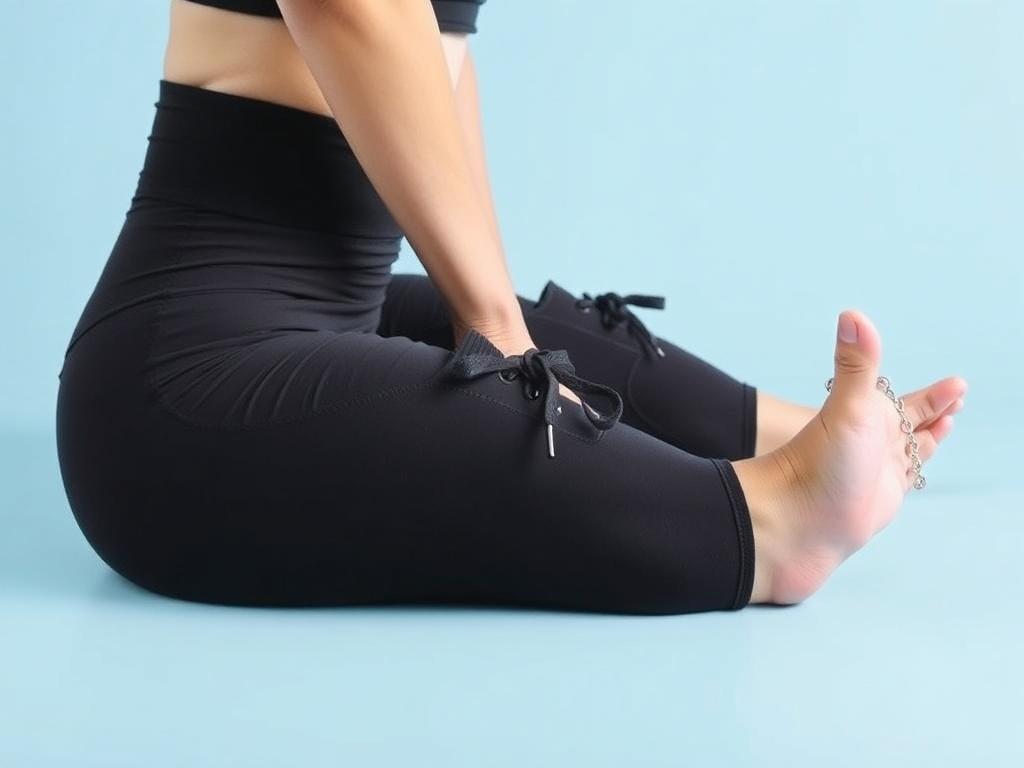
Shoes should provide appropriate support for your activity and foot type while allowing the foot to feel the ground enough to activate intrinsic muscles. Rigid, over-supportive footwear can weaken these small muscles over time. Rotate shoes, alternate barefoot time on safe surfaces, and use supportive shoes for long runs or heavy loads.
Daily habits matter: avoid prolonged sitting with feet tucked under the chair, work on posture and hip strength, and use short breaks to stand and walk. Small, frequent doses of foot activity—like towel scrunches during TV time—compound into noticeable improvements over months.
Common mistakes and troubleshooting
Avoid doing only one type of exercise; for example, calf raises alone won’t fix balance or arch control. Another common mistake is rushing progression—jumping to single-leg plyometrics before building consistent single-leg strength often causes setbacks. Listen to the feedback your body gives and back off if swelling or sharp pain recurs.
Some people interpret soreness as damage and stop entirely; mild muscle soreness is normal when increasing load, but persistent pain, swelling, or joint locking warrants a pause and professional evaluation. Keep a log of symptoms to help you and your clinician make informed adjustments.
Quick-reference exercise plan you can try this week
Day 1: mobility warm-up, towel scrunches 3 × 30 sec, double-leg calf raises 3 × 12, single-leg balance 3 × 30 sec each side, calf stretch. Day 2: rest or light walk. Day 3: band dorsiflexion/inversion/eversion 3 × 12 each, single-leg calf raises 3 × 8 each side, star excursion pattern 3 sets, foot rolling. Repeat this schedule and increase reps or complexity after two weeks.
This simple plan fits into busy schedules and builds the habits that lead to long-term improvements. Adjust intensity and frequency to match your recovery and fitness level.
When to see a clinician and what to expect
Seek professional care if you experience persistent swelling, inability to bear weight, numbness, or instability despite a month of consistent exercise. A physical therapist will assess movement patterns, measure strength and range of motion, prescribe a tailored program, and use hands-on techniques to speed recovery.
In more severe cases, imaging may be necessary to rule out fractures or significant ligament tears. Early, appropriate treatment often shortens recovery time and reduces the chance of chronic problems.
Frequently asked questions
How often should I do these exercises? Aim for targeted sessions 2–4 times per week depending on your level and goals, with lighter mobility work more frequently. Balance and intrinsic foot work can be done daily in small doses.
Will barefoot training fix everything? Barefoot work improves sensory feedback and foot muscle activation when done appropriately, but it’s not a cure-all. Transition gradually and use barefoot activities on safe, forgiving surfaces to reduce overload risk.
Can strengthening my feet reduce plantar fasciitis? Yes—strengthening the intrinsic foot muscles, improving calf flexibility, and managing load often reduce symptoms. Combine strength with load management (gradual return to running, supportive shoes when needed) for best results.
Real-life example: a runner’s recovery story
A recreational runner I worked with developed recurring ankle instability after a misstep on a trail. We began with daily ankle circles, toe scrunches, and single-leg balance holds and slowly introduced band resistance and eccentric heel drops over six weeks. Within two months she was back to regular trail runs, improved her downhill control, and reported fewer episodes of ankle wobble.
The key was consistent, progressive work and honest pacing. She avoided the trap of returning to high-mileage too quickly and instead focused on foundation work that translated directly into safer trail mechanics.
Final practical checklist
- Warm up briefly before drills and cool down with light stretching and rolling.
- Include mobility, strength, balance, and flexibility each week.
- Progress gradually and track sets, reps, and symptoms to guide adjustments.
- Use simple equipment like bands, towels, and balance pads or household substitutes.
- See a clinician for severe pain, swelling, or inability to progress.
Investing a little time in targeted exercises pays off in daily comfort and long-term function. Whether you’re rehabbing an injury or trying to make everyday movement easier, the combination of consistent mobility, strength, and balance work creates a resilient foundation for everything you ask your feet and ankles to do.