
Every step you take depends on a surprisingly complex hinge: the knee. If you want to move with confidence, reduce pain, or protect your knees as you age, targeted training is the most reliable tool you have. This article lays out clear, evidence-informed exercises, sensible progressions, and real-world tips so you can build resilient knees without wasting time on gimmicks.
Why strengthen the knees? the anatomy and the argument for training
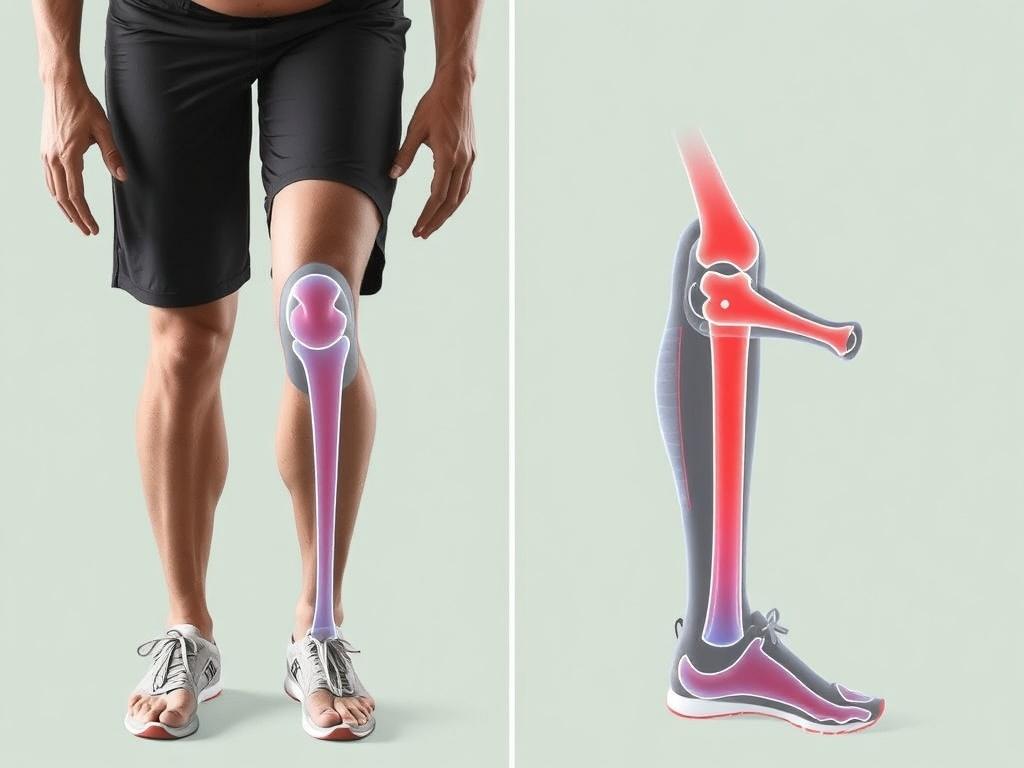
The knee is not a single structure but a partnership of bones, ligaments, cartilage, and muscles working together. The quadriceps, hamstrings, glutes, and calf muscles all influence knee alignment and load distribution, so weakness or imbalance in any of these areas increases strain on the joint.
Strength training changes how load moves through the knee. Strong muscles absorb impact, stabilize the joint, and reduce dangerous shear forces on cartilage and ligaments. In many cases, a structured strengthening program reduces pain and improves function better than passive treatments alone.
Who benefits most from knee-strengthening work?
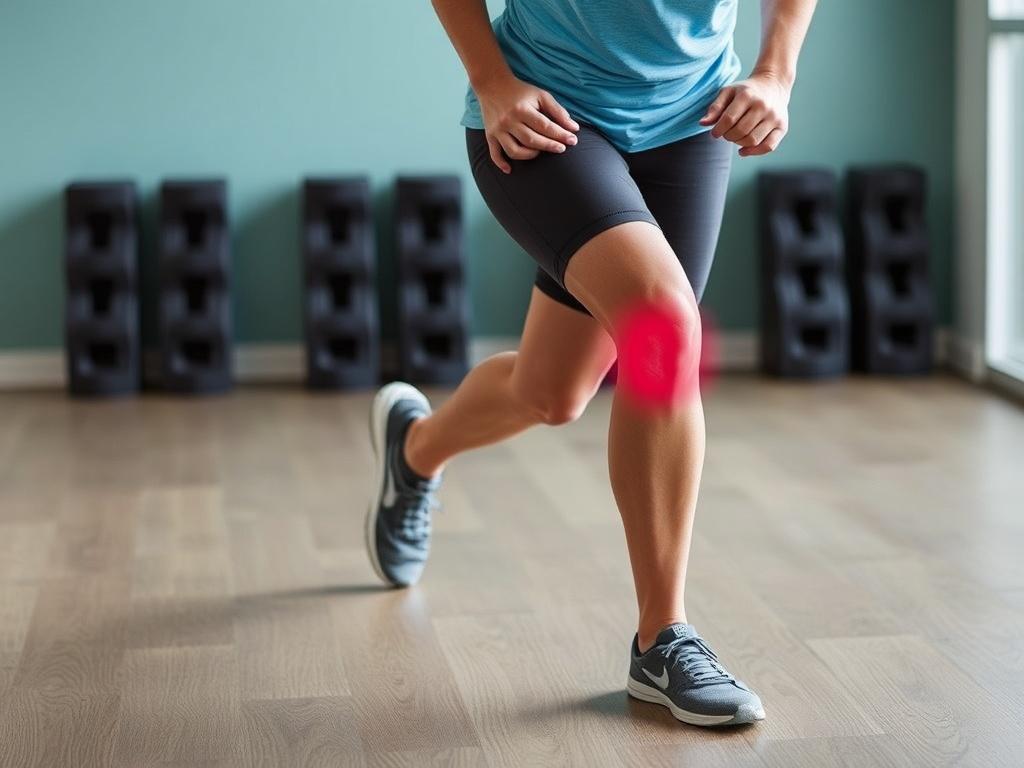
People with early osteoarthritis, tendinopathies, or patellofemoral pain commonly see marked improvements from progressive strengthening. Athletes recovering from non-operative ligament sprains and older adults seeking fall prevention also gain significant benefits.
That said, not every knee problem should be treated the same way. If you have a recent fracture, an unstable ligament tear, or acute infection, strengthening must wait until a clinician clears you. For chronic conditions, however, sensible exercise is usually part of the solution.
Principles to guide your training
Three concepts determine whether your time in the gym translates to stronger, healthier knees: load, control, and specificity. Load refers to how much resistance you apply; control is the ability to move through a joint-safe range with good form; specificity means training the muscles and movement patterns you actually use.
Progressive overload—gradually increasing resistance or complexity—is necessary to create lasting change. Equally important is movement quality: build strength within ranges that are pain-limited and under control, then expand them. These ideas will shape the exercise choices below.
Precautions and red flags before you begin
Start any program by assessing pain patterns. Mild discomfort during exercise that settles quickly is often acceptable, but sharp, catching pain or worsening swelling after activity suggests a problem. If you experience these signs, pause and consult a healthcare professional.
Also consider medical history: prior knee surgery, inflammatory conditions, or neurological deficits require tailored guidance. If you’re unsure, a single visit to a physical therapist can save months of ineffective work and reduce the risk of making things worse.
Essential warm-up routine
Before loading the joint, prime the tissues and nervous system. A five- to ten-minute warm-up combining easy cycling, brisk walking, or dynamic movements raises tissue temperature and improves joint lubrication.
Follow general aerobic warm-up with mobility and activation drills: gentle leg swings, ankle circles, mini squats, and single-leg balance holds. These prepare muscle firing patterns and reduce compensation during the main exercises.
Primary strengthening exercises: the foundation
The core set of movements that most people should master are squat variations, hinge patterns, lunges, and controlled knee extensions. These target the major muscle groups that protect the knee and replicate functional activities like standing, climbing, and walking.
Start with bodyweight versions to learn control, then progress by adding resistance bands, dumbbells, or barbells as form allows. Below are detailed descriptions and key cues for each movement.
Bodyweight squat
The squat trains quadriceps, glutes, and the stabilizing muscles of the hip and ankle. Stand with feet roughly hip-width apart, chest up, and descend by sending hips back and knees out while keeping weight on the heels.
Depth can be individualized; stop at a range that maintains neutral spine and pain-free knees. Aim for slow, controlled reps with a two-second descent and a one-second ascent when learning the pattern.
Wall sit
The wall sit is an isometric variant that builds endurance in the quads without dynamic joint stress. Slide your back down a wall until knees are near a 90-degree angle and hold the position with even weight through both feet.
Start with 20–30 seconds and progress to longer holds as endurance improves. This simple exercise is also useful for people recovering from flare-ups because it limits shear forces.
Romanian deadlift (RDL)
RDLs strengthen the posterior chain—hamstrings, glutes, and lower back—which balances the knee’s anterior pull from the quadriceps. Begin with light dumbbells or a barbell, hinge at the hips keeping a soft knee, and lower until you feel a hamstring stretch.
Keep the spine neutral and initiate movement from the hips rather than bending the knees. Controlled loading helps prevent compensatory forward lean that stresses the knee joint.
Reverse lunge
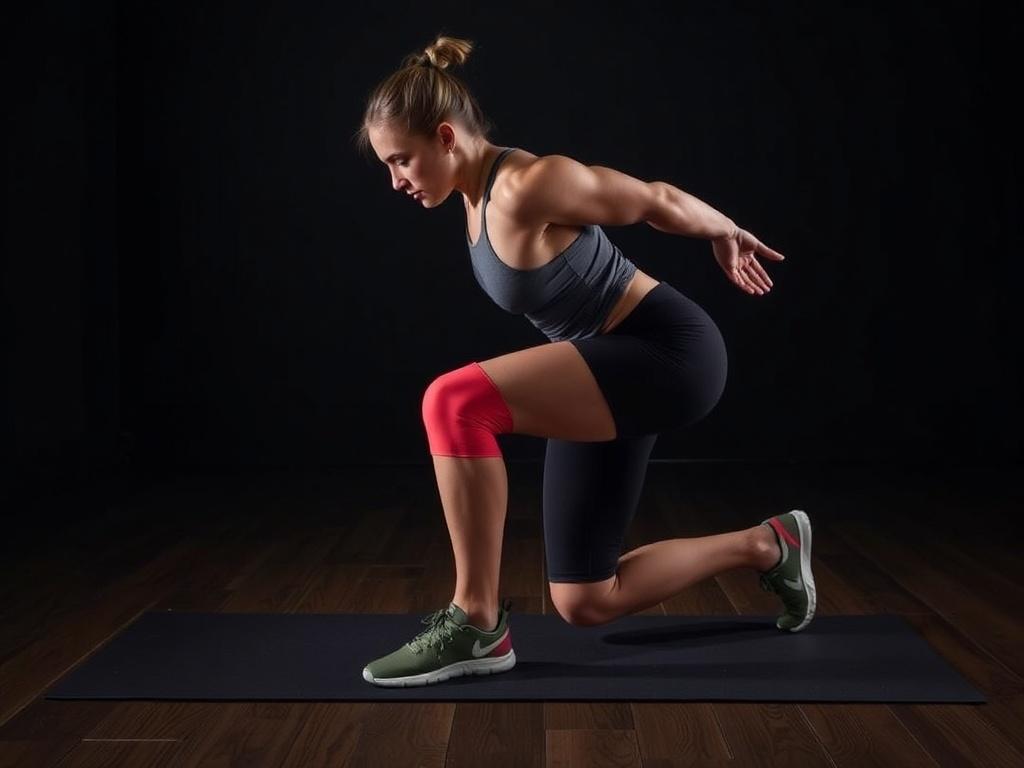
Reverse lunges emphasize eccentric control of the front leg and require less forward knee travel than forward lunges, often reducing patellar stress. Step back with one foot, lower until both knees reach about 90 degrees, then return to standing.
Maintain an upright torso and land softly. Begin with short step lengths to preserve balance and progress to longer steps once control improves.
Single-leg Romanian deadlift
This balance-based hinge challenges hip stability and teaches the standing leg to control rotational forces at the knee. Stand on one leg, hinge at the hip while extending the non-supporting leg back, and return without rocker movement through the ankle.
Use light weight or just bodyweight at first. Strengthening on one leg reduces imbalances that often contribute to knee pain during walking or stair climbing.
Accessory exercises: build stability and mobility
Accessory work addresses the smaller muscles and movement patterns that support the knee. These exercises improve control during dynamic tasks and help prevent recurring issues.
Include hip abductor work, ankle mobility drills, foot intrinsic exercises, and knee-friendly calf strengthening as part of each session or on alternate days.
Clamshells
The clamshell targets the gluteus medius, a key stabilizer of the hip that controls femoral rotation and reduces valgus stress at the knee. Lie on your side with knees bent, lift the top knee while keeping feet together, and lower with control.
Perform multiple slow reps and pause at the top for one to two seconds. Bands placed above the knees increase the challenge and reinforce the movement pattern.
Side-lying hip abduction
This exercise strengthens the lateral hip muscles across a slightly different range than clamshells and can be loaded with ankle weights. Keep the pelvis stacked and lift the top leg while maintaining a slight external rotation.
Progress from bodyweight to resistance bands to small dumbbells as strength grows. Strong lateral hip muscles decrease inward knee collapse during functional movements.
Calf raises with bent knee
Bent-knee calf raises bias the soleus and improve support for the tibia during weight-bearing. Stand on a step or flat surface, bend the knees slightly, and raise the heels, focusing on a slow, controlled motion.
These are especially useful for people with Achilles tightness or plantar loading issues that indirectly affect knee mechanics.
Ankle mobility drills
Limited ankle dorsiflexion forces compensatory knee motion during squats and lunges. Simple drills like knee-to-wall mobilizations, ankle circles, and calf foam rolling can restore reasonable range over time.
Perform these mobility drills daily or before workouts to improve movement quality under load.
Balance and proprioception training
Knee injuries often involve loss of proprioception—your sense of joint position. Improving balance reduces the risk of future sprains and helps with everyday tasks like stepping off a curb without twisting or misstepping.
Integrate single-leg stands, wobble-board drills, and dynamic balance tasks that require reaching and catching. Begin on a stable surface and gradually challenge the task by closing your eyes or adding resistance.
Single-leg stance progressions
Start with single-leg holds for 20–30 seconds while maintaining an upright posture. Once stable, add small movements like leg swings, reaching with the opposite arm, or gentle knee bends to simulate sport-like demands.
Perform balance training several times per week; improvements are rapid and translate directly to fall prevention and joint control.
Using resistance bands effectively
Resistance bands are inexpensive, portable, and excellent for targeting smaller muscle groups around the knee and hip. They provide constant tension and can be used to cue proper tracking during squats and step-ups.
Simple banded walks, clamshells, and monster walks help activate the glutes before heavier lifts. Use a lighter band for warm-up activation and a stronger band for conditioning sets.
Progression strategies: how to get stronger without pain
Progression should be deliberate. Increase one variable at a time—reps, sets, resistance, or complexity—and monitor how your knee responds for 48–72 hours. If pain increases, revert to the previous level or reduce volume.
Follow a 10–20% rule for load increases as a guideline, but prioritize movement quality over numbers. When you can perform three sets of 12 clean repetitions with good control, it’s usually time to increase the challenge.
Sample programs for different levels
Below are three concise, weekly templates you can adapt. Each program focuses on consistency rather than maximal intensity and includes warm-up and cool-down components.
| Level | Frequency | Key exercises | Progression |
|---|---|---|---|
| Beginner | 3x/week | Bodyweight squats, wall sits, clamshells, ankle mobility | Add reps/hold time; introduce bands |
| Intermediate | 3–4x/week | Reverse lunges, RDLs, single-leg RDL, band walks | Add weight, increase range, add single-leg variants |
| Advanced | 3–5x/week | Barbell squats, loaded step-ups, plyometric drills, heavy RDLs | Increase load, complexity, and sport-specific drills |
Adjust sets and reps based on goals: strength generally requires heavier loads with fewer reps, while endurance and rehab favor higher repetitions with lighter resistance.
Plyometrics and power for athletic knees
Plyometric training can be introduced when basic strength and control are established. Jumping, landing, and cutting drills improve the knee’s ability to handle rapid force and direction changes that occur in sport.
Begin with low-height jumps and focus on soft, hip-dominant landings that absorb force through the hips and ankles, not a locked knee. Progress to higher-intensity drills as technique and strength allow.
Stretching and recovery for optimal progress
Stretching after workouts helps maintain muscle length and joint mobility. Target the quadriceps, hamstrings, calves, and hip flexors with gentle holds of 20–30 seconds—avoid aggressive ballistic stretching around a painful knee.
Recovery strategies such as sleep, nutrition, and light active recovery days accelerate adaptation. Ice or compression can help manage post-exercise swelling if needed, but shouldn’t replace sound training design.
Common mistakes that slow or stall progress
Rushing depth on squats, allowing the knee to collapse inward, and overemphasizing quad isolation without balancing the posterior chain are frequent errors. These mistakes place repetitive strain on specific joint structures and can perpetuate pain.
Another trap is doing too many exercises in poor quality, which spreads effort thinly across movements and impairs recovery. Focus on fewer, high-quality sets of the foundational movements and progress them faithfully.
When to modify and when to push
Moderate, controlled discomfort during an exercise can be acceptable within a rehabilitation context, but sharp or worsening pain is a signal to stop. If pain flares after a session and takes more than 48 hours to subside, reduce intensity at the next session.
Use pain as feedback rather than an absolute rule—small increases within a controlled exposure can be therapeutic, whereas ignoring escalating pain often derails long-term recovery.
Real-life example: how consistent training changed my neighbor’s knee
A few years ago a neighbor, a recreational runner in his fifties, struggled with chronic anterior knee pain that limited his mileage. After three months of progressive strength work emphasizing single-leg RDLs, reverse lunges, and glute activation, his pain decreased and his weekly distance increased without medications.
His progress wasn’t linear; he had setbacks when he increased mileage too quickly, but returning to the program and tracking load helped him find a sustainable balance between running and strength work.
Equipment and setup for home or gym
You don’t need a fancy gym to strengthen your knees. A mat, resistance bands, a set of dumbbells, and a step or stable box cover most needs. Even household items like filled water jugs can serve as effective weights in early stages.
If you have access to a barbell and squat rack, they facilitate straightforward progression, but always prioritize form over load. A mirror or phone recording can help check alignment during squats and lunges.
Nutritional and lifestyle factors that support joint health
Nutrition and body composition influence knee loading and recovery. Maintaining a healthy weight reduces mechanical stress on the joint, while adequate protein and micronutrients support tissue repair and muscle growth.
Omega-3 fats, vitamin D, and a balanced diet can support overall joint health, but exercise remains the most powerful intervention for functional improvement.
Working with professionals: when to seek help

If pain limits your ability to perform basic tasks, or if swelling and instability are present, consult a physical therapist or orthopedic specialist. A professional assessment can identify movement faults, provide manual treatments, and prescribe a tailored progression.
Many clinicians also offer guided return-to-sport protocols that help athletes reintegrate cutting and jumping in a graded fashion, reducing re-injury risk.
Tracking progress and staying motivated
Keep a simple training log noting exercises, sets, reps, and subjective pain or effort. Small, measurable improvements—more reps, fewer aches—are motivating and validate the training strategy.
Set realistic milestones such as being able to climb stairs without discomfort, run a short interval without pain, or perform a certain number of single-leg squats. These task-based goals stick better than abstract targets.
Designing a weekly plan: an example
Below is a straightforward weekly template for an intermediate trainee who wants balanced knee strengthening without excessive gym time. It combines strength, mobility, and balance in three sessions.
- Day 1: Strength focus—barbell or dumbbell squats, RDLs, clamshells, calf raises.
- Day 2: Active recovery—light cardio, mobility work, ankle drills.
- Day 3: Single-leg emphasis—single-leg RDLs, reverse lunges, band walks, balance work.
Each strength day should include 3–4 sets of major lifts with 6–12 repetitions depending on load, plus 2–3 accessory movements with higher reps for endurance and control.
Adapting for older adults or those with chronic conditions
Older adults often benefit from slower progressions, emphasis on balance, and higher-repetition strength work to build muscular endurance. Seated or supported variations reduce fall risk and allow safe strength gains.
For chronic joint disease, pain monitoring is key; aim for consistent, manageable sessions rather than occasional high-intensity bursts that exacerbate symptoms.
Signs of success you can expect
Early signs of improvement include decreased stiffness, better control during steps and uneven terrain, and reduced reliance on compensatory movements. Over weeks to months, you should notice increased tolerance for activity and less pain during daily tasks.
Functional milestones—unassisted stair descent, painless squatting, or an increase in walking distance—are practical markers that training is working.
Combining strengthening with other therapies
Manual therapy, targeted injections, or short-term medications can complement exercise when needed, but they rarely replace the benefits of a consistent strengthening program. Use these adjuncts as bridges that help you engage in progressive loading.
Coordination between your healthcare providers and your exercise plan ensures interventions are applied in the right sequence and dose for the best outcome.
Frequently asked questions
How often should I train? Aim for three sessions per week focusing on strength and balance, with light activity on alternate days for circulation and mobility. Consistency matters more than the perfect schedule.
Will squats damage my knees? When performed with good form and appropriate load, squats are protective. The danger isn’t the exercise itself but poor technique and sudden excess load. Start conservatively and progress mindfully.
Final suggestions for long-term knee resilience
Make strengthening a habit, not a brief fix. A lifetime approach—periodic strength blocks, ongoing mobility work, and regular balance practice—maintains joint health and reduces injury risk. Consider integrating short maintenance sessions even after pain improves to prevent relapse.
The path to stronger knees is cumulative: small, consistent investments in good movement and progressive loading pay off in comfort, performance, and freedom to stay active for years to come.