
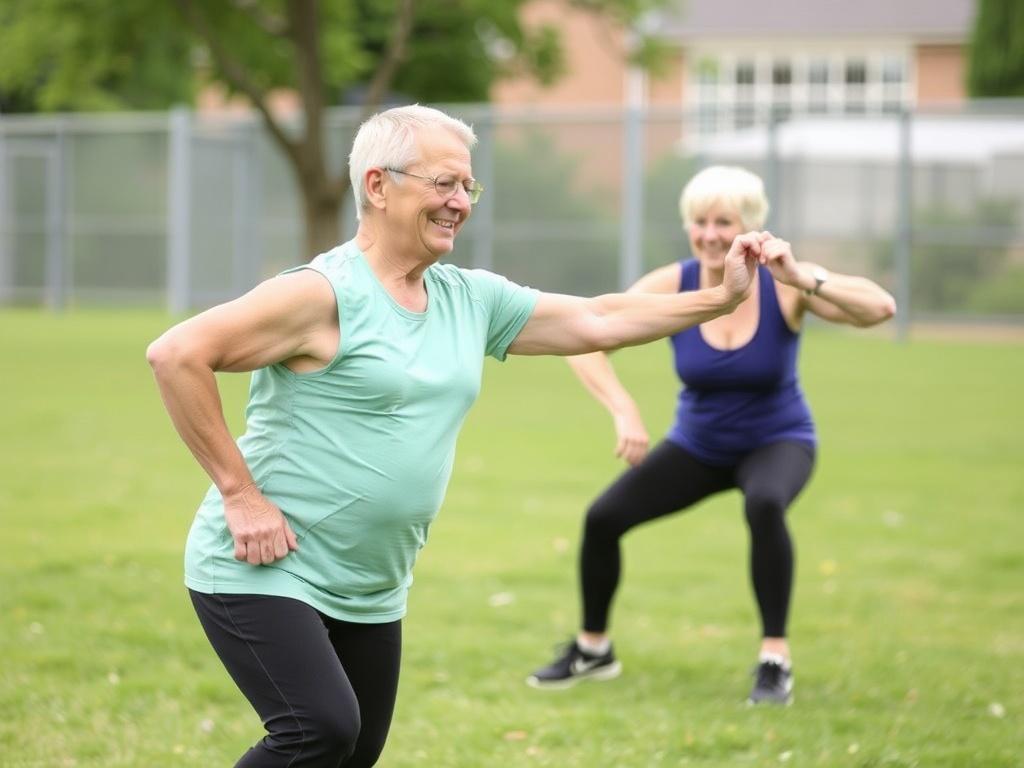
Growing older doesn’t mean surrendering strength, independence, or confidence in your body. The right resistance work—done thoughtfully and safely—can sharpen balance, protect bones, and make daily tasks easier, not harder. This article lays out why strength matters, how to start and progress, and how to fit effective, enjoyable sessions into life at any age.
Why strength matters beyond the mirror
Strength is more than appearance; it is the engine behind mobility, independence, and reduced fall risk. As we age, muscle mass and bone density decline at predictable rates unless we counter them with targeted stress that tells the body to preserve and build tissue.
Research consistently links regular resistance work to better outcomes: fewer falls, lower fracture rates, improved metabolic health, and clearer cognition in some studies. For older adults, these gains translate directly into staying in the home you love, traveling, playing with grandchildren, and feeling confident in everyday movement.
Physiological benefits of resistance work in later life
Resistance training stimulates muscle protein synthesis, reversing aspects of sarcopenia—the age-related loss of muscle mass and strength. Muscles that are conditioned through progressive loading become stronger and more fatigue-resistant, helping you rise from chairs, climb stairs, and carry groceries with less effort.
Bone responds to mechanical load as well. Regular weight-bearing and resistance exercises increase or maintain bone mineral density, lowering the risk of osteoporotic fractures. The same training also improves tendon health, joint support, and functional coordination across multiple muscle groups.
Finally, resistance work helps regulate blood sugar and insulin sensitivity, benefits cardiovascular health indirectly by enabling more active lifestyles, and can improve mental wellbeing through a sense of mastery and reduced anxiety.
Safety first: who should get medical clearance?
Before you begin, it’s wise to check with your primary care provider, especially if you have chronic conditions like uncontrolled hypertension, recent cardiac events, severe osteoporosis, or uncontrolled diabetes. A brief medical review can identify contraindications and clarify safe intensity limits.
If you’ve had joint replacements, spinal surgery, or recent fractures, ask for specific movement restrictions and whether referral to a physical therapist is recommended. For many older adults, a short supervised phase with a qualified trainer or physical therapist is invaluable for learning safe technique and building confidence.
Principles of safe training for older adults
Good programs follow a few simple principles: start slow, prioritize technique over load, progress gradually, and listen to pain signals—differentiating between the expected effort-related discomfort and sharp or unusual pain. Rest between sessions matters; muscles grow during recovery, not during the workout itself.
Balance and mobility exercises should accompany resistance work, because strength without control limits functional gains. A structured warm-up, attention to breathing (exhale on effort), and avoiding sudden, jerky movements reduce injury risk. Finally, consistency—two to three times per week—is far more important than occasional maximal effort.
Types of resistance training: choose what fits your life
Resistance training comes in many flavors: bodyweight movements, resistance bands, free weights, weight machines, and functional tools like kettlebells and medicine balls. Each has advantages, and the best choice depends on goals, mobility, budget, and access to equipment.
Bodyweight and bands are portable and low-cost, making them excellent starting points for most older adults. Free weights and machines allow more precise loading and progression, which can be important for building maximal strength. A mixed approach often yields the best long-term adherence and variety.
Equipment pros and cons
The table below summarizes common options to help you choose. Pick tools that you enjoy and can use safely at home or in a gym.
| Equipment | Pros | Cons |
|---|---|---|
| Bodyweight | Free, convenient, easy to scale for beginners | Limited loading for stronger individuals |
| Resistance bands | Portable, progressive tension, low joint impact | Variable tension; can be awkward to anchor |
| Free weights (dumbbells, kettlebells) | Versatile, precise load increments, functional carryover | Requires attention to form; some balance and stability needed |
| Machines | Safer for isolated movements; easy to learn | Less functional, takes up space, gym access often required |
Designing a simple, effective program
A balanced training plan includes multi-joint movements that recruit large muscle groups, a manageable frequency, and progressive overload. For most older adults, training major muscle groups two to three times a week with at least one rest day between sessions strikes a good balance between stimulus and recovery.
Start with 1–2 sets of 8–15 controlled repetitions for each exercise, focusing on technique. As strength improves, add a third set, increase resistance, or reduce repetitions with heavier loads to challenge the neuromuscular system. Track your workouts in a notebook or app so you can progress methodically.
Sample weekly structure
Here’s an example framework to fit around life: two full-body sessions per week plus one lighter day focused on balance and mobility. This offers strength gains without overtaxing recovery for most people.
- Monday — Full-body resistance session (moderate intensity)
- Wednesday — Balance, mobility, and light cardio (walking, cycling)
- Friday — Full-body resistance session (progression from Monday)
- Other days — Gentle activity, stretching, or rest
Warm-up, movement quality, and breathing
A focused warm-up wakes up joints and recruits muscle fibers without causing fatigue. Five to ten minutes of light walking, marching in place, arm circles, hip hinges, and dynamic stretches prepares the nervous system for heavier work and reduces injury risk.
During resistance exercises, move slowly and with control—aim for a 2:1 ratio of concentric to eccentric speed if possible (for example, two seconds lifting, one second lowering, or vice versa depending on the exercise). Exhale through the hardest phase of the movement, and avoid holding your breath for long periods.
Sample workouts: beginner, intermediate, and advanced
Below are practical, scalable workouts you can adapt based on fitness, mobility, and equipment. They prioritize compound movements and everyday function.
Beginner full-body (no equipment)
This session suits someone starting after medical clearance. Perform 1–2 sets of 8–12 repetitions per exercise, resting 60–90 seconds between sets. Focus on steady form rather than speed.
- Chair sit-to-stand
- Wall push-ups or incline push-ups
- Standing band or towel row
- Side-lying hip abduction
- Calf raises holding a chair for balance
- Bird-dog for core and spinal stability
Progress by adding a set, increasing repetitions to 15–20, or using light resistance bands. If joint pain increases, reduce range or substitute exercises with less strain.
Intermediate full-body (bands or light dumbbells)
This plan is for someone comfortable with basic movements and ready to add resistance. Aim for 2–3 sets of 8–15 reps, increasing load every 2–4 weeks as tolerated. Keep rest to 45–75 seconds to build endurance alongside strength.
- Goblet squat with dumbbell or band-resisted squat
- Seated or standing row with band/dumbbell
- Romanian deadlift with light dumbbells
- Overhead press with dumbbells or bands
- Step-ups onto a stable surface
- Plank or half-kneeling anti-rotation hold
Include a mobility finisher (gentle hip openers, shoulder circles) to maintain joint health. If balance is a concern, perform unilateral moves near a support surface and reduce step height.
Advanced full-body (free weights or machines)
For older adults who have trained consistently and cleared higher-intensity work, this plan increases load and complexity. Perform 3 sets of 6–12 reps, focusing on progressive overload while maintaining flawless technique.
- Barbell or heavy dumbbell deadlift variation
- Bulgarian split squat or weighted step-up
- Bench press or push-up progression
- Pull-up or lat pulldown
- Farmer’s carry for grip and core integration
- Rotational chops or loaded carries for anti-rotational strength
Advanced training should include periodic deloads—reduced volume weeks—and ongoing technique checks, either with a coach or via video review, to minimize strain and maintain longevity in training.
Progression: how to get stronger without overdoing it
Progression is simple in concept but requires patience in practice: gradually increase the demand you place on muscles. Use a few practical methods—add weight, add a repetition, add a set, decrease rest time, or improve technique and range of motion.
Small, consistent gains accumulate into meaningful strength. Aiming to increase load by 2.5–5% every one to two weeks is reasonable for many exercises. If progress stalls, look at recovery, nutrition, and sleep before ramping up training volume.
Monitoring effort and safety cues
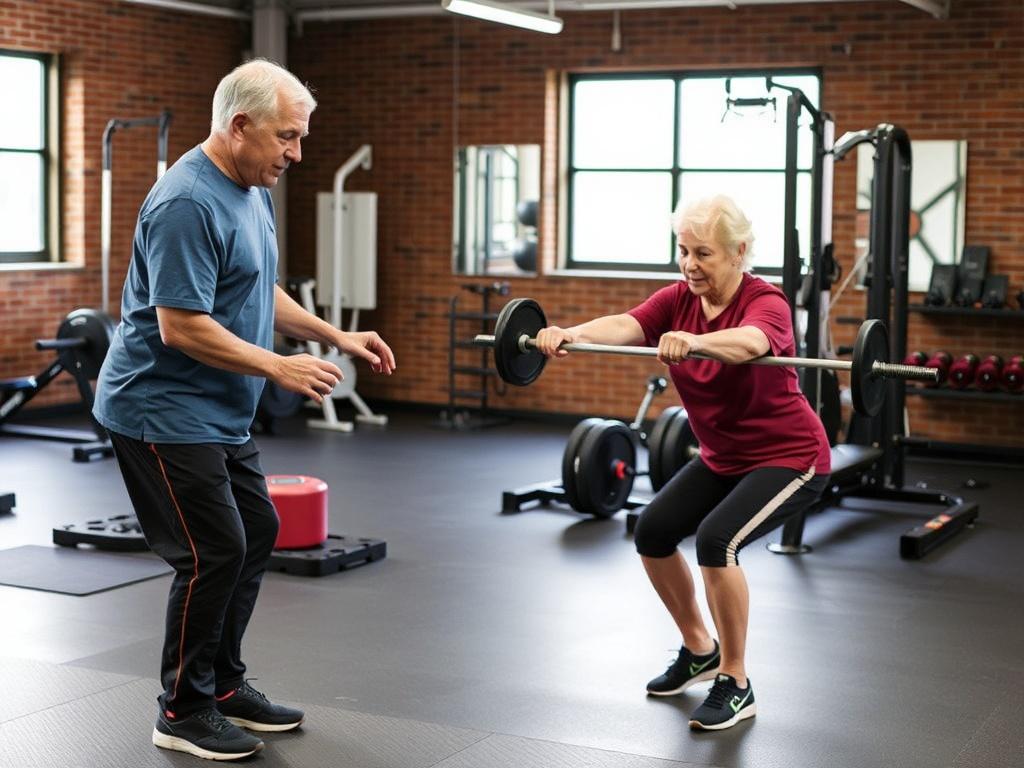
Instead of lifting to absolute failure, train with a buffer—stop sets when you could perform one or two more quality repetitions. This approach reduces injury risk while still driving adaptation, especially important for aging tendons and joints.
Keep a training log to track load, sets, and subjective fatigue. Pay attention to persistent joint swelling, sharp pains, or unusual neurological symptoms (numbness, tingling), which warrant medical follow-up and program modification.
Recovery, sleep, and nutrition for strength
Resistance training is only half the story; recovery is where strength is consolidated. Aim for 7–9 hours of sleep per night, manage stress through purposeful breathing or gentle activity, and schedule rest days that include light movement to support circulation and mobility.
Nutrition matters: prioritize adequate protein distributed across meals (a common goal is 1.0–1.2 grams per kilogram of body weight for older adults, adjusted for health conditions and activity level). Include calcium and vitamin D for bone health, and maintain overall calorie intake to support muscle maintenance.
Special considerations for common conditions
Someone with osteoarthritis can typically strengthen around affected joints to improve support and reduce pain, but exercises that aggravate symptoms should be modified. Low-impact, controlled loading and emphasis on surrounding musculature help improve joint function.
With osteoporosis, avoid sudden spinal flexion or high-impact activities that increase fracture risk; instead, focus on axial loading, controlled resistance, and balance work. Work closely with healthcare providers to determine safe ranges of motion and exercises.
For those with cardiovascular disease, follow medical guidance on intensity, monitor symptoms like chest pain or undue breathlessness, and consider supervised cardiac rehabilitation programs to clear the path for strength training.
Balance, gait, and fall prevention
Strength training improves balance indirectly by strengthening hips, ankles, and the core, but targeted balance exercises accelerate gains. Simple practices—single-leg stands, tandem walking, and controlled step-downs—translate directly into safer mobility around the home and community.
Integrate reactive balance drills as progress allows, such as small perturbations while standing or catching and releasing a ball. These exercises train the nervous system to respond quickly when balance is challenged in daily life.
Common mistakes to avoid
One common error is trying to lift heavy too soon. Jumping to high loads without establishing movement quality invites injury. Another is training inconsistently; sporadic bursts of activity yield limited benefit compared with steady, moderate frequency.
A third mistake is ignoring recovery signals: persistent soreness, sleep disruption, and low motivation can signal overreach. Finally, neglecting the basics—warm-up, gradual progression, and attention to posture—reduces the effectiveness and safety of any program.
Motivation and habit formation

People who stick with training treat it like an appointment: scheduled, non-negotiable, and reasonable in duration. Short sessions that are easy to complete on tired days beat sporadic marathon workouts for long-term adherence.
Find social levers: walk-and-lift groups, classes for older adults, or a training partner provide accountability and enjoyment. Track small wins—more weight, more repetitions, better balance—to maintain momentum and celebrate progress.
Accessibility and community resources
Many community centers, YMCAs, and senior centers offer strength classes tailored to older adults, often led by trainers experienced in working with chronic conditions. These programs can be more affordable and social than one-on-one sessions while still providing valuable instruction.
Online resources and video libraries are useful, but complement them with at least a few in-person sessions to guarantee safe technique. Local physical therapists can offer assessments and personalized exercises, especially when mobility limitations or pain are present.
Real-life examples and author experience
I’ve trained older clients for over a decade, from 65-year-olds reclaiming stair confidence to 82-year-olds who travel regularly because they regained the strength to manage luggage and steps. One client, Gloria, began with seated band rows and chair squats and progressed over a year to walking 45 minutes and lifting moderate dumbbells at home.
Another client, Tom, had osteoporosis and long-standing fear of falling. We focused on slow, loaded standing exercises, balance drills, and posture; his DEXA scan later showed stabilized bone density, and he reported fewer back pains and greater ease getting up from the garden bench. Small, consistent steps mattered more than quick fixes.
Practical tips for starting at home
Create a small training corner with a sturdy chair, a set of resistance bands, two dumbbells of different weights, and a yoga mat. Keep a notepad by the mat to log sessions, noting exercises, sets, weight, and perceived exertion to guide progression.
Begin with movements that map to daily life: sit-to-stand, carrying groceries, reaching overhead, and stair mimics. If you fear imbalance, stand near a railing or use a chair for support. The goal is to practice movements that restore independence, not to impress anyone else.
When to seek professional guidance
If you have complex medical history, recent surgery, or persistent pain that limits movement, consult a physical therapist for an individualized plan and hands-on progressions. A Certified Strength and Conditioning Specialist or trainer with geriatric experience can also design safe programs and provide coaching.
Professional supervision is especially helpful during the first 6–12 weeks to build correct movement patterns and reduce fear around lifting. After that, periodic check-ins every few months keep progress on track and adapt the program to evolving goals.
Measuring progress beyond the scale

Strength gains show up in function more than numbers: fewer stumbles, easier transfers, longer walks, and lower perceived effort in daily chores. Use practical tests—time to rise from a chair five times, timed up-and-go, or loaded carry distance—to quantify meaningful improvements.
Take photos or videos of technique periodically to see subtle changes, and celebrate the non-physical returns: more energy, improved mood, and renewed confidence in movement. These outcomes often matter more than a one-time lift PR.
Frequently asked questions
Will lifting make my joints worse? When performed with proper technique and gradual progression, strength training typically reduces joint pain by strengthening supporting muscles. Avoid movements that create sharp, unusual pain and consult a clinician if symptoms persist.
How often should I train? Two to three full-body sessions per week are effective for most older adults. Add light daily activity and one mobility or balance-focused session to complement resistance work.
Resources and further learning
Look for local community classes, certified trainers with geriatric experience, and physical therapists for personalized plans. Trusted organizations—national health systems, university health centers, and established fitness certification bodies—offer evidence-based guides and courses tailored to older adults.
Books and reputable online platforms can supplement coaching, but prioritize guidance from professionals who understand aging physiology and can modify programs to your needs. Ongoing education empowers you to train smarter and more safely.
Strength is not reserved for the young. With careful planning, sensible progression, and attention to recovery, resistance work becomes a tool for preserving independence, reducing pain, and enriching life. Start where you are, move with purpose, and give yourself the time to grow stronger—your future self will thank you.