

Deciding to get fit at home is one of the easiest decisions and one of the hardest to follow through on.
This article gives a step-by-step, realistic approach to building strength, endurance, and a consistent habit without fancy gear or a gym membership.
Why choose training at home?
Home workouts remove a major barrier: travel time. When the place to train is two steps away, excuses have nowhere to live.
Working out at home can also be cheaper, flexible, and privacy-friendly—great for people who feel self-conscious or have unpredictable schedules.
How this program is structured
The plan uses three workouts per week for the first month, then gradually increases volume and variety to prevent plateaus.
Each session mixes mobility, strength, and low-impact cardio so beginners develop balanced fitness rather than focusing on a single skill.
Fundamental training principles
Begin with consistency, not intensity; small, repeated efforts beat sporadic heroics. Intensity will come naturally as you progress.
Progressive overload matters: increase reps, sets, or difficulty slowly so your body adapts safely. Rest and recovery are part of your training, not optional extras.
Form always takes priority over numbers. Proper technique prevents injury and ensures that you’re training the right muscles.
Essential warm-up and cool-down
A five- to ten-minute warm-up primes your nervous system and raises body temperature, reducing injury risk and improving performance.
Start with joint circles, dynamic leg swings, and slow bodyweight movements that mirror your session—squats, lunges, and arm reaches work well.
Finish with gentle stretching and breathing to lower heart rate and promote recovery, focusing on the hips, hamstrings, chest, and shoulders.
Minimal equipment you’ll find useful
You really can start with bodyweight alone, but a few inexpensive items expand your options: a resistance band, a pair of adjustable dumbbells, and an exercise mat.
Bands are versatile for rows and glute work, while dumbbells allow steady progression in presses and deadlifts. If budget is limited, improvise with filled water jugs or backpacks.
Safety and injury prevention at home
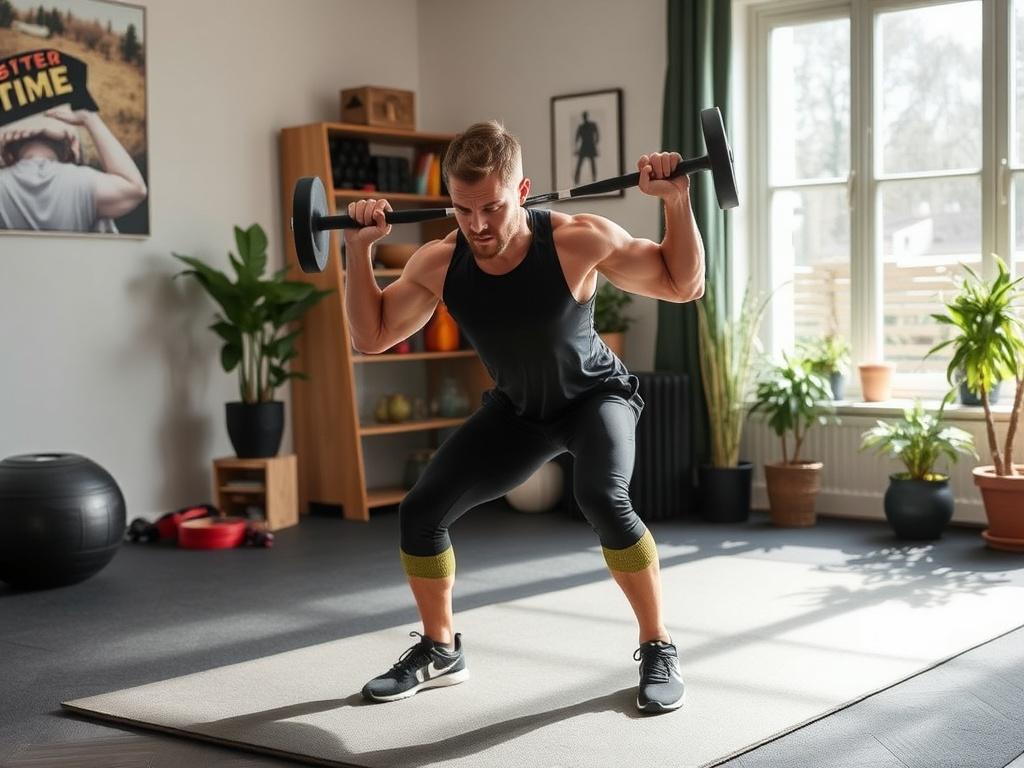
Create a clear, uncluttered area for exercise and choose shoes that support your feet if you’re doing standing moves or jumping.
Listen to your body: mild soreness is normal, sharp pain is not. Modify exercises when needed and consult a professional for persistent issues.
Sample 8-week beginner plan
This schedule ramps gently, alternating focused strength days with active recovery and mobility. Workouts are designed to last 30–45 minutes.
Start each session with the warm-up and finish with the cool-down described earlier. Rest at least one full day after each strength workout.
| Week | Mon | Wed | Fri |
|---|---|---|---|
| 1–2 | Full-body strength A (bodyweight) | Active recovery + mobility | Full-body strength B (bodyweight) |
| 3–4 | Strength A (add resistance) | Light cardio + mobility | Strength B (progression) |
| 5–6 | Upper-focused strength + core | Low-impact cardio (20–30 min) | Lower-focused strength + mobility |
| 7–8 | Full-body strength (mixed) | Conditioning circuit (short) | Functional strength + mobility |
Detailed weekly sessions explained
Workouts labeled A and B are full-body sessions with different emphasis so you train major movement patterns multiple times a week.
Each strength session includes three circuits: primary push/pull/leg, accessory work, and core or mobility finishing exercises.
Full-body strength A (beginner)
Do three rounds of the following circuit with 60–90 seconds rest between rounds.
- Bodyweight squat — 10–15 reps
- Incline push-up (hands on a counter or wall) — 8–12 reps
- Glute bridge — 12–15 reps
- Plank — 20–40 seconds
These moves target legs, chest, glutes, and core in a balanced way. If any exercise feels too easy, slow the tempo or add reps rather than rushing to heavier loads.
Full-body strength B (beginner)
Perform three rounds with 60–90 seconds rest between rounds.
- Reverse lunge — 8–10 reps per leg
- Bodyweight row using a sturdy table or band — 8–12 reps
- Standing calf raises — 15–20 reps
- Deadbug or deadlift pattern with light weight — 10–12 reps
This session complements A by emphasizing posterior chain strength and unilateral balance. Unilateral work helps correct strength imbalances and improves everyday movement.
Upper- and lower-focused sessions (weeks 5–6)
As you progress, split sessions to give slightly more volume to the upper body or lower body while still training the whole body each week.
Upper sessions might include dumbbell presses, rows, and shoulder stability work. Lower sessions add goblet squats, Romanian deadlifts, and step-ups.
Progressions and regressions
Beginners need options that make exercises easier or harder depending on current ability. Always start with the regression if unsure.
For example, regress a push-up to an incline or wall push-up; progress it to knee push-ups, then full push-ups, and later add tempo or weighted variations.
How to choose reps, sets, and rest
A good beginner template is 2–4 sets of 8–15 reps for compound moves, with rest periods of one to two minutes. For endurance-style circuits, use shorter rests and higher reps.
When your form degrades, stop. Aim to increase reps or difficulty by about 5–10% every one to two weeks rather than making big jumps.
Mobility and flexibility work
Mobility isn’t optional. Tight hips or shoulders can blunt progress and create compensations that cause pain.
Spend three to five minutes after each session on mobility drills specific to what you just trained—hip openers after lower-body days, thoracic rotations after upper-body days.
Simple mobility routine
Try this three-move circuit after training: world’s greatest stretch, thoracic rotations on all fours, and hip-flexor lunge holds. Hold or repeat each for 30–60 seconds.
Consistent short mobility sessions provide better results than occasional long stretches. Make them a habit and your movement quality will steadily improve.
Cardio without a treadmill
Low-impact cardio like brisk walking, cycling, or bodyweight circuits builds aerobic base without stressing joints. Aim for 20–40 minutes on non-strength days.
If you prefer higher-intensity training, do short intervals—20 to 30 seconds on, 40 to 60 seconds off—for 10 to 15 minutes. That’s enough to boost fitness without exhausting recovering muscles.
Nutrition basics for beginners
Nutrition doesn’t have to be complicated. Prioritize whole foods, lean proteins, vegetables, and a reasonable amount of carbohydrates to fuel workouts.
Protein targets around 0.7–1.0 grams per pound of body weight help repair muscle and support recovery. Hydration and sleep are equally important and often overlooked.
Tracking progress and adjusting
Keep a simple log of exercises, sets, and reps. Small, measurable improvements—more reps, better form, less rest—are the real signs of progress.
Every two to four weeks, reassess by noting bodyweight, how clothes fit, energy levels, and whether daily activities feel easier. Adjust intensity or volume accordingly.
Common beginner mistakes and how to avoid them
One widespread mistake is trying to do too much too soon. This leads to burnout, inconsistent training, or injury.
Another error is neglecting mobility and recovery. If you prioritize lifting heavier over moving better, you’ll eventually stall. Work on technique from day one.
Motivation strategies that actually work
Design small, specific goals—attend three workouts weekly for a month, add five squats to your set in two weeks, or walk 10,000 steps daily three times a week.
Make workouts a ritual by scheduling them into your calendar like appointments. Pair them with a reliable cue, such as brewing coffee after or doing them before dinner.
Real-life example: my first month at home
When I started training at home, my sessions were embarrassingly short—15 minutes of basic moves. But I showed up three times per week without fail.
After four weeks I was stronger, less achy, and had better posture. The compounding effect of consistent short workouts is something I still recommend to new clients.
Sample grocery list for training support
Eating to support training doesn’t require specialty items. Stock your kitchen with eggs, canned tuna, chicken, beans, oats, whole grains, frozen vegetables, and fruit.
Healthy fats like olive oil, nuts, and avocados help satiety and hormone balance. Simple meals prepared in batches save time and reduce stress around fueling your workouts.
Scheduling templates for busy lives

If you have a nine-to-five job and family obligations, block out three 30- to 45-minute sessions per week—early morning or after kids’ bedtimes often work best.
On particularly busy weeks, a 20-minute bodyweight circuit beats skipping entirely. Keep a repertoire of short, effective sessions for those days.
Modifications for older adults or those with limitations
Older beginners should prioritize balance, joint-friendly movements, and slower progressions. Chair squats, seated rows with a band, and modified step-ups are great starters.
Emphasize pain-free range of motion and avoid ballistic moves. Consult a healthcare provider before starting if you have chronic conditions or recent surgeries.
How to stay injury-free over time
Rotate harder weeks with easier ones and listen to recovery cues like sleep quality and persistent muscle soreness. Cross-train with walking, swimming, or yoga for variety and joint health.
Build sustainable habits: a program that keeps you healthy and motivated for years is better than a short-term sprint that leads to injury.
When to seek professional help
If you have recurring pain that doesn’t improve with rest and modification, find a qualified physical therapist or a certified trainer who can assess movement patterns.
A few sessions to teach proper technique can be a worthwhile investment, saving time and preventing setbacks in the long term.
Small equipment guide and DIY alternatives
Resistance bands, a single kettlebell or dumbbell, and a yoga mat cover most needs. Buy simple gear gradually as your training demands increase.
If you don’t have weights yet, use household alternatives like water jugs, laundry detergent bottles, or a backpack filled with books to add resistance safely.
Sample month-by-month expectations
Month one: improved consistency, better daily energy, and noticeable reductions in stiffness. Month two: visible strength gains and increased confidence with exercises.
Months three to six: more complex movements become accessible, body composition starts to shift if nutrition is sensible, and activities of daily living feel easier.
Keeping momentum after the first eight weeks
After eight weeks, introduce new movement patterns, slightly more load, and occasional fitness tests to maintain interest and continual progress.
Consider joining a small group class or working with a coach remotely to refine technique and stay accountable if you feel stalled.
Frequently useful resources
Look for reputable websites, apps, or books that explain exercise technique with clear photos or video demonstrations. Avoid quick-fix promises.
Local community centers often offer affordable coaching and classes that can complement home training when you’re ready for a social setting.
How to measure success beyond the scale
Track improvements in strength, mobility, mental clarity, sleep quality, and energy. Celebrate non-scale victories like climbing stairs without getting winded.
Photos and performance logs are more informative than daily weight fluctuations and help maintain motivation through inevitable plateaus.
Adaptive ideas for travel and interruptions
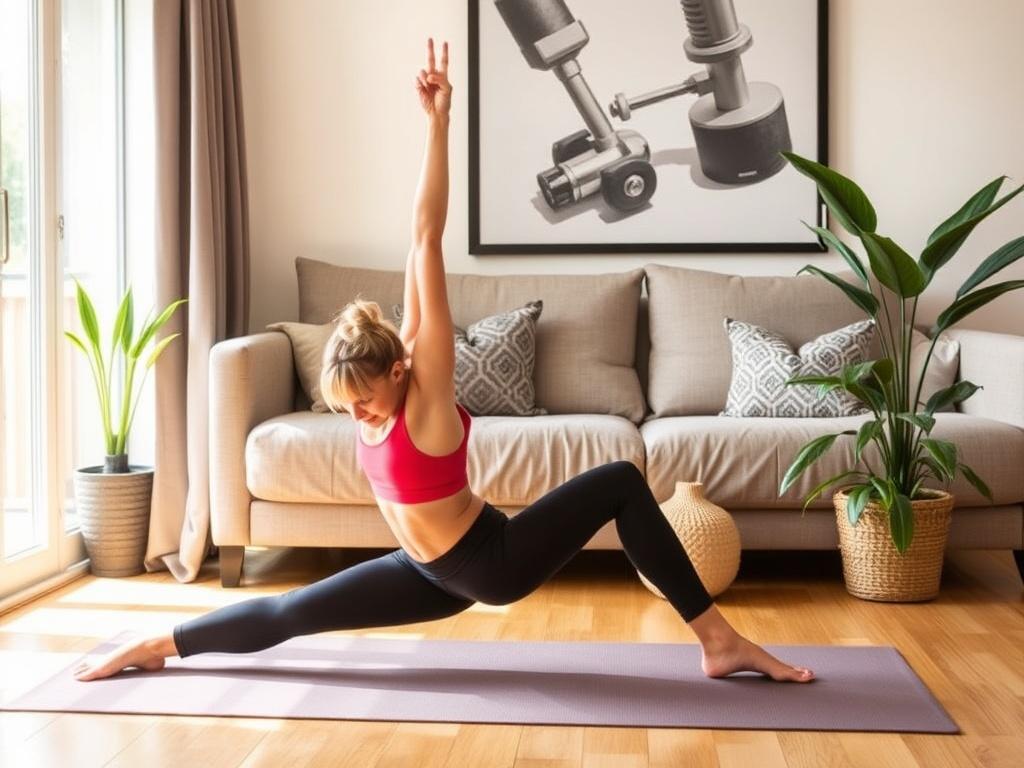
Pack a resistance band and a short program you can do in a hotel room. A 20-minute circuit keeps momentum without an entire setup.
When life gets intense, revert to maintenance mode: two shorter sessions per week prevent total backsliding and make resuming full training easier.
Final practical checklist to get started
- Clear 30–45 minutes in your calendar for three days per week.
- Designate a small training space and gather minimal equipment (band, mat).
- Start with the week 1–2 plan, log your sessions, and perform consistent warm-ups and cooldowns.
Starting simple, tracking progress, and staying patient are the cornerstones of any effective program for beginners training at home.
Words from experience
I’ve worked with people who began with zero confidence and no equipment and now run, lift, and feel stronger in everyday life. The common factor was a humble beginning and steady consistency.
If you’re nervous about where to begin, remember that the first few weeks count far more than a single intense workout. Keep moving, and the results will follow.
Use the structure here as your blueprint and adapt it to fit your schedule, limitations, and goals; with patience and steady effort, home training becomes a lifelong tool for health and strength.