Choosing a plant-based approach to training doesn’t change the drive, the early mornings, or the sting of lactic acid. It does change what you put on your plate, and often how carefully you plan meals and supplements. This guide walks through the science, the practicalities, and the everyday choices that help vegan athletes perform, recover, and thrive.
Why tailored nutrition matters for plant-based athletes
Performance is driven by energy availability, nutrient timing, and recovery—variables that can be met with plants, but that require attention. Certain nutrients are more concentrated or bioavailable in animal products, so vegans must identify reliable plant sources or supplements. Ignoring these differences doesn’t mean failing; it means missing opportunities for sustained progress.
Athletes also face unique demands: higher protein turnover, increased iron losses for endurance athletes, and the need for rapid glycogen restoration after sessions. When those needs aren’t met, performance, immunity, and mood suffer. Planning ahead reduces stress and lets training do the work.
Macro essentials: balancing protein, carbohydrates, and fats
Macronutrients are the foundation of any sports diet. Each plays a distinct role—protein repairs muscle, carbohydrates fuel sessions, and fats support long-term energy and hormone function. The art is finding the right mix for your sport, body, and training phase using plant-based foods.
Rather than chasing strict ratios, use targets as starting points and adjust by response. Strength athletes will prioritize higher protein intakes, while endurance athletes emphasize carbohydrates. Both groups benefit from sensible fats for recovery and cell health.
Protein: quality, timing, and practical sources
Protein quantity matters, but so does amino acid composition and timing. Plant proteins can be lower in some essential amino acids—most notably lysine—so variety and portion size count. Aim for complete proteins across the day or combine complementary sources in meals.
Good plant protein sources include lentils, chickpeas, tofu, tempeh, seitan, edamame, and a range of whole grains like quinoa and buckwheat. Concentrated sources such as pea, soy, or rice protein powders make hitting daily targets easier, especially around training. For many athletes, 1.6–2.2 grams of protein per kilogram of body weight per day is a reasonable starting range, adjusted by training load and goals.
Carbohydrates: fueling performance and recovery
Carbs are the primary fuel for high-intensity work. For athletes, the focus should be on timing and total intake: pre-workout carbs improve power, intra-workout carbs extend endurance, and post-workout carbs restore glycogen. Whole-food carbs such as oats, rice, potatoes, fruit, and starchy legumes pair well with proteins for recovery meals.
Endurance athletes may need 6–10 g/kg/day during heavy training, while strength athletes often require the lower end of that range. Simple carbs have their place immediately after long or intense sessions, where rapid glycogen replenishment matters. Balance these with fiber and micronutrient-rich choices the rest of the day.
Fats: energy, hormones, and essential fatty acids
Dietary fat supports brain function, hormone production, and the absorption of fat-soluble vitamins. Plant-based athletes should include sources of monounsaturated and polyunsaturated fats—avocados, nuts, seeds, and plant oils. These provide concentrated energy without taking up excessive volume in the stomach before workouts.
Pay special attention to omega-3 fatty acids, particularly EPA and DHA, which are important for inflammation control and recovery. While ALA from flaxseed, chia, and walnuts converts to EPA/DHA poorly, algae-based EPA/DHA supplements provide a direct, vegan-friendly option for athletes seeking optimal recovery and cognitive support.
Key micronutrients to monitor
Micronutrients influence energy metabolism, oxygen transport, bone health, and immune function. Some of these—vitamin B12, iron, calcium, zinc, iodine, and vitamin D—require special attention on a vegan diet. Track symptoms and bloodwork rather than guessing, and consult a healthcare professional for personalized guidance.
Routine lab checks, including ferritin, B12, 25(OH)D, and a basic metabolic panel, give a clearer picture than dietary recall alone. Supplementation or fortified foods will be necessary for many athletes, and timing those supplements around training and meals can affect absorption.
Vitamin B12: non-negotiable for vegans
B12 is synthesized by microbes and found primarily in animal products, so vegans need fortified foods or reliable supplements. Deficiency can lead to fatigue, cognitive issues, and nervous system damage—serious concerns for athletes who rely on fine motor control and consistent energy. Regular supplementation and periodic bloodwork are sensible precautions.
Maintenance doses vary; many vegans take daily methylcobalamin or cyanocobalamin supplements (commonly 25–100 mcg/day) or a weekly higher dose. Sublingual and oral forms are generally effective, and fortified plant milks, nutritional yeast, and breakfast cereals help increase intake.
Iron: optimizing absorption and timing
Plant iron (non-heme) is less readily absorbed than heme iron from animal sources, and endurance training can increase iron losses through sweat and hemolysis. Ferritin is a useful marker for iron stores, and symptoms of low iron include decreased endurance, increased fatigue, and poor recovery. Female athletes and heavy trainers should monitor ferritin closely.
Combine iron-rich plant foods—lentils, tofu, pumpkin seeds, and cooked spinach—with vitamin C sources to boost absorption. Avoid drinking tea or coffee at meals, since tannins can inhibit non-heme iron uptake. If ferritin is low, a medical professional may recommend iron supplements with monitoring to avoid iron overload.
Calcium and vitamin D: supporting bones and performance
Bone health is crucial across an athletic career, especially in impact sports and heavy training phases. Calcium is present in many plant foods—fortified plant milks, tofu set with calcium sulfate, leafy greens, and almonds—but total intake can be low when dairy is removed. Track intake and consider fortified options to meet needs.
Vitamin D influences calcium metabolism and muscle function; deficiency is common in temperate climates or for athletes training indoors. A 25(OH)D blood test guides supplementation, and many athletes require 1,000–4,000 IU/day depending on baseline levels, season, and sun exposure. Vegan vitamin D3 options from lichen are available.
Zinc, iodine, and other trace elements
Zinc supports immune function and recovery; plant sources include legumes, nuts, seeds, and whole grains. Phytates in some plant foods can inhibit zinc absorption, so soaking, sprouting, and fermenting can improve bioavailability. If you notice prolonged wounds, recurrent infections, or poor recovery, check zinc status.
Iodine is needed for thyroid function. Seaweeds like nori or wakame provide iodine, but intake varies widely; a small supplement may be the safer route for consistent dosing. Multivitamins designed for vegans can help cover these trace elements without excess.
Supplement strategy: what helps, when to use it

Supplements are tools, not shortcuts. They can fill gaps, support recovery, and improve convenience—especially during heavy training blocks or competition phases. Choosing evidence-based supplements and dosing them sensibly minimizes waste and maximizes benefit.
Start with basic, high-impact items: vitamin B12, a reliable protein powder if whole-food protein is insufficient, vitamin D if deficient, and omega-3 from algae if EPA/DHA intake is low. Consider sport-specific ergogenic aids as needed, guided by results and medical advice.
Protein powders and blends
Plant-based protein powders make it easier to hit daily protein targets and are convenient around training. Pea, soy, and blended plant proteins (e.g., rice + pea) provide balanced amino acid profiles and digest well for many people. Taste and texture vary, so try samples before buying large containers.
Use protein shakes for post-workout recovery, early mornings, or travel days when whole-food options are limited. A typical recovery serving contains 20–30 grams of protein; adjust based on body weight and training intensity.
Creatine, beta-alanine, and caffeine
Creatine monohydrate is one of the most studied supplements for strength and power and is fully compatible with a vegan diet. Vegan athletes often start with a 3–5 g/day maintenance dose after an optional loading phase. It increases work capacity and supports muscle mass gains when paired with resistance training.
Beta-alanine can help buffer acidity during high-intensity efforts and may be useful for activities that involve repeated sprints. Caffeine enhances focus and power for many athletes but should be trialed in training before races. Pay attention to timing and personal sensitivity to avoid sleep disruption.
Other useful supplements
Branched-chain amino acids (BCAAs) are popular, but whole-protein sources typically provide equal or greater benefit for recovery unless protein intake is low. A vegan multivitamin can cover minor gaps but shouldn’t replace targeted supplements like B12. Probiotics and magnesium play roles in digestion and sleep; consider them if you have specific issues.
Always prioritize third-party tested products for athletes to avoid contamination with banned substances. Certification programs like NSF Certified for Sport or Informed-Sport offer added peace of mind for competitive athletes. When in doubt, consult your sports dietitian or physician.
| Supplement | Primary benefit | Typical dose | Vegan-friendly options |
|---|---|---|---|
| Vitamin B12 | Prevents deficiency, supports energy and nerves | 25–100 mcg/day or 1,000–2,000 mcg weekly | Fortified foods, methylcobalamin supplements |
| Creatine monohydrate | Improves strength and power | 3–5 g/day | Pure creatine powder (vegan) |
| Algal EPA/DHA | Supports inflammation control and recovery | 200–500 mg EPA+DHA/day | Algae-derived omega-3 capsules |
| Vitamin D (D3 from lichen) | Bone health; muscle function | 1,000–4,000 IU/day depending on levels | Lichen-derived D3 supplements |
Meal timing and practical strategies around training
When you eat matters almost as much as what you eat, especially around workouts. Pre-workout meals supply glycogen and prevent early fatigue, while post-workout nutrition accelerates recovery. Make the plan practical and consistent so it becomes habit, not another experiment.
A typical pre-workout meal 2–3 hours before training might include a moderate amount of carbohydrate with some protein and low fiber to minimize GI distress. For early-morning workouts, a small snack like a banana with nut butter or a rice cake with jam can work as a quick fuel source.
Pre-workout ideas
Choose easily digestible carbohydrates with a little protein for longer sessions. Examples include oatmeal with banana and a scoop of protein, toast with hummus and sliced tomato, or a smoothie with fruit and pea protein. Adjust portions based on duration and intensity.
Hydration is integral to performance. Drink water throughout the day and consider 300–500 ml in the hour before exercise if you’re well hydrated. For sessions longer than 90 minutes, add electrolytes or a sports drink to maintain sodium balance.
Post-workout recovery meals
Within 30–60 minutes after training, prioritize a mix of carbohydrates and protein to jump-start glycogen resynthesis and muscle repair. A bowl of rice with tofu and steamed vegetables, a smoothie with protein and fruit, or a whole-grain wrap with tempeh are practical post-workout options. Include anti-inflammatory foods like berries and leafy greens when possible.
For strength-focused sessions, higher protein and moderate carbs help maximize adaptation. For long endurance sessions, increase carbohydrate proportion to replenish depleted glycogen. Real food works well; use powders when speed or convenience is necessary.
Sample daily meal plan for a training day
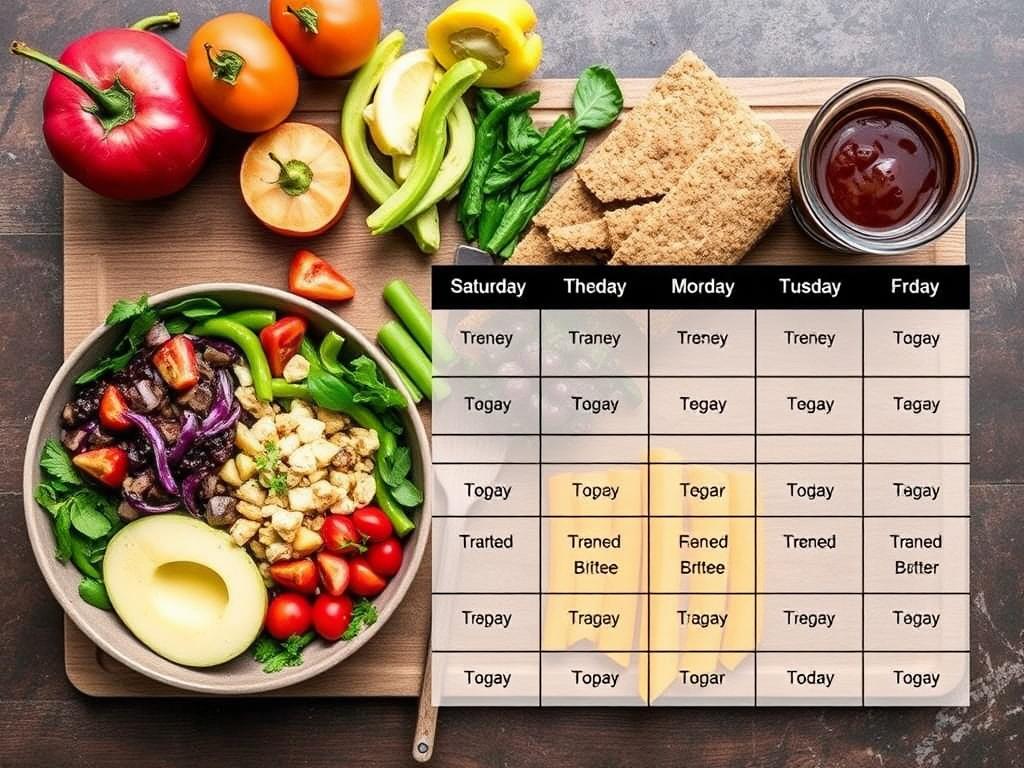
The following sample shows how to distribute macros and include nutrient-dense choices without relying on animal products. Use portion sizes and timing as a template, then personalize by appetite and training demands.
- Breakfast: Oat porridge with almond milk, chia seeds, banana, and a scoop of pea protein.
- Mid-morning snack: Whole-grain toast with almond butter and sliced apple.
- Pre-workout (if training mid-day): Rice cake with jam or a small smoothie.
- Post-workout lunch: Quinoa bowl with roasted chickpeas, avocado, mixed greens, and tahini dressing.
- Afternoon snack: Hummus with carrot sticks and a handful of mixed nuts.
- Dinner: Stir-fried tofu with buckwheat noodles, bok choy, and sesame seeds.
- Before bed (optional): Soy yogurt with berries and a sprinkle of ground flaxseed.
Shopping, meal prep, and label reading
Practical habits make longevity manageable. Plan two or three core meals for the week, batch cook a grain and a legume each Sunday, and build meals from those templates. This lowers decision fatigue and keeps nutrients consistent across training blocks.
When reading labels, look for fortified items (B12, vitamin D, calcium), the protein content per serving, and ingredient simplicity. Avoid processed foods that advertise plant-based but are high in sodium and empty calories; prioritize whole ingredients when possible.
Smart pantry staples
Stock a pantry with canned or dried beans, lentils, oats, brown rice, quinoa, nut butters, tahini, seeds, and shelf-stable plant milks. Keep frozen fruits and vegetables for smoothies and emergencies, and have at least one reliable protein powder on hand for travel or after late workouts.
Simple tools—an instant pot, a quality skillet, and airtight containers—reduce friction. Pre-portion snacks and lunches for the week so you never face a post-session decision without fuel on hand.
Common pitfalls and how to avoid them
Even well-intentioned athletes make predictable mistakes: under-eating, neglecting micronutrients, relying on low-protein meals, and skipping testing. The result is stalled progress and avoidable setbacks. Awareness and modest course corrections prevent small errors from becoming chronic problems.
Another common issue is over-reliance on processed vegan convenience foods, which can meet calories but not micronutrients. These items are useful occasionally, but not as the foundation of a performance-focused diet.
Under-fueling and over-restricting
Calories are a performance variable. Reducing calories too aggressively in the name of leanness compromises recovery, immune function, and long-term gains. Athletes should aim for sustainable deficits under professional guidance when weight changes are desired. Prioritize energy availability above an aesthetic ideal.
If appetite struggles follow intense training, spread small, energy-dense meals and snacks across the day. Smoothies, nut butters, and cooked grains are easier to consume than large salads when calories are needed.
Ignoring individual variability
What works for one athlete may not work for another. Factors such as gut tolerance, food preferences, digestive speed, and training schedule all change the ideal plan. Experiment with timing, compositions, and supplements during training so race day feels familiar and manageable.
Consult a registered dietitian who specializes in sports nutrition for tailored planning, especially if you have medical conditions or complex training cycles. Data—subjective and objective—guides smarter choices than rules of thumb alone.
Real-life examples and author experience
I transitioned to a plant-based diet while training for a half marathon and learned to reorganize my food planning around workouts. Initially I underestimated iron needs and felt unusually lethargic during long runs. Once I started tracking ferritin and focusing on vitamin C with iron-rich meals, pace and recovery improved noticeably.
Another case is a collegiate rower I worked with who relied heavily on processed vegan foods and a single plant protein shake daily. After introducing whole-food lunches, fortified milk alternatives, and a creatine protocol, her strength tests improved and she reported steadier energy through long days of practice. Small, targeted changes made the difference.
Practical recipes and snack ideas for training days
Recipes don’t need to be complicated to support performance. Focus on nutrient density, palatability, and speed. The following ideas are easy to prepare, portable, and balanced for an athlete’s needs.
- Protein-packed smoothie: frozen berries, spinach, banana, oat milk, pea protein, and ground flaxseed.
- Quick power bowl: cooked brown rice, black beans, roasted sweet potato, avocado, and pumpkin seeds with lime dressing.
- Overnight oats: oats, soy yogurt, chia seeds, cinnamon, and chopped nuts for added protein.
- Tofu scramble wrap: crumbled tofu, turmeric, sautéed peppers, and whole-grain wrap for an on-the-go breakfast.
- Snack jars: plain soy yogurt layered with granola, mixed seeds, and fruit for travel-friendly recovery.
Sample weekly plan for a mixed training program
Below is a compact sample week that balances strength and endurance with thoughtful fueling. Use it as a starting template and shift calories or macros to match your specific workload and goals.
| Day | Morning | Afternoon/Evening | Notes |
|---|---|---|---|
| Monday | Easy run; light breakfast with oats + protein | Strength session; quinoa + tempeh + veg | Moderate carbs; focus on protein after lifting |
| Tuesday | Interval track session; banana + toast pre-workout | Recovery walk; big salad with chickpeas and seeds | Higher carbs around intervals; hydrate |
| Wednesday | Rest or mobility; tofu scramble | Light cross-training; grain bowl | Focus on sleep and vitamin D if low |
| Thursday | Tempo run; pre-workout rice cake | Strength; rice + black beans + avocado | Include creatine on lifting days if using |
| Friday | Easy spin; smoothie | Technical drills; lentil pasta | Refuel carbs after longer sessions |
| Saturday | Long run or endurance session; pre-ride fuel | Recovery meal; large carb-focused dinner | Increase carbs and electrolytes for long efforts |
| Sunday | Active recovery; pancakes with nut butter | Short strength or rest; nutrient-dense dinner | Plan meals for upcoming week |
Tracking progress and adjusting the plan
Monitor performance markers—training intensity, recovery score, sleep quality, and subjective energy—to judge if your nutrition supports your goals. Bloodwork every three to six months helps catch deficiencies early. Use a food log for two weeks if you suspect nutrient shortfalls and share it with a dietitian for actionable feedback.
Adjust calories if you see unintentional weight loss, poor recovery, or declining performance. Increase carbs for endurance-focused phases and protein for hypertrophy blocks. Small, data-driven adjustments beat broad, unsustainable diet shifts.
Competition day: putting it all together
Race-day nutrition is about reducing variables. Use familiar foods that you know tolerate well and plan timing so digestion is predictable. The last large meal should be 2–4 hours before the event, containing mostly carbohydrates and some lean plant protein.
For events longer than 90 minutes, practice fueling strategies in training—energy gels, sports drinks, or small sandwiches—to find what your gut accepts. Hydration and electrolyte balance on race day are as important as calories, especially in hot conditions.
Final practical steps to get started
Begin with a baseline: track your current diet for a week, get targeted bloodwork, and set simple goals like increasing protein or adding a B12 supplement. Build consistent habits—batch cooking grains and legumes, carrying snacks, and scheduling meals around training. These small actions compound quickly into better performance and recovery.
If you’re unsure where to start, a single consultation with a registered sports dietitian can provide a plan tailored to your sport and lifestyle. From there, iterate based on results, not guesswork, and let the training dictate the nutrition changes you need to make.
Putting knowledge into practice
Adapting to a plant-powered sports diet is a continuous process of learning and adjustment. Emphasize nutrient-dense foods, sensible supplementation where needed, and practical routines that fit your life. With thoughtful planning and consistent execution, vegan athletes can meet or exceed their performance goals while aligning food choices with personal ethics.
Start small, measure outcomes, and be patient—progress in sport rarely happens overnight. Let your food support the work you put into training, and use this guide as a roadmap rather than a rigid rulebook. The path is plant-based, but the results are universally athletic.