The relationship between what you put in your shaker and how your liver responds is rarely straightforward. Athletes and recreational lifters often assume supplements are harmless because they’re sold over the counter, but the liver is the organ that does most of the heavy lifting when it comes to metabolizing those compounds. This article walks through the biology, the real risks, and sensible steps to protect liver health while still supporting performance goals.
How the liver processes supplements and why it matters
The liver is the body’s chemical factory: it metabolizes nutrients, breaks down drugs and clears toxins through enzyme systems in hepatocytes. Many supplements are absorbed in the gut and go through “first-pass” metabolism in the liver, where enzymes can activate, detoxify, or create reactive intermediates from the original compound.
Cytochrome P450 enzymes play a central role in these transformations, and some ingredients can induce or inhibit these enzymes, changing how quickly other compounds are cleared. Those interactions can raise concentrations of drugs or supplements to harmful levels, or create metabolites that injure liver cells directly.
Two broad patterns of liver injury occur from supplements: dose-dependent toxicity, when large or chronic doses overwhelm pathways, and idiosyncratic reactions, which are unpredictable immune- or metabolism-driven responses that can happen even at modest doses. Understanding both makes it easier to weigh risks and recognize early warning signs.
Common categories of sport supplements and their relative liver risk
Not all sports nutrition products carry the same risk. Protein powders, creatine, and standard multivitamins generally have a low hepatotoxicity profile in healthy people, while certain herbal extracts, high-dose vitamins, anabolic agents, and some pre-workout additives have documented associations with liver injury.
Risk also depends on product quality, dosing, stacking multiple compounds, underlying liver disease, and interactions with prescription medications. Below is a compact table comparing common supplements and typical liver-related concerns to help prioritize caution.
| Supplement | Typical use | Liver risk | Notes |
|---|---|---|---|
| Whey protein | Muscle building | Low in healthy users | Contamination risk if poor quality |
| Creatine | Strength/power | Low in healthy users | Long-term studies show safety in recommended doses |
| Green tea extract (EGCG) | Fat loss, antioxidant | Documented hepatotoxicity cases | Risk increases with high doses and fasting |
| Niacin (high dose) | Lipid control, flushing | Can cause dose-dependent liver injury | Therapeutic doses require monitoring |
| Anabolic steroids / prohormones | Mass gain | High risk of cholestatic and hepatocellular injury | Often cause marked enzyme elevations |
| Kava, comfrey, black cohosh | Herbal relaxation, recovery | Linked to idiosyncratic liver injury | Avoid in people with liver disease |
| SARMs | Muscle building (research chemicals) | Reports of liver enzyme elevation | Often unregulated and risky |
The table is a simplified snapshot—individual responses vary and new evidence can change how we view specific ingredients. Use it as a starting point, not a definitive safety guide.
Protein powders: common concerns and practical realities
Protein supplements are among the most widely used products in sports nutrition, and they are generally safe for healthy adults when taken in reasonable amounts. Clinical and field data have not shown direct liver damage from normal protein intakes or typical supplemental use, even at higher ranges used by strength athletes.
Two practical issues matter more than protein itself: total protein load relative to kidney function, and product purity. Low-quality powders can be contaminated with heavy metals, undeclared drugs, or microbial toxins that may strain the liver or cause other harms.
Choosing third-party tested brands and balancing protein intake with whole foods reduces risk while preserving the convenience and anabolic benefits of supplementation. If you have chronic liver disease or unexplained enzyme elevations, discuss protein targets with your clinician.
Creatine: longevity of evidence and liver safety
Creatine monohydrate is one of the most researched supplements in sport and demonstrates clear benefits for strength, power, and short-term performance. Across decades of studies, creatine has not been shown to cause liver damage in healthy subjects at recommended doses.
Concerns occasionally arise from anecdotal reports or case studies where users had pre-existing conditions or were using multiple substances. Creatine’s metabolic pathway does not typically produce hepatotoxic intermediates, but prudence is warranted if you have liver disease or are taking hepatically metabolized medications.
Anabolic agents, prohormones and steroids: clear danger signs
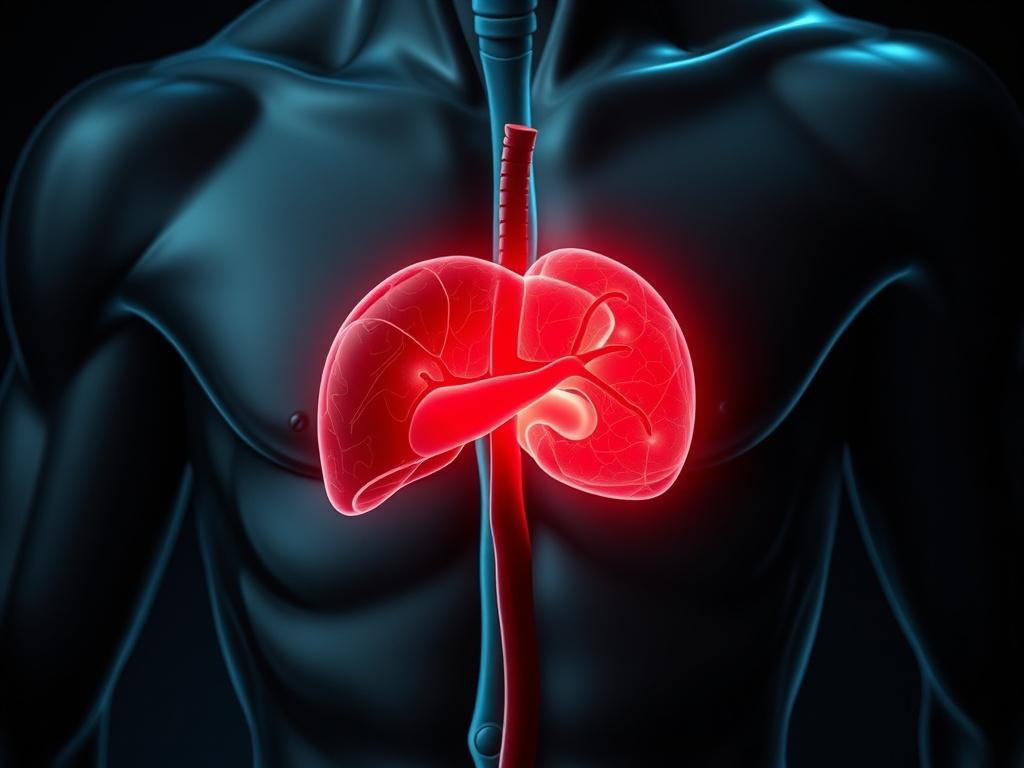
Anabolic-androgenic steroids and many over-the-counter prohormones carry a well-documented risk of liver injury, particularly when taken orally. Cases include cholestasis, hepatic tumors, and significant elevations in liver enzymes that sometimes require stopping the substance and medical treatment.
Beyond hepatotoxicity, these agents have far-reaching systemic effects—on lipids, cardiovascular health, endocrine function, and mood—that compound long-term risks. For athletes considering any anabolic agent, the safest recommendation is to avoid unprescribed hormones entirely and prioritize legal, evidence-based nutrition and training strategies.
Herbal extracts and concentrated botanicals: unpredictable risks
Botanical supplements are attractive because they promise “natural” benefits, but many herbs have produced cases of liver injury. Kava, black cohosh, and comfrey are notable examples where idiosyncratic hepatotoxicity has been documented in humans.
The problem with herbs is variability: plant chemistry depends on species, growing conditions, and extraction methods. The same name on a label can represent very different chemical profiles, making risk assessment difficult for consumers and clinicians alike.
Green tea extract and high-dose antioxidants
Green tea in beverage form is generally safe and may be beneficial in moderation, but concentrated green tea extract—which contains high levels of epigallocatechin gallate (EGCG)—has been linked to cases of acute hepatitis. The risk seems to climb with higher doses, fasting, and concurrent hepatically active substances.
Antioxidants like high-dose vitamin A and niacin also carry potential liver toxicity at pharmacologic doses. For fat-loss supplements or aggressive antioxidant stacks, favor lower doses and avoid combining multiple agents that burden the liver.
Pre-workouts and stimulant additives
Pre-workout supplements often combine caffeine with less-studied stimulants such as DMAA, DMHA, or novel amphetamine-like compounds. While caffeine itself has a wide safety margin, stimulant contaminants or high total stimulant load can cause systemic stress that indirectly affects the liver.
Some pre-workout formulas have been recalled due to adulteration with designer stimulants or undeclared substances that may carry hepatotoxic risk. Stick to transparent formulations from reputable manufacturers and avoid products with yellow-flag ingredients or proprietary blends that hide dosages.
SARMs and research chemicals: a cautionary tale
Selective androgen receptor modulators (SARMs) have been promoted in certain circles as a legal alternative to steroids, but they are often sold as unregulated research chemicals and have been associated with elevated liver enzymes in some users. Lack of regulation increases the chance of impurities or mislabeled products.
Because SARMs are relatively new and long-term safety data are sparse, treating them as potentially hepatotoxic—and avoiding non-prescribed use—is a prudent stance. If someone has already used SARMs and notices symptoms or lab abnormalities, prompt medical evaluation is important.
Recognizing signs of liver injury: what to watch for
Liver injury can present in subtle ways before becoming severe. Common signs include unexplained fatigue, loss of appetite, nausea, abdominal discomfort in the upper right quadrant, and dark urine. Jaundice—yellowing of the skin and eyes—is a more specific but later sign that requires immediate attention.
Other indicators can be easy to dismiss: persistent itching, unusual bruising or bleeding, pale stools, and worsening mental fog. If any of these symptoms appear after starting a new supplement or increasing doses, stop the product and consult a healthcare professional promptly.
- Fatigue and weakness
- Loss of appetite and nausea
- Upper right abdominal pain or discomfort
- Dark urine or pale stools
- Yellowing of skin or eyes (jaundice)
- Pruritus (itching) and easy bruising
Early recognition and stopping the offending agent often lead to recovery, but delayed response can result in more significant liver damage or hospitalization. Err on the side of caution if symptoms begin after supplement changes.
Laboratory monitoring and what tests reveal
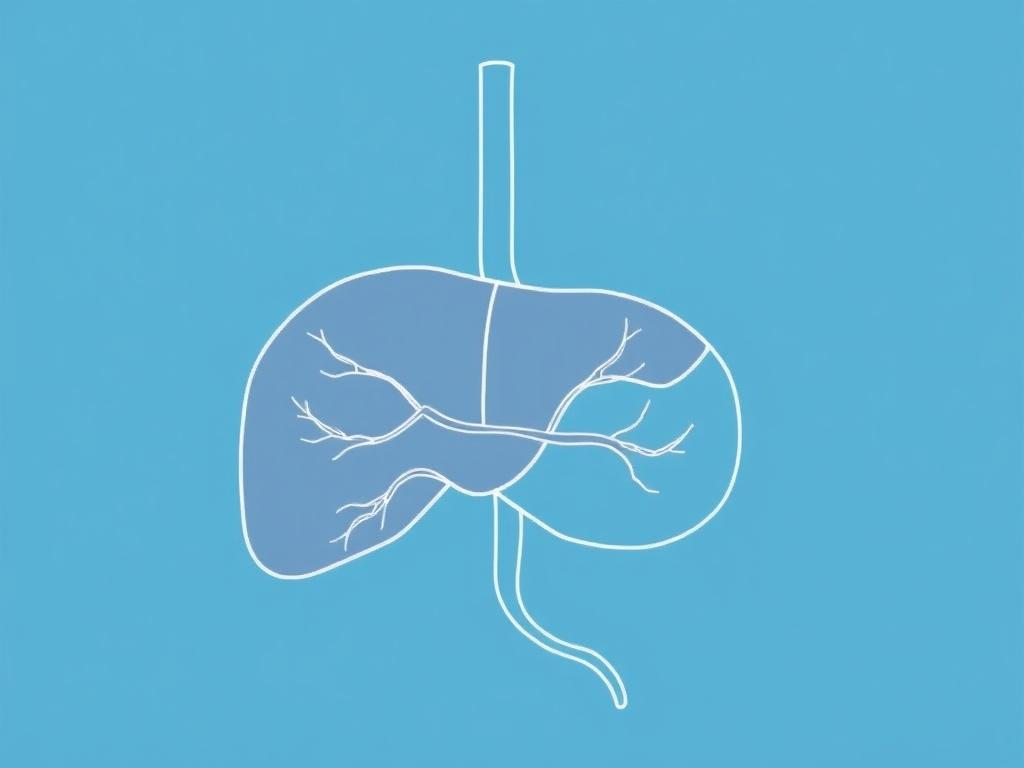
When liver injury is suspected or when high-risk supplements are used chronically, clinicians check liver function tests: alanine aminotransferase (ALT), aspartate aminotransferase (AST), alkaline phosphatase (ALP), gamma-glutamyl transferase (GGT), and bilirubin. Patterns of elevations help differentiate hepatocellular injury from cholestatic injury.
Isolated mild enzyme increases can be transient, but persistent or high-level elevations, especially when paired with symptoms, warrant stopping the supplement and further evaluation. Your provider may also order imaging, viral hepatitis screens, autoimmune markers, or a medication review to identify other causes.
For athletes on long-term, high-dose, or potentially hepatotoxic compounds, periodic baseline testing and follow-up labs create a safety net. Discuss frequency with your clinician; a common approach is baseline plus a reassessment after 4–12 weeks of chronic use, depending on the risk profile.
Drug–supplement interactions and cytochrome P450 concerns
Supplements can alter the activity of cytochrome P450 enzymes, leading to clinically important drug–supplement interactions. For example, some herbal extracts inhibit CYP enzymes, slowing the clearance of prescription drugs and increasing toxicity risk, while others induce enzymes and reduce drug efficacy.
Athletes prescribed medications—antidepressants, statins, anticoagulants, antiepileptics, or immunosuppressants, for example—should consult a clinician or pharmacist before adding supplements. Even seemingly benign products can change the pharmacokinetics of critical medications in unpredictable ways.
Quality control, adulteration, and labeling pitfalls
Supplement regulation is less stringent than pharmaceuticals in many countries, which opens the door to variability in potency, contamination, and adulteration with undeclared drugs. Illegal additions like anabolic steroids, stimulants, or prescription substances have been found in some products marketed for bodybuilding or weight loss.
Third-party certification programs such as NSF Certified for Sport, Informed Sport/Choice, and USP offer added assurance because they test for banned substances and confirm label claims. While certification doesn’t guarantee zero risk, it substantially reduces the odds of contamination and mislabeling.
Practical strategies to reduce liver risk while using supplements
Risk mitigation starts with product selection: choose reputable brands, prefer third-party-tested products, and avoid soft claims or proprietary blends that hide ingredient amounts. Transparency matters when it comes to purity and dosing.
- Limit the number of concurrent supplements and avoid unnecessary stacking.
- Use recommended doses rather than “more is better” approaches.
- Avoid products with known hepatotoxins (oral anabolic agents, high-dose niacin, certain herbal extracts).
- Schedule baseline liver tests if planning extended use of higher-risk compounds.
- Monitor for symptoms and re-check labs if anything changes.
Additionally, spacing supplements from alcohol use and communicating openly with your healthcare provider about all substances you take—herbs, over-the-counter drugs, and prescriptions—will reduce surprises and interactions.
Alcohol, body composition, and nonalcoholic fatty liver disease in athletes
Alcohol is a well-known hepatotoxin, and combining heavy drinking with supplements that stress the liver multiplies risk. Even moderate alcohol use can complicate interpretation of liver tests and impede recovery from a supplement-related injury.
Another underappreciated issue is nonalcoholic fatty liver disease (NAFLD), which can occur in athletes as well as sedentary individuals—especially in those with obesity, insulin resistance, or high sugar intakes. A fatty liver is more vulnerable to added insults from drugs or supplements, so metabolic health matters for supplement safety.
Nutrition, recovery, and liver-supporting practices
General nutrition and recovery strategies support liver resilience. A balanced diet with adequate protein, fiber, and antioxidants from whole foods, regular physical activity, and maintaining healthy body weight reduce oxidative stress and metabolic strain on the liver.
Sleep, stress management, and avoiding unnecessary medications also help. Think of supplements as targeted tools, not substitutes for foundational habits that actually improve both performance and long-term organ health.
Real-life examples and author experience
As a writer who has worked with athletes and coached gym-goers, I’ve seen a few cases where enthusiasm outpaced caution. One competitive amateur I knew increased his stack before a contest, including a concentrated green tea extract and an unregulated “thermogenic.” After two weeks he developed nausea and increasing fatigue; labs showed elevated ALT and AST. Stopping the supplements and brief medical care led to normalization, but the scare was eye-opening.
In another case, a friend bought an inexpensive bulk protein from an unscrupulous seller. The product caused gastrointestinal upset and possibly contributed to mild liver enzyme changes; switching to a trusted, tested brand resolved the issues. These stories underline that both ingredient choice and product quality matter substantially.
When to seek medical attention and what to expect
If you develop jaundice, severe abdominal pain, persistent vomiting, confusion, or marked weakness after starting a supplement, seek urgent medical care. For milder symptoms like fatigue, nausea, or dark urine without severe signs, contact your primary care clinician and stop the suspect supplement until cleared.
Your clinician will review your history, medications and supplements, perform a physical exam, and order liver labs. Imaging or specialist referral may follow if tests suggest significant injury. Be prepared to provide exact product names, doses, and duration of use—this information is critical for diagnosis and for reporting adverse events to regulators.
Choosing safer supplements: evidence-based options
For athletes who want benefit with minimal hepatic risk, some options stand out for safety and evidence. Whey or plant protein powders, creatine monohydrate, omega-3 fatty acids, and vitamin D—taken within recommended dosages—have a strong evidence base and low hepatotoxicity in healthy users.
Caffeine can be useful for performance when used judiciously, but avoid excessive daily doses and be careful with stimulant blends. When using supplements for weight loss or aggressive fat cutting, prioritize behavioral interventions and only consider short-term, clinician-supervised adjuncts if necessary.
Regulatory reporting and protecting other consumers
If you suspect a supplement caused liver injury, report it to your healthcare provider and the appropriate regulatory agency in your country—such as the FDA’s MedWatch in the United States. Reporting helps authorities detect contaminated products and issue warnings or recalls, protecting others from similar harm.
Keep the product container and any receipts, and inform your athletic organization if you compete under anti-doping rules; some harmful additives may also be banned substances that jeopardize competition eligibility.
Balancing performance goals with long-term health
Maximizing athletic performance is a multi-decade pursuit for many people, not a short sprint. Taking a pragmatic, evidence-based approach to supplementation minimizes unnecessary risk and preserves long-term organ function. That means prioritizing well-studied supplements, limiting exposure to risky agents, and integrating periodic medical oversight.
Remember that small short-term gains from risky compounds are rarely worth the potential for lasting liver damage, lost training time, or medical complications. Performance that lasts is built on consistent, safe choices rather than one-off experiments with unproven substances.
Protecting your liver while using supplements is not about fear—it’s about respect for a crucial organ and making informed choices. By selecting quality products, avoiding known hepatotoxins, monitoring symptoms and labs, and keeping healthcare professionals in the loop, you can support both athletic goals and long-term health without unnecessary risk.