

Losing weight fast often sounds urgent and dramatic, but speed without safety is a gamble. In this article I’ll walk through practical, evidence-based strategies so you can pursue weight loss that’s both effective and kind to your body. I’ll also address common traps and share real-world examples that show how modest changes add up.
Understanding what “fast” and “safe” really mean
The phrase Как быстро похудеть без вреда для здоровья captures a common desire: to change the scale without sacrificing long-term wellbeing. The key is balancing reasonable timelines with physiological limits—your body has to adjust to fewer calories, altered movement patterns, and shifts in hormones and appetite.
Clinically recommended rates of weight loss are usually around 0.5–1 kilogram (about 1–2 pounds) per week. Faster loss is possible but often involves muscle loss, nutrient deficiencies, or unsustainable practices that lead to rebound weight gain.
Think of weight loss as a renovation, not demolition. When you make gradual, deliberate changes, you preserve muscle, maintain metabolic function, and build habits that last beyond the short term.
Set realistic goals and timelines
Before changing your diet or exercise program, decide what you want to achieve and why. Specific motivations—fitting into a garment, improving energy, or preparing for an event—help you design targeted steps instead of chasing vague outcomes.
A useful starting goal is to aim for 5–10% body weight loss over several months. This degree of change delivers meaningful health benefits, like improved blood pressure and blood sugar control, without extreme measures.
Break large goals into weekly or monthly targets and focus on process measures—how many meals you prepare, how many workouts you complete—rather than obsessing over the daily number on the scale.
Calories: the practical foundation
All else equal, weight loss requires a calorie deficit—expending more energy than you take in. That equation doesn’t mean you must starve; it means adjusting intake and output in ways that fit your life and preserve health.
To create a safe deficit, subtract 300–700 calories per day from your maintenance level. This typically yields the recommended 1–2 pounds per week for many people, though individual needs vary based on age, sex, body composition, and activity level.
Use a reliable calorie calculator to estimate your maintenance needs, then choose a deficit that feels sustainable. Avoid extreme cuts below 1,200 calories per day for women or 1,500 for men unless supervised by a healthcare professional.
Prioritize protein to protect muscle
When you lose weight, you want fat to come off while preserving lean mass. Eating adequate protein supports muscle maintenance, satiety, and recovery from exercise. It also slightly increases calorie burn through the thermic effect of food.
A practical protein target is 1.2–2.0 grams per kilogram of body weight per day, leaning to the higher end if you’re exercising intensely or already carrying less muscle. Spread protein across meals and snacks to keep hunger in check.
Choose a variety of sources—lean meats, fish, eggs, dairy, legumes, tofu, and tempeh. If appetite is low during a calorie deficit, protein-rich smoothies or Greek yogurt can help reach targets without overly large portions.
Quality of food matters—nutrients and satiety
Calorie counting is useful, but food quality guides how you feel and function while losing weight. Whole foods—vegetables, fruits, whole grains, lean proteins, legumes, nuts, and seeds—deliver fiber, vitamins, and minerals that support health and fullness.
Fiber slows digestion and increases satiety, making it easier to maintain a calorie deficit. Aim for at least 25–35 grams of fiber daily, prioritizing vegetables, whole fruits, beans, and intact grains over processed fiber-fortified products.
Healthy fats from olive oil, nuts, seeds, and fatty fish provide satisfaction and essential fatty acids. Include them in portions that fit your calorie target rather than avoiding fats completely, which often backfires.
Designing meals and a sample day
Simple meal frameworks reduce decision fatigue and keep you on track. A reliable plate might include a palm-sized portion of protein, a fist or two of vegetables, a cupped handful of whole grains or starchy vegetables, and a thumb-sized portion of healthy fats.
Below is a sample day that balances protein, fiber, and reasonable calories for many adults aiming to lose weight. Adjust portion sizes to meet your individualized calorie target.
| Meal | Example | Estimated calories |
|---|---|---|
| Breakfast | Greek yogurt with berries and a sprinkling of nuts | 300–350 |
| Lunch | Grilled chicken salad with mixed greens, quinoa, and olive oil | 450–550 |
| Snack | Apple and a tablespoon of peanut butter | 150–200 |
| Dinner | Salmon, roasted vegetables, and a small baked potato | 500–600 |
| Total | 1,400–1,700 |
This is only an illustrative example. Tailor food choices to your tastes, cultural preferences, budget, and any medical needs to make the plan sustainable.
Exercise: strength first, cardio second
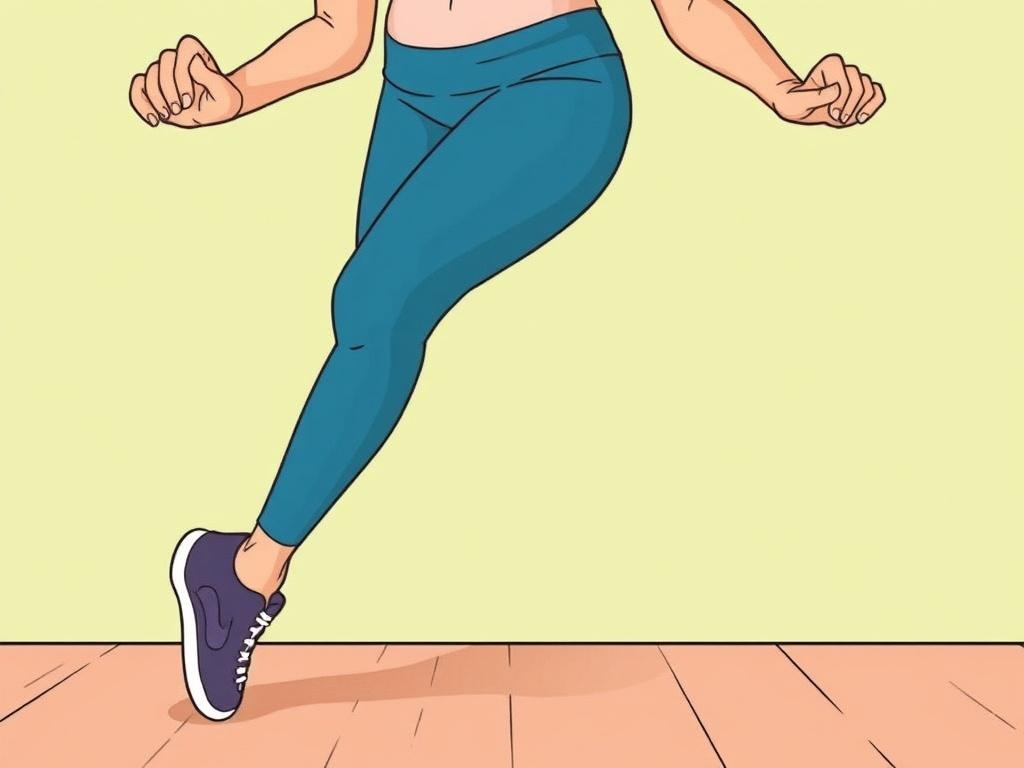
Exercise is not the main driver of weight loss for most people, but it transforms how weight is lost and how you feel in the process. Resistance training preserves and builds muscle, improving strength and metabolic health during a calorie deficit.
Aim for at least two to three full-body resistance sessions per week, focusing on compound movements like squats, lunges, presses, and rows. These exercises give the biggest return on time invested and support functional strength.
Cardio—both moderate and high intensity—helps increase calorie burn and cardiovascular fitness. Include 150–300 minutes of moderate activity spread across the week, and consider shorter high-intensity intervals if you prefer time-efficient workouts.
Non-exercise activity thermogenesis (NEAT)
NEAT includes all the calories burned during everyday activities: walking between meetings, fidgeting, household chores, and standing. Small increases in NEAT can add hundreds of calories burned each day without structured exercise.
Simple strategies to boost NEAT include taking the stairs, parking farther away, using a standing desk, and taking short walking breaks every hour. Tracking steps with a phone or wearable can motivate steady increases.
These changes are low-risk and easy to incorporate, yet they compound quickly, especially when combined with diet and structured exercise.
Sleep and stress: hidden drivers of appetite and choice
Poor sleep and high stress sabotage weight loss by increasing hunger hormones, impairing decision-making, and promoting cravings for calorie-dense foods. They also reduce energy for exercise and recovery.
Prioritize 7–9 hours of sleep per night and establish consistent sleep-wake times. Create a calming pre-sleep routine, reduce evening screen exposure, and make the bedroom cool and dark.
Manage stress with actionable tools: short walks, breathing exercises, scheduling enjoyable activities, or talking with friends. If stress or mood issues are persistent, seek professional support—mental health matters to metabolic health.
Hydration, alcohol, and mindful consumption
Drinking water regularly supports metabolism, digestion, and satiety. Sometimes thirst masquerades as hunger; a full glass before a meal can reduce overeating. Aim to sip water throughout the day rather than gulping large amounts only occasionally.
Alcohol provides empty calories and lowers inhibitions, often leading to overeating and poor food choices. If you drink, limit intake and plan for those calories within your weekly target rather than treating alcohol as negligible.
Practice mindful eating: slow down, notice textures and flavors, and check in with your hunger level before and after meals. This simple habit reduces automatic overeating and increases satisfaction.
Intermittent fasting and meal timing—options, not requirements
Intermittent fasting (IF) can help some people reduce calories without constant calorie counting by limiting the eating window. Common patterns include 16:8 (16 hours fasting, 8 hours eating) or alternate-day fasting.
IF is a tool, not a universal solution. It works for people who prefer fewer meals and can maintain protein and nutrient needs during the eating window. It’s not ideal for everyone—those with certain medical conditions, athletes with high energy demands, pregnant or breastfeeding women, and people with a history of disordered eating should avoid or approach it cautiously.
If you try IF, focus on food quality, protein distribution, and adequate hydration. Monitor how it affects energy, mood, and sleep, and adjust if it increases stress or causes bingeing during eating windows.
Supplements and quick fixes—what helps and what to skip
No pill or powder will undo poor habits. Supplements can sometimes support a healthy plan—vitamin D for deficiency, omega-3s for heart health, or protein powder to meet protein needs—but they aren’t primary drivers of weight loss.
Avoid appetite-suppressing drugs, extreme detoxes, or unregulated weight-loss products promising rapid results. These often have poor safety data and can disrupt hormones, electrolytes, and organ function.
Consult a healthcare professional before starting any supplement, especially if you take medications or have underlying health conditions. A registered dietitian can recommend evidence-based supplements suited to your needs.
Behavioral tools that change habits for good
Long-term weight control is a behavioral challenge more than a biological one. Tools from behavioral science—habit stacking, environment design, and implementation intentions—help translate intentions into actions.
Start small: swap one sugary beverage per day for water or tea. After that habit is consistent, add another change like prepping lunches twice a week. Build momentum by celebrating small wins rather than demanding perfection.
Use specific plans: write down where, when, and how you’ll perform a new behavior. For example, “On Monday, Wednesday, and Friday after work, I will walk for 30 minutes around the neighborhood.” These concrete commitments outperform vague goals.
Tracking progress without obsession
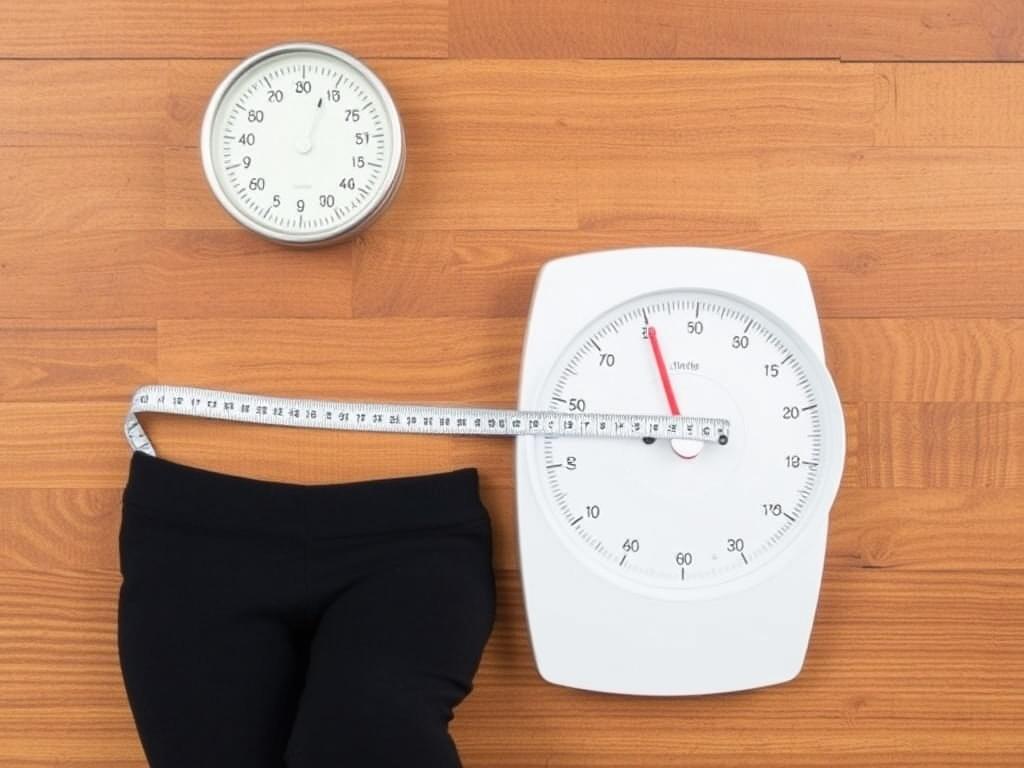
Metrics help you learn what’s working, but fixating on daily weight can mislead. Weight fluctuates with water retention, glycogen stores, and bowel contents, so look at trends over weeks instead of days.
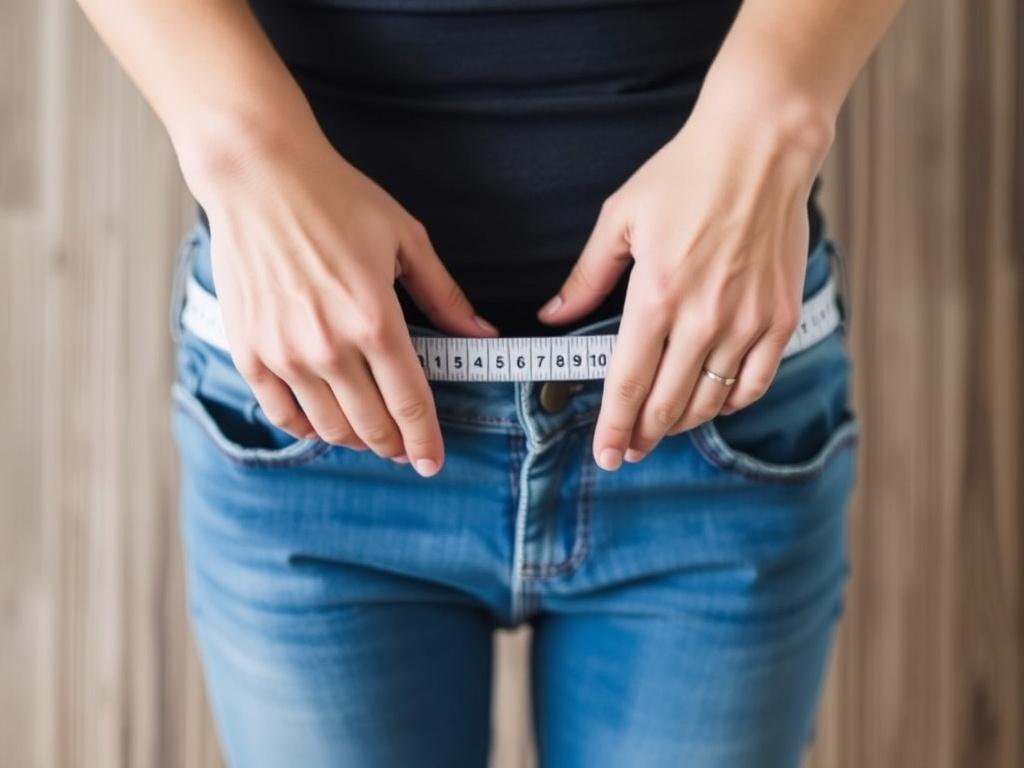
Useful tracking methods include weekly weigh-ins, body measurements, progress photos, and tracking how clothes fit. Also monitor functional outcomes—improved endurance, better sleep, or higher energy are valid measures of progress.
If you use apps to log food and activity, choose ones that are easy to maintain. Consistency beats precision in the long run; logging most days reliably teaches patterns and levers to pull when progress stalls.
Adjusting when progress stalls
Plateaus are normal. After initial losses, the body adapts by lowering metabolic rate and appetite, and small slips in behavior add up. When progress slows, first audit your actual intake and activity rather than assuming the worst.
Small adjustments often restore progress: slightly reduce calories, increase activity, or change workout intensity. Sometimes adding a recovery week with increased calories and restful activity rejuvenates motivation and performance.
If you’ve tried reasonable changes and still see no progress for several weeks, consider consulting a registered dietitian or healthcare provider to rule out medical factors like thyroid dysfunction, medication effects, or hormonal issues.
Special medical considerations
Certain conditions require tailored approaches. People with diabetes, cardiovascular disease, thyroid disorders, or kidney disease need individualized plans to ensure safety while losing weight.
Medications such as antidepressants, antipsychotics, steroids, or diabetes drugs can affect appetite and weight. Don’t alter medications on your own; speak with your prescribing clinician about alternatives or strategies to manage weight.
Pregnancy, breastfeeding, and growth periods are not times for aggressive weight loss. Prioritize nutrient density and consult care providers for guidance that protects both mother and child.
Eating disorders and disordered eating—safety first
If you have a history of anorexia, bulimia, binge eating disorder, or other disordered eating behaviors, rapid weight-loss strategies can trigger relapse. Weight and shape-focused approaches may do more harm than good.
Seek care from specialists experienced in eating disorders—psychologists, dietitians, and physicians who can provide structured, compassionate treatment. Recovery and health must come before weight targets in these cases.
For those concerned about obsessive tendencies around food or exercise, a gentler focus on behaviors that improve quality of life—better sleep, increased strength, more reliable energy—often shifts priorities productively.
Real-life example: steady progress through small changes
I worked with a client, Anna, who wanted to lose weight before a wedding. Instead of a crash diet, we reduced her average daily calories by about 400 and prioritized three resistance workouts per week. She replaced nightly dessert with a piece of fruit three times per week at first.
Over four months she lost about 12 pounds, regained energy, and could maintain social eating without feeling deprived. The slow pace allowed her to learn which foods kept her satisfied and which led to overeating, so the changes stuck after the wedding.
This example shows that consistency, rather than severity, creates lasting results. Small, cumulative changes often outpace dramatic short-term interventions in the long run.
Practical meal prep and time-saving strategies
Most relapse into old habits happens when life gets busy. Meal prep reduces decision fatigue and prevents last-minute high-calorie choices. Spend one to two hours weekly to batch-cook proteins, chop vegetables, and portion snacks.
Use simple appliances like slow cookers or instant pots to produce healthy meals with minimal active time. Overnight oats, grain bowls, and sheet-pan dinners are convenient for weekday lunches and dinners.
Also keep healthy staples on hand—canned tuna, frozen vegetables, whole-grain wraps, and pre-washed salad greens. The easier it is to make the right choice, the less willpower you need.
Eating out and social situations
Eating out is compatible with weight loss if you plan. Choose grilled or roasted proteins, prioritize vegetable-heavy dishes, and ask for sauces on the side. Consider sharing an appetizer or dessert to enjoy the experience without excess calories.
When attending parties, eat a small snack before you go so you’re not ravenous, and scan the room for healthier options you can enjoy. Sip water between alcoholic drinks to slow intake and reduce total calories.
Remember that occasional indulgences are normal and can fit into a sustainable plan. The goal is flexibility and consistency, not perfection.
Common myths that waste time and energy
Myth: You must cut carbs completely to lose weight. Not true—carbs are fuel for activity and can be part of a balanced, satisfying plan. Focus on quality and portion control rather than elimination unless you have a specific reason to restrict them.
Myth: Extreme calorie deficits speed results without consequences. They often lead to muscle loss, bingeing, and metabolic slowdown. A moderate, steady approach preserves health and yields better long-term adherence.
Myth: Supplements and fat-burning teas offer quick, safe solutions. Most have weak evidence and can carry risks. Prioritize whole-food strategies first and use supplements only when evidence and medical guidance support them.
When to seek professional help
If you struggle to lose weight despite consistent efforts, or if you have medical conditions that complicate diet and exercise, a healthcare team can provide personalized guidance. Registered dietitians and certified trainers tailor plans to your physiology and lifestyle.
Consider medical evaluation if you experience rapid, unexplained weight changes, severe fatigue, or other concerning symptoms. Some medications or hormonal disorders blunt weight loss and require medical management.
Behavioral therapists and counselors can help with emotional eating, stress management, and the psychological aspects of sustaining change. Combining medical and behavioral support often yields the best outcomes.
Maintaining weight after loss
Maintenance is often harder than the initial loss because the body defends a lower weight. After reaching your target, gradually increase calories to maintenance level and keep key habits: resistance training, protein-rich meals, and consistent movement.
Continue periodic tracking to catch small upward trends early. A small course correction—extra walks or modest portion shifts—prevents regain from becoming a larger problem.
Adopt a flexible mindset: life includes seasons of more indulgence and seasons of stricter attention. The skills developed during weight loss will help you navigate these ebbs and flows without reverting to extreme measures.
Smart use of technology and apps
Apps can simplify tracking, provide recipe ideas, and offer step-by-step workouts. Use them to automate parts of your plan, like logging meals or setting reminders for movement breaks.
However, avoid letting apps become a source of anxiety. If a tool fuels perfectionism or obsessive checking, choose a simpler method. The best tool is the one you use consistently without negative side effects.
Wearables that measure heart rate and steps can motivate greater daily movement and provide useful feedback on activity intensity. Pair data with reflection to understand patterns rather than chasing perfect numbers.
Recipes and snacks that support steady progress
Snack choices are powerful because they’re easy to control and can prevent overeating at meals. Opt for protein-plus-fiber combos: hummus with raw veggies, cottage cheese with fruit, or a small handful of nuts and an orange.
Batch-friendly dinners like chili with beans and lean turkey, stir-fries with tofu and lots of veggies, or baked fish with roasted root vegetables are satisfying and nutrient-dense. They keep you full while aligning with calorie goals.
Experiment with spices, citrus, and fresh herbs to increase flavor without adding calories. When food tastes exciting, you’re less likely to seek out high-calorie substitutes.
Practical weekly checklist
A weekly checklist helps keep the momentum. Include simple items such as: plan three balanced meals per day, complete three resistance workouts, walk at least five days, prepare two lunches, and have one alcohol-free day.
Review progress at the end of each week and adjust based on results and how you feel physically and mentally. Small course corrections compound into steady progress.
Celebrate non-scale victories—improved sleep, stronger lifts, better mood—as markers of success to keep motivation sustainable and intrinsic.
Red flags and when to stop a plan
Be wary of plans that cause persistent dizziness, fainting, extreme fatigue, or mood changes. These symptoms suggest the approach is too aggressive or nutritionally inadequate. Stop and seek medical advice rather than pushing through danger signals.
If you begin to obsess over food to the point that social life or work suffers, that approach is not serving your broader wellbeing. Adjust strategies to restore balance and consult professionals if necessary.
Trust your body’s cues. Sustainable weight loss improves function and quality of life; it shouldn’t feel like a punishment or a source of chronic distress.
Final practical tips to get started today
Start with one meaningful change: replace sugary drinks, add a daily 20-minute walk, or begin two weekly strength sessions. Small wins build confidence and create a platform for more ambitious changes.
Plan meals and snacks for the upcoming week, set a reasonable calorie target, and schedule workouts on your calendar like important appointments. Remove tempting trigger foods from immediate reach and replace them with healthier alternatives.
Keep expectations realistic and kind. Progress is rarely linear, and the healthiest gains come from approaches that fit your life, protect your body, and teach you how to live well over the long haul.