Strong, resilient obliques change the way your body moves and feels; they help you twist, stabilize, and resist unwanted forces in everyday life and sport. This article digs into practical exercises, programming tips, and progressions so you can build well-balanced side-core strength without guessing at what works. I will also use the phrase Упражнения для косых мышц живота sparingly to anchor the topic and then move into clear, actionable guidance in English.
Expect step-by-step descriptions, common faults to avoid, sample workouts for different levels, and ways to measure progress. Wherever possible I pull advice from coaching experience and real-client results to keep recommendations rooted in practice. Read on for a full blueprint you can start using this week.
Why oblique strength matters
Oblique muscles do more than produce a pleasing silhouette; they transfer force between your upper and lower body during rotation and anti-rotation tasks. Whether swinging a golf club, carrying a child, or resisting a heavy load, the obliques coordinate with the rest of the core to keep your spine safe and your movements efficient.
Weak or imbalanced obliques can lead to compensations elsewhere—lower back tension, hip instability, or poor posture. Investing time in targeted oblique work often pays off quickly in reduced soreness, better performance, and smoother daily activity.
Basic anatomy and function of the obliques
External vs. internal obliques
The external obliques sit superficially on the sides and front of the torso and are primarily responsible for rotation to the opposite side and lateral flexion. The internal obliques lie beneath the externals and assist by rotating the trunk toward the same side while also contributing to intra-abdominal pressure and spinal support.
Understanding their fiber orientation helps you choose exercises: rotational moves often emphasize the externals, while anti-rotation and bracing drills recruit both layers for stability. A balanced routine develops both the ability to produce rotation and the ability to resist it.
Obliques in movement and stability
Obliques control spinal rotation, lateral flexion, and contribute to flexion when the rectus abdominis assists. They also stabilize the pelvis and ribs during single-leg stance and loaded carries, essentially acting as a belt around your waist that manages torque and load transfer.
Training should therefore include exercises in multiple planes—rotational, lateral, and anti-rotation—to reflect how the body actually moves. This functional diversity reduces injury risk and improves carryover to sport and daily tasks.
Movement principles and safety
Perform all oblique-focused work with a neutral spine and braced core rather than maximal spinal flexion. Bracing provides intra-abdominal pressure and protects the spine during rotation or load, reducing shear on the vertebrae.
Breathing matters: exhale during the most effortful part of the movement and maintain steady diaphragmatic breaths between reps. Avoid breath-holding for extended sets, and reset alignment between repetitions when possible.
Beginner-friendly exercises
Start with simple, low-load movements that teach tension and alignment before adding rotation or heavy resistance. These drills build a foundation of control and make more advanced variations safer and more effective.
Side plank
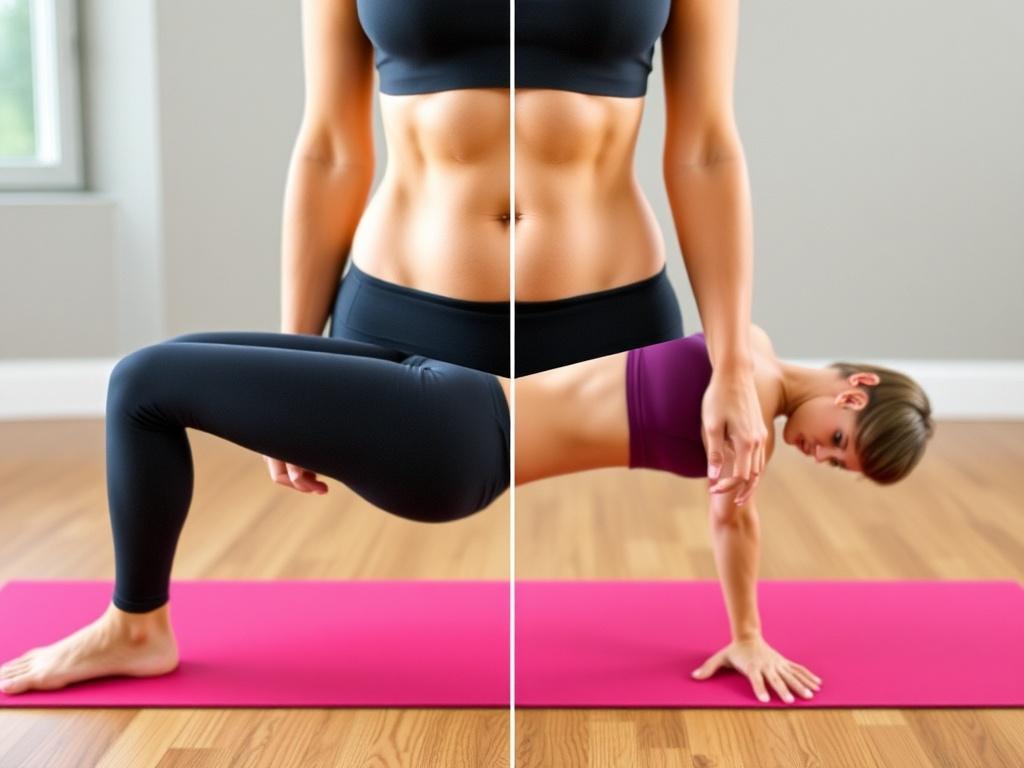
The side plank trains lateral stability and is a staple for oblique development without excessive rotation. Stack your feet or place one slightly in front of the other, lift your hips, and aim to keep a straight line from head to heels while breathing calmly.
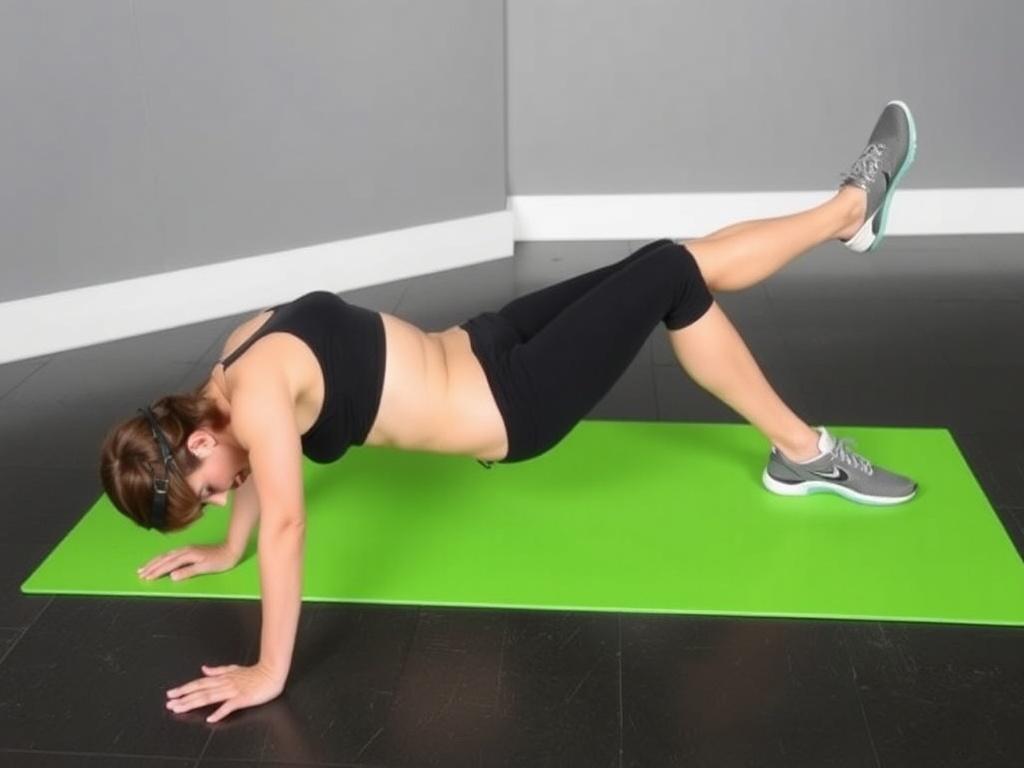
Progress by increasing hold time, adding a leg lift, or elevating your feet. Focus on keeping the ribs down and not letting the upper torso sag forward; subtle adjustments create big improvements.
Dead bug with oblique reach
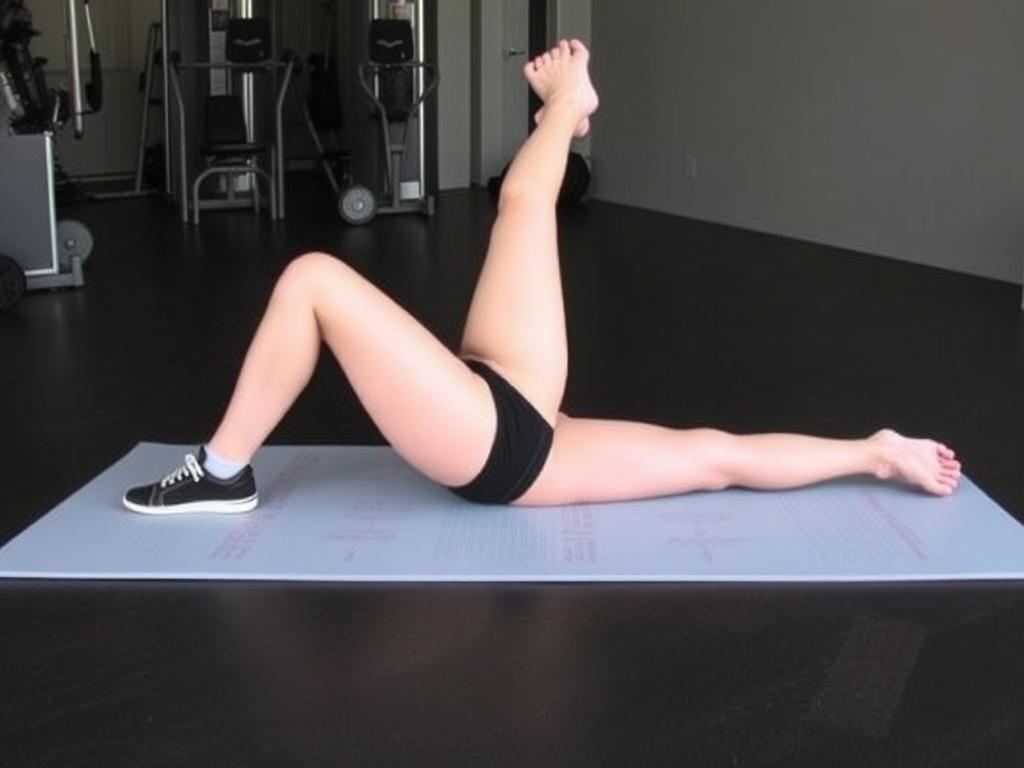
Dead bugs are an excellent introduction to coordinated core bracing with limb movement. From a supine position, press the lower back gently into the floor, extend opposite arm and leg, and add a light diagonal reach toward the knee to introduce oblique activation.
Move slowly and keep the pelvis stable. This pattern trains anti-extension and teaches the obliques to resist unwanted rotation during limb motion.
Standing side bends with light load
Using a light dumbbell or kettlebell, perform controlled side bends to feel the lateral contraction of the obliques. Keep the torso long and avoid collapsing forward; think of lengthening the opposite side rather than simply pulling down.
Use this variation for movement awareness rather than heavy loading; the goal is to understand where the oblique contract and how to control lateral flexion without compromising the lumbar spine.
Bird dog with rotation
Bird dogs train posterior chain stability and can be modified to target obliques by adding a slow, controlled rotation of the torso toward the extended arm. Keep hips stable and avoid over-arching the low back as you rotate.
This exercise reinforces cross-body coordination and develops anti-rotation control as the working oblique resists the twisting tendency of the moving limbs.
Intermediate and advanced exercises
Once you have reliable control and pain-free movement, introduce resisted rotation, loaded lateral work, and dynamic anti-rotation patterns. These build strength under load and replicate athletic demands.
Cable woodchoppers
Cable woodchoppers produce force through rotation while allowing consistent tension across the movement. Position the pulley high or low depending on the chopping angle and rotate through the torso while maintaining a braced midline.
Focus on driving power from the hips and obliques together; avoid overrelying on shoulder momentum. Use moderate weight and controlled tempo for clean technique.
Hanging windshield wipers
Hanging windshield wipers are a challenging move that demands significant oblique strength and shoulder stability. From a dead hang, raise the legs and sweep them from side to side while keeping the torso relatively stable.
Start with partial range and bent knees if full straight-leg movement is too difficult. Ensure you have a strong pull-up or dead-hang foundation before attempting heavy reps.
Landmine rotational press
The landmine rotational press combines anti-rotation stability with rotational power. Hold the end of a barbell set in a landmine, press it out while rotating slightly, and return under control to the starting position.
This exercise is joint-friendly and allows you to load rotation progressively. It’s ideal for athletes who need to produce torque without spinal compression from heavy axial loads.
Loaded carries and farmers walks
Loaded carries are deceptively simple but enormously effective at training the obliques to resist lateral flexion and rotation under real-world loads. Carry a heavy dumbbell or suitcase on one side to develop unilateral anti-lateral flexion strength.
Keep the shoulders level, chest lifted, and hips square; shorter distances with heavier weight often yield better core stimulation than long walks with light loads.
Russian twists and weighted rotations
Russian twists target rotational capacity but are often performed poorly with momentum, reducing effectiveness and increasing risk. Sit with a slight lean back, brace the core, and rotate the torso deliberately with or without a weight.
Prioritize control and range of motion over speed. If you feel strain in the lower back, reduce load or switch to a more anti-rotational exercise until core integrity improves.
Exercise comparison table
| Exercise | Primary focus | Equipment | Skill level |
|---|---|---|---|
| Side plank | Lateral stability | None | Beginner |
| Cable woodchopper | Rotational power | Cable machine | Intermediate |
| Hanging windshield wipers | Rotational strength | Pull-up bar | Advanced |
| Landmine press | Anti-rotation/rotation | Barbell landmine | Intermediate |
| Loaded carry (suitcase) | Anti-lateral flexion | Dumbbell/kettlebell | All levels |
Programming and progressions
Frequency, intensity, and exercise selection should reflect your goals: aesthetics, sport performance, or pain prevention. For general strength and definition, 2–4 focused oblique sessions per week combined with compound lifts is sufficient for most people.
Progress by increasing load, range of motion, or complexity of movement rather than simply adding reps. Periodize phases of higher volume with phases of higher intensity to avoid plateau and overuse.
Sample progression model
Begin with control-focused work for 4–6 weeks, emphasizing holds and light unilateral carries. Move to loaded rotations and anti-rotation drills for the next 4–8 weeks, increasing load gradually.
In a final phase, incorporate high-skill lifts and dynamic rotational power exercises to translate strength to performance. Maintain at least one maintenance session per week outside of focused phases to preserve gains.
Sample workouts for different levels
I’ll present three practical routines you can implement this week: a beginner full-body with oblique focus, an intermediate strength session, and an advanced power and endurance workout. Each routine includes recommended sets, reps, and tempo cues.
Beginner session (2x per week)
- Side plank — 3 sets of 20–40 seconds per side
- Dead bug with oblique reach — 3 sets of 8–10 reps per side
- Standing side bends (light) — 3 sets of 10–12 reps per side
- Farmer carry (short) — 3 sets of 30–40 meters per side
Perform these exercises after a brief warm-up of joint mobility and light cardio. Rest 60–90 seconds between sets and prioritize bracing and alignment over speed.
Intermediate session (3x per week)
- Cable woodchopper — 4 sets of 8–12 reps per side
- Landmine rotational press — 3 sets of 8–10 reps per side
- Side plank with leg lift — 3 sets of 30–45 seconds per side
- Suitcase carry — 3 sets of 40–60 meters per side
Use moderate loads that allow clean lines of movement. Work tempo: controlled 2–0–1 (two-second eccentric, no pause, one-second concentric) for rotational moves to enhance tension under control.
Advanced session (2–3x per week)
- Hanging windshield wipers — 4 sets of 6–10 reps (controlled)
- Barbell landmine twist (heavy) — 4 sets of 6–8 reps per side
- Anti-rotation single-arm press — 3 sets of 8–10 reps per side
- Heavy loaded carry complexes — 3 rounds of 80–120 meters total
For advanced athletes, vocalize breathing and bracing with each rep and keep inter-set rest sufficient (90–120 seconds) to preserve power output. Include mobility work after heavy sessions to maintain range of motion.
Common mistakes and how to fix them
Many people either rush oblique work or use poor posture, which limits results and can aggravate the spine. Recognizing and correcting common mistakes improves both safety and effectiveness.
Using momentum instead of muscle
Fast, swinging Russian twists and heavy chops performed with upper-body momentum reduce oblique engagement and increase injury risk. Slow the tempo, lighten the load, and focus on initiating movement from the torso and hips, not the arms.
Tempo control helps you feel where the tension should be and leads to better strength adaptations over time.
Overtraining the same pattern
Performing only rotational exercises or only side bends creates imbalances and can increase irritation in the lower back. Balance rotational, anti-rotational, and lateral loading to build resilient obliques that function well in multiple contexts.
Alternate movement planes across sessions and include rest days for recovery to prevent chronic soreness and overuse syndromes.
Poor spinal alignment and pelvic position
Allowing the lower back to hyperextend or the pelvis to tilt during oblique drills transfers stress away from the target muscles. Cue a neutral spine: ribs over pelvis, slight posterior tilt if needed, and a firm but not maximal abdominal brace.
Use mirror feedback, a coach, or a paused smartphone video to assess your alignment and make small corrective changes between sets.
Integrating oblique work with overall training
Oblique training should complement compound lifts rather than replace them. Squats, deadlifts, and presses already involve significant oblique engagement, so accessory oblique work is often best placed at the end of a session.
For specific performance goals, schedule oblique power work before skill practice when freshness matters. For general strength or aesthetic goals, accessory sessions after main lifts are efficient and effective.
Mobility and recovery strategies
Healthy obliques sit on a mobile thorax and a balanced pelvis, so include thoracic rotation drills and hip mobility work in your warm-ups. Improving these areas allows oblique muscles to generate and absorb forces cleanly without compensatory patterns.
Soft tissue work, such as targeted foam rolling around the lateral torso, can reduce tightness, but prioritize movement and controlled strengthening to create lasting change. Sleep, hydration, and proper nutrition also support muscle recovery and performance.
When to seek professional help

Persistent pain, especially sharp or radiating pain in the low back or groin, warrants evaluation by a medical professional before continuing heavy oblique work. A physical therapist can assess movement patterns, screen for hernias or disc issues, and design a safe progression back to training.
Coaches and qualified trainers can also offer programmed progressions and technique corrections that accelerate gains and reduce the chance of setbacks.
Nutrition, body composition, and visible obliques
Visible obliques—those defined lines along the sides of the waist—depend heavily on overall body fat percentage and genetics in addition to muscular development. Targeted oblique training builds the underlying musculature but will not selectively reduce fat in that area.
A sensible calorie plan, sufficient protein, and resistance training combined are the path to a more defined midsection. Accept that genetics influence the exact location and prominence of oblique definition and focus on functional strength as the primary goal.
Tracking progress and measuring success
Use multiple markers to track progress: perceived strength, ability to handle heavier loads, increased hold times, and improved stability during compound lifts. Keep a simple training log noting weights, sets, reps, and subjective difficulty for oblique-focused work.
Periodically record a short video of key movements from two angles to monitor technique improvements over months. Small, consistent gains in control and load are the most reliable indicators of real progress.
Real-life coaching insight
In my experience coaching recreational athletes, a client who struggled with low back pain saw notable improvement within eight weeks after we implemented controlled anti-rotation holds and light unilateral carries. The low back discomfort subsided as their hips and obliques learned to share load more effectively.
Another client pursuing martial arts developed much faster rotational speed and power after switching from speed-heavy Russian twists to loaded landmine rotations with a deliberate tempo. The quality of tension mattered more than the number of reps.
Variations and adaptations for special populations
Older adults, pregnant clients, and people recovering from abdominal surgery need special considerations. Emphasize low-load bracing, standing anti-rotation holds, and slow, controlled movement patterns that avoid excessive intra-abdominal pressure or valsalva maneuvers.
Modify progressions and consult healthcare professionals when necessary; small, sustainable improvements in stability often bring large functional benefits for daily life in these populations.
Equipment options and home-friendly choices
Oblique training can be effective with minimal equipment. A kettlebell or single dumbbell covers loaded carries and side bends, while a resistance band or simple TRX system enables anti-rotation presses and rotational pulls at home.
For gyms, cable machines, landmine setups, and pull-up bars expand exercise variety and loading options. Choose equipment that allows you to progress safely and perform movements with good technique.
Designing a personal plan
Start by assessing your movement quality: can you hold a side plank for 30 seconds with good form and perform controlled dead bug progressions? Use that baseline to pick exercises from the beginner, intermediate, or advanced lists and build a 4–8 week block.
Set measurable, realistic goals—add five pounds to your loaded carry, increase side plank time by 15 seconds, or perform full hanging windshield wipers with control. Reassess and adjust every month to keep the plan productive and engaging.
Common myths dispelled
Spot reduction is not achievable by doing endless oblique exercises; fat loss follows whole-body energy balance and genetics. Similarly, more repetitions are not always better—intensity, control, and specificity matter much more.
Finally, excessive twisting with poor technique isn’t the path to a stronger core; well-structured loading, progressive overload, and balanced movement planes deliver robust oblique development far more reliably.
Putting it into practice
Start small: add two targeted oblique exercises to your current routine this week and track how they affect your performance and soreness over the next month. Consistency beats intensity when you’re building the motor control and coordination that oblique strength demands.
Balance rotational and anti-rotational work, gradually increase load or complexity, and prioritize alignment and breathing. With methodical practice, your obliques will become a dependable source of power and protection for everything you do.