
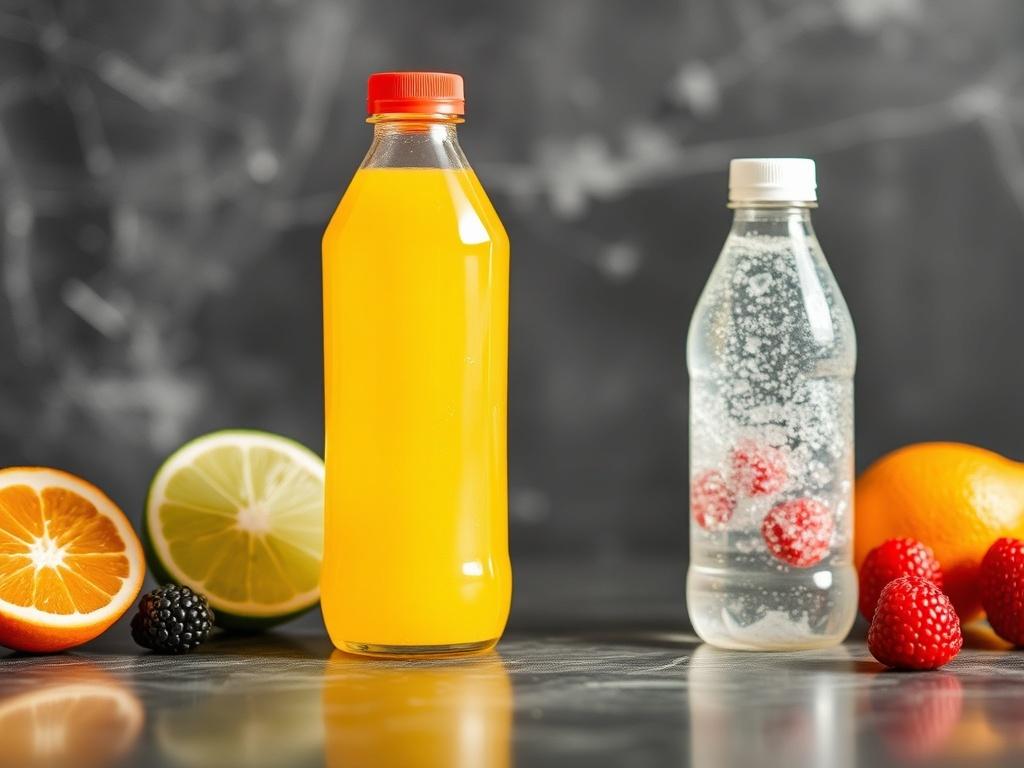
Sports drinks have grown from a niche product on gym shelves to a staple in backpacks, soccer sidelines, and ultramarathons. Whether you call them sports drinks, electrolyte solutions, or — in Russian — спортивные напитки: изотоники и электролиты, the basic idea is the same: replace what the body loses during exercise and help performance or recovery. This article walks through the science, the labels, the practical uses, and how to pick or make a drink that actually matches your activity and needs.
What are sports drinks and why do they matter?
At their core, sports drinks are beverages formulated to hydrate, supply energy, and replenish electrolytes lost through sweat. They vary widely — from simple sugar-electrolyte mixes to complex formulas that add vitamins, amino acids, or stimulants. The differences matter because the wrong drink at the wrong time can make you sluggish, upset your stomach, or contribute unnecessary calories.
Sports drinks are not a one-size-fits-all magic potion. A 20-minute strength session in a climate-controlled gym has very different hydration and fueling needs compared to a three-hour trail run on a hot day. Knowing what a drink can and cannot do helps you avoid both under- and overuse.
Types of sports drinks: isotonic, hypotonic, and hypertonic
Manufacturers typically describe drinks as isotonic, hypotonic, or hypertonic. These terms refer to the osmolarity — the concentration of dissolved particles such as salts and sugars — relative to blood plasma. Osmolarity influences how quickly fluid moves across the intestinal wall and into the bloodstream, which affects rehydration speed and comfort.
Isotonic solutions have a similar osmolarity to blood; hypotonic ones are less concentrated and absorb very quickly; hypertonic drinks are more concentrated and provide more energy per volume but absorb more slowly. Each type has its place depending on the duration and intensity of exercise and the athlete’s goals.
Comparison table: isotonic vs. hypotonic vs. hypertonic
Here’s a concise table to visualize the practical differences among the three classes.
| Type | Typical carbohydrate (%) | Primary use | Absorption speed |
|---|---|---|---|
| Hypotonic | 2–4% | Fast rehydration during short, intense sessions | Very quick |
| Isotonic | 4–8% | Hydration + moderate energy for longer training | Moderate |
| Hypertonic | 8% and up | High-calorie refueling after exercise or during ultra events | Slower |
What does “isotonic” mean in practice?
Isotonic drinks mimic the salt and sugar balance of the blood, so they aim to restore both water and energy without creating osmotic imbalances. For many athletes, that balance translates to quicker replacement of fluid and carbohydrates without causing gastrointestinal distress. Classic sports drinks in stores are typically isotonic formulations designed for moderate to prolonged exercise.
That said, “isotonic” on a label can be more marketing than guarantee. Concentrations vary by brand and batch. Reading the ingredient list and carbohydrate percentage — when available — gives a clearer picture than relying solely on the isotonic claim.
Electrolytes explained: sodium, potassium, magnesium, and calcium
Electrolytes are minerals that conduct electricity in the body and are essential for muscle contraction, nerve signaling, and fluid balance. Sodium and chloride are the most important for sweat-related salt loss; potassium, magnesium, and calcium also play roles in cellular function and recovery. Sweat composition varies widely among individuals, so electrolyte needs are not identical for everyone.
Sodium deserves special attention. It helps retain ingested water, stimulates thirst, and supports nerve and muscle function. Drinks that contain sodium can encourage better fluid retention and reduce the likelihood of hyponatremia (dangerously low blood sodium) during long events where only water is consumed.
How much electrolyte do you actually lose?
Sweat rate and sweat sodium concentration determine total sodium loss. A casual gym-goer might lose 200–500 mg of sodium per hour, while a heavy sweater training hard in heat may lose more than 1,000 mg per hour. These numbers are rough averages — genetics, acclimatization, diet, and environmental conditions all influence the totals.
Because of that variability, many coaches recommend tailoring electrolyte replacement to individual sweat testing or to observed symptoms like muscle cramps and persistent thirst. For many recreational athletes, a moderate sodium concentration in a drink is sufficient; for endurance competitors, more precise planning often pays off.
How electrolytes work in the body during exercise
When you sweat, you lose water and electrolytes. Water leaves cells and blood plasma, reducing blood volume and increasing cardiovascular strain. Electrolytes, particularly sodium, help hold water in the bloodstream and maintain blood pressure, which supports oxygen delivery to working muscles. Without adequate electrolytes, you may feel dizzy, cramp-prone, or fatigued prematurely.
On a cellular level, sodium and potassium maintain membrane potentials that allow nerves to fire and muscles to contract. Low sodium or an imbalanced potassium-to-sodium ratio can impair that signaling, which is why both hydration and electrolyte balance matter for performance.
When to use sports drinks: a practical guide
For short, light workouts under 60 minutes where you’re not sweating heavily, plain water is usually fine. Sports drinks become more useful when exercise is prolonged (over 60–90 minutes), when intensity is high, or when you’re in hot humid environments that increase sweat losses. They’re also helpful when you need both fluid and carbohydrate quickly, such as between back-to-back training sessions.
Using the wrong drink at the wrong time creates problems. Drinking a high-carbohydrate hypertonic beverage in the middle of an interval session can sit heavy and slow digestion; conversely, relying only on water during a four-hour race risks electrolyte depletion. Matching the drink to the session is a simple but often overlooked performance tactic.
Personal experience: learning the hard way
Working as a recreational marathoner, I once tried to “stay light” by drinking only water during a long training run. Midway I hit a wall of nausea and cramping that turned a steady run into a slow shuffle. After switching to an electrolyte-containing drink on subsequent long runs, my stomach settled and my cramps reduced significantly. That experience taught me to respect electrolyte balance even when I thought I was well-conditioned.
That same lesson applies differently for others. A friend who is a fast heavy sweater swears by adding a little extra salt to his bottles on hot days, while a cyclist prone to stomach upset prefers a hypotonic mix that hydrates without the sweetness of commercial isotonic brands. Individual adaptation matters.
Reading labels: what the numbers mean
Label literacy makes a big difference. Look for carbohydrate concentration (usually expressed as grams per 100 mL or percentage), the sodium content per serving, and the ingredient list order. If a drink contains more than 8% carbohydrate, it’s likely hypertonic and may slow gastric emptying. Sodium content under 100 mg per serving is low for serious sweating conditions.
Beware of unnecessary extras. Some products add high levels of sugar, artificial colors, caffeine, or herbal extracts that aren’t needed for hydration and may cause side effects. Simpler formulas often work fine and allow you to better control carbohydrate and electrolyte intake by mixing powders to taste.
Benefits and risks: separating fact from marketing
When used appropriately, sports drinks offer clear benefits: faster rehydration compared to plain water in many situations, maintenance of performance in long-duration work, and prevention of hyponatremia when sodium is included. They can also aid recovery by supplying carbohydrate and electrolytes quickly after exercise.
However, frequent unnecessary consumption contributes extra calories and sugar to your diet, which matters outside training. Overreliance can mask poor hydration habits, and some ingredients in commercial formulations may cause stomach upset or allergic reactions for sensitive people. Balance is the guiding principle.
Common myths and misunderstandings
One persistent myth is that every athlete needs a fancy formula to perform. For many, a basic carbohydrate-electrolyte solution or even food and water suffice. Another misconception is that more sodium always helps; in fact, for low-volume or cool-weather activities, excessive sodium can be unnecessary and unpleasant.
People sometimes conflate hydration with electrolyte correction. Thirst and fluid deficits are related but not identical: drinking water without replacing sodium in prolonged events can dilute blood sodium levels and be harmful. Recognizing these distinctions prevents simplistic approaches that can backfire.
DIY sports drinks: simple and effective recipes
Making your own sports drink gives you control over carbohydrate type, sweetness, and electrolyte levels. A basic isotonic homemade mix is easy: combine water, a measured amount of sugar (or maltodextrin), and a pinch of salt to reach a roughly 4–6% carbohydrate concentration and 200–400 mg sodium per liter. Flavor comes from citrus, diluted juice, or powdered sports drink mix.
For runners and cyclists who need higher caloric density, a hypertonic “recovery shake” with fruit juice and maltodextrin after a long session can be effective. For rapid rehydration, dilute juice or a hypotonic solution works well. Home mixing also avoids additives and controls sugar load.
Sample recipes (approximate concentrations)
Here are three practical recipes you can test and adapt to taste and needs. Use a kitchen scale or measuring spoons for accuracy, and always test during training rather than on race day.
- Hypotonic hydrate (fast absorb): 1 liter water + 10–20 g sugar (2–4%) + pinch of salt + juice of half a lemon.
- Isotonic training mix (balanced): 1 liter water + 40–50 g carbohydrate (4–5%) from sugar or maltodextrin + 300–400 mg sodium (about 1/4–1/2 tsp salt) + flavor as desired.
- Hypertonic recovery (high energy): 500 mL water + 60–80 g carbohydrate (12–16%) from juice or maltodextrin + small pinch of salt; best consumed after exercise.
Gastrointestinal comfort and timing
How a drink feels in your stomach matters as much as its chemical composition. High sugar concentrations, carbonation, high acidity, or dense calories can cause cramping, nausea, or reflux during intense exercise. Testing tolerability during training allows you to find the right brand, concentration, or homemade recipe for your physiology.
Timing is another factor. Sipping a hypotonic or isotonic beverage during activity is usually safer and more effective than chugging hypertonic solutions mid-effort. After exercise, the body tolerates denser carbohydrate loads better and can benefit from faster glycogen resynthesis.
Hydration strategies: before, during, and after exercise
Preparation reduces problems. Before exercise, drink to start hydrated but avoid overdrinking; 400–600 mL of fluid 2–3 hours before activity is a common guideline, adjusted for sweat rate and environment. Including a salty snack or a small isotonic drink pre-workout can boost sodium stores for heavy sweaters.
During exercise, adopt a sipping approach: aim for a fluid intake that approximates sweat loss rather than a fixed volume. For many athletes this ranges from 300–1,000 mL per hour depending on conditions and effort. After exercise, prioritize repletion of both fluid and electrolytes to recover blood volume and support repair processes.
Quick checklist for event day
These simple steps reduce guesswork and stress on race or competition day.
- Weigh yourself before and after training to estimate sweat losses.
- Practice with the exact drink and bottle system you’ll use on event day.
- Schedule drink intake by perceived effort and time rather than only by distance.
- Include sodium in feeds lasting longer than 90 minutes, especially in heat.
Special populations: children, older adults, and medical conditions
Children and adolescents have different fluid and electrolyte needs than adults. They tend to have higher surface-area-to-body-mass ratios and can overheat more quickly, but they also often prefer milder flavors and lower sugar. For kids, lightly flavored hypotonic solutions or water combined with snacks usually work better than adult-strength isotonic formulas.
Older adults may have blunted thirst responses and altered kidney function, which changes fluid and electrolyte handling. Those on blood pressure medications or with heart or kidney disease should consult a clinician before using electrolyte supplements or higher-sodium drinks. Medical conditions such as diabetes also alter carbohydrate needs and call for careful monitoring.
Endurance athletes and ultrarunners: fine-tuning intake
For long endurance events, fueling becomes as important as fluid replacement. Carbohydrate intake of 30–90 grams per hour is common among marathoners and cyclists, with higher-endurance athletes sometimes using multiple carbohydrate sources to increase absorption. Sports drinks can supply part of this, but many athletes combine drinks with gels, bars, or real food to hit calorie targets without overwhelming the stomach.
Electrolyte management in ultra events is complex. Runners often rotate sodium-containing capsules, salted foods, and electrolyte drinks to meet needs. Monitoring sweat losses, body mass changes, and symptoms provides practical feedback that guides adjustments on the fly.
Choosing a product: practical shopping advice
Start by matching the product to your activity. Choose hypotonic drinks for quick hydration during short sessions, isotonic for typical training, and hypertonic for recovery or feeding during ultra events. Check carbohydrate percentage and sodium content rather than trusting packaging claims alone.
Price and taste matter: if you won’t drink it, you won’t use it. Buy small quantities to test flavors and tolerability before committing to large packs. For frequent training, consider powdered mixes that let you control concentration and cost per serving.
Environmental considerations and acclimatization
Heat and humidity increase sweat rate and sodium losses. Over time, acclimatization reduces salt concentration in sweat but often increases sweat rate, which may leave total sodium losses similar or even higher. That means that during the first week in a hot climate you might need more sodium than later in the season, but acclimatization doesn’t eliminate the need for electrolytes in prolonged exercise.
Cold environments change the picture: sweat rates may be lower but cold diuresis and inadequate drinking can still lead to dehydration. In cold weather, warm or calorie-containing drinks may be more palatable and help maintain intake.
Quality control and safety: what to avoid
Avoid products with unproven or potentially harmful additives, such as excessive caffeine, untested botanicals, or high amounts of artificial dyes. Many energy-focused drinks combine stimulants with electrolytes, which can be problematic for individuals sensitive to caffeine or with cardiovascular concerns. Labels should clearly list amounts of each ingredient.
Be cautious with homemade concentrates stored for long periods. Bacterial growth and nutrient degradation are possible, so prepare supplies fresh for long training blocks and follow safe storage practices. When in doubt, use reputable commercial powders with clear ingredient panels.
Recent research highlights
Recent studies emphasize individualization: sweat testing, tailored carbohydrate strategies, and combined carbohydrate sources can improve endurance performance. Research also shows diminishing returns for high carbohydrate doses in non-endurance settings and concerns about overconsumption of sugary sports drinks outside training. The trend is toward precision hydration and fueling rather than blanket recommendations.
Another area of active research is the gut’s role in performance. Training the gut to tolerate calories and fluids during exercise—through progressive exposure—reduces gastrointestinal distress and allows higher carbohydrate intake without discomfort. That has practical implications for how athletes use sports drinks across workouts.
Practical troubleshooting: cramps, nausea, and bloating
Muscle cramps have multiple causes, and while low sodium contributes in some cases, cramps are not universally solved by salt intake. Address training load, muscle fatigue, and biomechanics as well as electrolytes. If cramps persist, consult a sports medicine professional to investigate underlying issues.
Nausea and bloating often result from over-concentration, drinking too fast, or using unfamiliar ingredients. Switch to a lower-carbohydrate or hypotonic option, sip slowly, and practice in training until you find a tolerable routine. Small changes in flavor and temperature can also make a big difference.
Real-world examples: how athletes apply these principles
A collegiate rower I coached used isotonic drinks during two-a-day rowing blocks, adding small salt tablets on the hottest days. Performance and perceived recovery improved compared to water alone. The athlete’s sweat tests guided the exact sodium targets and prevented under- or over-supplementation.
An amateur cyclist in a multi-day charity ride adopted a layered approach: hypotonic drinks on short efforts, isotonic during 2–3 hour rides, and a hypertonic recovery shake after long days. He reported fewer bonks and faster recovery between consecutive days compared to previous years when he relied only on water and snacks.
Cost and sustainability considerations
Bulk powdered mixes drastically reduce cost and packaging waste compared to single-use bottles. Refillable bottles and concentrated powders are both wallet- and planet-friendly choices. If you prefer ready-to-drink bottles for convenience, choose recyclable options and plan refill points to minimize single-use purchases during long events.
For those making homemade formulations, simple ingredients—sugar, salt, citrus—keep expenses low and avoid engineered additives. This approach also lets athletes tune intensity and flavor without paying for extra marketing or branding.
Practical experiments to try in training
Test hydration strategies incrementally. Begin with a baseline: weigh yourself before and after a typical training session without changing your habit to estimate sweat loss. Next, try an isotonic drink for a series of similar sessions and monitor perceived exertion, stomach comfort, and recovery markers like morning soreness or energy.
Adjust sodium content and carbohydrate concentration systematically. Keep a short log so you can link changes to outcomes. Over a few weeks you’ll find a reliable routine that minimizes surprises on race day.
Regulatory and labeling issues
Labeling laws vary, so what’s printed on packaging doesn’t always tell the whole story. Look for explicit carbohydrate concentration and electrolyte amounts; if those are absent, a phone or web search for the product’s technical sheet often reveals the data. For elite athletes, working with a sports nutritionist or coach to analyze labels can prevent costly mistakes.
Supplements and sports performance products sometimes skirt clear regulatory oversight. Prioritize brands with transparent manufacturing practices and third-party testing if you compete in drug-tested sports or have safety concerns about contaminants.
Final thoughts on practical application
Sports drinks are tools, not necessities in every situation. When used thoughtfully — matched to activity duration, intensity, and personal physiology — they support performance and recovery. The best strategy is individualized: test in training, read labels carefully, and adjust sodium and carbohydrate according to real-world feedback rather than advertising claims.
Whether you buy an off-the-shelf isotonic mix, dilute juice at home, or carry powdered concentrates, the goal is the same: maintain blood volume, support muscle and nerve function, and get the calories you need when you need them. A little planning and experimentation pays off with fewer setbacks and more consistent performance over time.