
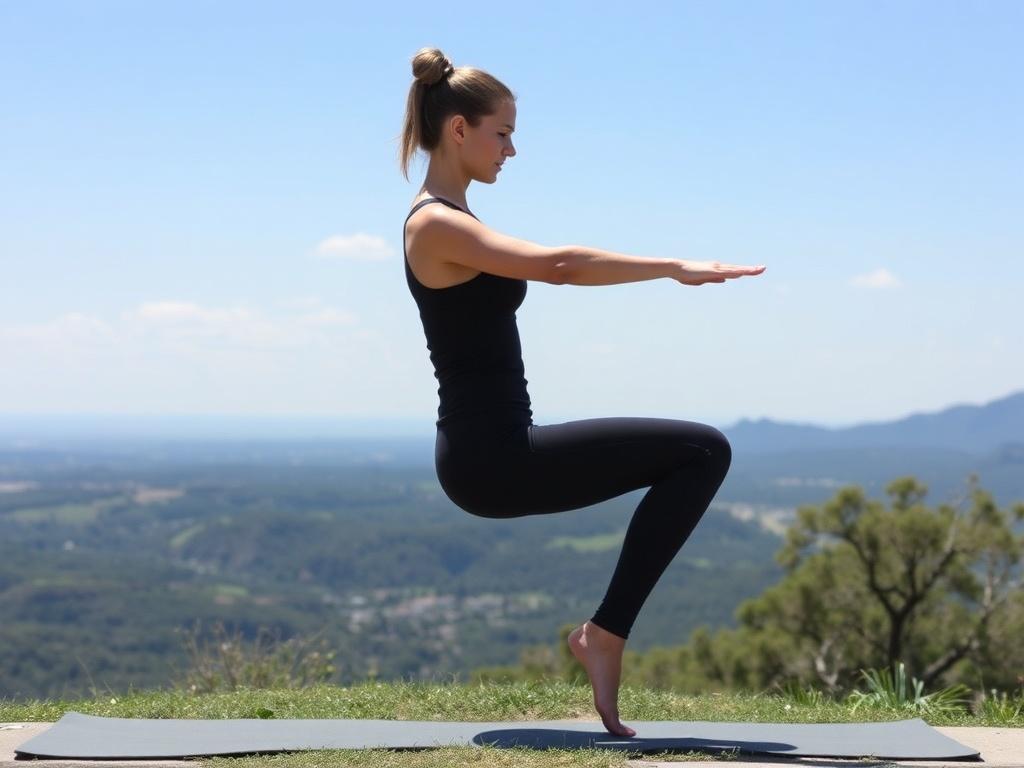
Good posture is not a vanity project; it’s the quiet architecture of how you move, work, and feel every day. Small changes in alignment reduce pain, increase energy, and make clothes hang better without effort. In this article I’ll walk you through clear, practical exercises and habits that help build and maintain an elegant, resilient posture.
You’ll find mobility drills, strengthening moves, desk-friendly routines, and a sample weekly plan you can adapt. Read through, pick a few exercises to start, and give each at least four weeks before judging results. Progress is steady when the approach is consistent and sensible.
Why posture matters more than you think
Posture determines how forces travel through your body. When the spine, shoulders, and pelvis are aligned, muscles share the load efficiently and joints wear more slowly. When alignment is poor, some muscles get overworked while others weaken, which often leads to pain and fatigue.
Beyond physical mechanics, posture influences breathing, digestion, and even mood. An open chest allows fuller diaphragmatic breaths; a rounded upper back can compress lungs and make you breathe shallowly. Improving alignment can therefore feel like getting more oxygen with less effort.
Finally, posture affects long-term appearance. Building balanced muscle support preserves the natural curves of the spine and reduces the tendency toward slumping with age. Think of it as structural maintenance rather than occasional correction.
Understanding good alignment—what to look for
A practical way to picture neutral posture: imagine a plumb line running from the ear through the shoulder, hip, knee, and just in front of the ankle. When these points stack vertically, the body is balanced and the muscles are working in harmony. You don’t need perfection—small improvements add up.
There are simple signs to notice: eyes level with the horizon, shoulders relaxed and not shrugged, pelvis neither tucked nor excessively arched, and a gentle curve in the lower back. If your head juts forward or your shoulders round, those are clear targets for corrective work.
Do a quick mirror check or ask someone to take a side photo of you standing naturally. Compare your posture between standing and sitting; many people maintain better alignment when standing but slump at a desk. Recognizing where you lose alignment is the first step to fixing it.
How to assess your posture at home
Start with three simple self-checks you can repeat weekly. First, stand with your back against a wall, heels a few inches from the wall, and try to touch the back of your head, shoulder blades, and buttocks to the wall without forcing pain. This shows how much your natural curvature deviates from neutral.
Second, sit at your desk for 20 minutes and notice your upper back and neck position. Do you round forward and look down at a screen? Third, perform a functional test: reach both arms overhead and note any unevenness, stiffness, or discomfort. Each test highlights different limitations—mobility, endurance, and symmetry.
Record what you find. Simple notes like “left shoulder higher” or “tight chest” guide which exercises to prioritize. Repeating the same checks every couple weeks shows progress that you might not perceive day to day.
Daily habits that support a healthy posture
Exercise alone is not enough if daily habits undermine your progress. Desk setup, footwear, sleeping position, and how you carry bags all change spine loading. Small, consistent adjustments create an environment where the body can adopt better alignment naturally.
At your workstation, set your monitor so the top third of the screen is at eye level and your forearms rest comfortably on the desk. Feet should rest flat on the floor or a footrest and hips should be slightly higher than knees when possible. These tweaks reduce sustained muscle tension that leads to slumping.
Limit one-sided loads: switch shoulders when carrying purses or bags, and use a backpack with both straps for heavier items. When using a phone, bring it up rather than bending the neck down for long periods. These habits prevent the forward head posture that most office workers develop.
Sleep position matters too. If you sleep on your stomach, try shifting to your back or side with a pillow under your knees or between your legs to keep the spine neutral. Small changes in night-time alignment can reduce morning stiffness and make exercise more effective.
Warm-ups and mobility basics
Before strengthening, give the joints a simple wake-up. A five-minute mobility flow increases blood flow, reduces stiffness, and primes the nervous system. Include gentle spinal movements, shoulder circles, and hip openers to prepare the body for targeted work.
Begin with diaphragmatic breathing while lying on your back with knees bent. Focus on expanding the belly—not the chest—so the diaphragm engages fully. This simple habit reinforces core coordination and supports upright posture during activity.
After breathing, perform dynamic moves: cat-cow, thoracic rotations lying on the side, and scapular circles standing. Each movement should be smooth and controlled; the goal is range and control, not force or speed. These steps reduce injury risk and improve exercise quality.
Core exercises that protect the spine
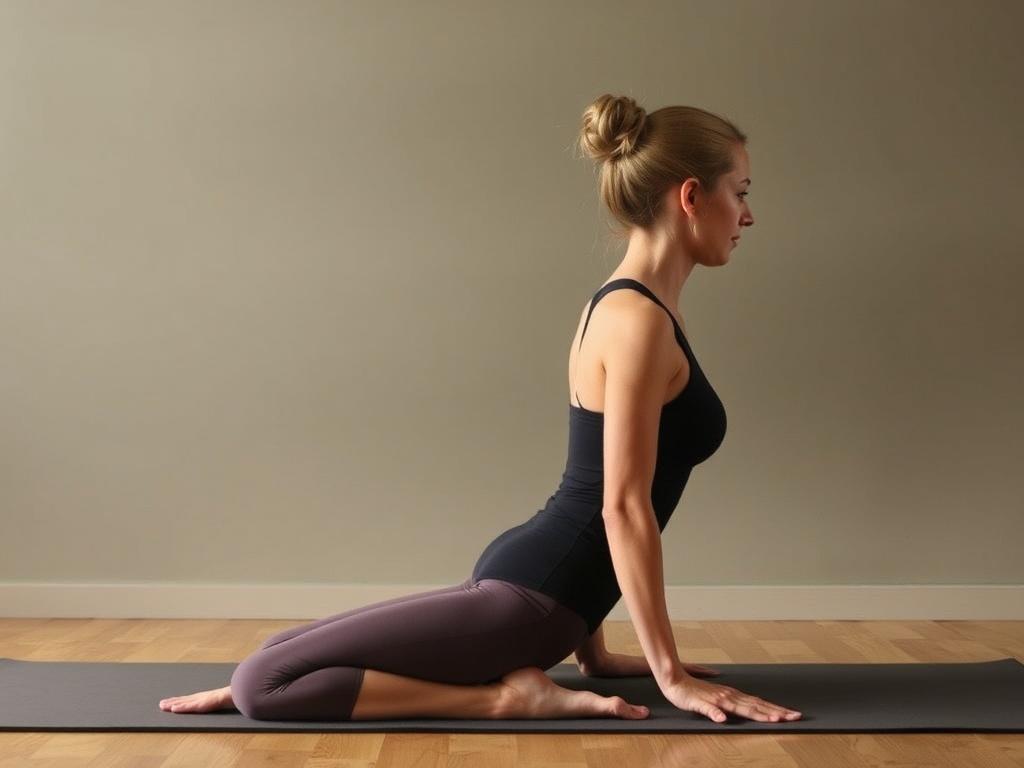
Core control is central to posture. A strong, coordinated core stabilizes the spine so the shoulders and hips can move freely. The following exercises emphasize quality of movement and progressive challenge rather than high reps.
Dead bug
The dead bug trains deep abdominal coordination while keeping the spine stable. Lie on your back with knees bent at 90 degrees and arms straight toward the ceiling. Slowly lower one arm overhead while extending the opposite leg, keeping the low back gently anchored to the floor.
Start with 8–12 slow, controlled repetitions per side and focus on breathing—exhale as you extend. If you feel your lower back arch, reduce the range of motion. Progress by adding resistance bands or ankle weights once coordination improves.
Plank variations
Planks train anti-extension strength, which prevents excessive lumbar arching. Begin on forearms with a straight line from head to heels. Hold for 20–45 seconds focusing on a neutral spine and breathing softly through the nose.
To progress, add side planks for lateral core strength or perform plank reaches where one hand briefly lifts to touch the opposite shoulder. Avoid sagging hips or a rigid, clenched neck—both indicate compensation rather than control.
Bird-dog
Bird-dog builds coordination between opposite limbs and reinforces a neutral spine during movement. On all fours, extend one arm forward and the opposite leg back, keeping the pelvis level and spine stable. Pause, return, and switch sides for 8–12 reps each.
Keep movements deliberate; a common mistake is rotating the hips. Imagine a straight line from fingertips to toes and move only within the control of that line. This exercise translates well to walking and lifting tasks.
Glute bridge
Strong glutes support the pelvis and reduce lower back compensation. Lie on your back with knees bent, feet hip-width apart, and lift the hips until the body forms a line from shoulders to knees. Squeeze the glutes at the top and lower with control for 10–15 reps.
Progress with single-leg bridges or by placing a resistance band above the knees to engage the hip abductors. Avoid overarching the low back; the effort should come from the hips and glutes, not the spine.
Upper back and shoulder strengthening
Rounded shoulders often come from weak upper back muscles and tight chest muscles. Strengthening the posterior chain—rhomboids, mid and lower traps, and rear deltoids—pulls the shoulders back and opens the chest naturally.
These exercises require mindful scapular movement rather than heavy weights. Quality beats quantity here: a strong, coordinated upper back holds posture in daily life, not just during gym sessions.
Scapular squeezes
Sitting or standing, draw the shoulder blades together as if pinching a small ball between them, then release. Perform 12–15 slow repetitions, holding each squeeze for one to two seconds. This exercise teaches the sensation of engaged upper back muscles.
Make these part of your desk routine—set a timer for hourly reminders. Layering low-intensity practice throughout the day builds endurance without fatigue.
Seated or bent-over rows
Rows strengthen the mid-back and external rotators of the shoulder. Use a resistance band, cable, or dumbbell and focus on initiating movement from the shoulder blades rather than the arms. Pull with a controlled tempo and squeeze at the end of each rep.
Aim for 8–15 reps depending on load. A common error is using momentum or hyperextending the lower back; stabilize the core and avoid jerky movements. Properly done rows improve scapular stability and reduce forward shoulders.
Face pulls and YTWL
Face pulls (with a band or cable) and the YTWL series target the rear shoulder and lower trap muscles that support scapular health. Perform these with light resistance and high repetition ranges—12–20 reps—to encourage endurance and posture over time.
Control and range are more important than how heavy the weight is. Think of these as corrective work that complements heavier compound lifts, keeping the shoulder girdle balanced.
Neck alignment and gentle stretches
The neck often compensates for poor upper back posture. Gentle exercises can reduce forward head posture and alleviate tension without overworking delicate neck structures. Progress should be gradual and pain-free.
Incorporate chin tucks, gentle range-of-motion moves, and side stretches to restore length to the front neck muscles and strength to the deep cervical flexors. Always move with control and avoid ballistic motions in this area.
Chin tuck
Chin tucks are simple and effective: sitting or standing tall, retract the chin straight back to feel a gentle lengthening at the base of the skull. Hold for 5–10 seconds and repeat 10–15 times. This trains deep neck flexors and helps pull the head over the shoulders.
Avoid tilting the head down or crunching the neck; the movement should be a horizontal shift. Over time, performing chin tucks frequently reduces forward head position during daily tasks.
Levator and upper trapezius stretch
To relieve tightness, gently tilt your head to the side and slightly forward while holding the opposite side with your hand to increase the stretch. Hold 20–30 seconds and repeat two to three times per side. Breathe slowly to help the muscle release.
If stretching causes sharp pain, stop and consult a clinician. Pain-free mobility is the goal, not deep discomfort. Gradual increases in tolerance are the sign of real progress.
Thoracic mobility: the spine’s rotation and extension
The thoracic spine (mid-back) is designed for rotation and extension, but modern habits often lock it in a rounded position. Restoring movement here improves breathing, shoulder function, and upper body posture. Exercises should emphasize extension and rotation in comfortable ranges.
Thoracic mobility work complements upper back strengthening. When the mid-back moves freely, the neck and shoulders no longer compensate as much, and the whole upper chain moves more efficiently.
Foam roller extension
Lie across a foam roller placed under the mid-back with knees bent and feet flat. Support your head with your hands and gently extend over the roller, moving the roller up and down the spine to find stiff spots. Keep movements smooth and avoid pressure on the lower back.
Perform 6–10 repetitions, pausing at areas that feel restricted. If a foam roller causes pain, start with a rolled towel under the thoracic area and progress as tolerated. The aim is to create space and movement in the mid-back.
Thread the needle
On all fours, reach one arm underneath the opposite side, allowing the shoulder and upper back to rotate toward the floor. Reach with the opposite hand for support or lift it toward the ceiling for a deeper rotation. Hold for 20–30 seconds and repeat several times per side.
This stretch combines rotation with a light thoracic extension and is useful during desk breaks. It helps unload the shoulders and restores normal rotational mechanics for daily activities like turning while driving.
A balanced weekly program you can follow
Consistency matters more than intensity. A well-rounded weekly plan balances mobility, strength, and recovery to steadily improve posture. Below is a sample routine designed for three dedicated sessions plus daily micro-practices you can integrate into workdays.
| Day | Main focus | Example |
|---|---|---|
| Monday | Core & hip strength | Dead bugs, planks, glute bridges (3 sets each) |
| Wednesday | Upper back & shoulders | Rows, face pulls, scapular squeezes (3 sets each) |
| Friday | Mobility & integration | Thoracic extensions, bird-dog, thread the needle (3 sets) |
On non-training days, perform short sessions of breathing practice, chin tucks, and scapular squeezes—five to ten minutes total. Micro-practices maintain neuromuscular patterns and prevent backslide from daily stressors.
As you progress, increase difficulty before volume—add more challenging variations, heavier resistance, or longer holds. Periodic reassessment helps you adapt the program to your evolving needs.
Desk-friendly routines and quick fixes
Most of us spend long stretches seated. Short, frequent breaks beat one long workout when it comes to posture. A five-minute routine every 50–60 minutes can dramatically reduce stiffness and maintain alignment.
Try this simple cycle: stand, take three deep diaphragmatic breaths, perform 10 scapular squeezes, do 8–10 thoracic rotations while standing, and finish with a chin tuck sequence. These moves re-set posture and restore mobility without needing special equipment.
If you’re traveling or pressed for time, face pulls with a resistance band and a set of side planks are portable and effective. Keep a band in your bag and use it to refresh posture in airports or hotel rooms.
Common mistakes and how to avoid them
Two frequent errors derail progress: doing too much too soon, and chasing perfect alignment instead of functional improvements. Overloading corrective exercises can increase pain or reinforce compensations. Start conservatively and progress deliberately.
Another mistake is relying only on stretching to fix tightness. Tight chest muscles often persist because the opposing upper back muscles are weak. Combine stretching with strengthening to create lasting change. Balance is the operative word.
Finally, neglecting breathing coordination limits gains. Many posture exercises fail because the nervous system isn’t coached to use the core diaphragm properly. Integrate breathing cues into every exercise for quicker, safer progress.
When to seek professional help
If pain is sharp, progressive, or accompanied by numbness, tingling, or weakness, see a doctor or physical therapist before continuing or starting a program. These signs can indicate nerve involvement or structural issues that require targeted care. A professional assessment helps rule out serious conditions.
A licensed physical therapist can provide individualized movement tests and hands-on techniques that accelerate recovery. They also design progressions to match your capacity and daily demands. Use professional guidance if your posture problems are longstanding or interfere with function.
If you have a known spinal condition—like scoliosis, spinal fusion, or recent surgery—consult your medical team before attempting new exercises. Many postural improvements are still possible with medical oversight, but the program must be tailored carefully.
Real-life example: a desk worker’s transformation

Several years ago I worked long days at a computer and woke each morning with a stiff neck and achy shoulders. The routine of stretching alone gave temporary relief, so I designed a simple, sustainable plan instead: five minutes of breathing and mobility in the morning, three focused strength sessions a week, and hourly desk breaks with scapular work.
Within six weeks the neck tension eased, breathing felt fuller, and clothes sat better across the shoulders. The change wasn’t dramatic overnight; it was a series of small, consistent habits. That experience convinced me that posture training is an endurance project—not a quick fix.
What helped most was making the routine easy to follow. I set phone reminders, kept a resistance band in my desk drawer, and swapped a heavy shoulder bag for a balanced backpack. These small practical shifts made adherence possible and results inevitable.
How to keep progress steady over months and years
Think in terms of maintenance once you’ve built a solid foundation. Continue core and upper-back work two to three times a week and keep micro-practices in your daily routine. Movement skills fade if unused, so periodic refreshers preserve gains.
Periodically reassess with the same home tests you started with. If a new job or life change alters your habits, reintroduce focused work promptly. Staying posture-aware—without obsessing—creates long-term resilience.
Finally, enjoy variety. Swimming, yoga, Pilates, and mindful strength training all contribute to posture in different ways. Choose activities you enjoy; consistency is more sustainable than any one perfect program.
Your posture is a combination of anatomy, habit, and movement skill. By pairing mobility with targeted strength, reinforcing healthy daily habits, and practicing regularly, you can create an elegant, comfortable posture that lasts. Start small, be patient with the process, and let steady improvements become the new normal.