
Rebuilding after an injury is part science, part patience, and a little stubbornness. Whether you are recovering from a sprained ankle, a torn rotator cuff, or a lower back flare-up, the right exercises can shorten downtime, prevent recurrence, and restore confidence. This article walks through principles, stages, sample routines, and safety tips so you can move forward deliberately and wisely.
Principles of effective rehabilitation
Rehab starts with clear goals: restore safe pain-free movement, rebuild capacity, and return to the activities that matter to you. Goals guide exercise selection and progression; without them, sessions drift toward motion without function. Think of rehabilitation as rebuilding a bridge — you need assessment, scaffolding, and gradual load testing before opening traffic again.
Consistency matters more than intensity in early phases. Short, frequent sessions that prioritize technique produce better tissue adaptation than occasional heavy efforts. Frequent loading with appropriate recovery allows tendon, muscle, and neural systems to remodel without provoking setbacks.
Load management is the thermostat of progress. Too little stress and structures remain weak; too much and you provoke inflammation or re-injury. Learning to adjust volume and intensity based on symptoms, workload outside therapy, and sleep or stress levels is a skill worth developing early.
Stages of recovery and exercise goals
Rehabilitation unfolds in stages: protection and pain control, restoration of range and basic strength, rebuilding capacity and neuromuscular control, and finally sport- or life-specific return. Each stage has distinct objectives and safe exercise choices, and moving too quickly through a stage increases risk. Time frames vary widely by injury type, age, and baseline fitness.
In the protection phase the focus is on pain management and preventing harmful movements while preserving mobility where possible. Gentle range-of-motion work, isometrics, and circulation-friendly activities reduce stiffness and maintain tissue health. This phase also includes addressing swelling and educating the patient on guarded, purposeful movement.
The strengthening and neuromuscular phase emphasizes progressive resistance, coordination, and balance. Exercises become more functional and challenge the system through multi-joint tasks that mimic daily life or sport demands. By the time someone reaches the return-to-activity phase, workouts should recreate the intensity and decision-making of their target activity.
Assessment and building a personalized program
Start with a thorough assessment: joint range, strength imbalances, pain patterns, gait, and movement quality. Objective measures — single-leg balance time, range degree, or timed sit-to-stand — provide baselines and milestones. A good evaluation reveals not only the injured structure but also compensatory patterns that will sabotage recovery if left unaddressed.
Personalization factors in medical history, goals, available equipment, and time constraints. Two people with the same diagnosis may require different programs because work demands, sport level, or comorbidities differ. A customized plan maps exercises to goals and provides clear progression criteria so both therapist and patient know when to advance.
Progression criteria should be simple and measurable: pain under 3/10 during activity, correct form for 10 repetitions, or stable balance for 30 seconds. Using these objective checkpoints prevents guesswork and reduces the temptation to push too hard or too little. Track progress with weekly notes so adjustments are data-driven, not guess-driven.
Key exercise types and why they matter
Range of motion exercises restore joint mobility and prevent adhesion formation. Passive and active-assisted movements are appropriate early after many injuries, while active range and loaded ranges come later. Consistent, gentle mobility work preserves options and makes later strengthening more effective.
Strength training rebuilds tissue capacity and improves joint stability. Begin with isometrics to activate muscles without excess movement, then move to concentric and eccentric loading as pain allows. Strength should be functional — think squatting and reaching patterns rather than isolated machines when possible.
Proprioception and balance training retrains the nervous system to sense position and react to perturbations. These drills are crucial after ankle sprains or knee injuries where joint receptors were disturbed. Balance work reduces re-injury risk and improves confidence when navigating uneven surfaces or sport environments.
Cardiovascular conditioning preserves overall fitness and aids tissue healing by improving circulation. Low-impact modalities like cycling, swimming, or elliptical work are often suitable during lower extremity rehab. Maintaining aerobic base helps psychological well-being and speeds return to activity when strength milestones are met.
Safety first: pain, swelling, and red flags

Pain is a guide but not an absolute limit — learn the difference between productive soreness and harmful pain. A useful rule is to avoid sharp increases in symptoms during exercises and to watch for pain patterns that worsen the day after activity. If swelling, night pain, or functional decline occurs, reduce load and consult a clinician.
Swelling often signals that tissues are being overloaded or that inflammation is not controlled. Simple strategies like elevation, temporary activity modification, and anti-inflammatory measures can help, but persistent effusion warrants professional reassessment. Ignoring swelling tends to prolong the rehabilitation timeline.
Red flags include neurological deficits, sudden worsening of symptoms, fever with localized pain, or instability that prevents safe movement. These signs require immediate clinical follow-up and possible imaging. Better safe than sorry: early re-evaluation can redirect the plan and avoid long-term consequences.
Lower extremity injuries: ankle, knee, and hip protocols
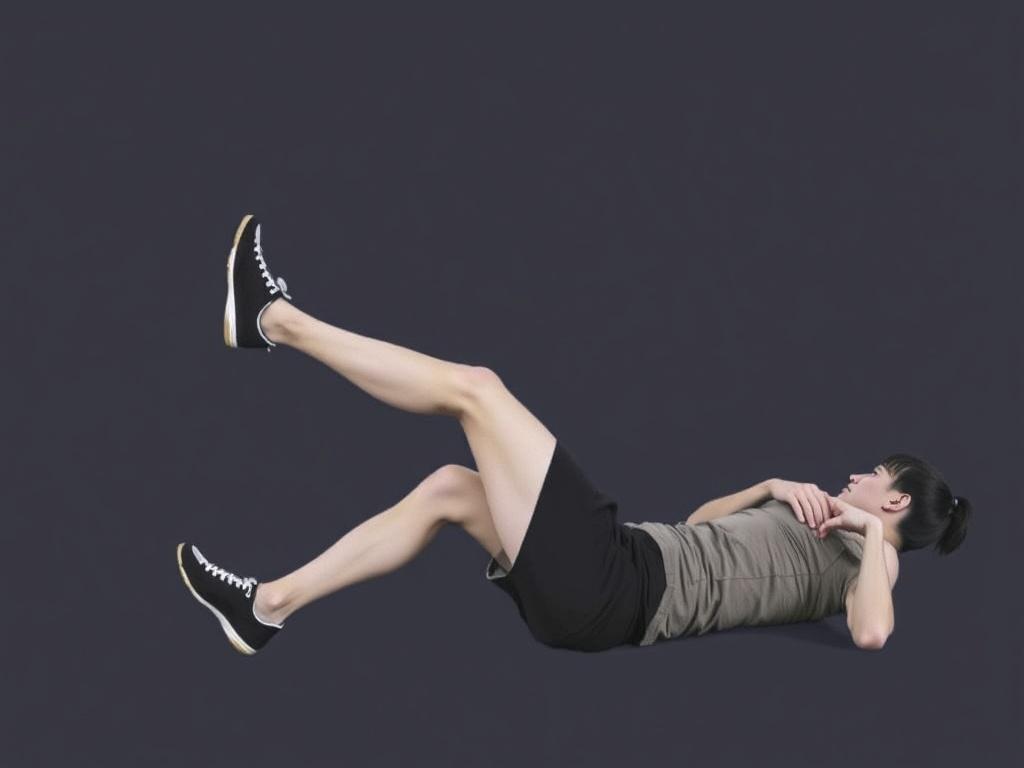
Lower limb rehab often centers on restoring mobility, strength, and the ability to accept load in closed-chain positions. Because walking and running load the entire kinetic chain, deficits at the ankle or hip often show up as knee pain. Address the whole limb rather than isolating the injured joint when possible.
For many ankle sprains, early gentle range work and weightbearing as tolerated lead to quicker recovery than prolonged immobilization. Emphasize dorsiflexion and plantarflexion mobility, then progress to single-leg balance and lateral hops. Proprioceptive training is the cornerstone of preventing recurrent sprains.
Knee rehabilitation varies with the structure involved — meniscus, ligament, or patellofemoral pain each have different priorities — but strengthening the quadriceps and hip abductors is frequently beneficial. Controlled squats, step-ups, and eccentric leg work restore load capacity and correct maltracking. Avoid deep, loaded flexion too early after certain repairs; follow surgical protocols closely.
Ankle: practical exercise progression
Begin with ankle alphabet motions, ankle pumps, and seated banded dorsiflexion for early mobility. Once swelling is reduced, introduce heel raises and toe raises for basic strength. Progress to single-leg balance on stable, then unstable surfaces, and finally to plyometric drills like hop-and-stick for sport return.
Example set/rep progression: 3×15 ankle pumps, 3×10 heel raises, balance holds 3×30 seconds, then hop progressions starting with 3×6 hops. Gradually increase speed and complexity while monitoring swelling and pain. The goal is pain-free landing mechanics and symmetry with the uninjured side.
Knee: targeted strategies
Isometric quadriceps sets and straight-leg raises are useful early to prevent atrophy. As control improves, add closed-chain exercises such as mini-squats and step-ups to load the joint in functional patterns. Incorporate hip strengthening — particularly glute medius — to address frontal-plane control often implicated in knee pain.
For ligament reconstructions or meniscal repairs, follow specific timelines from your surgeon and therapist, but expect progressive strengthening over months. Return to cutting or pivoting sports should only occur once strength, hop symmetry, and movement quality are restored to safe levels.
Hip: reclaiming stability and gait
Hip issues frequently present with compensatory low back or knee pain. Early work includes glute bridges, clamshells, and hip internal/external rotation mobility drills. Over time, integrate single-leg Romanian deadlifts and lateral lunges to rebuild dynamic control for walking and running.
Addressing hip extensor and abductor endurance reduces compensatory stress elsewhere. For many people, improving 30–60 second endurance of single-leg stance and repeated step-down control yields immediate functional gains. Train movement quality before loading heavy weights.
Upper extremity: shoulder, elbow, and wrist considerations
Upper limb injuries demand attention to both mobility and scapular mechanics. The shoulder relies on a coordinated interplay of rotator cuff strength and scapular stabilization, so isolate and integrated exercises are both necessary. Gradual exposure to overhead and load-bearing positions is essential for safe return to sport or work.
Elbow and wrist rehab focuses on restoring fine motor control and tendon resilience after overuse injuries. Isometric holds, eccentric loading for tendinopathies, and progressive gripping tasks rebuild capacity. Ergonomic adjustments at work or in sport equipment often accompany exercise prescriptions to prevent recurrence.
Shoulder: mobility to power
Start with scapular retraction and depressed shoulder blade work to establish a stable base. Gentle pendulum and wall-assisted range-of-motion drills preserve joint mobility early on. Progress to rotator cuff isometrics, then resisted external and internal rotation with bands before moving into multi-planar pushes and pulls.
Include closed-chain exercises such as wall push-ups or incline pushing when tolerance allows, as these re-integrate the shoulder into weightbearing roles. Overhead athletes require additional emphasis on eccentric deceleration and plyometric medicine ball drills to replicate sport demands safely.
Elbow and wrist: tendinopathy and stability
Lateral or medial epicondylitis responds well to eccentric wrist extensor or flexor loading performed slowly and with control. Start with isometrics, then progress to slow eccentric lowering through a full range and slowly increase load. Wrist stabilization drills and gripping progressions restore functional endurance for tasks like lifting or racquet sports.
Address kinetic chain deficits from the shoulder or cervical spine that can perpetuate symptoms. Often relieving nerve or shoulder strain reduces load on the elbow or wrist and speeds improvement. A holistic view gives better, longer-lasting results than local-only focus.
Core and spine rehabilitation
Core work is not about endless sit-ups but restoring coordinated stability between the trunk and pelvis. Deep stabilizers like the transverse abdominis and multifidus activate first to support movement, followed by progressive integration into functional tasks. Quality of contraction eclipses quantity early on.
For lower back pain, early walking and controlled lumbar range-of-motion are often more helpful than rigid bracing. Stabilization exercises such as bird dogs, dead bug variations, and side planks build endurance and teach the spine to resist unwanted motion. Progress carefully toward loaded carries, rotational control, and conditioning specific to daily tasks.
Remember that respiration and pelvic floor function contribute to trunk stability. Breathing retraining and integration of pelvic floor cues can improve performance on core tasks, particularly after surgery or prolonged inactivity. Coordinate these elements with your therapist for tailored progressions.
Balance, proprioception, and return to sport
Balance is both a physical and cognitive challenge — it tests strength, reflexes, and attention simultaneously. Training should therefore progress from static holds to dynamic tasks that include visual or cognitive distractions. These challenges mirror real-life and sport demands more closely than stationary drills alone.
Progression might follow this trajectory: bilateral stable stance, single-leg stable stance, single-leg unstable surface, dynamic single-leg tasks with reach, then sport-specific cutting and reactive drills. Each step should be mastered with good form and minimal symptom provocation before progressing. Using a mirror or video can help patients correct subtle compensations.
Return-to-sport decision-making should include objective tests: limb symmetry index above a target (often 90+%), acceptable pain levels, and successful completion of sport-specific simulated tasks. Psychological readiness and confidence are also predictors of successful reintegration; include graded exposure to high-speed and contact elements when relevant.
Modalities, pain management, and adjunctive therapies
Modalities like ice, heat, ultrasound, or electrical stimulation can be helpful adjuncts when used purposefully. Ice reduces acute swelling, heat can ease muscle tension, and NMES assists in early muscle reactivation when voluntary activation is poor. Use these tools to complement exercise, not replace it.
Manual therapy — soft tissue mobilization, joint mobilizations, or targeted massage — often improves mobility and reduces pain to allow more effective exercise. Manual work is at its best when paired with corrective exercise so that gains are maintained through movement patterns. Avoid long-term dependence on passive treatments without active rehabilitation.
Pain education and pacing techniques reduce fear-avoidance and help patients engage in progressive loading. Teaching what to expect, normalizing mild soreness, and providing clear parameters for safe activity empowers people to take an active role in recovery. Psychological tools, including goal-setting and graded exposure, are sometimes as important as physical interventions.
Common mistakes that delay progress
Pushing too hard too soon is the single most common rehab mistake. Overloading inflamed tissues or ignoring protocol timelines often leads to flare-ups that set recovery back weeks. Progressing by pain alone without objective criteria invites unnecessary risk.
Another error is working in isolation on the injured body part and ignoring the kinetic chain. An ankle sprain accompanied by hip weakness or a shoulder complaint compounded by thoracic stiffness will not resolve optimally if adjacent deficits remain. A broad, integrated approach yields faster, more durable outcomes.
Skipping the basics of movement quality in favor of strength numbers can also be counterproductive. Heavy loads performed with poor mechanics embed faulty movement patterns and raise re-injury risk. Teach and reinforce correct form before chasing intensity.
Designing a progressive weekly plan
A structured weekly plan blends frequency, intensity, and progression. Early rehab often favors daily short sessions emphasizing mobility and activation, then moves to three to five strength-focused sessions per week as capacity allows. Plan recovery days and active rest so fatigue does not derail consistency.
Below is a sample six-week progression for a moderate ankle sprain to illustrate periodization across phases. Use it as a template, not a prescription — individual timelines vary widely.
| Phase | Duration | Focus | Example sessions per week |
|---|---|---|---|
| Protection | Week 1 | Pain control, gentle ROM | Daily short sessions (10–15 minutes) |
| Early loading | Weeks 2–3 | Isometrics, basic strength, balance | 3–4 sessions (20–30 minutes) |
| Strength and control | Weeks 4–5 | Progressive resistance, dynamic balance | 3–5 sessions (30–45 minutes) |
| Return prep | Week 6+ | Plyometrics, sport-specific drills | 3–5 sessions plus conditioning |
Adjust sets, reps, and complexity based on symptom response and objective gains. If swelling increases or movement quality deteriorates, step back a phase and re-establish stability before progressing. Use objective tests like single-leg hop symmetry to confirm readiness for higher-intensity work.
Monitoring progress and objective measures
Use measurable milestones to guide progression: pain scales, repetitions at a given resistance, balance hold times, or timed functional tasks. Recording these metrics weekly creates a narrative of improvement and highlights plateaus early. Objective data reduce anxiety about slow or uneven progress.
Functional tests such as single-leg hop, timed stair climb, or repeated sit-to-stand provide meaningful indicators of readiness for work or sport. Compare to pre-injury baselines when available, or aim for normative targets adjusted for age and activity level. Repeated testing also helps fine-tune programming.
Subjective measures still matter: confidence, perceived exertion, and readiness to return. If objective tests are good but the patient reports fear or hesitation, incorporate graded exposure and psychological tools before full return. Addressing both body and mind is often the difference between a return and a relapse.
Real-life examples from my practice
I once worked with a recreational soccer player who ruptured his ACL and wanted to return to weekend matches. We mapped a year-long plan with staged goals: restore knee extension by week 4, single-leg hop by month 4, and controlled cutting by month 8. By aligning progressions to clear tests and exposing him gradually to sport-specific drills, he returned to soccer at 10 months with confidence and symmetry in hop testing.
Another example involved a woman with persistent lateral elbow pain that had resisted months of massage. A movement screen revealed neck stiffness and scapular instability that increased load on her forearm during repetitive tasks. Addressing thoracic mobility and scapular control alongside eccentric wrist extensor training led to consistent improvement and ultimately eliminated her pain during gardening and tennis.
These cases underscore a theme: contextualizing the injury within whole-body movement and setting measurable, staged goals produces better outcomes than isolated treatment. Rehab is rarely about a single exercise — it’s about sequencing the right interventions at the right time.
Practical tips for everyday adherence
Make exercises convenient and short in the early weeks to build habit. Ten-minute routines done twice daily beat sporadic hour-long sessions in most cases. Consistency compounds; small daily wins translate into substantial gains over weeks.
Record sessions in a simple journal and set weekly targets rather than daily perfection. Celebrate improvements in balance time, range of motion, or ability to complete a functional task without pain. Small objective gains maintain motivation through the slower middle phases of rehab.
If access to in-person therapy is limited, use telehealth check-ins to review technique and progression criteria. Video feedback allows therapists to correct form and adjust programs while keeping the patient engaged. Remote supervision is far better than going it alone without any guidance.
When to seek professional help

If pain prevents basic function, if swelling or instability persists, or if simple home progress stalls for more than a few weeks, consult a licensed clinician. Early intervention often shortens recovery time and clarifies whether imaging or referral to a specialist is necessary. Trust your instincts when something seems off.
Post-surgical protocols also require professional oversight to protect repairs and optimize outcomes. Follow the timeline provided by your surgical team, and coordinate with a physical therapist to translate milestones into safe, individualized exercise progressions. A guided plan minimizes complications and accelerates return to meaningful activities.
For complex cases involving neurological deficits, significant comorbidities, or multi-joint trauma, multidisciplinary care ensures all factors are addressed. Working with therapists, physicians, and sometimes psychologists or occupational therapists produces the best functional outcomes. Comprehensive care prevents piecemeal treatment that overlooks key contributors.
Wrap-up and next steps for readers
Rehabilitation is a structured journey rather than a quick fix; it rewards steady, smart effort and good communication with your clinician. Use objective milestones, focus on movement quality, and progress load gradually to rebuild capacity without provoking setbacks. Remember that recovery timelines vary — patience paired with purpose yields the best long-term results.
If you are beginning your own recovery, start with a clear assessment, set realistic short-term goals, and establish a routine you can maintain. Seek professional guidance when in doubt, and treat rehab as an investment in future resilience rather than a temporary nuisance. With the right plan and consistent work, most people regain function and return to the activities they love.