
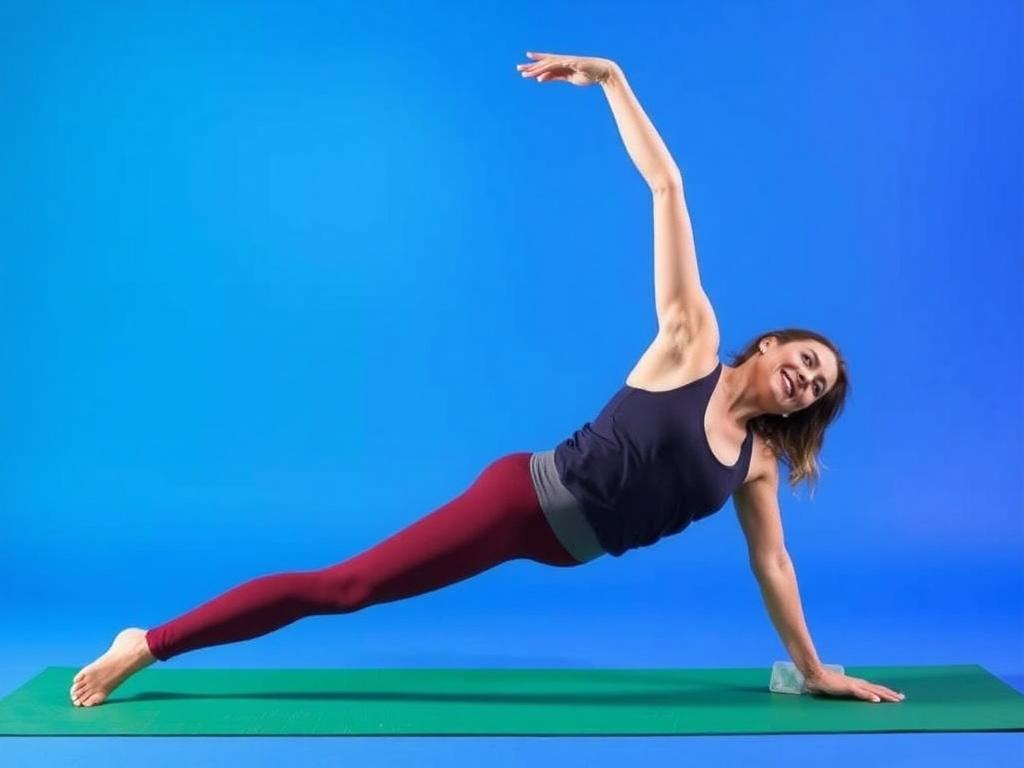
Finishing a workout without stretching is like leaving a good book at the last page: you miss the payoff. This article walks you through why post-workout stretching matters, how to do it safely, and which exercises deliver the most benefit for common training sessions. Expect practical routines, clear cues, a table you can print out, and real-life tips that come from years of training and coaching.
Why stretching after a workout matters
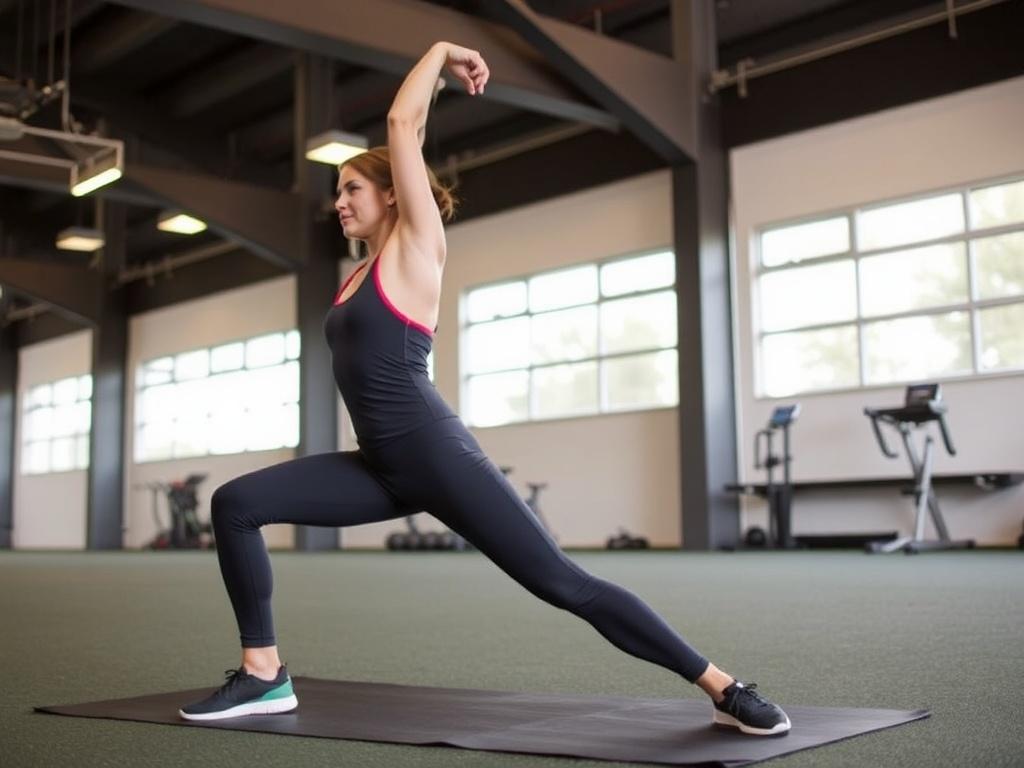
Stretching after exercise helps muscles transition from high-activity states to recovery mode. When you work out, muscle fibers contract repeatedly and accumulate metabolic byproducts; gentle stretching promotes blood flow and nutrient delivery to those tissues, which can reduce soreness and speed recovery.
Beyond physiology, stretching sends signals to the nervous system that encourage relaxation and improved range of motion. That increased mobility doesn’t just feel good — it often improves technique and reduces injury risk in subsequent sessions.
How post-workout stretching supports performance and recovery
Maintaining or improving flexibility makes it easier to perform movements with better form, especially in compound lifts, lunges, and overhead activities. A joint that moves freely distributes load more evenly across tissues, decreasing strain on tendons and ligaments.
Stretching also complements other recovery practices — hydration, sleep, and nutrition — by helping to normalize muscle tone and reduce localized tightness. When done consistently, it can shorten the time needed between challenging workouts.
General safety rules for post-workout stretching
Start with a short cool-down of light cardio or rhythmical movement for three to five minutes to bring heart rate down gradually. Jumping straight from intense exercise to static deep stretches can be jarring; a gentle warm-down keeps muscles pliable and responsive.
Never push into sharp pain. Discomfort at the edge of a stretch is normal, but sharp or shooting pain signals tissue damage or nerve impingement and requires backing off immediately. Breathe steadily and avoid bouncing, which can strain muscle fibers.
If you have a medical condition, recent injury, or persistent joint pain, get clearance from a healthcare professional before starting a new stretching routine. A tailored plan will keep you safe and help you progress faster.
Types of stretches and when to use them
There are three primary approaches to stretching you should know: static, dynamic, and PNF (proprioceptive neuromuscular facilitation). Each has its place in recovery and performance plans depending on the workout and goals.
Static stretching involves holding a position at a comfortable end range for 20–60 seconds and works well after workouts to reduce tightness. Dynamic stretching uses controlled movement through ranges of motion and is typically better before activity to prime muscles and joints.
PNF combines gentle contracting and relaxing of muscles to increase range of motion more efficiently, often used in rehab or when a quick flexibility gain is desired. It requires more skill or a partner but can be highly effective when done correctly.
How long to hold stretches and how often to stretch
For general post-workout recovery, holding static stretches for 20–30 seconds per muscle group is a practical guideline that balances benefit and time. If you’re aiming for greater flexibility, hold for 45–60 seconds and repeat two or three times with short rest in between.
Frequency matters: stretching consistently — three to five times per week — produces better long-term gains than sporadic sessions. Even short daily sessions of 10–15 minutes can maintain mobility and mitigate stiffness.
Breathing and mindset during stretching
Your breath is a simple tool that influences how deeply you can relax into a stretch. Breathe slowly and exhale as you ease into the position; each exhale is an opportunity to release tension politely and safely. Holding your breath tightens muscles and reduces the stretch’s effectiveness.
Approach stretching with curiosity rather than force. Focus on smooth movement and small gains; flexibility is a process that responds to steady, mindful practice. A calm, purposeful mindset reduces the chance of overshooting and causing an injury.
Practical cues: what to feel and what to avoid
When you enter a stretch, look for a steady, sensing warmth or a mild burning feeling that eases as you breathe. That’s a sign tissues are adapting. If you feel pins-and-needles, numbness, or sharp pain, reduce intensity or stop — those are signs of nerve irritation or structural stress.
Use props like straps, blocks, or a wall to control the range and avoid collapsing into joints. Proper alignment — such as neutral spine and engaged supporting muscles — protects vulnerable areas and makes the stretch more effective.
Basic post-workout routine: hit the major muscle groups
A well-rounded routine addresses the muscles you used most during the session, plus secondary areas that commonly tighten, like hip flexors and the thoracic spine. Simplicity wins: 10 to 20 minutes of focused stretching will provide measurable benefits for most people.
Below is a compact table listing practical stretches for key regions, recommended hold times, and brief cues. Print this and keep it in your gym bag for easy reference.
| Muscle group | Stretch | Hold time | Key cues |
|---|---|---|---|
| Hamstrings | Seated single-leg hamstring | 30–45 sec | Hinge at hips, keep spine long |
| Quads | Standing quad stretch | 30 sec each | Hips square, pull heel gently |
| Hip flexors | Kneeling lunge stretch | 30–45 sec each | Tuck pelvis slightly, engage glute |
| Calves | Wall calf stretch | 30 sec each | Keep heel down, bend front knee |
| Glutes | Figure-4 supine | 30–45 sec each | Pull shin toward chest, relax shoulders |
| Lower back | Child’s pose | 30–60 sec | Breathe into ribcage, relax hips |
| Chest | Doorway pec stretch | 20–30 sec each | Rotate torso away slightly, steady breath |
| Shoulders | Cross-body arm stretch | 20–30 sec each | Keep shoulder down, avoid shrugging |
Lower-body stretches: detailed guidance
The legs usually do the heavy lifting in many workouts, so dedicating time to the lower body is essential. I recommend covering hamstrings, quads, calves, glutes, and hip flexors in every post-leg day routine.
Below are effective, easy-to-learn exercises with precise cues that reduce common mistakes and make the stretches more productive.
Hamstring stretches
Seated single-leg hamstring stretch is simple and safe: sit with one leg extended and the other bent, hinge at the hips toward the straight leg while keeping your back long. Aim to feel a stretch along the back of your thigh rather than rounding your lower back.
A supine band-assisted hamstring stretch is useful if your hamstrings are very tight. Lie on your back, wrap a band around the foot, and gently lift the leg, keeping a slight bend in the knee. This reduces lumbar strain and allows you to target the hamstring without forcing the pelvis to tilt.
Quadriceps stretches
Standing quad stretch — grab your ankle and draw your heel toward your glute with knees aligned and hips square. Keep the standing leg slightly soft and avoid arching your lower back by gently tucking the pelvis and engaging the glute of the stretched side.
If balance is a problem, hold onto a wall or use a strap around the ankle. For a deeper quad and hip flexor release, step into a half-kneeling lunge and tilt the pelvis posteriorly while pressing hips forward slowly.
Calf stretches
The wall calf stretch (straight-leg and bent-knee variations) targets both gastrocnemius and soleus muscles. Place hands on a wall, step one foot back with heel down, and keep the back leg straight for the gastrocnemius; bend the back knee slightly to shift into the soleus.
Hold each position and feel the stretch behind the lower leg without letting the heel pop up. Tight calves often limit ankle dorsiflexion, which affects squat depth and running mechanics, so don’t skip these.
Glute and piriformis stretches
Figure-4 supine is a compact move: lie on your back, cross one ankle over the opposite thigh, and pull the uncrossed leg toward your chest. This isolates the glute and piriformis and can relieve pressure that radiates into the lower back.
Sitting cross-legged and leaning forward or doing a pigeon pose variation (if your hips allow) can also open the posterior chain more deeply. Keep breathing and avoid forcing the hip into a painful position; the goal is release, not punishment.
Hip flexor stretches
A kneeling lunge that tucks the pelvis and squeezes the glute on the front leg creates effective lengthening of the hip flexors. Small adjustments — a micro anterior pelvic tilt or rotating the pelvis slightly — will fine-tune where you feel the stretch.
If you have tight quads plus hip flexors, perform a standing quad stretch with a slight forward lunge to emphasize the front of the hip. Maintain posture so you feel the hip, not the lower back.
Upper-body stretches: targeted options
Upper-body tightness often appears after pushing, pulling, or overhead sessions. Focus on the shoulders, chest, lats, and upper back to restore mobility and reduce shoulder pain risk.
Perform these stretches gently, and pay attention to the thoracic spine — increased mobility here often improves overall shoulder function.
Chest and anterior shoulder stretches
A doorway pec stretch is easy: place your forearm on a door frame and rotate the torso away until you feel a stretch across the chest. Keep your neck neutral and avoid shrugging the shoulder toward your ear.
Another option is the wall corner stretch, which offers a wider range and accommodates different arm positions for varied angles of the pectoral fibers. Hold for 20–30 seconds and repeat on both sides.
Posterior shoulder and upper-back stretches
The cross-body shoulder stretch helps relieve tension in the posterior shoulder and the rotator cuff region. Pull one arm across the body at chest height, using the opposite hand to control intensity, and keep the shoulder down.
For thoracic mobilization, perform a seated or standing thoracic rotation: interlace fingers behind the head and rotate the torso slowly from side to side while keeping the hips stable. This restores upper spinal mobility that benefits overhead lifts.
Lats and side body
Child’s pose with arms extended or a side-lying lat stretch works well after pulling sessions. Reach the arm overhead and imagine elongating from hip to fingertips to feel a clean stretch along the side body.
If you trained pull-ups or rowing, spend extra time on lats; a tight lat can limit overhead range and cause compensatory movements in the shoulder complex.
Core and spine mobility
The core isn’t just for strength — it needs adequate mobility to coordinate trunk movement and protect the spine. Gentle spinal flexion and extension can normalize tone and release tension.
Perform slow cat-cow cycles or supine knees-to-chest holds. These movements create safe spinal motion and rhythmically massage the lumbar region, which is especially helpful after heavy lifts or long runs.
Spinal twists and rotations
A supine trunk rotation (knees dropped to one side while shoulders stay grounded) is an easy way to restore rotational mobility after twisting or rotational work. Keep the movement gentle and controlled, making sure both shoulders remain lightly connected to the ground.
Seated rotations with an upright posture are good for integrating mobility with postural control. Rotate toward the end range with slow, deliberate breaths and return to center between repetitions.
PNF stretches: when and how to use them
PNF (proprioceptive neuromuscular facilitation) uses brief isometric contractions followed by deepening the stretch. It’s particularly effective when you need quick gains in range of motion or are working through stubborn tightness.
For example, in a hamstring PNF, you would lift the leg, push the leg gently into the band or partner for 5–10 seconds, relax, then pull the leg further into the stretch. Always perform PNF with control and if possible under guidance initially.
Sample post-workout routines (10, 15, 20 minutes)
Here are three practical routines you can pick based on time. Each routine balances major muscle groups and scales for intensity and individual needs.
10-minute quick routine
1. Light 3-minute walk to cool down and normalize breathing. 2. 30 seconds per side calf wall stretch. 3. 30 seconds per side standing quad stretch. 4. 30 seconds per side figure-4 glute stretch. 5. 60 seconds child’s pose for lower back and lats.
This short routine is efficient after short sessions, circuits, or when you just want to limit soreness without spending much time.
15-minute balanced routine
1. 3-minute light cycling or marching. 2. 30–45 seconds per side hamstring stretch. 3. 30 seconds per side quad. 4. 30–45 seconds per side hip flexor lunge. 5. 30 seconds each chest doorway stretch. 6. 30 seconds thoracic rotation and 60 seconds child’s pose.
This works well after general weight training and mixed cardio sessions where multiple areas were taxed.
20-minute thorough routine
1. 4-minute cool-down jog or brisk walk. 2. 45 seconds per side band-assisted hamstring. 3. 45 seconds per side kneeling hip flexor and quad combination. 4. 45 seconds per side calf variations (straight and bent). 5. 30–45 seconds per side pigeon or figure-4. 6. 30–60 seconds doorway pec stretch and 45 seconds cross-body shoulders. 7. Finish with 60 seconds child’s pose and 60 seconds supine trunk rotation.
This routine is ideal after intense leg days, long runs, or when preparing for increased training load in the following days.
How to customize stretching for different workouts
Your stretching should reflect what you did in the session. After a heavy squat or deadlift day, prioritize hamstrings, glutes, hip flexors, and the low back. Following an intense chest-and-shoulders session, give more time to pectorals, anterior deltoids, and thoracic mobility.
Cardio sessions often tighten calves and hip flexors, so emphasize those areas. HIIT workouts tend to create general full-body tightness, so a balanced routine that hits all major regions is better than focusing on just one muscle group.
Common mistakes people make when stretching
A frequent error is skipping a brief cool-down and moving into deep stretches immediately. Muscles that are still highly elevated in tone can respond poorly to forced stretching, increasing soreness or injury risk. Take a few minutes to bring the body down.
Another mistake is equating intensity with effectiveness. Stretching should feel like controlled tension, not punishment. Aggressive stretching can create microtears and prolong recovery, so aim for steady, sustainable holds instead of max-force attempts.
Dealing with tight areas and stubborn knots
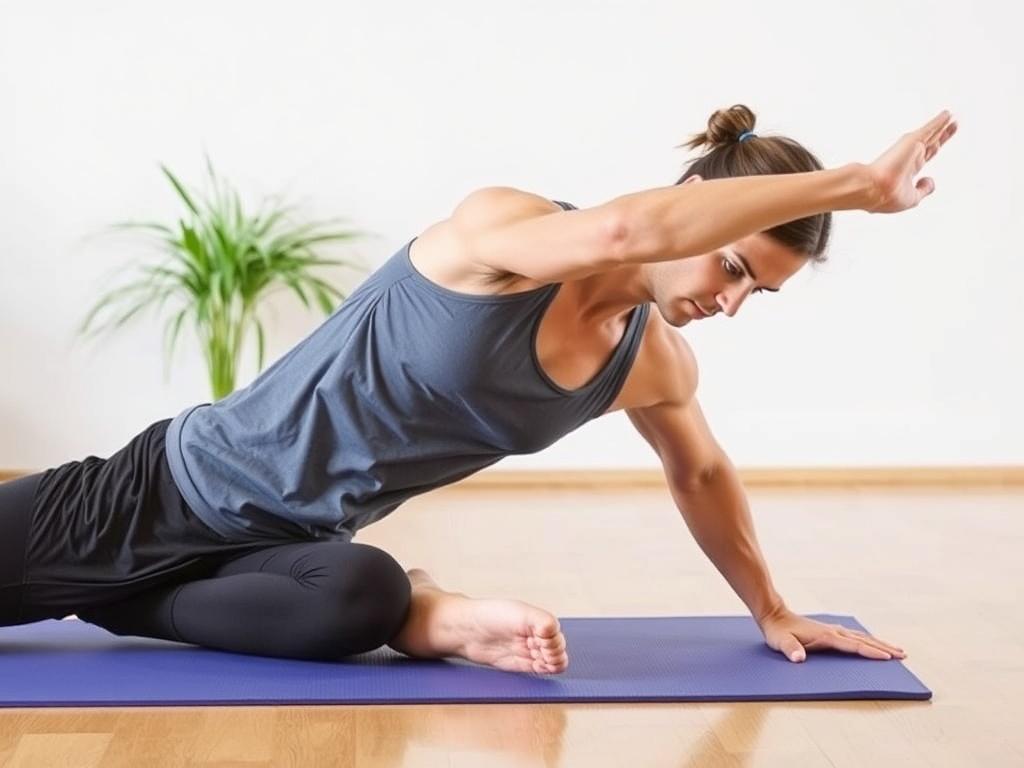
Tight points often benefit from a combination of self-massage, gentle stretching, and movement. Tools like massage balls, foam rollers, or a lacrosse ball can help release focal tightness before a stretch, allowing you to reach the intended range more comfortably.
For chronic tightness, blend mobility drills, strength work through the range, and consistent stretching over weeks. Often, the best improvements come from increasing strength at new ranges rather than only passively stretching.
When flexibility improvements may not be the answer
Not every restriction requires more stretching. Sometimes limitations arise from weakness at end ranges or from structural issues like bone geometry. If a joint feels unstable or you can’t control movement safely, adding strength and motor control work in the new range is the correct approach.
Consult a physical therapist if pain limits your mobility or if stiffness persists despite regular, careful stretching. A professional assessment can differentiate between tissue tightness and other mechanical problems needing targeted rehabilitation.
Incorporating stretching into a long-term plan
Think of stretching as a consistent habit rather than an occasional fix. Small daily investments — even five to ten minutes — maintain flexibility and prevent the cumulative stiffness that comes from repeated training stress. Track progress with simple mobility tests so you can see improvements over months.
Pair stretching with strength exercises that build control at end ranges. Mobility and strength together create durable flexibility that you can use, not just feel. This integrated approach reduces injury risk and supports better athletic performance.
Personal experience and real-world tips
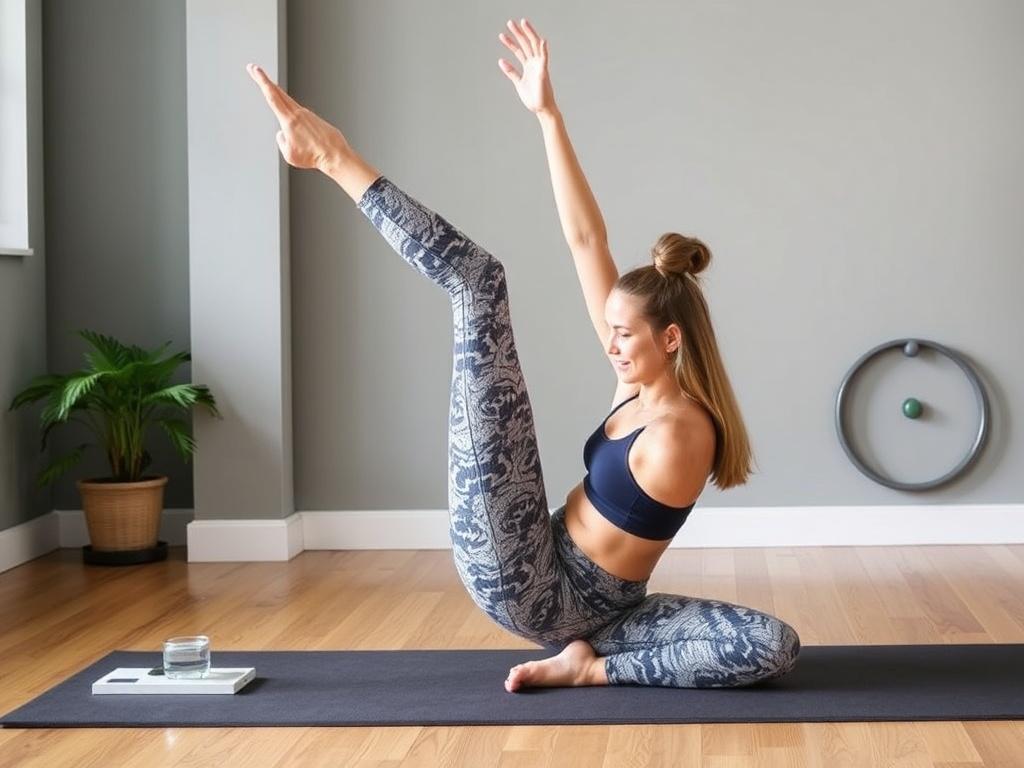
As someone who’s coached athletes and trained across disciplines, I learned early that consistency beats intensity. A client who stretched for 10 minutes after every session saw far better mobility gains than another who did a once-a-week, hour-long stretching class. Small, regular doses worked wonders.
On long cycling seasons I adopted a strict post-ride routine: calves, hamstrings, hip flexors, and pecs. The routine was no longer than 15 minutes but became non-negotiable. It significantly reduced the days I felt the tightness that used to sabotage technique on the bike and in the gym.
When to see a professional
If stretching produces persistent pain, tingling, numbness, or if mobility does not improve after weeks of consistent practice, seek professional input. A physical therapist can assess movement patterns, provide targeted interventions, and rule out nerve or structural issues that require specialized care.
Also consider professional guidance when performing advanced PNF techniques or when you have complex training and performance goals. An expert can create a phased plan that safely increases range of motion while maintaining or building strength.
Quick checklist to keep in your gym bag
Keep a small checklist to ensure your post-workout routine is efficient: 1) Cool-down for 3–5 minutes, 2) Stretch major muscle groups used in the workout, 3) Hold 20–60 seconds per stretch depending on goals, 4) Breathe and avoid pain, 5) Use props if needed, and 6) Repeat the routine 3–5 times per week for lasting gains.
Having a printed or digital reminder reduces the chance you’ll skip this crucial phase. Small habits compound into big differences over months of consistent training.
Practical tools and props that help
A strap, foam roller, and a massage ball are inexpensive items that broaden your options. A strap helps you achieve hamstring and shoulder positions without overreaching, while a foam roller and ball let you pre-release tense spots so stretches feel more effective.
Investing in a yoga block or two is helpful for beginners to reduce strain and support alignment. These props make advanced-looking positions accessible and safe rather than forcing the body into compromised positions.
Final thoughts on building a sustainable routine
Stretching after training is a small time investment that pays dividends in performance, comfort, and longevity. Consistency, mindful breathing, and matching the stretches to your workout will give you the most meaningful, practical results.
Start modestly, track what changes, and adapt. Over months you’ll notice increased range of motion, fewer aches, and smoother movement in daily life — the real markers that your recovery work is working.