
Protein bars have become a ubiquitous sight in gym bags, office drawers, and grocery aisles, promising quick muscle repair, hunger control, and a portable dose of nutrition. People reach for them for different reasons — convenience after a workout, a mid-afternoon pick-me-up, or even a replacement for a rushed meal. This article will unpack the science, benefits, and potential downsides so you can make informed choices rather than grabbing the brightest wrapper on the shelf.
What exactly is a protein bar?
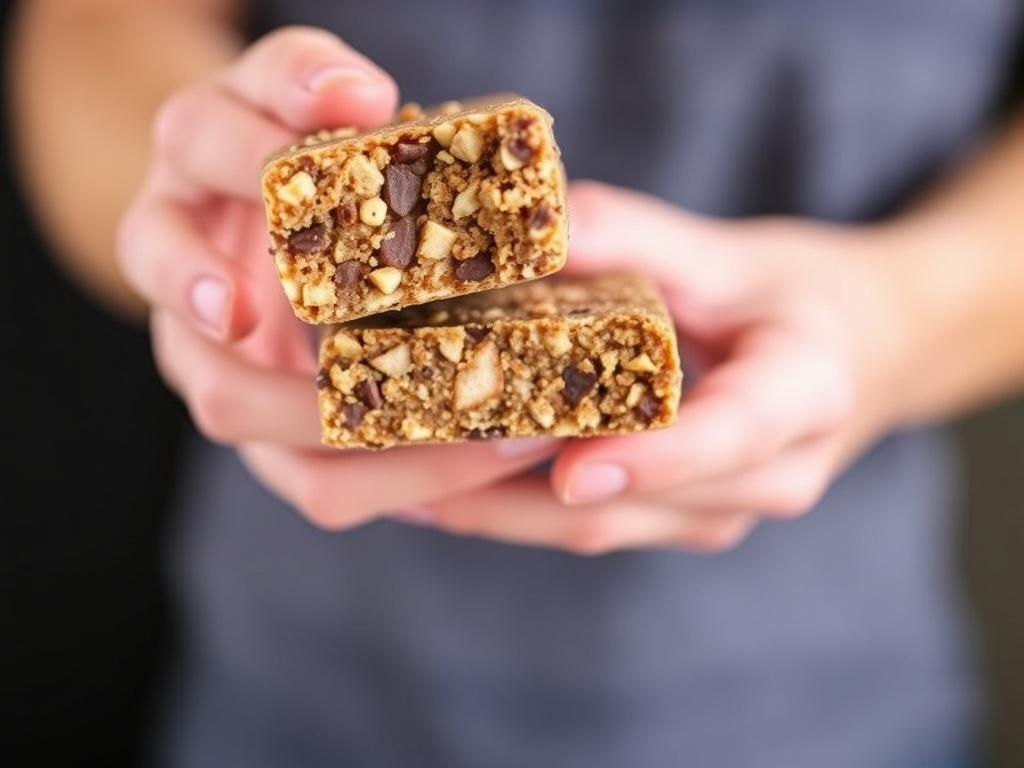
At their core, protein bars are compact snacks formulated to deliver a relatively high amount of protein in a convenient package. Manufacturers combine protein sources — like whey, casein, soy, pea, or rice — with carbohydrates, fats, fiber, and flavorings to hit a texture and taste that consumers enjoy. The result ranges from chewy to dry, from candy-bar sweet to restrained and functional, but the ingredients and goals vary widely between products.
Not all protein bars are created with the same purpose. Some are designed to be low-calorie, high-protein options for weight management, while others aim to act as meal replacements with added vitamins and minerals. There are also bars geared specifically toward athletes that emphasize fast-digesting proteins and higher carbohydrate content for glycogen replenishment.
Typical ingredients and how they work
Protein sources are the main differentiator: whey and casein come from milk, offering complete amino acid profiles and high biological value, while plant proteins like pea, soy, and rice may be combined to achieve similar completeness. Carbohydrates provide energy and influence texture; they can come from sugars, syrups, oats, or other grains. Fats — often from nuts, oils, or cocoa butter — contribute mouthfeel and calorie density.
Binders, sweeteners, and flavorings are common, too. Ingredients like glycerin, maltitol, and sugar alcohols create chewiness while reducing sugar content; natural flavors and cocoa are used for taste. Fibers such as inulin or chicory root fiber help with satiety and texture, but they can also cause digestive discomfort in some people when consumed in excess.
Nutritional profile: what to expect
Protein bars vary widely in calories, protein content, sugars, and fat. On the lower end, a bar might deliver 100–150 calories with 10–15 grams of protein; on the higher end, some bars function as compact meals and contain 300–400 calories and 20–30 grams of protein. Sugar content also swings dramatically — from minimal added sugars and sugar alcohols to bars that contain 15–25 grams of sugar per serving.
Fiber and micronutrients are often added to increase perceived nutritional value. Typical fiber ranges are 1–10 grams per bar, and some meal-replacement bars include added vitamins and minerals intended to mimic a balanced meal. Reading the nutrition facts and ingredient list is the only reliable way to understand what a particular bar will deliver.
Quick comparison table of common bar types
| Type | Typical protein | Typical calories | Common use |
|---|---|---|---|
| High-protein snack bar | 15–25 g | 150–250 kcal | Post-workout snack or between-meal protein boost |
| Meal-replacement bar | 20–30 g | 250–450 kcal | Substitute for a meal when time is limited |
| Low-calorie protein bar | 10–15 g | 90–150 kcal | Weight-control snack, lower energy intake |
| Plant-based bar | 10–20 g | 150–300 kcal | Vegan-friendly protein source |
Benefits: why people reach for protein bars
Convenience is the most obvious advantage. When you don’t have time to prepare food, a sealed bar provides a predictable, portable portion of protein and energy — useful after an evening workout or when travel disrupts meal patterns. For many, that reliability beats rummaging for a questionable vending-machine option.
Protein supports muscle repair, recovery, and maintenance, and getting 15–30 grams within a couple of hours after resistance exercise is a practical strategy for many athletes and recreational lifters. A protein bar that supplies a sufficient dose can simplify that timing when a whole food source isn’t available. I’ve packed one in my gym bag for years: a quick post-training bite helps me avoid low-energy decisions later in the day.
Protein bars can also help with appetite control. Protein and fiber slow digestion and increase satiety more than simple carbohydrate snacks, which may reduce overall calorie intake for someone trying to lose weight. For busy professionals, a thoughtful bar can prevent reaching for less nutritious options when hunger hits between meetings.
Potential harms and downsides

Despite their benefits, protein bars carry drawbacks that merit attention. One common issue is excess sugar and calories: some bars are essentially candy bars in disguise, delivering substantial calories with little satiety improvement compared to whole-food options. If consumed mindlessly or in addition to regular meals, these bars can contribute to unwanted weight gain.
Another concern is the degree of processing and presence of additives. Sugar alcohols, artificial sweeteners, thickeners, and emulsifiers are common, and while generally safe in moderation, they can cause bloating, gas, or digestive upset for sensitive individuals. People with IBS or other gastrointestinal conditions may find certain ingredients provoke symptoms.
Allergies and intolerances matter, too. Many bars contain dairy, soy, nuts, or gluten, so they aren’t a universal solution. Consumers must check labels carefully and treat bars as packaged foods that may not align with individual dietary needs or restrictions.
Are protein bars suitable for weight loss?
They can be — if used with intention. A low-calorie, high-protein bar can replace a higher-calorie snack and support daily protein targets, which helps preserve lean mass during weight loss. The key is to count the bar’s calories within your total daily intake rather than seeing it as a free or supplemental bonus.
On the flip side, meal-replacement bars can be counterproductive if they contain hidden sugars or leave you hungry soon after. Sustainability matters: if a bar doesn’t satisfy your appetite or you dislike the taste, you won’t stick with the strategy. Successful use hinges on choosing bars that fit your calorie goals, taste preferences, and hunger patterns.
Real-life example: making a bar work for fat loss
When I coached a friend through a weight-loss phase, we used protein bars strategically on long days when bringing a full meal wasn’t possible. Choosing a 180-calorie bar with 15 grams of protein and 6 grams of fiber helped him avoid vending-machine snacks and stay under his daily target. It wasn’t the only tool — balanced meals and consistent activity did the heavy lifting — but the bar reduced the friction of busy days.
We also tracked how the bar affected hunger: if he felt hungry an hour later, we switched brands or paired the bar with a small apple to boost satiety without blowing the calorie budget. Small tweaks like that made the difference between a bar being a helpful habit and a source of frustration.
Protein bars for muscle gain and athletic performance
For those focused on muscle growth, the quality and timing of protein matter. Bars that provide 20–30 grams of a high-quality protein source can contribute to daily protein goals and support recovery when whole-food options aren’t available. Paired with a balanced diet and proper training, bars are a convenient adjunct rather than a magic bullet.
Athletes with high energy demands might prefer bars with added carbohydrates to replenish glycogen stores after prolonged exercise. Conversely, strength athletes focused on lean mass might prioritize bars with minimal added sugars and a higher protein-to-calorie ratio. Matching the bar’s composition to training demands is a simple but often overlooked step.
Plant-based bars: strengths and limitations
Plant-based protein bars are valuable for vegans and people avoiding dairy. Blends of pea, rice, and other plant proteins can deliver a reasonable amino acid profile, and fiber-rich plant bars often feel more filling. The taste and texture of plant-based bars have improved significantly, narrowing the gap with dairy-based options.
However, some plant bars rely heavily on sugar syrups or highly processed protein isolates to mimic the texture of whey-based bars. Those ingredients can increase calories and reduce the whole-food quality of the bar. If you choose a plant-based option, favor products with recognizable ingredients and transparent protein sources.
Hidden ingredients and labeling tricks
Manufacturers sometimes use labeling to present bars in a more favorable light. Terms like “natural” or “clean” have no standardized legal meaning and can mislead shoppers seeking minimally processed foods. Similarly, “low sugar” claims might rely on sugar alcohols or nonnutritive sweeteners that alter the glycemic impact without reducing processing.
Serving size manipulation is another tactic. A label might list the nutrition per bar but split the product into multiple servings, which underrepresents the calories and sugars consumed in a typical eating occasion. Always check the serving size and the actual grams of macronutrients per typical portion to understand what you’re getting.
Watch for these ingredients
- High-fructose corn syrup or large amounts of added sugar — increases calorie load and may spike blood sugar.
- Excessive sugar alcohols (e.g., maltitol) — can cause gastrointestinal symptoms in sensitive people.
- Long ingredient lists with unrecognizable additives — indicates high processing.
- Undisclosed protein sources — be cautious if you have allergies or strict dietary requirements.
How to choose a high-quality protein bar
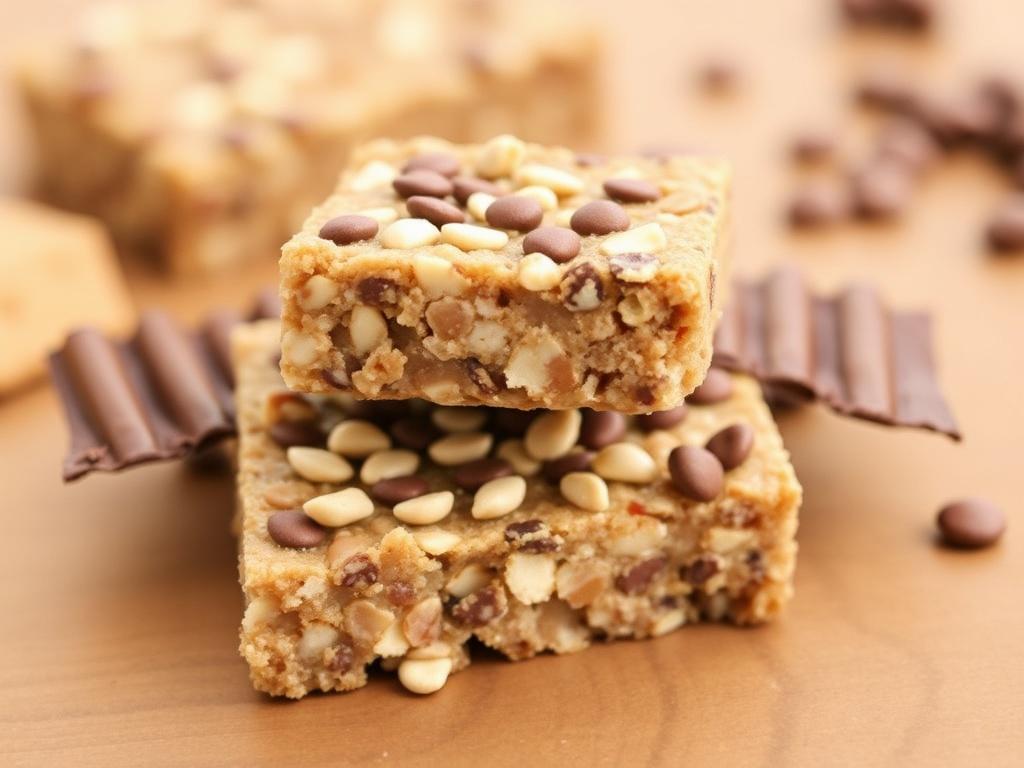
Start by defining your purpose: hunger control, post-workout recovery, meal replacement, or a quick protein boost. Knowing why you want the bar narrows the field and helps you prioritize metrics like calories, protein content, fiber, or micronutrient fortification. Different goals call for different balances of macronutrients.
Look for a clear ingredient list with a recognizable first ingredient, ideally a protein source or whole-food carb like oats. Aim for at least 10–20 grams of protein for a snack or post-workout bar, while keeping added sugars low unless you need quick carbs after prolonged exercise. Fiber in the 3–7 gram range improves satiety without necessarily causing digestive distress for most people.
Pay attention to portion size and calories in the context of your overall diet. If a bar provides 350 calories, treat it as a meal rather than a snack. Choosing a bar with transparent labeling and minimal marketing spin will reduce the chance of surprise ingredients or misleading claims.
Checklist for buying a protein bar
- Define the primary purpose (snack, recovery, meal replacement).
- Check protein per serving (10–30 g depending on use).
- Limit added sugars and be mindful of sugar alcohols.
- Prioritize whole-food ingredients when possible.
- Consider fiber content for satiety (3–7 g is typical).
- Verify allergen information and ingredient transparency.
Homemade bars: control ingredients, control outcomes
Making your own protein bars is surprisingly simple and gives you control over taste, texture, and nutrition. Common bases include oats, nut butters, dates, and a protein powder of your choice, bound together with a touch of honey or syrup and chilled until firm. Homemade bars also avoid many industrial additives and let you tailor calories and sugar to your needs.
Here’s a basic formula to adapt: 2 cups rolled oats, 1 cup nut butter, 1/2–1 cup pitted dates or a sweetener, 1 cup protein powder, and a pinch of salt. Process the dates and oats, mix in nut butter and protein, press into a pan, and chill. Slice into portions and store in the fridge for up to a week or freeze for longer shelf life.
Digestive and metabolic considerations
Some consumers experience bloating, gas, or loose stools after eating protein bars, particularly those containing sugar alcohols, high amounts of soluble fiber, or unfamiliar protein isolates. If you notice consistent digestive issues, track ingredients and try a simplified bar or one with fewer additives to identify the culprit. Rotating brands or types can also reduce the chance of developing sensitivity to a single ingredient.
For people with blood sugar concerns, the carbohydrate source and glycemic load matter. Bars high in simple sugars can cause rapid blood sugar spikes followed by crashes, which is undesirable for people with diabetes or for anyone needing steady energy. Bars combining protein, fiber, and moderate carbohydrates offer a gentler blood sugar response and are generally a better choice for long-lasting energy.
Safety: what about contaminants and testing?
Because bars are processed products derived from many inputs, concerns occasionally surface about contaminants like heavy metals or unlisted ingredients. Independent consumer testing programs have found variability in supplements and protein products, which underscores the importance of buying from reputable brands that use third-party testing. Certifications and batch-testing transparency are helpful indicators when available.
Regulatory oversight of dietary supplements and bars differs from pharmaceuticals, so the marketplace includes wildly different quality standards. Looking for third-party seals, such as NSF Certified for Sport or USP verification, can add confidence, especially for competitive athletes who must avoid banned substances. When in doubt, contact manufacturers for certificates of analysis or testing documentation.
Special populations: children, pregnant people, and medical conditions
Protein bars are generally formulated for adult needs and often contain concentrated protein, sweeteners, and additives that may not be appropriate for children or pregnant people as a regular substitute for whole foods. For children, whole-food snacks like yogurt, nut butter with fruit, or cheese and crackers offer nutrient density with less processing. Pregnant people should consult a healthcare provider before relying on bars for significant portions of daily nutrition, especially if the bar replaces meals.
People with certain medical conditions — kidney disease, phenylketonuria (PKU), or digestive disorders — may require specific dietary modifications that make some protein bars unsuitable. If you have a chronic condition or take medication that interacts with nutrients or sweeteners, ask a clinician whether a particular bar fits into your plan. Personalization matters more than convenience when health conditions are at play.
Timing: when is a protein bar most useful?
Post-workout is the most common recommendation: consuming protein within a couple of hours after resistance training supports recovery and muscle protein synthesis. If you can’t access whole-food protein like eggs, chicken, or Greek yogurt, a bar offering 15–25 grams of a quality protein source is a reasonable substitute. For endurance athletes who need carbs and protein, choose a bar with moderate sugars to assist glycogen replenishment.
As a pre-workout snack, a small bar taken 30–60 minutes before exercise can provide fuel without weighing you down, especially if it contains easily digestible carbs. For busy days, a bar can replace a meal in a pinch, but do so with awareness of caloric content and overall balance — repeated meal replacements should be chosen carefully to ensure adequate micronutrient intake.
Personal timing strategy
I use bars strategically on travel and conference days when access to balanced meals is hit-or-miss. A 200-calorie bar with 20 grams of protein keeps me focused through sessions without the sugar crash that brewed coffee and pastries cause. Timing these to bridge gaps rather than replace regular meals has helped maintain energy and avoid impulsive food choices.
Cost and environmental considerations
Protein bars can be more expensive per calorie or per gram of protein than whole foods like eggs, canned tuna, beans, or lean meats. For someone on a tight budget, bars should be an occasional convenience rather than a daily staple. Comparing the price per 10 grams of protein or per serving helps you see whether a bar is a worthwhile expenditure for your routine.
Environmental impact varies by brand and ingredients: bars with sustainably sourced nuts, responsibly produced protein, or minimal packaging can be better choices. Conversely, heavily packaged bars with palm oil or long supply chains have larger footprints. If sustainability matters to you, look for transparent sourcing statements or certifications from brands making ecological commitments.
Common misconceptions
One myth is that more protein is always better; in reality, there’s a ceiling to how much protein the body can use at a time for muscle-building purposes, and excess protein can be stored as energy or converted to other compounds. Another misconception is that any product labeled “protein” is a health food — protein bars can be calorie-dense and high in sugar despite the label. Reading labels and understanding your goals removes much of the confusion.
People sometimes believe bars are superior to whole foods for convenience and purity. While bars are undeniably handy, whole foods offer diverse nutrients, textures, and satiety signals that most bars don’t fully replicate. Bars make sense as a tool, not a wholesale replacement for a varied diet.
How to rotate and use bars responsibly
Treat protein bars as one component of a broader dietary toolkit. Rotate brands and types to avoid accumulation of a single additive and to reduce the risk of sensitivity to particular sweeteners or fibers. Use bars purposefully: as post-workout fuel, a scheduled snack, or an occasional meal substitute when logistics demand it.
Keep portion control in mind and incorporate whole-food meals around your bar use. If a bar becomes the default instead of the exception, reassess whether convenience is trumping quality. Periodic audits of intake and energy levels will reveal whether bars are helping or subtly undermining your goals.
Label reading: practical tips
Start from the top: check serving size and calories, then look at protein, sugar, fiber, and fat levels. Ingredients are listed by weight, so the first few items give the clearest picture of what the bar is mostly made of. If the first ingredient is a sugar syrup or an unnamed “protein blend,” be cautious and dig deeper into the ingredient list for specifics.
Look for clarity about protein sources and the type of sweeteners used. Terms such as “milk protein isolate” or “pea protein isolate” are specific and useful, while “natural flavors” or “proprietary blend” are vaguer and worth scrutinizing. If you have allergies, double-check for cross-contamination warnings and facility statements to avoid surprises.
Quick label checklist
- Serving size and calories per serving — does it fit your plan?
- Protein grams — is it sufficient for your use case?
- Added sugars and type of sweeteners — watch for sugar alcohols if you have sensitivities.
- Fiber content — helps with satiety but can cause digestive issues in excess.
- Ingredient transparency — prefer specific protein sources and whole-food ingredients.
Summary of pros and cons
Protein bars offer clear advantages: portability, predictable protein content, and convenience when whole foods aren’t available. They can support recovery, help with appetite control, and fill nutritional gaps in tight schedules. Many people find them an essential part of a busy lifestyle.
On the flip side, bars may contain high sugars, excessive calories, processing additives, and allergens, and they are not a substitute for balanced, varied meals. Quality varies dramatically between brands, and some bars are essentially candy disguised as nutrition. Thoughtful selection and mindful usage are the keys to making bars work, not backfire.
Final thoughts on Польза и вред протеиновых батончиков
Weighing the польза и вред протеиновых батончиков comes down to context and choice. Used intentionally — aligned with training, hunger, and calorie goals — a high-quality protein bar can be a practical tool that supports fitness and daily life. The pitfalls appear when bars are used mindlessly, chosen for catchy marketing, or stacked on top of a diet already sufficient in calories and protein.
If you decide to include bars in your routine, prioritize clear ingredient lists, appropriate protein and calorie levels, and a match to your personal goals. Use them to bridge gaps, not as a constant replacement for the variety and nutrient density of whole foods. With a little strategy, protein bars can be a convenient ally rather than a dietary wildcard.