The idea of deliberately switching between hot and cold water during a shower sounds both old-fashioned and a little daring. For many people it’s a daily ritual, for others a recommended therapy, and for quite a few it becomes a small, reliable source of energy and clarity. In this article I’ll walk you through what happens to your body, why it can help, how to do it safely, and how to make the practice stick.
I’ll use the Russian phrase Польза контрастного душа для здоровья sparingly as a nod to the phrase you’re curious about, but mostly we’ll speak in plain English: contrast shower, hot-cold therapy, alternating temperatures. Expect clear steps, practical tips, a realistic view of the research, and some of my own experience with this habit.
What exactly is a contrast shower?
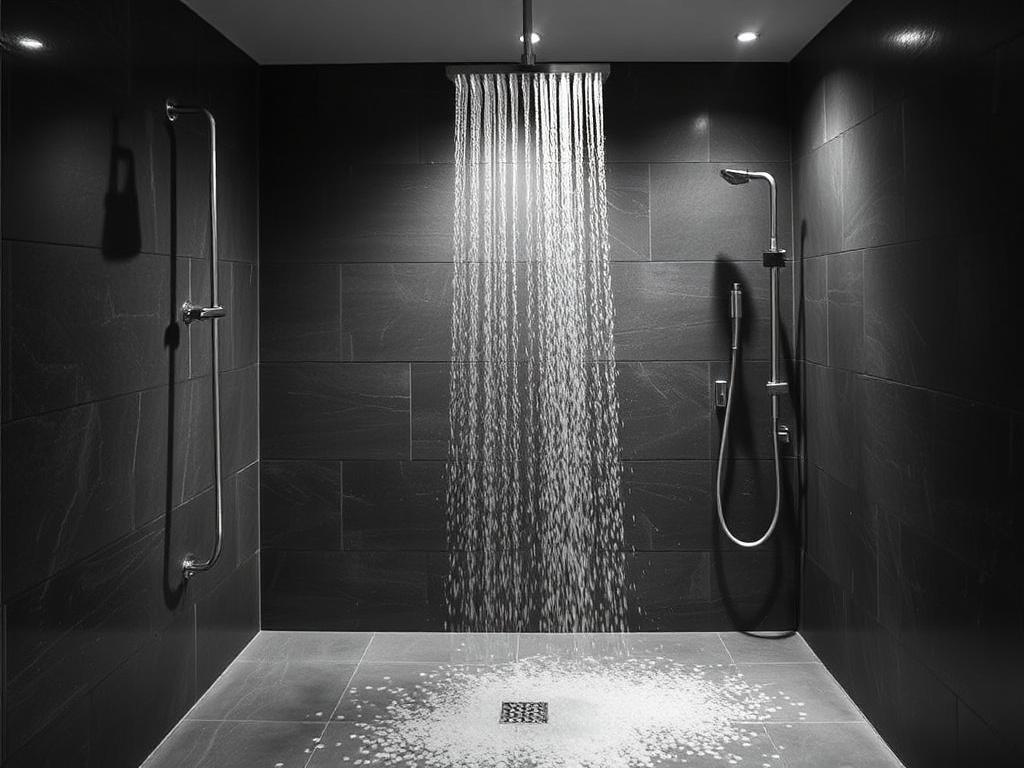
A contrast shower is simply a sequence of alternating hot and cold water directed at the body during a single shower session. The most basic version alternates two temperatures — warm and cold — though more advanced approaches vary degrees of heat and duration.
The method has roots in traditional hydrotherapy and Scandinavian bathing culture, where temperature swings are part of sauna and cold plunge routines. The key idea is controlled, repeated exposure to different thermal environments to provoke a physiological response rather than passively relaxing under steady warm water.
How alternating temperatures affect the body
Alternating heat and cold triggers two opposing vascular responses: vasodilation when warmed and vasoconstriction when chilled. That push-and-pull helps move blood through vessels, supporting circulation in a dynamic way that a steady temperature won’t.
Beyond blood flow, the shifts stimulate the autonomic nervous system. Cold exposure activates sympathetic pathways that sharpen alertness, while heat tends to relax muscles and activate parasympathetic responses. The alternation can create a balanced, wakeful-restful effect if done correctly.
On a cellular level, brief cold exposure can increase mitochondrial efficiency and promote mild stress responses that improve resilience. Those are subtle changes, not dramatic transformations, but repeated over weeks they can support better energy regulation and recovery.
Cardiovascular and circulatory benefits
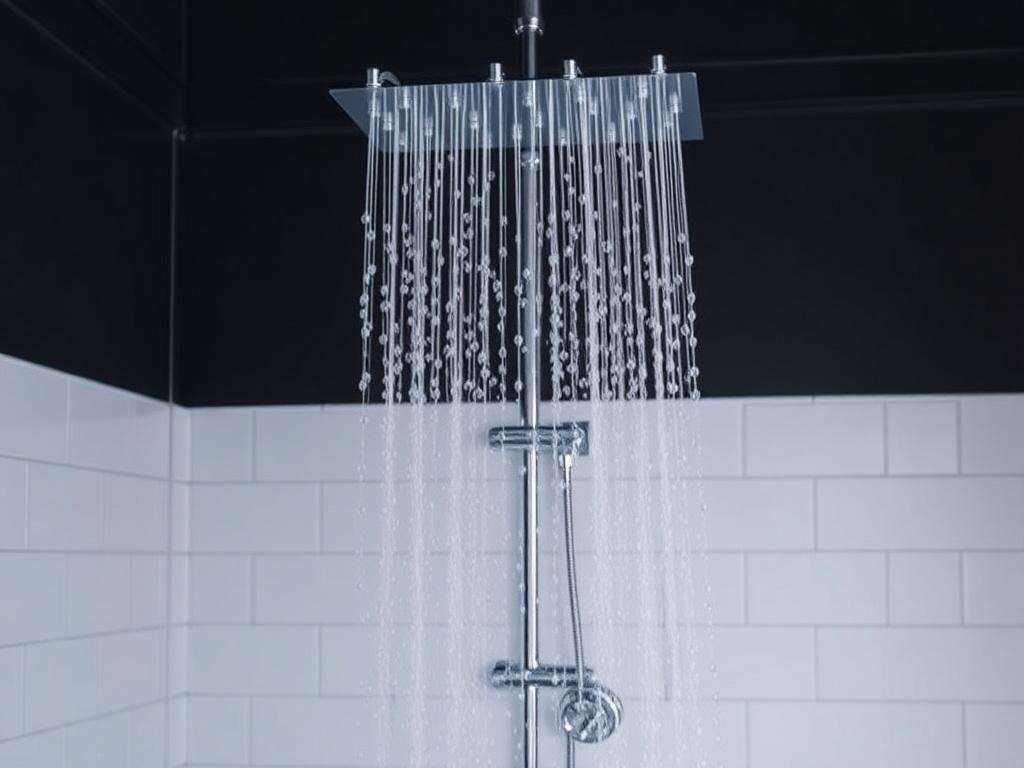
The most immediate effect you’ll notice is a change in circulation. When hot water dilates vessels, blood moves more freely to the skin; when cold constricts, blood is shunted toward deeper organs. This alternating flow can help flush metabolic byproducts from tissues and promote oxygen delivery.
Improved peripheral circulation is particularly valuable for people who sit a lot or experience cold hands and feet. Regular contrast showers can train smaller vessels to respond more flexibly, potentially reducing feelings of numbness and supporting vascular health over time.
Immune system effects and inflammation
Some research and clinical observations suggest that controlled cold exposure can stimulate aspects of the immune system, such as increasing certain circulating white blood cells and anti-inflammatory markers. The effect is modest but meaningful for those seeking non-pharmaceutical ways to support immune resilience.
Contrast showers may also blunt low-grade inflammation by improving lymphatic flow. The mechanical effect of temperature shifts — contraction and relaxation of tissues — helps move lymphatic fluid, which relies on body movement and pressure changes rather than a central pump like the heart.
Benefits for the skin and hair
People often report that alternating temperatures make their skin feel firmer and their hair shinier. Cold water, in particular, tightens the cuticle layer of hair and constricts pores on the skin’s surface, which can reduce oiliness and create a smoother appearance.
Hot water can help remove dirt and open pores, allowing a deeper but temporary cleanse. The contrast between the two can balance these effects: warmth for cleaning and relaxation, cold for a finishing tightness that leaves you feeling refreshed.
Metabolism, energy, and weight considerations
Brief cold exposure increases metabolic rate as the body works to maintain core temperature. This thermogenic effect is real but limited in scale — a contrast shower won’t replace exercise or dietary changes for weight loss. Still, it can give a metabolic nudge and prompt a clearer, more energized feeling after the shower.
Alternating temperatures can also influence hormone cascades linked to energy and alertness, including modest releases of norepinephrine from cold exposure. Many people describe a boost in morning energy similar to a cup of coffee but without the jitteriness.
Mental health and cognitive effects
The abrupt cooling phase of a contrast shower is a reliable quick reset for the nervous system. It interrupts rumination, lifts mood, and enhances focus by activating sensory input and sympathetic arousal. For someone facing a mental fog, even a short cold burst can dissolve inertia.
Regular practice may reduce symptoms of mild anxiety and depression for some individuals. The mechanism involves both physiological arousal and the psychological effect of mastering discomfort, which can lead to increased feelings of control and resilience.
Recovery, soreness, and athletic performance
Athletes have long used hot-cold protocols to aid recovery. The alternating temperatures promote circulation and help flush metabolic waste like lactate from muscles, which can reduce soreness and aid the repair process after strenuous training.
Contrast showers are less extreme than ice baths but still valuable for daily recovery. They are convenient and lower-risk than prolonged cold immersion, making them a practical option for busy people who need to accelerate turnover and reduce stiffness between workouts.
Potential risks and who should be cautious
Contrast showers are generally safe for healthy adults, but they are not risk-free. People with cardiovascular disease, uncontrolled hypertension, or certain circulatory disorders should consult a physician before starting any program that includes abrupt temperature changes.
Individuals prone to fainting, those with Raynaud’s phenomenon, pregnant women in certain conditions, and anyone with severe neuropathy should take special care. If you feel dizzy, nauseous, or faint during the process, stop immediately and seek medical advice.
- Heart disease or recent cardiac events
- Uncontrolled high blood pressure
- Severe varicose veins or circulatory insufficiency
- Pregnancy complications (consult your provider)
- Neuropathy or sensory loss that prevents temperature perception
How to take a contrast shower: a safe step-by-step guide
Start conservatively and adapt to your comfort and health status. The goal is controlled exposure, not shock. A basic pattern uses a 3:1 ratio — warm for three parts, cold for one — repeated several times and finishing with cold if desired.
Here is a step-by-step protocol you can try the first few times:
- Warm phase: Begin with comfortably hot but not scalding water for 2–3 minutes to relax muscles and open pores.
- Cold phase: Switch to cold water for 20–60 seconds, focusing on limbs and torso rather than direct, intense blasts to the head.
- Repeat: Cycle warm and cold three to five times, adjusting durations by feel and tolerance.
- Finish: Many people end on the cold phase to lock in the invigorating effect, but you can end warm if you have circulation issues or feel unsteady.
Practical temperature and timing guidelines
Temperatures will vary by shower and preference, but as a guideline use water warm enough to be comfortable (about 95–104°F / 35–40°C) and cold enough to feel distinct without causing pain (often 50–68°F / 10–20°C). Adjust depending on your baseline tolerance and the season.
If you’re new to cold exposure, start with shorter cold intervals (10–20 seconds) and longer warm phases. Over weeks you can extend cold phases to 60 seconds or slightly more. Always prioritize safety and stop if you feel faint, dizzy, or overly stressed.
Sample protocols for different goals
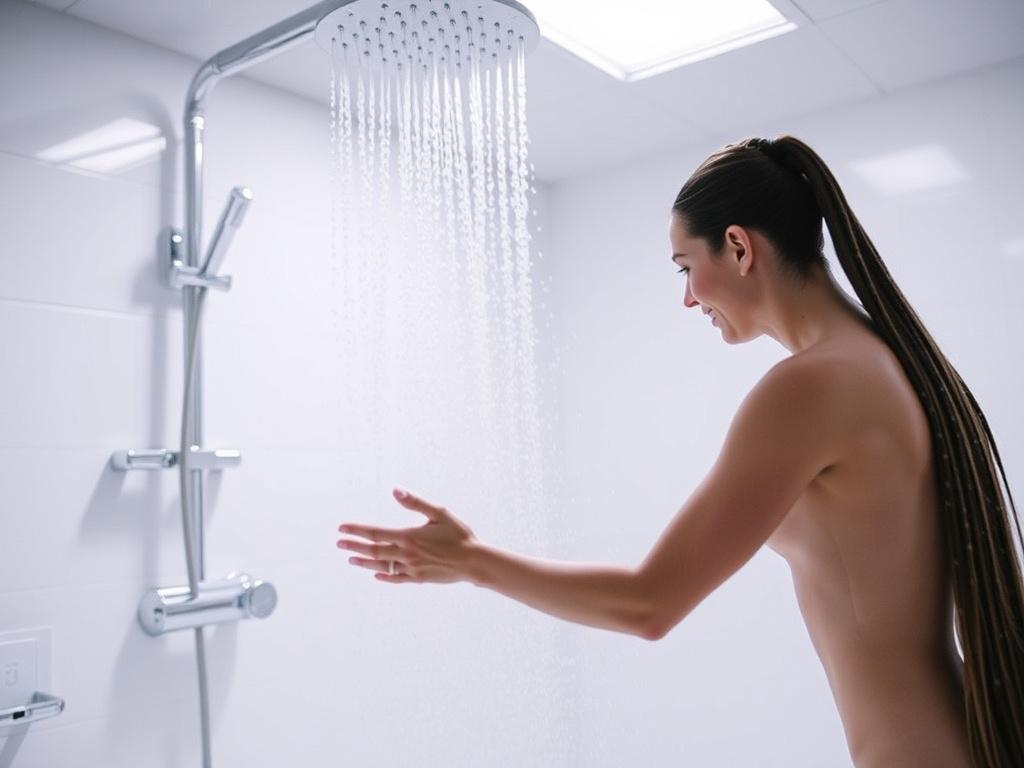
Different goals call for slight protocol tweaks. For morning energy, shorter hot and longer cold intervals produce brisk awakenings. For relaxation before bed, keep warm phases longer and cold phases minimal or skip them entirely.
For post-workout recovery, use a balanced approach: two to four cycles with a warm phase of 1–2 minutes and a cold phase of 30–60 seconds. If muscle inflammation is pronounced, consider consulting a sports therapist before applying extremes.
| Goal | Warm phase | Cold phase | Cycles |
|---|---|---|---|
| Morning alertness | 1–2 minutes | 30–60 seconds | 3–5 |
| Post-workout recovery | 1–2 minutes | 30–60 seconds | 2–4 |
| Relaxation before sleep | 3–5 minutes | 10–20 seconds (optional) | 1–2 |
Variations and advanced options
Some people integrate contrast showers into broader routines like sauna-cold plunge cycles or pair them with breathing exercises. Alternate methods include contrast baths where limbs are immersed in tubs of different temperatures, which can target specific areas without affecting the whole body.
Advanced practitioners sometimes vary the ratio more dramatically — for instance two minutes hot, 90 seconds cold — or add progressive cooling over sessions. These variations can fine-tune the response, but they require careful listening to your body and may not be appropriate for beginners.
Timing and frequency: how often should you do it?
Frequency depends on your goals and tolerance. Many people benefit from daily brief contrast showers, especially in the morning. Others use them several times per week as part of training recovery or stress management routines.
Consistency matters more than intensity. Short, regular sessions are safer and produce more reliable benefits than intermittent extremes. If you’re starting, aim for three to five times per week and adjust based on how you feel.
Practical tips for comfort and safety
Start warm and end cool if you want an energizing finish, or start warm and end warm if you have cardiovascular concerns. Keep movements steady and avoid sudden jerks under the stream, which can cause dizziness. Breathe slowly and deliberately — controlled breathing helps your nervous system adjust to temperature changes.
Protect sensitive areas such as the chest if cold provokes discomfort, and avoid directing strong cold jets at the neck. Use sturdy, non-slip mats and consider having a seat or support if you’re prone to lightheadedness. If you’re in doubt, consult your healthcare provider.
- Test water temperatures gradually
- Breathe steadily during transitions
- Shorten cold intervals if you feel dizzy
- Warm up after intense sessions if you feel chilled
How to integrate contrast showers into your routine
Pair the habit with something you already do — for example, make it part of your morning hygiene routine or your post-workout protocol. Start small: two or three cycles in the morning for two weeks and track how you feel in a journal. Small wins build adherence.
If you prefer social motivation, join a group or online community focused on cold exposure or biohacking. Seeing others’ progress is motivating, but remember that individual tolerance varies widely. Treat examples as inspiration, not a rulebook.
What the research says — balanced view
Scientific literature on alternating hot-cold showers contains modest but promising results. Small randomized trials suggest improvements in circulation markers, reduced muscle soreness after exercise, and short-term mood benefits. Evidence quality varies, and many studies use small sample sizes.
Systematic conclusions are cautious: contrast showers are a low-cost, low-risk intervention with plausible mechanisms and measurable short-term effects. Long-term, large-scale trials are fewer, so claims about major health transformations remain unproven. Use contrast showers as a part of a broader healthy lifestyle rather than a cure-all.
Common myths and misconceptions
One frequent myth is that contrast showers will detoxify the body in a dramatic way. In reality, the liver and kidneys perform detoxification; water temperature affects circulation and lymphatic movement but doesn’t flush toxins like a medical detox would.
Another misunderstanding is that colder always equals better. Extreme or prolonged cold exposure can be harmful, and benefits come from controlled, repeatable practice rather than sporadic extremes. The nuance matters; effective use is temperate and consistent.
Personal experience: what I found useful
I began using contrast showers after long bike commutes left me stiff and mentally foggy in the mornings. At first the cold felt shocking, but within a week I noticed faster mental clarity and reduced limb stiffness without needing coffee. The improvement was subtle but consistent.
Over months I tuned the protocol — shorter cold bursts, slightly warmer hot phases in winter — and the practice became a reliable transition ritual: it signals the brain that the day has started. I keep sessions to under ten minutes most days, which balances benefits with convenience.
Troubleshooting common problems
If you feel lightheaded, reduce the cold phase length and sit down if necessary. If your skin becomes excessively dry, avoid very hot water or shorten the hot phase and use a gentle moisturizer afterward. If cold exposure consistently causes chest discomfort or palpitations, stop and consult a physician.
Plateaus are normal: you may stop noticing dramatic changes after a month. That doesn’t mean the practice stopped working; it often indicates your baseline improved. Try slight adjustments — longer warm phases, an additional cycle, or different timing — to refresh the effect.
Combining with other practices
Contrast showers pair well with breathwork, stretching, or light mobility work. A short breathing routine helps smooth the transition between temperature phases and calms the nervous system during cold shocks. Gentle stretches during warm phases can deepen relaxation and aid in circulation.
Some find synergy combining contrast showers with mindfulness or journaling: the physical arousal from cold sharpens attention, and the post-shower clarity is a good time to set daily priorities. Use combinations that reinforce, rather than complicate, your routine.
Travel and seasonal adaptations
When traveling, adapt by using cooler and warmer settings available in hotel showers; you don’t need extreme temperatures to gain benefits. In winter, shorter cold intervals and slightly warmer cold-water settings make the practice more tolerable while preserving effect.
If you lack a reliable cold setting, consider finishing the shower with a brief cool rinse for a milder version. The important element is contrast and control rather than exact temperatures. Consistency matters more than perfection.
Children and elderly considerations
Children and older adults have different thermoregulatory responses. For children, avoid extreme contrasts and keep cold phases very brief, supervised by an adult. For elderly individuals, start with warm-dominant protocols and consult a healthcare provider before introducing cold exposure.
Monitor skin reaction and general comfort closely in both groups. Age-related changes in circulation and sensory perception mean a conservative approach is safest, and any new routine should be adapted to individual health needs.
Equipment and bathroom setup
A reliable shower valve that switches quickly between temperatures makes the process easier and safer. If your plumbing responds slowly, adjust durations to allow the desired temperatures to reach the head comfortably without unnecessary waiting under one extreme.
Non-slip mats and handrails improve safety, especially if you’re experimenting with longer cycles or feel unsteady during transitions. A shower thermometer can be helpful early on to learn what temperature ranges feel like for your body.
How to know it’s working
Short-term signs include increased alertness, a feeling of warmth after the session, less morning stiffness, and smoother skin feel. Longer-term indicators might be fewer sore days after workouts, more stable mood, and better tolerance for minor stressors.
Keep a simple log for a few weeks noting energy levels, sleep quality, soreness, and mood. Objective markers like reduced recovery time after workouts or fewer colds over a season can also indicate that the practice is contributing to better health.
When to stop or pause

If you experience persistent dizziness, fainting, significant chest pain, or severe skin reactions, stop immediately and seek medical evaluation. Temporary pause is wise during acute illnesses, fever, or other conditions where circulation should be stabilized rather than stressed.
It’s also reasonable to reduce intensity or frequency during particularly stressful life phases or after a major surgery. Contrast showers should support well-being, not add an extra strain to an already taxed system.
Final thoughts and practical encouragement
Contrast showers are an accessible, low-cost practice with a broad set of modest benefits: enhanced circulation, improved recovery, sharper mental clarity, and a pleasant ritual that marks the transition between rest and activity. They won’t replace a balanced diet, regular exercise, or medical care, but they complement those foundations beautifully.
Start slow, respect your body’s signals, and treat the practice as a small experiment. Over time, you may find it becomes one of those simple daily choices that quietly improves how you feel and how you move through the day.