
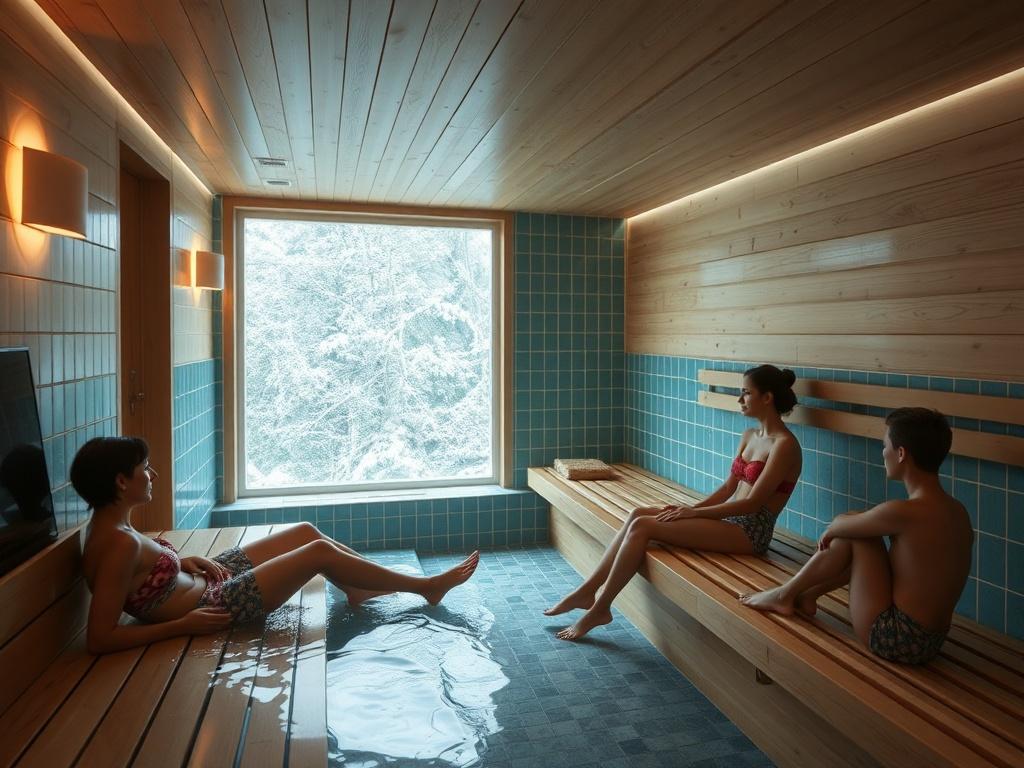
Sweat, steam, and the quiet few minutes after you step out of the gym—there’s something compelling about trading weights for warmth. For many athletes and regular gym-goers, a visit to a sauna or a traditional banya feels like the obvious finish line to a workout. This article unpacks the physiological reasons heat can help recovery, practical ways to use a sauna or banya safely, and how to tailor post-exercise heat exposure to specific goals.
How heat interacts with your body after exercise
Heat isn’t just a relaxing backdrop; it triggers measurable physiological responses that matter for recovery. Raising skin and muscle temperature influences blood flow, tissue elasticity, and cellular signaling in ways that can complement the adaptations you seek from training.
After a workout, your cardiovascular system is already activated, and controlled heat exposure builds on that state by redistributing blood and enhancing nutrient delivery to muscle tissue. The interplay between exercise-induced and heat-induced responses creates a window where recovery can be more efficient.
It’s important to understand these effects so you can use saunas or banyas strategically. When done thoughtfully, heat can be a useful tool. When used carelessly—too long, too hot, or without rehydration—it can become counterproductive.
Increased blood flow and nutrient delivery
One of the clearest benefits of post-exercise heat is vasodilation: blood vessels expand, allowing greater blood flow to the skin and working muscles. That increased circulation helps clear metabolic byproducts and brings oxygen and nutrients that support repair.
Improved circulation can reduce the time tissues spend in a low-oxygen, high-metabolite state, which may ease recovery. For athletes who train frequently, the cumulative effect of repeated improved perfusion can be meaningful.
Muscle relaxation and reduced stiffness
Heat lowers muscle spindle sensitivity and increases tissue extensibility, which leads to a sensation of relaxation and reduced stiffness. That effect makes stretching after heat exposure more productive, because warmed tissues lengthen more easily.
Practically, a short, gentle mobility routine after a sauna session can lock in gains in range of motion. Many athletes report feeling limberer and less tense after combining heat with light stretching.
Inflammation, heat shock proteins, and cellular signaling
Heat stimulates molecular pathways including the production of heat shock proteins—chaperone proteins that help cells tolerate stress and support recovery processes. These proteins assist in folding other proteins and clearing damaged cellular components.
While heat is not a cure-all for inflammation, it can modulate the acute inflammatory response in a way that favors repair. The effects are complex and depend on timing, intensity, and the person’s baseline health.
Types of heat baths: sauna, banya, and steam room
Not all hot rooms are the same. The main differences are temperature, humidity, and how heat is delivered. Those differences influence comfort, physiological response, and which ritual fits your preferences.
Understanding these distinctions helps you pick the right method for your goals. A dry Finnish-style sauna, a humid banya, and a steam room each offer slightly different experiences—and each has pros and cons for post-workout recovery.
Finnish sauna (dry heat)
Finnish saunas operate at high temperatures—typically between 176°F and 212°F (80–100°C)—with low humidity. The dry heat makes sweating intense without making the air feel heavy.
Because the temperature is high, sessions are usually shorter. Many athletes prefer the dry heat for cardiovascular stress and a strong, fast sweat that feels cleansing.
Russian banya and wet heat
A banya is similar in purpose but often uses wet steam and periodic “parenie” with venik (leafy bundles) to stimulate the skin and circulation. Temperatures can be lower than a Finnish sauna, yet the humidity makes the heat feel intense.
That moist environment can be gentler on the airways for some people while producing a deep, humid warmth that many find restorative after heavy training sessions.
Steam rooms and hammams
Steam rooms (hammams) use saturated air at lower temperatures—commonly around 110°F to 120°F (43–50°C)—but with very high humidity. The sensation is dense and wet rather than dry heat.
Steam environments can be particularly soothing for respiratory comfort and for those who dislike the dryness of a high-temperature sauna.
| Type | Temp range | Humidity | Common benefits |
|---|---|---|---|
| Finnish sauna | 176–212°F (80–100°C) | Low | Strong sweat, cardiovascular conditioning, relaxing |
| Russian banya | 140–190°F (60–88°C) | Moderate to high | Deep warmth, skin stimulation, cultural ritual |
| Steam room | 110–120°F (43–50°C) | Very high | Respiratory comfort, gentle heat, hydration of skin |
Recovery benefits supported by practical experience and evidence
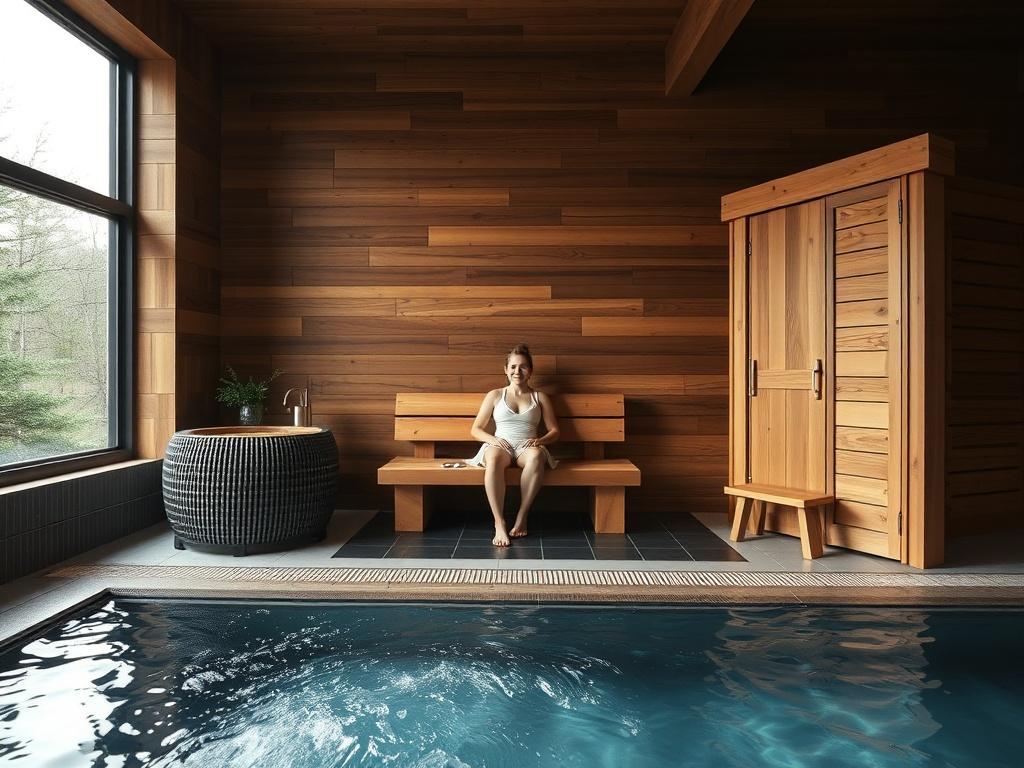
Evidence in human performance and rehabilitation isn’t binary—studies often show modest benefits and context matters. Still, both science and anecdote support using saunas or banyas as one component of a thoughtful recovery plan.
Below are common recovery outcomes people chase, and how heat exposure can contribute. Keep in mind that effects vary with timing, session duration, and individual health.
Reduced delayed onset muscle soreness (DOMS)
Many athletes report less perceived soreness after integrating heat sessions into their post-workout routine. Increased blood flow and the easing of muscle tension likely play roles in that subjective improvement.
Scientific studies vary, but several show that passive heat therapy—applied appropriately—can reduce DOMS compared with no intervention. The magnitude of effect is typically moderate, and heat works best combined with active recovery strategies.
Improved flexibility and range of motion
Warm tissues are more elastic. Heating muscles before stretching or performing mobility drills can produce larger and longer-lasting gains in range of motion than stretching cold muscles.
After a heavy lifting session, a brief period in a sauna followed by targeted mobility work often feels more productive than mobility performed without prior heat.
Cardiovascular and metabolic effects
Heat exposure raises heart rate and simulates a mild cardiovascular workout. Repeated sauna use has been associated with improvements in vascular function in population studies, though individual response depends on baseline health and lifestyle.
For athletes, the transient cardiovascular stimulus can complement conditioning—particularly during deload weeks or active recovery days when you want to maintain circulatory conditioning without taxing the musculoskeletal system.
Mental recovery, stress reduction, and sleep
The ritual of a sauna or banya—stepping into warmth, slowing your breathing, and letting the muscles unwind—has psychological value. Many people report better sleep and reduced stress when they make post-workout heat a habit.
Improved sleep indirectly supports recovery by enhancing hormonal balance, growth hormone secretion, and cognitive restoration. The calming effect of heat can be a practical tool for athletes juggling training with busy lives.
How to use heat after training: a practical guide
There’s no single “right” protocol, but sensible guidelines reduce risk and amplify benefits. Think in terms of timing, session length, temperature, hydration, and how heat fits the rest of your recovery plan.
Below are practical steps and simple rules that work across different types of training and fitness levels. Use them as a baseline and adjust according to how your body responds.
Immediate post-workout window: how soon is too soon?
Allow a short cool-down period after intense exercise. A five- to fifteen-minute low-intensity cool-down—walking, light cycling, or gentle mobility—helps normalize heart rate and clears some metabolites before you enter a high-heat environment.
Jumping straight from a maximal lift to a 100°C sauna may be unpleasant and stressful on the cardiovascular system. Give your body a bit of transition time, then enter the sauna when your breathing and heart rate are calm.
Session length and temperature recommendations
Start conservatively: for high-temperature saunas, 8–12 minutes per round is a sensible range. You can do multiple short rounds with cool breaks between them rather than one long exposure. In steam rooms or banyas, sessions can be slightly longer because temperatures are often lower.
Listen to your body. If you feel dizzy, nauseous, or unusually breathless, end the session. Hydration, gradual exposure, and not pushing to extremes are more effective than brute force when it comes to consistent recovery.
Contrast therapy: using cold for extra benefit
Many athletes pair heat with cold exposure—alternating hot and cold cycles—to stimulate circulation and reduce inflammation. Contrast therapy involves brief cold baths or showers interspersed with warm sessions.
While the evidence is mixed, many find contrast therapy effective for reducing soreness and improving perceived recovery. Practical protocols often use 2–3 minutes of cold exposure followed by 5–10 minutes of heat, repeated 2–3 times, but timing can vary based on tolerance.
Hydration, electrolytes, and nutrition
Sweating rapidly after a workout increases fluid and electrolyte loss. Rehydrate before entering the sauna if possible and continue to replenish afterward. Water is essential, and for longer or repeated sessions, a beverage with electrolytes can be helpful.
A small post-workout snack with protein and carbohydrate can support repair and glycogen replenishment. Time that intake around your sauna session so you’re not leaving the body low on nutrients during a recovery window.
Safety, contraindications, and red flags
Heat therapy is generally safe for healthy adults, but there are important exceptions. Certain medical conditions and medications can make heat exposure dangerous. Always err on the side of caution.
If you have cardiovascular disease, uncontrolled hypertension, recent heart events, pregnancy, or are taking medications that impact thermoregulation or blood pressure, consult a healthcare provider before regular sauna or banya use.
Who should avoid or limit heat exposure
People with unstable heart conditions, recent myocardial infarction, or severe orthostatic hypotension should avoid intense heat. Pregnant women should also consult their obstetrician, as prolonged high heat exposure early in pregnancy is discouraged.
Individuals with certain neurological conditions, severe diabetes with neuropathy, and those on diuretics or some psychiatric medications should seek medical advice. In all cases, personalized guidance from a clinician is important.
Signs you’re overdoing it
Dizziness, fainting, rapid heart palpitations, persistent nausea, or confusion are immediate reasons to stop and cool down. Severe symptoms warrant emergency attention. Mild lightheadedness is common with dehydration and can be resolved by resting and drinking fluids.
Chronic issues like ongoing fatigue or disturbed sleep after regular sauna use are warning signs to reassess frequency and duration. Recovery should make you feel better overall—not more run down.
Sample protocols tailored to different training goals
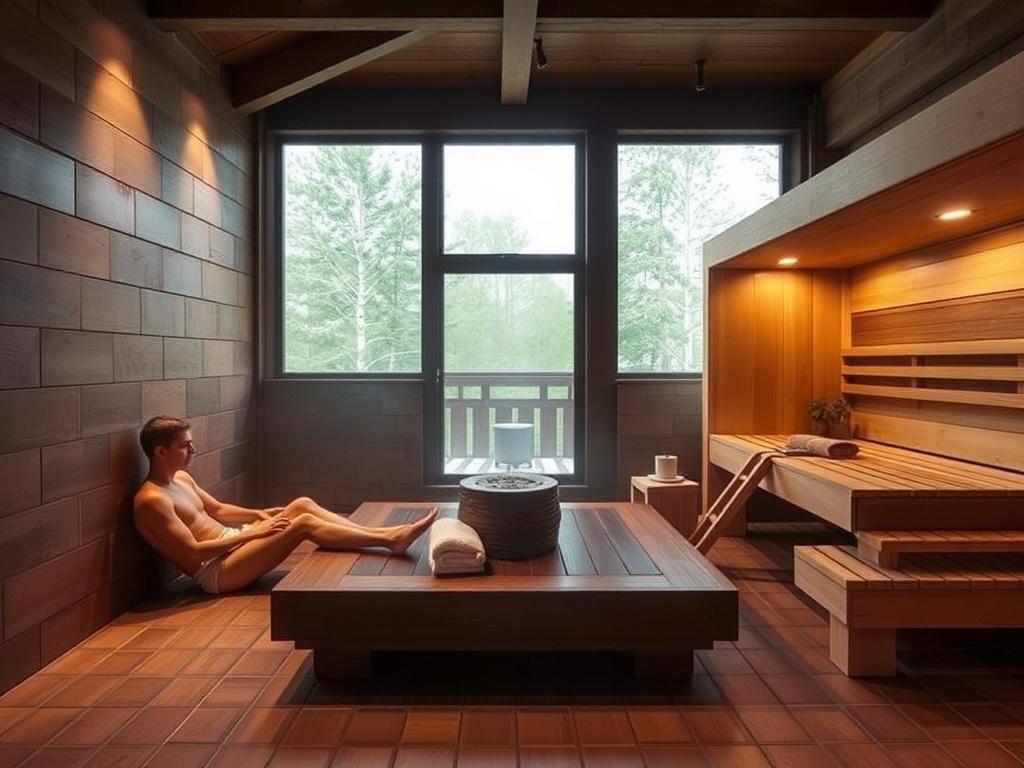
Different athletes have different priorities. Below are simple, practical protocols you can adapt depending on whether you’re training strength, endurance, or aiming for general well-being.
Strength and hypertrophy athletes
After heavy lifting, priority one is muscle recovery and minimizing performance loss in subsequent sessions. A short sauna session—8–12 minutes at moderate heat—followed by light stretching and rehydration fits well.
Contrast therapy can be useful after particularly brutal sessions, but avoid long cold immersion immediately if you rely on inflammation-mediated adaptation for hypertrophy; cold may blunt some training signals when used too frequently.
Endurance athletes
Endurance training often benefits from longer, moderately intense heat exposure. Some endurance athletes use regular sauna sessions to simulate heat acclimation and maintain cardiovascular conditioning with low musculoskeletal load.
Protocols like 20–30 minutes at moderate temperature or multiple shorter rounds are common. Pair heat sessions with electrolyte replacement and listen for signs of excessive fatigue.
Active recovery and mobility-focused sessions
For light recovery days, a gentle steam room session followed by mobility work and a focused foam-rolling routine can feel restorative and support range of motion. Keep sessions relaxed—this is about maintenance, not stress.
Short sessions after easy training days can help maintain consistency while minimizing risk of overexposure to heat stress.
Real-life examples and personal experience
As someone who trains regularly and has rotated sauna time into training for years, I can attest to the subtle but meaningful benefits. On heavy squat days, a short dry sauna followed by targeted hip and hamstring mobility often shortens stiffness the next morning.
In group settings, I’ve seen athletes use the banya as much for ritual and mental reset as for physiological recovery. The communal rhythm—brief heat, a cold dip, and rest—creates a restorative pattern that goes beyond measurable metrics.
That said, I’ve also learned to respect hydration and to scale back during intense training blocks. The best results came when sauna time was consistent but moderate, paired with good sleep and nutrition.
Common myths and clarifications
Myth: Saunas “detox” your body of heavy metals or toxins. Sweating does remove small amounts of certain compounds, but the liver and kidneys are the primary detox organs. Saunas support circulation and comfort, but they’re not a shortcut to detoxification.
Myth: Saunas burn large amounts of fat. Heat increases heart rate and can burn extra calories, but the effect is modest. Sustainable fat loss still depends on diet and activity; saunas are an adjunct for recovery and occasional metabolic stimulus.
Myth: Cold exposure is always better for inflammation. Cold can blunt acute inflammation and reduce pain, but inflammation is also part of adaptation. Use cold strategically—especially after competitions or to manage severe soreness—rather than as a default after every training session.
Practical checklist and safety tips
Use this checklist to keep sauna and banya sessions safe and effective. It’s a compact tool for anyone making heat a routine part of recovery.
- Do a brief cool-down before entering a hot room.
- Start with shorter sessions and increase gradually.
- Hydrate before and after; consider electrolytes for longer sessions.
- Avoid alcohol before or during heat exposure.
- Listen to your body; stop if you feel dizzy or unwell.
- Consult a doctor if you have cardiovascular disease, are pregnant, or take medications affecting blood pressure.
| Action | Why it matters |
|---|---|
| Cool-down before heat | Initial stabilization of heart rate and breathing reduces cardiovascular stress. |
| Short rounds over long sessions | Repeated brief exposure with breaks is usually safer and more tolerable. |
| Hydrate and refuel | Prevents dehydration and supports muscle repair. |
What research supports and what remains uncertain
Research supports several benefits of heat therapy—improved circulation, enhanced relaxation, and modest reductions in soreness for some people. Observational studies also link frequent sauna use with cardiovascular benefits in older populations, but those findings don’t directly translate to every athlete.
Open questions remain about optimal temperatures, session timing relative to training sessions, and how heat interacts with long-term adaptation processes. Some evidence suggests that excessive cold immediately after strength work can blunt hypertrophy signals; similarly, the long-term impact of frequent sauna use on specific training adaptations needs clearer study.
In practice, that means using saunas and banyas as tools rather than miracles. Tailor frequency and intensity to your sport, monitor how you feel, and be ready to adjust based on results.
Heat after exercise can be a valuable part of a recovery toolbox when used thoughtfully. Whether you prefer the dry intensity of a Finnish sauna, the humid ritual of a banya, or the gentle embrace of a steam room, brief, well-timed sessions combined with hydration, mobility work, and good sleep will likely yield the best outcomes.
Try different protocols on lighter training weeks and track subjective recovery, sleep quality, and performance markers. Small, consistent improvements add up, and when heat is integrated sensibly, it becomes a reliable ally in the months and years of steady training.