

Hair loss is a conversation many of us avoid until we see extra strands on the pillow or a widening part in the mirror. This article walks through why hair thins, how to tell normal shedding from something more serious, and practical ways to strengthen what you have. I’ll combine clinical evidence, realistic at-home habits, and examples from my own experience so you leave with usable steps—not just theory.
Understanding the hair growth cycle
To tackle hair loss effectively, you first need the basics: hair grows in cycles, and shedding is part of that rhythm. Each follicle cycles through anagen (growth), catagen (transition), and telogen (rest), and around 85–90% of scalp hairs are typically in anagen at any moment while 10–15% rest in telogen.
On average people lose 50–100 hairs per day; that’s normal and usually invisible because new hairs replace the old. Problems arise when more follicles enter telogen at once or when new hairs are thinner, shorter, or fail to regrow at all.
Common medical causes of hair loss
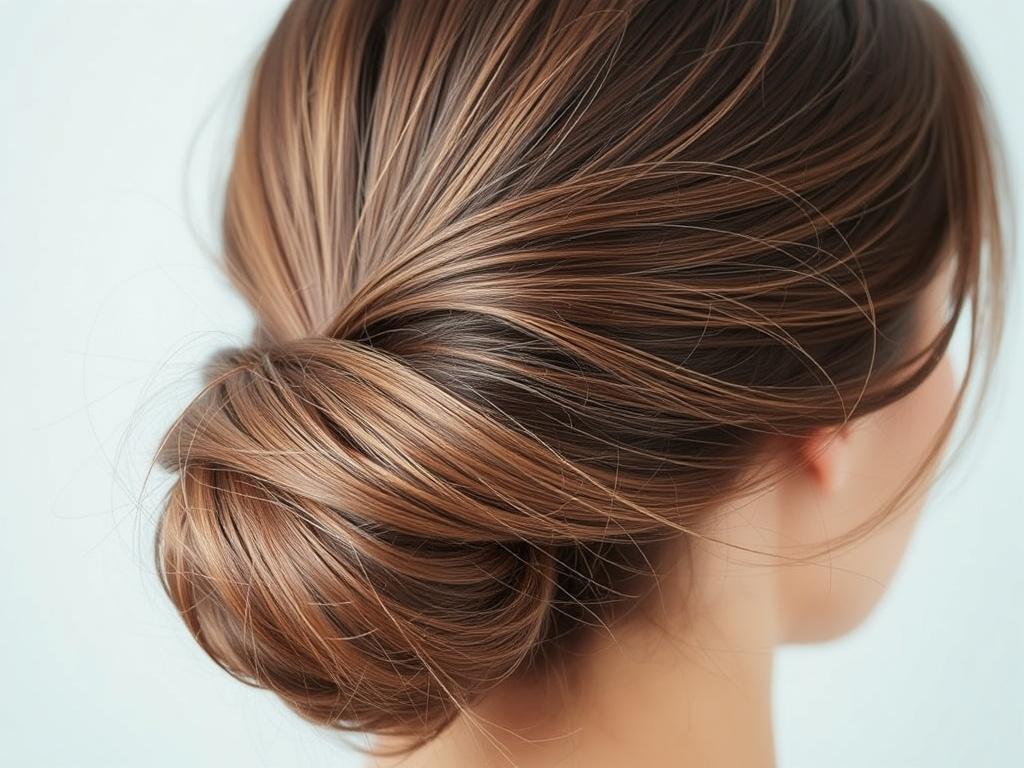
The causes of hair loss are diverse, ranging from genetics to systemic illness, and identifying the driver matters for treatment. Genetic male- and female-pattern hair loss, autoimmune disorders like alopecia areata, thyroid disease, and some chronic illnesses can all produce measurable shedding or thinning.
Medications are another major category: chemotherapy is the most dramatic example, but blood thinners, some antidepressants, beta-blockers, and retinoids can contribute too. When someone starts a new prescription and notices increased shedding a few months later, medication is a plausible suspect.
Androgenetic alopecia: the most common pattern
Androgenetic alopecia—often called male- or female-pattern hair loss—is the most frequent reason people lose hair in adulthood. It’s driven by genetic sensitivity of hair follicles to dihydrotestosterone (DHT), which shortens the growth phase and produces progressively thinner hairs.
Men commonly report receding hairlines and crown thinning, while women usually notice diffuse thinning across the crown with preserved frontal hairline. Treatments that slow DHT or stimulate growth are the mainstay for this condition.
Hormonal changes: pregnancy, postpartum, menopause, and thyroid
Hormones have a powerful effect on hair. During pregnancy, elevated estrogens prolong the anagen phase so many women enjoy thicker hair; after delivery, a synchronized shift sends many hairs into telogen, causing noticeable postpartum shedding.
Menopause and thyroid dysfunction alter hormone levels in ways that can thin hair as well, often gradually and without dramatic clumps of loss but with a persistent reduction in hair density. Blood testing helps sort hormonal causes from other problems.
Stress and telogen effluvium
High physical or psychological stress can trigger telogen effluvium, a condition where a large number of hairs prematurely enter the resting phase and fall out two to three months later. This pattern is usually diffuse rather than patchy and often reversible once the triggering stress resolves.
Triggers include severe illness, surgery, major life stressors, sudden weight loss, and even viral infections. Managing the underlying stressor and supporting recovery often leads to regrowth over several months.
Autoimmune and inflammatory scalp conditions
Alopecia areata is an autoimmune condition that causes discrete, well-demarcated patches of hair loss and can progress to total scalp or body hair loss in severe cases. Other inflammatory scalp disorders—psoriasis, seborrheic dermatitis, and folliculitis—can create local damage and contribute to shedding.
Identifying inflammation matters because topical or injected corticosteroids, topical immunotherapies, and targeted immune-suppressive strategies can make a meaningful difference when an autoimmune process is the culprit.
How to diagnose the cause of hair loss
Diagnosing hair loss begins with patient history and a focused physical exam; patterns of loss, timing, family history, recent illnesses, and medication use all provide clues. Dermatologists use techniques like the hair pull test, trichoscopy (dermoscopy of the scalp), and sometimes a scalp biopsy to see what’s happening at the follicle level.
Blood tests can rule out common reversible causes: thyroid panel, ferritin and iron studies, vitamin D, B12, and sometimes hormone levels or autoimmune markers. Accurate diagnosis guides therapy and avoids unnecessary or ineffective treatments.
When tests are helpful
Order tests when the history suggests a systemic problem—unexplained fatigue with hair loss points to thyroid issues; heavy menstrual bleeding with thinning suggests iron deficiency; sudden widespread shedding after illness points to telogen effluvium. A targeted panel is better than broad, unfocused testing.
A scalp biopsy is rarely required but can be decisive if the pattern is unclear—for example differentiating scarring (cicatricial) alopecia from nonscarring forms. Biopsy results change management in a subset of patients.
Evidence-based medical treatments
Not all hair-loss treatments are created equal. Several therapies have strong evidence from randomized controlled trials; others are promising but less proven. Matching the treatment to the diagnosis—and being realistic about expected results—is key.
Below are common, evidence-based options and what to expect from each.
Topical minoxidil
Minoxidil is an over-the-counter topical treatment available in 2% and 5% formulas that stimulates hair growth and prolongs the anagen phase. It works for androgenetic alopecia in both men and women and sometimes helps telogen effluvium by encouraging follicles to return to growth.
Expect months of use before noticing thicker regrowth; stopping minoxidil typically leads to a return to baseline within several months. Side effects are usually mild and include scalp irritation and unwanted facial hair growth in some women.
Oral finasteride and antiandrogens
Finasteride is an oral 5-alpha-reductase inhibitor that lowers DHT and is effective for male-pattern hair loss. It’s less commonly used in women due to teratogenicity and variable efficacy, but antiandrogens like spironolactone are sometimes prescribed for androgen-driven hair loss in women.
Finasteride requires daily dosing and may take six months to a year to show benefit. Sexual side effects are uncommon but possible, and women of childbearing potential should avoid it due to risk to a male fetus.
Platelet-rich plasma (PRP) and in-office procedures
PRP is an in-office procedure that injects concentrated autologous platelets into the scalp to stimulate growth factors and improve hair density. Clinical trials show modest but reproducible benefits for androgenetic alopecia when performed in a series of treatments.
Other procedural options include microneedling, low-level laser therapy, and in severe cases, hair transplantation. These interventions range in cost and invasiveness, and patient selection matters for success.
Treatments for autoimmune causes
When autoimmune inflammation drives hair loss, treatments focus on tamping down the immune attack and promoting regrowth. Intralesional corticosteroid injections are a standard for localized alopecia areata, and topical or systemic therapies are used in more extensive disease.
Newer targeted agents—JAK inhibitors—have shown promise in severe alopecia areata, but they require specialist oversight and careful weighing of benefits and risks.
Lifestyle changes that strengthen hair

Treatments matter, but lifestyle is the fertile ground where growth happens. Dietary improvements, stress management, sleep, and exercise all influence hair health by supporting the hormonal and metabolic environment follicles rely on.
Small, consistent changes are usually more powerful than dramatic experiments. Think of lifestyle shifts as the baseline that amplifies any medical or topical therapies you use.
Nutrition: key vitamins, minerals, and proteins
Hair is mostly protein, so adequate dietary protein is essential. Iron deficiency—particularly low ferritin—correlates with diffuse thinning in many people, and replacing iron when indicated can improve hair over months. Vitamin D, B12, zinc, and essential fatty acids also support healthy hair biology.
Below is a compact reference table of important nutrients, what they do for hair, and dietary sources.
| Nutrient | Role for hair | Food sources |
|---|---|---|
| Protein (amino acids) | Building blocks for hair shaft | Lean meats, eggs, legumes, dairy, soy |
| Iron / ferritin | Oxygen delivery to follicles; low levels linked to thinning | Red meat, poultry, legumes, fortified cereals, spinach |
| Vitamin D | Follicle cycling and immune modulation | Fatty fish, fortified milk, sunlight exposure |
| Zinc | Protein synthesis and follicle repair | Oysters, beef, pumpkin seeds, lentils |
| Omega-3 fatty acids | Scalp health and anti-inflammatory effects | Salmon, walnuts, flaxseed |
Hydration, sleep, and stress reduction
Hydration supports circulation to the scalp, and quality sleep underpins hormone regulation and tissue repair; both are relevant to hair. Chronic stress elevates cortisol and can precipitate or prolong telogen effluvium, so consistent stress management reduces the risk of prolonged shedding.
Practical approaches include establishing a sleep routine, using relaxation techniques such as deep breathing or short daily meditation, and delegating or pacing tasks that create chronic overload.
Hair care routines to prevent damage
How you treat your hair daily affects breakage and the appearance of density. Damage from heat, chemical processing, tight hairstyles, and abrasive brushing can mimic or magnify true hair loss by causing breakage at the shaft rather than loss at the follicle.
Switching to gentler routines frequently restores shine and reduces breakage within weeks—this is often an easy win for people who feel their hair looks thinner than it should.
Practical hair-care tips
- Use a gentle, sulfate-free shampoo and condition regularly to maintain hydration and cuticle health.
- Limit heat styling and use the lowest effective temperature plus a heat protectant when you do style.
- Avoid tight ponytails, braids, and extensions that pull on the hairline; choose loose, low-tension styles instead.
- Detangle wet hair carefully with a wide-tooth comb to prevent mechanical breakage.
Products that help rather than hype
Look for conditioners and leave-ins with humectants (glycerin, panthenol), proteins in moderate amounts (hydrolyzed keratin), and silicones for smoothing when needed. Avoid products with excessive alcohols that dry the hair and harsh detergents that strip natural oils.
Remember that expensive labels don’t always outperform simpler formulations; choose what works with your hair type and lifestyle rather than the flashiest marketing copy.
Natural remedies and supplements: balanced perspective
Many people prefer “natural” remedies, and some have credible support; others are anecdote-heavy and not harmful but may be ineffective. It’s important to distinguish supplements that can correct real deficiencies from those sold with inflated promises.
Below I summarize common choices and the evidence supporting them so you can make informed decisions.
Biotin and over-the-counter supplements
Biotin is widely marketed for hair growth but only reliably helps people with a biotin deficiency—which is rare. High-dose biotin can also interfere with certain lab tests, producing misleading thyroid or troponin results, so discuss it with your clinician before starting large doses.
A well-balanced multivitamin, or targeted supplementation when testing shows a deficiency (iron, vitamin D, B12), is a more rational approach than megadoses of single vitamins.
Saw palmetto, rosemary oil, and other topical agents
Saw palmetto has weak evidence as an oral DHT-lowering agent; it may benefit some people but is not a substitute for established therapies like finasteride. Topical rosemary oil has small trial data suggesting it may help with androgenetic thinning, possibly comparably to low-dose minoxidil in limited studies.
Always patch-test essential oils to avoid dermatitis and use products from reputable sources; natural doesn’t automatically mean safe or effective in all doses.
Salon and professional treatments that strengthen hair
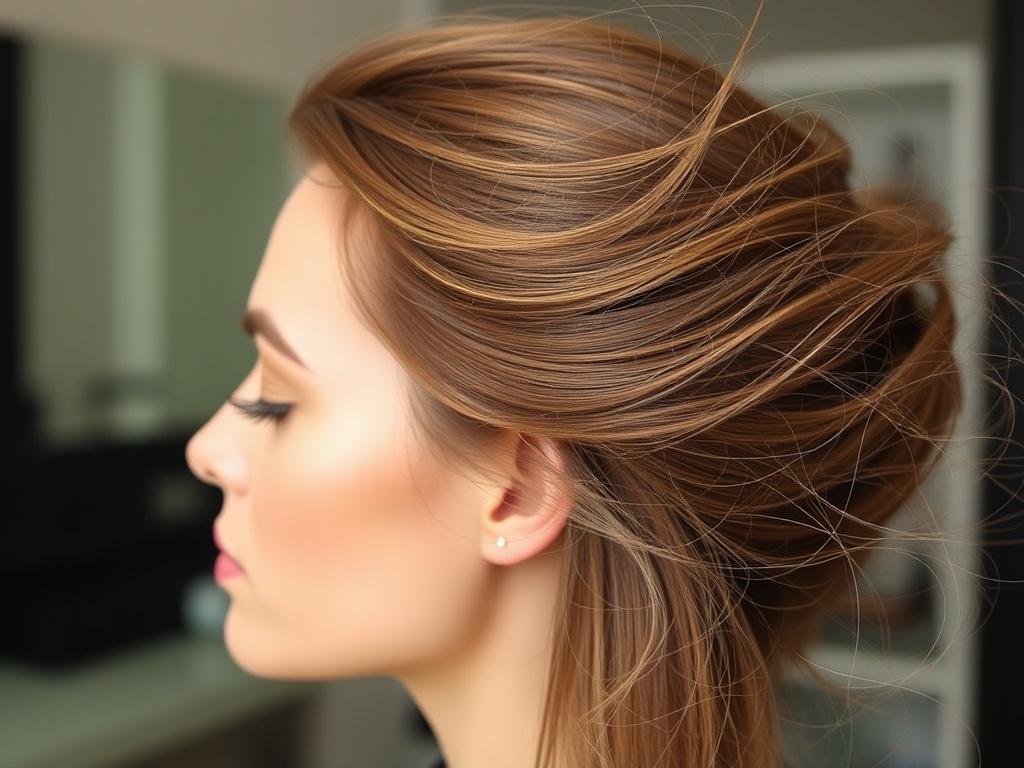
Professional services can improve the condition and appearance of hair but vary widely in purpose and effect. Some treatments focus on cosmetic smoothing, while others aim to reduce breakage and aid growth.
Understanding the difference helps prioritize investments and set expectations about longevity and results.
Chemical treatments: proceed with caution
Keratin straightening, bleach, and frequent color processing can weaken hair structure and increase breakage risk. If you color your hair, spacing sessions, using lower-damage techniques, and working with an experienced stylist helps preserve strength.
When in doubt, ask the stylist about porosity testing and bonding treatments that rebuild disulfide links—these can reduce long-term damage when used appropriately.
Safe salon practices and periodic trims
Regular trimming removes split ends that travel up the shaft and create the illusion of frizz and thinning. Choosing gentle chemical processes and asking for lower heat during styling help maintain integrity over time.
Professional deep-conditioning or protein treatments can be useful on occasion, but they shouldn’t be a substitute for improving daily care and correcting underlying medical issues.
Special considerations by group: women, men, postpartum, and older adults
Hair-loss patterns and solutions differ across life stages and sexes. Tailoring advice to the specific context improves outcomes and avoids unnecessary treatments.
Below are focused notes for common scenarios I encounter in practice and among friends.
Women experiencing postpartum shedding
Postpartum telogen effluvium is common and typically starts two to four months after delivery, peaking around the fourth month and often improving by month six to twelve. The best approach is patience plus gentle care: avoid aggressive styling, prioritize sleep and nutrition, and use supportive topical agents if needed.
If shedding persists past a year or is patchy, seek medical evaluation for other causes like thyroid dysfunction or autoimmune disease.
Older adults and age-related thinning
Aging reduces hair follicle activity and hair diameter, producing a gradual decrease in density. Improved nutrition, gentle handling, and medical treatments like topical minoxidil or low-level laser therapy can help maintain density and quality.
For many older adults, the goal is realistic improvement in fullness and cosmetic camouflage rather than complete restoration—targeted styling and color choices also make a substantive difference.
When to seek medical help urgently
Certain patterns of hair loss require prompt evaluation. Sudden, patchy loss, rapid progression, scalp pain, scarring, or systemic symptoms like fever and weight loss should prompt a medical appointment within days to weeks.
Early diagnosis of inflammatory or scarring conditions preserves follicles and expands treatment options, so don’t delay if anything looks atypical or alarming.
Personal experience: what worked in real life
Speaking from experience: a family history of thinning prompted me to combine several modest interventions rather than chase a miracle cure. I optimized diet and sleep, reduced weekly heat styling, started topical minoxidil as directed by a dermatologist, and added monthly PRP sessions when finances allowed.
Progress was gradual but meaningful—after nine months my hair was visibly thicker and easier to style. The biggest lesson was patience: hair cycles are slow, and consistent care beats impulsive treatments.
Practical eight-week plan to strengthen hair
If you want a concrete starting point, here is a pragmatic plan you can follow for two months. It balances medical steps, daily care, and lifestyle adjustments so you can judge what helps.
- Week 1: Visit your primary care doctor or dermatologist for history, exam, and baseline labs (TSH, ferritin, vitamin D). Start a hair journal and take photographs to track progress.
- Week 2: Adjust diet to include two servings of oily fish per week, three sources of lean protein daily, and iron-rich plant foods plus vitamin C for absorption. Begin a multivitamin if your diet is inconsistent.
- Week 3: Introduce a gentle hair-care routine: sulfate-free shampoo, weekly conditioning masks, minimal heat, and wide-tooth combs. Book a routine trim if you haven’t had one in months.
- Week 4: If testing shows deficiency, start targeted supplementation under medical guidance. If no deficiency, consider starting topical minoxidil after discussing it with your clinician.
- Week 5: Add 10–20 minutes of daily stress-reduction practice—walking, mindfulness, or breathing exercises—aiming for consistency rather than intensity.
- Week 6: Reassess styling habits. Swap tight hairstyles for looser alternatives and use protective silk or satin pillowcases to reduce friction at night.
- Week 7: If recommended and available, try an in-office procedure such as microneedling or laser therapy; schedule follow-up treatments if you see initial improvement.
- Week 8: Review progress with photos and your hair journal. If no improvement or if shedding worsened, return to your doctor for a re-evaluation and consider referral to a hair specialist.
Managing expectations and measuring progress
Hair regrowth is inherently slow; meaningful changes often take three to six months and sometimes longer depending on the cause and treatment. Measuring progress with monthly photos, scalp maps, or simple counts of shed hairs after gentle brushing gives a realistic picture of improvement.
Set partial goals—less breakage, shinier hair, improved part fullness—and celebrate those wins while you pursue longer-term density gains.
Summary of do’s and don’ts
To synthesize everything into clear habits, follow these do’s and don’ts that most people can adopt immediately. They’re low-risk, often low-cost, and supported by practical experience and clinical data.
- Do seek testing for iron and thyroid if you notice significant thinning.
- Do treat the scalp gently: lower heat, avoid tight styles, and condition regularly.
- Do prioritize protein, iron-rich foods, vitamin D, and omega-3s in your diet.
- Don’t expect instant results; plan for months, not weeks.
- Don’t start high-dose supplements without testing and medical advice.
- Don’t ignore sudden or patchy loss—see a clinician promptly.
Hair loss can be distressing, but with careful diagnosis, evidence-based treatments, and reasonable daily habits most people can improve hair strength and appearance. Whether the cause is reversible, genetic, or age-related, a clear plan rooted in realistic expectations and consistent care will usually deliver the best outcome.