

You’re mid-run, the rhythm of your feet and breath feels right, and then a strange tingling or numbness creeps into one or both hands. The sensation is unsettling and can spoil a pleasant workout in an instant. This article unpacks that feeling: the likely causes, how to tell a harmless quirk from something that needs medical attention, and practical fixes you can try on your next run.
How common is hand numbness during running?
Hand numbness while running is more common than most casual runners realize. Recreational athletes and seasoned marathoners alike report occasional tingling, and for many the episodes are transient and benign. Still, the frequency varies widely: some people experience it once in a while, while others encounter it regularly after long runs or in cold conditions.
Because it encompasses a handful of different mechanisms—from simple circulatory responses to nerve compression—the symptom isn’t tied to a single demographic. Age, fitness level, running form, underlying medical conditions, and even what you wear can all influence whether your hands go numb.
Anatomy and physiology behind the sensation
Understanding the problem starts with basic anatomy. Nerve signals that govern sensation in the hands originate in the cervical spine (the neck) and travel through the brachial plexus, a network of nerves that passes under the collarbone and through the shoulder region into the arms and hands. Blood supply follows a similar pathway, and both nerves and vessels can be affected by compression, stretch, or poor circulation.
Running introduces repetitive motion, changes in breathing, and shifts in posture. Those factors can transiently alter nerve tension and blood flow. For example, exaggerated shoulder elevation or a rounded upper back during fatigue can pinch nerves or compress vessels, producing numbness, tingling, or a “pins and needles” sensation in the fingers.
Nerve compression in the neck and upper shoulder
One of the most common causes is compression of cervical nerve roots—known as cervical radiculopathy. Disc degeneration, a bulging disc, or osteophytes can irritate nerves where they exit the spine, and symptoms may worsen with the repetitive neck motion and jittery muscle activity that come with running. The numbness often follows a specific pattern corresponding to affected nerve roots.
Typical clues include numbness and tingling that radiate down one arm in a consistent distribution, accompanied occasionally by neck pain, stiffness, or weakness in the shoulder or hand. If the symptom appears after long runs and settles with rest or neck position changes, cervical nerve involvement is a plausible explanation.
Thoracic outlet syndrome and brachial plexus stretch
Thoracic outlet syndrome (TOS) occurs when the bundle of nerves and blood vessels between the collarbone and first rib becomes compressed. Running with elevated shoulders, carrying tight straps or hydration packs, or repetitive overhead arm use can narrow the space and irritate the brachial plexus. Symptoms commonly include numbness, tingling, and weakness in the hand and forearm.
TOS is nuanced: some people experience neurogenic symptoms dominated by nerve irritation, while others have vascular presentations with coldness or color change. Because symptoms can mimic other conditions, a careful history and physical exam are important to pin down the diagnosis.
Poor circulation and cold-induced vasoconstriction
Temperature greatly affects blood vessel behavior. In cold weather, your body constricts peripheral vessels to preserve core temperature, which can reduce blood flow to the hands and produce numbness or tingling. Even a moderate chill, combined with sweaty skin inside tight gloves or sleeves, can provoke those sensations during or after a run.
A vascular cause might present as pallor or a cold sensation in the hands, and warming the hands or moving them briskly often alleviates the problem. Vascular compression from tight clothing, armbands, or hydration pack straps can also produce similar symptoms independent of ambient temperature.
Hyperventilation and breathing pattern disturbances
When you breathe shallowly or hyperventilate, carbon dioxide levels can drop, changing the balance of minerals in your blood and causing paresthesia—numbness or tingling—especially in the extremities and around the mouth. An anxious or overly intense start, or constant mouth breathing during a race, can trigger this cascade for some runners.
Improving breathing technique—slower, deeper diaphragmatic breaths—often resolves the sensation quickly. If numbness begins with breathlessness and comes alongside lightheadedness, consider breathing pattern as a contributing factor.
Biomechanics and arm carriage
Running form plays a surprisingly big role. Many runners hold their shoulders high or tense their arms, especially when fatigued or sprinting. This chronic elevation shortens and tightens the muscles around the neck and shoulder, increasing pressure on nerves and vessels. Additionally, repetitive inward rotation of the shoulders can narrow spaces where nerves pass.
Carrying handheld water bottles, wearing armbands for phones, or using hydration vests with poorly adjusted straps can apply direct pressure to nerves or compromise circulation. Small changes to arm swing, shoulder relaxation, and equipment fit can yield big improvements.
Electrolyte imbalance and muscle cramps
Electrolytes—sodium, potassium, calcium, magnesium—help nerves fire properly and muscles contract smoothly. Low calcium or magnesium can promote neuromuscular excitability, which sometimes presents as tingling or numbness. Dehydration exacerbates these imbalances and makes cramps more likely, and a cramping forearm can compress nerves locally.
While electrolyte-related numbness is less common than nerve compression, it is plausible in long hot runs, especially when fueling or hydration strategies are inadequate. Monitoring hydration, adding electrolyte supplements on long efforts, and balancing meals can reduce the risk.
Medical conditions that predispose to numbness
Certain chronic conditions increase the likelihood of numbness during exercise. Diabetes with peripheral neuropathy, multiple sclerosis, hypothyroidism, and vitamin deficiencies (particularly B12) can all produce sensory disturbances. These conditions often present with baseline symptoms outside of running, such as persistent numbness, burning sensations, or balance issues.
If numbness during runs occurs alongside daily sensory changes, nighttime symptoms, or unexplained weight loss or weakness, a broader medical evaluation is warranted. Treating the underlying condition is essential to addressing the exercise-induced manifestations.
How clinicians evaluate numbness associated with running
When the problem is persistent, severe, or accompanied by weakness, a doctor will take a targeted history and perform a physical exam. They’ll ask about the timing of symptoms, whether they affect one or both hands, any neck pain or arm weakness, and what makes the sensation better or worse. Observing posture, testing reflexes, and checking for provocative maneuvers are typical components of the exam.
Further testing may include imaging—X-ray to screen the spine, MRI to visualize discs and nerves, or ultrasound for vascular assessment. Electrodiagnostic studies like nerve conduction studies and electromyography help distinguish nerve root problems from peripheral nerve entrapment. Blood tests can check for diabetes, thyroid dysfunction, or vitamin deficiencies if indicated.
Simple tests you can try at home
Before seeing a clinician, you can run a few safe self-checks to gather useful information. Note whether the numbness appears immediately when you start running, only after a certain distance, or after a particular pace. Try altering your posture—drop your shoulders, swing your arms more freely, or loosen clothing—and see if symptoms change. Warming or shaking your hands can reveal whether cold or posture is the main driver.
Keeping a training log with notes on weather, clothing, hydration, gear, and symptom timing helps your healthcare provider identify triggers. If a certain vest or strap consistently precedes numbness, that’s a clear lead to investigate.
Diagnostic tests and what they reveal
Imaging and electrodiagnostic tests each play a role. MRI of the cervical spine pinpoints disc herniation or foraminal narrowing that could compress nerve roots. Nerve conduction studies quantify how well peripheral nerves transmit signals and can detect compression neuropathies like carpal tunnel or ulnar neuropathy. Vascular ultrasound or angiography can evaluate blood flow when vascular compression or arterial disease is suspected.
No single test covers all possibilities, so the workup is guided by history and physical findings. Often clinicians begin with conservative measures if symptoms are intermittent and not functionally limiting, reserving advanced tests for persistent or progressive cases.
Immediate steps to take during a run

If numb hands appear mid-run, a few simple measures often restore normal sensation quickly. Stop and relax your shoulders, shake or clap your hands, and take a few slow, deep breaths. These actions improve circulation and reduce nerve tension, and many runners find relief within minutes. Removing tight clothing or adjusting straps should be done promptly if compression seems likely.
If the sensation came on with heavy breathing or panic, slow your pace dramatically and focus on diaphragmatic inhalation through the nose and full exhalation. If symptoms resolve with rest and the run resumes without recurrence, the episode was probably transient and not dangerous.
When to be cautious during your run
Be cautious if numbness is accompanied by weakness, drooping on one side of the face, slurred speech, severe neck pain, chest pain, or dizziness. Those signs may indicate a more serious event and warrant immediate medical attention. Similarly, numbness that persists for hours after stopping exercise, or gets progressively worse across runs, should prompt evaluation.
In most benign cases you’ll notice the sensation fade relatively quickly. If not, documenting exactly how the numbness behaves—how long it lasts, what relieves it, and what precedes it—will be invaluable to your clinician.
Prevention strategies you can adopt today
Small, consistent changes to your running routine can prevent many episodes of hand numbness. Focus first on posture: keep your shoulders relaxed, elbows at roughly a 90-degree bend, and avoid crossing your arms in front of your torso. Practicing a relaxed arm swing reduces unnecessary tension in the neck and shoulder girdle.
Choose gear thoughtfully. Ensure hydration packs and armband devices fit correctly and avoid tight compression sleeves that restrict circulation. In cold weather, layer smartly: insulated, breathable gloves and loose sleeves that allow some airflow reduce the need for extreme vasoconstriction.
Breathing and pacing techniques
Train your breathing so it supports rather than undermines your run. Work on rhythmic breathing patterns—two to three strides per inhale and the same per exhale—to avoid shallow, rapid breaths that lead to hyperventilation. Start intervals and hard efforts with a deliberate warmup to prevent abrupt surges in breathing intensity that can precipitate tingling.
Tempo control also matters. Sudden pace spikes cause shoulder tension and poor head position. Gradual increases in speed with attention to form minimize unnecessary strain on the neck and shoulders and reduce the chance of nerve irritation.
Strength, mobility, and targeted exercises
Imbalances in the upper back, shoulders, and neck frequently contribute to nerve compression. A training program that emphasizes thoracic mobility, scapular stability, and posture correction pays dividends. Exercises like wall angels, band pull-aparts, and thoracic extensions improve shoulder mechanics and reduce chronic shoulder elevation.
Neck mobility work—gentle cervical retractions and side-bending with diaphragmatic breathing—helps normalize tension and nerve glide. A physical therapist can provide individualized progressions, but basic daily mobility and posture strengthening often make a measurable difference for runners.
Simple exercises and a sample weekly plan
Below is a concise routine you can integrate into your week. It addresses mobility, scapular stability, and core activation—areas that influence arm carriage and nerve mechanics. Perform each session in 15–25 minutes, two to three times weekly, and increase resistance gradually as exercises become easy.
Perform exercises with control. If any movement increases numbness or produces pain beyond mild muscle fatigue, stop and consult a professional for tailored adjustments.
- Thoracic foam roll: 2 minutes
- Wall angels: 3 sets of 8–12 slow reps
- Band pull-aparts: 3 sets of 12–15 reps
- Cervical retractions: 2 sets of 10, hold 5 seconds each
- Scapular push-ups: 3 sets of 8–12 reps
- Plank variations: 3 sets of 30–60 seconds
Sample weekly schedule
Consistency matters more than intensity. Start with manageable sessions and progress modestly. Here is a flexible template: two mobility/strength sessions, three running days of mixed intensity, and two rest or active recovery days. Adjust volume based on your training goals and symptom response.
| Day | Focus | Notes |
|---|---|---|
| Monday | Easy run + mobility | Keep shoulders relaxed; follow with 15-min routine |
| Wednesday | Interval or tempo run | Warm up thoroughly; monitor breathing |
| Friday | Strength session | Emphasize scapular stability and thoracic mobility |
| Sunday | Long run | Hydration and gear check; adjust straps |
Troubleshooting common gear and form issues
Gear is an easy culprit to fix. Hydration packs with a chest strap that sits too high can press on the brachial plexus; move the strap lower or loosen it. Tight armbands or phone holders compress superficial nerves, so switch to looser alternatives or relocate them. Gloves should be warm but not constrictive, and watch for swollen hands in long runs—use looser gloves as needed.
Form adjustments are often subtle. A small forward lean from the hips is efficient, but avoid collapsing through the upper back. Think of your hands swinging from your shoulders with a loose fist—this mental cue reduces wrist tension and excessive shoulder activation, both of which can contribute to numbness.
Medical and therapeutic interventions
If conservative measures fail, therapies range from physical therapy and targeted injections to surgical options in rarer cases. A qualified physical therapist can use manual techniques to improve nerve mobility, address myofascial tightness, and restore balanced shoulder mechanics. For confirmed cervical radiculopathy or severe thoracic outlet syndrome, specialists may recommend interventions tailored to the cause.
Surgical decompression is seldom the first line and reserved for structural problems that cause persistent, function-limiting symptoms or progressive neurological deficit. Most runners improve with nonoperative care that addresses posture, mobility, and biomechanics.
Medications and adjuncts
Short-term use of anti-inflammatory medications can ease painful irritation around nerves, but they don’t address mechanical compression. For neuropathic pain, clinicians sometimes prescribe medications like gabapentin or duloxetine; these medications require thoughtful monitoring for side effects. Topical agents, heat, or a short course of corticosteroid injections may also be helpful in select conditions under medical supervision.
Complementary therapies—massage, acupuncture, or chiropractic care—help some people by reducing muscle tension and improving circulation. Choose licensed professionals with experience treating runners and make sure treatments align with the underlying diagnosis.
When numbness suggests something more serious
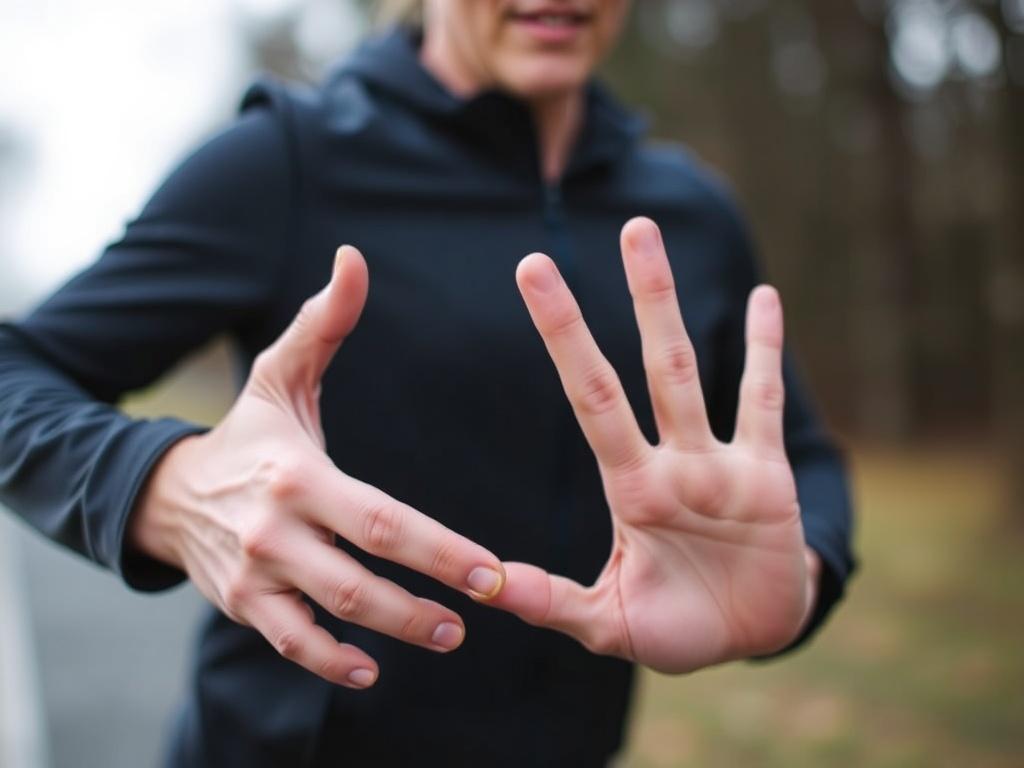
Most cases are transient and activity-related, but certain red flags require urgent attention. Sudden, severe weakness in one arm, drooping of the face, difficulty speaking, vision changes, or loss of balance may signal a stroke and demand immediate emergency care. Likewise, chest pain with arm numbness could indicate cardiac ischemia and must be evaluated promptly.
Progressive symptoms that limit daily tasks, persistent sensory loss, or muscle wasting are also warning signs. In these situations seek expedited evaluation to prevent permanent nerve damage.
How long is too long to wait?
If numbness resolves quickly with rest and you can modify your running to prevent recurrence, it’s reasonable to monitor for a short period while implementing conservative changes. However, if numbness continues despite adjustments over several weeks, or if it becomes more frequent or severe, schedule a medical assessment. Early diagnosis typically leads to more effective, less invasive treatment.
Documenting the frequency, duration, and triggers of episodes will streamline your clinician’s ability to form an accurate diagnosis and treatment plan.
Real-life example from the author
As a runner and writer, I experienced intermittent numbness a few years ago on long training runs, particularly when wearing a popular chest-strapped hydration vest. The first episodes felt like pins and needles in the ring and little fingers. Initially I blamed cold weather, but the pattern persisted even in mild temperatures.
After adjusting the vest and relaxing my shoulders, the problem improved dramatically. A few sessions with a physical therapist revealed tight scalenes and a tendency to hike my left shoulder when tired. Addressing those imbalances through targeted mobility and posture work resolved the numbness almost completely, and I haven’t had a recurrence since.
Practical checklist before your next run
Use this quick checklist to reduce the odds of numb hands on your next outing. It’s a collection of small, evidence-informed choices that together reduce the mechanical and physiological triggers for numbness. Incorporate them into pre-run routine for best results.
- Warm up with dynamic shoulder and thoracic mobility for 5–10 minutes.
- Check gear fit: loosen tight straps, move armbands, pick appropriate gloves.
- Practice nasal or diaphragmatic breathing in the first few minutes.
- Keep shoulders relaxed and hands loosely closed; avoid crossing arms.
- Hydrate and include electrolytes on long runs as needed.
Final practical tips and mindset
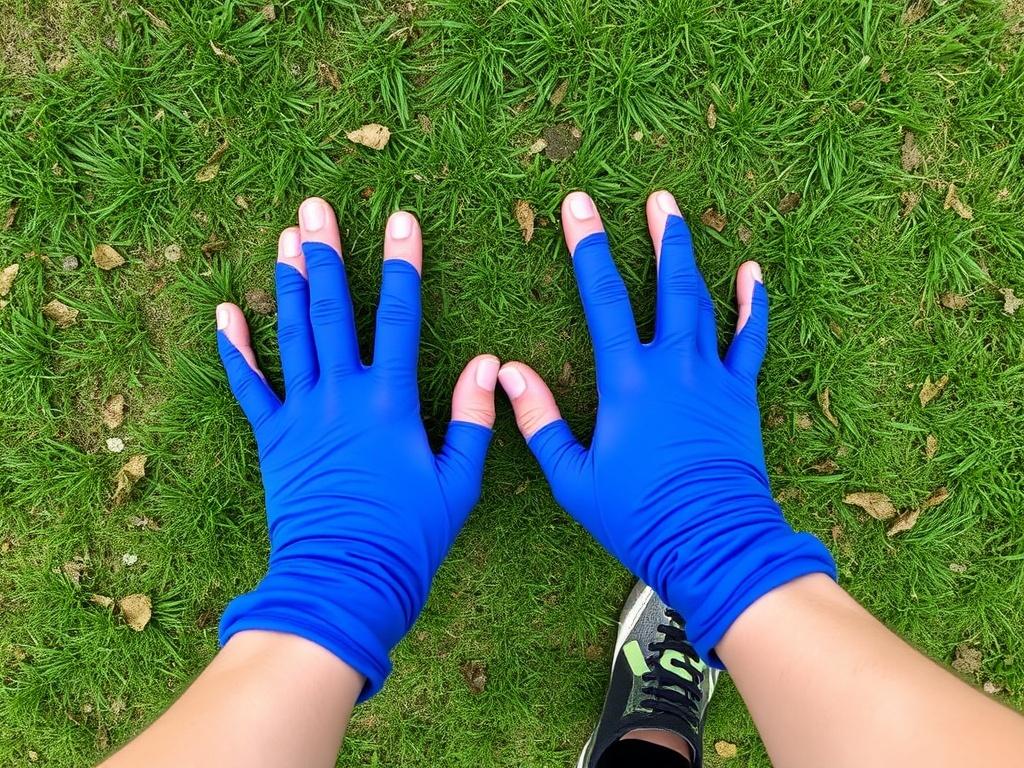
Persistent numbness can be unnerving, but in most recreational runners it points to fixable issues in form, gear, or simple physiology. Treat it like any other training problem: observe, experiment with conservative fixes, and incrementally iterate. You don’t need dramatic overhauls; targeted changes usually yield steady improvement.
Balance curiosity with prudence. If an adjustment leads to gradual improvement, continue refining your routine. If symptoms worsen or signs of nerve damage appear, seek professional evaluation. With the right combination of self-help strategies, focused training, and clinical guidance when needed, you can keep your runs comfortable and free of that distracting, tingly feeling in your hands.