

Hair is often treated like an exterior accessory, reacted to with shampoos, styling tools, and quick fixes. But real change begins where hair is made — within follicles that respond directly to what you eat, how you sleep, and how you manage stress. This article explores practical, science-informed ways to nourish your scalp and strands through food, habits, and sensible supplementation, so your hair looks and feels healthier over time.
Why diet matters for hair: the biology in plain language
Each hair grows from a follicle that needs fuel: amino acids, fatty acids, vitamins, and minerals. Follicles are living tissues with high metabolic demand, so they reflect nutritional shortfalls sooner than many other organs.
Nutrients support three key processes: keratin production (the protein that makes hair), cell division in the follicle, and maintenance of the scalp’s blood supply and skin health. If those processes are compromised by poor diet or deficiency, hair becomes thin, brittle, or falls out prematurely.
Hormones and genetics shape the basic pattern of hair density and growth, but diet is a major modifier. Small, steady nutritional changes often produce visible improvements after a few months, because hair growth cycles take time.
Essential macronutrients: protein and healthy fats
Protein is the primary building block of hair; keratin is almost entirely protein-based. If your diet is chronically low in protein, the body prioritizes vital organs first, and hair can enter a resting phase that leads to shedding.
Aim for a variety of protein sources: lean meats, fish, eggs, dairy, and plant proteins like legumes and tempeh. Combining different plant proteins across the day helps ensure you get all essential amino acids without relying only on animal products.
Dietary fats, especially omega-3 fatty acids, keep the scalp supple and may reduce inflammation that harms hair follicles. Fatty fish, walnuts, flaxseeds, and chia seeds are practical ways to add those fats into everyday meals.
Vitamins that matter most
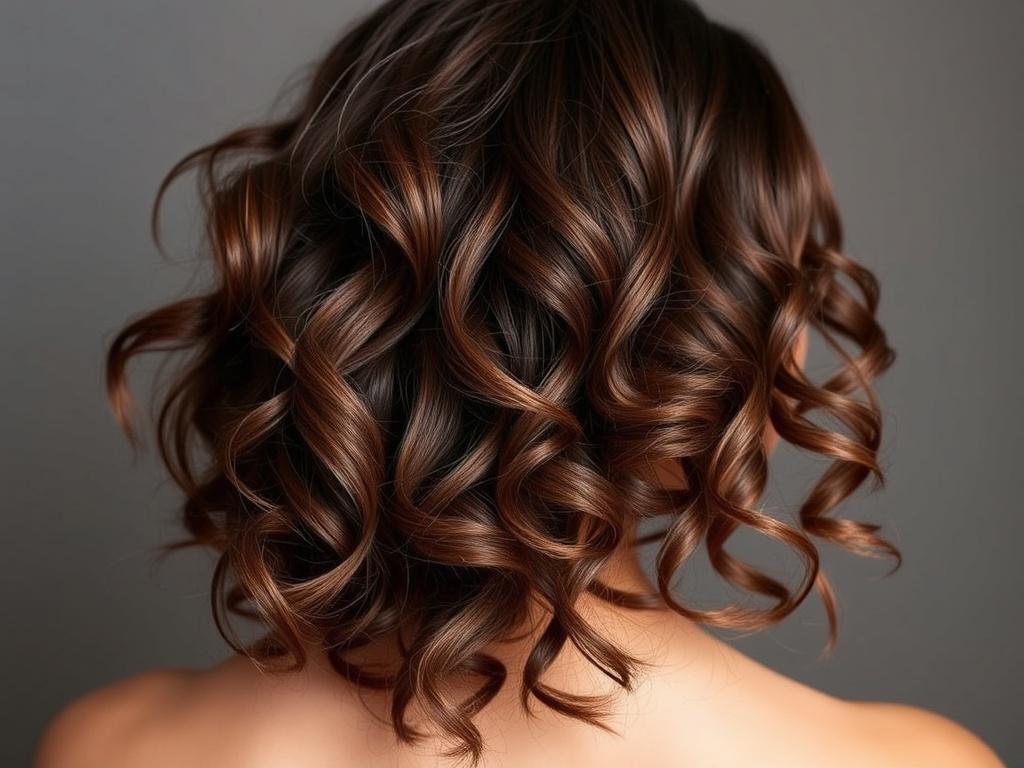
Vitamins operate as cofactors in the biochemical machinery of hair growth. Vitamin A helps with sebum production on the scalp, vitamin C assists with collagen formation and iron absorption, vitamin D plays a role in follicle cycling, and vitamin E is an antioxidant that protects the scalp from oxidative stress.
Most people can obtain these vitamins from a balanced diet rich in colorful fruits and vegetables, fortified foods, and safe sun exposure for vitamin D. Overdoing supplements, especially vitamin A, can be harmful to hair and overall health, so food-first approaches are generally preferable.
B vitamins, particularly biotin and the group of B-complex nutrients, support energy production in hair follicle cells. Biotin deficiency is rare but can cause brittle hair and nails, so ensure adequate intake through eggs, nuts, whole grains, and legumes rather than high-dose pills unless a clinician recommends them.
Key minerals: iron, zinc, and selenium
Iron deficiency is one of the most common, treatable culprits behind diffuse hair loss in both women and men. Ferritin — the storage form of iron — is often checked during medical evaluation when shedding increases unexpectedly.
Zinc supports cell replication and immune function in the scalp; low zinc can disrupt hair growth, while too much zinc can interfere with copper balance and have adverse effects. Selenium is needed in small amounts for antioxidant enzymes, but excess selenium from supplements can be toxic.
Getting these minerals from whole foods — red meat or lentils for iron, oysters and pumpkin seeds for zinc, Brazil nuts for selenium (in moderation) — reduces the risk of imbalance and harnesses additional supportive nutrients simultaneously.
Collagen, silica, and other structural supporters
Collagen is a structural protein that contributes to skin elasticity around the hair follicle and may support overall hair strength. Bone broth, gelatin-rich foods, and dietary collagen supplements are popular ways people try to boost intake.
Silica, found in foods like oats, bananas, and some leafy greens, has been associated with improved hair tensile strength in small studies. It’s best obtained through a varied diet rather than high-dose supplements, since the evidence is still developing.
Remember that small molecules rarely act alone; cofactors like vitamin C enhance collagen synthesis, so pairing collagen-rich foods with fruits or vegetables is a sensible approach for skin and scalp health.
Water and hydration: often overlooked but essential
Hydration affects hair flexibility and the condition of the scalp’s skin barrier. Dehydration can make hair look dull and brittle and can contribute to a dry, flaky scalp that undermines healthy hair growth.
Drink according to thirst and activity level, and include hydrating foods such as cucumbers, melons, and soups. For many people, plain water combined with a balanced diet will meet hydration needs without elaborate tracking.
A note on diuretics: high caffeine or alcohol intake can increase fluid loss. If you consume these frequently, add extra water and hydrating foods to offset the effect on scalp and hair health.
Practical food map: what to eat and why
Below is a concise table showing foods rich in the nutrients discussed and suggested portion ideas. Think of it as a quick grocery-and-meal primer to make changes easier to implement.
| Nutrient | Food examples | Portion ideas |
|---|---|---|
| Protein | Eggs, salmon, chicken breast, lentils, tofu | 1–2 eggs; 3–4 oz salmon; 1 cup cooked lentils |
| Omega-3 fats | Mackerel, sardines, walnuts, flaxseed | 2 servings fatty fish/wk; 1 oz walnuts daily |
| Iron | Beef, spinach, chickpeas | 3–4 oz red meat; 1 cup cooked chickpeas |
| Zinc | Oysters, pumpkin seeds, beef | 3–6 oysters; 1 oz pumpkin seeds |
| Vitamin C | Oranges, bell peppers, strawberries | 1 medium orange; 1 cup strawberries |
Use this table as a flexible guide rather than a rigid prescription. Variety and consistency are more important than obsessing over single “superfoods.”
Sample one-week meal framework for fuller, stronger hair
Below is a simple framework meant to be adapted, not a strict diet plan. It balances protein at each meal, includes fatty acids, and loads vegetables for vitamin and mineral variety.
- Breakfasts: Greek yogurt with walnuts and berries; scrambled eggs with spinach; oatmeal with flax and banana.
- Lunches: Salmon salad with mixed greens; lentil soup with whole-grain bread; chicken and quinoa bowl with roasted vegetables.
- Dinners and snacks: Stir-fried tofu with broccoli; beef and sweet potato; snacks of fruit, pumpkin seeds, and hummus with carrots.
Spacing protein evenly throughout the day helps maintain amino acid availability for hair synthesis. Also aim to include a vitamin C source with non-heme iron meals to improve absorption.
Customizing for dietary preferences: vegetarian, vegan, and pescatarian options
Plant-based diets can support excellent hair health, but they require planning to meet protein, iron, zinc, and B12 needs. Combining legumes with grains, using fortified foods, and including nuts and seeds will cover most bases.
Vegans should monitor iron and B12 more closely; periodic blood tests and working with a dietitian can prevent deficiencies. For B12, fortified foods or a supplement are common solutions because plant foods do not reliably contain active B12.
Pescatarians gain an advantage because fatty fish supplies omega-3s and easily absorbed iron; just ensure variety of vegetables and whole grains for fiber and micronutrients.
When hair loss needs medical attention
Not all hair shedding is purely nutritional. Sudden, significant hair loss, patchy bald spots, or signs of scalp disease warrant professional evaluation. Conditions like alopecia areata, fungal infections, hormonal imbalances, and autoimmune disorders will not respond to dietary tweaks alone.
If you notice persistent shedding beyond normal seasonal changes, or if you have associated symptoms like fatigue or irregular periods, seek a medical workup that includes blood tests for iron status, thyroid function, and other relevant markers.
Working with a clinician lets you pair targeted treatment with nutritional support, ensuring you don’t chase an incomplete solution and that any necessary therapies are started promptly.
Supplements: when they help and when they’re unnecessary
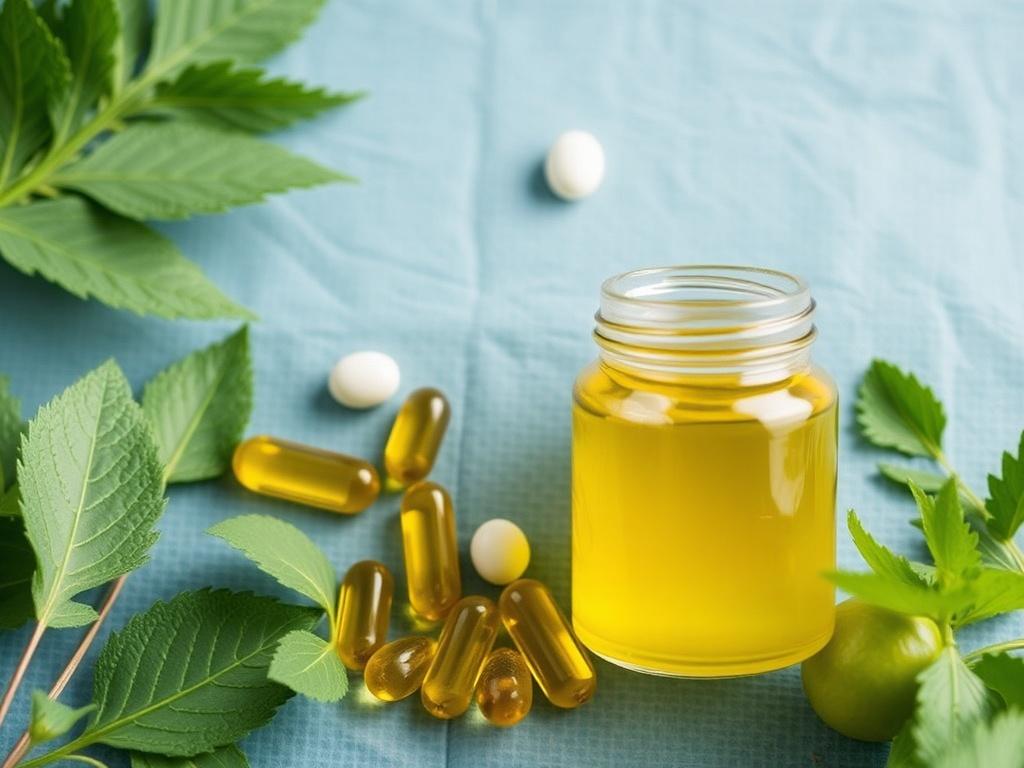
Supplements can correct verified deficiencies and are sometimes helpful when dietary change isn’t enough or when specific needs are identified. Commonly used supplements include iron for deficiency, vitamin D for low levels, and omega-3 tablets for those who rarely eat fatty fish.
General “hair growth” supplement blends often contain biotin, collagen, and vitamins; they can be useful for some, but evidence for dramatic effects in people without deficiencies is limited. Also, high doses of certain nutrients can cause harm.
Before starting supplements, get blood work if you suspect deficiency and consult a healthcare provider. That approach avoids waste, potential nutrient interactions, and unnecessary expense.
Timing and consistency: realistic expectations for results
Hair growth is slow. After nutritional improvements, you may notice healthier texture or less breakage within weeks, but measurable increases in growth or density typically take three to six months. Patience and consistency are essential.
Frustration often comes from expecting immediate transformation; instead, think of nutrition as a steady investment that compounds over many months. Combining dietary improvements with gentler hair care speeds up perceptible benefits.
Tracking progress with photos every few months and noting hair strength and scalp condition helps you see gradual changes that daily observation misses.
Real-life case: how small changes made a big visible difference
As a writer who’s tested many of these strategies personally, I remember a period when my hair looked thin and lifeless after a stressful job change. I shifted toward protein-rich breakfasts, added salmon twice weekly, and prioritized sleep and stress management.
Within three months the hair felt fuller and less prone to breakage, and at six months my stylist commented on improved thickness at the crown. That improvement wasn’t dramatic overnight, but it was steady and noticeable — the kind of result friends asked about once they saw it.
The takeaway from my own experience is that consistent, modest changes in diet and lifestyle tend to outperform short-lived extremes, both for hair and general well-being.
Daily habits that support the foods you eat
Diet is foundational, but habits amplify its effects. Regular sleep, moderate exercise, and stress management all help regulate hormones that influence hair growth and reduce systemic inflammation that can harm follicles.
Scalp care matters too: gentle cleansing, avoiding harsh chemical treatments, and using heat-protectant practices reduce breakage that can be mistaken for loss. A healthy scalp environment lets nutrients reach hair-producing cells more effectively.
Simple rituals like scalp massage increase local circulation and can be relaxing, encouraging better sleep and reducing stress — an indirect but meaningful way to support hair health alongside nutritious meals.
Common myths about diet and hair
Myth: “You need biotin in huge doses to grow hair.” Truth: Biotin deficiency is rare, and extra biotin doesn’t boost hair growth for most people. High doses can also interfere with lab tests, so don’t take megadoses without reason.
Myth: “Milk makes hair grow faster.” Truth: Dairy provides protein and some B vitamins, but there’s no single food that accelerates hair growth beyond the baseline provided by a balanced diet.
Myth: “Detoxes or cleanses will restore hair.” Truth: Short-term cleanses may change weight and hydration but don’t correct long-term nutrient deficits; sustainable eating patterns are what support hair over months.
Practical shopping list and kitchen hacks
Keep your pantry and fridge stocked with a few staples that make nutrient-rich meals quick and palatable. Think eggs, canned salmon, frozen leafy greens, legumes, nuts, seeds, and whole grains like quinoa or oats.
Batch-cook proteins and grains on weekends and assemble quick bowls during the week with raw or roasted veggies and a handful of seeds. Smoothies with yogurt, berries, spinach, and a spoonful of ground flax are an easy hair-supporting breakfast on busy days.
Swap out refined snacks for nuts, fruit, or hummus with vegetables; those small swaps reduce inflammation and provide steady nutrient intake that hair follicles will thank you for over time.
Hair-friendly recipes to try this week
Start simple: a breakfast bowl of Greek yogurt topped with walnuts, ground flax, and sliced strawberries gives protein, omega-3 precursors, and vitamin C in one spoonful. It’s fast and portable if you’re in a rush.
For dinner, try a sheet-pan salmon with sweet potatoes and Brussels sprouts seasoned with lemon and olive oil. It delivers protein, omega-3s, vitamin A precursors, and vitamin C in a single tray with minimal cleanup.
A hearty lentil and spinach stew with garlic and turmeric is a great vegetarian option; pair it with a citrus salad to boost iron absorption and enjoy a warming, nutrient-dense meal that supports follicles.
Managing expectations: what nutrition can and cannot do
Nutrition is powerful but not omnipotent. It can correct deficiencies, reduce some types of shedding, and improve hair quality, but it won’t reverse every genetic or age-related change. Medical treatments and topical therapies have their place alongside diet.
Think of diet as one pillar in a multi-pronged plan: it supports the biology, while appropriate haircare and, when needed, medical interventions address structural and dermatological issues. Viewing hair health holistically produces the most sustainable results.
Tracking improvements requires patience and realistic benchmarks: improved texture and decreased breakage are wins, even if dramatic regrowth takes longer or requires concurrent medical treatment.
Practical checklist to start today
Begin with three manageable steps: add a high-quality protein to every meal, eat a serving of oily fish twice a week or a plant omega-3 source daily, and include at least two different colored vegetables with lunch or dinner. These small habits accumulate into meaningful change.
Second, prioritize sleep and a simple stress-management routine like 10 minutes of walking or meditation daily. Those choices help hormonal balance that supports hair follicles.
Finally, schedule a basic blood panel if you’ve noticed sudden hair loss, fatigue, or other symptoms. Knowing your iron, vitamin D, and thyroid status provides actionable data and prevents unnecessary supplementation guessing.
When to see a specialist and what to expect
If hair loss is abrupt, patchy, or accompanied by other concerning symptoms, book an appointment with a dermatologist or a primary care provider experienced in hair disorders. They will review your history, perform a scalp exam, and often order labs to check for underlying issues.
Treatment could include topical therapies, systemic medications, or procedures, paired with nutritional support. Coordinating care between clinicians and nutrition professionals yields a comprehensive, personalized plan.
Bring a brief diet history and a list of supplements when you go; that information helps clinicians spot interactions or deficiencies that might otherwise be missed.
Long-term perspective: maintenance and periodic reassessment
Once you reach a place where hair feels healthy, maintenance matters: keep a balanced diet, rotate protein sources, and continue seasonal checks on your nutritional status. Hair responds to what you do in the long term, not to intermittent fads.
Every six to twelve months, reassess your diet and lifestyle, especially if life circumstances change — pregnancy, aging, major stress, or a dietary shift to veganism can alter nutrient needs. Small adjustments keep momentum going.
Maintaining hair health is less about perfection and more about consistent, thoughtful choices that fit your life and taste. That approach is both sustainable and scientifically sensible.
Improving the appearance and resilience of your hair takes time and a few deliberate choices: prioritize high-quality protein, include healthy fats, vary colorful produce, and pay attention to iron and vitamin D status. Combine those dietary changes with good sleep, stress management, and gentle hair care, and you’ll give your follicles the conditions they need to thrive. With patience and steady habits, the inside-out approach reliably helps hair look and feel healthier.