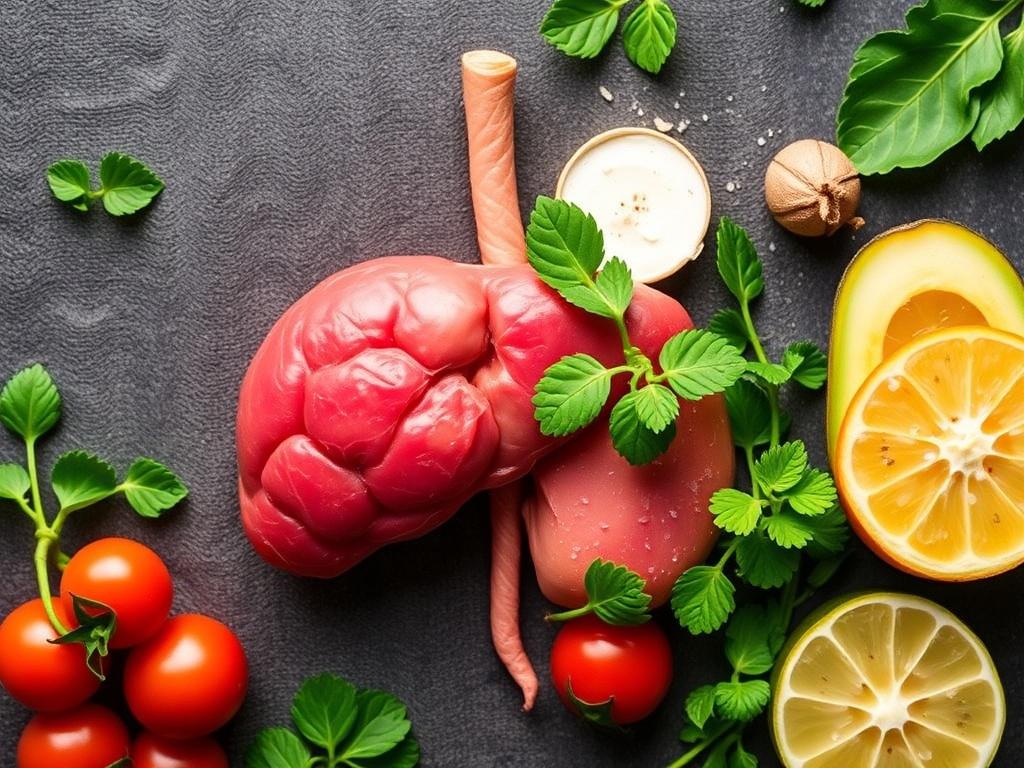
Your liver quietly does the heavy lifting of digestion, detox, and metabolism every day, and the food you choose can help it thrive or make its job harder. This article explores how to structure your eating—what to favor, what to limit, and how small, sustainable changes improve liver function over time. I’ll use clear science, practical recipes, and lived examples to make the path forward feel simple, realistic, and encouraging.
Why the liver matters more than you think
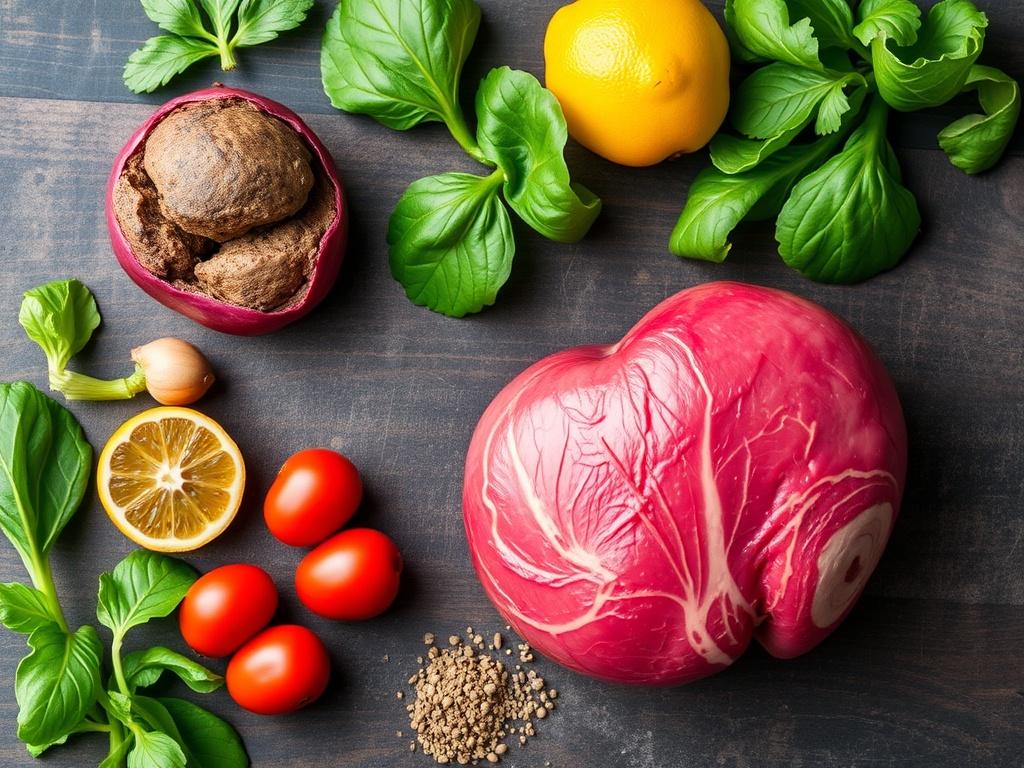
The liver is a biochemical factory: it processes nutrients, stores energy, manufactures proteins, and removes toxins from the blood. Because it handles so many roles, even subtle nutritional imbalances can affect overall health, energy levels, and risks for chronic disease.
Liver health isn’t just about avoiding alcohol. Conditions such as nonalcoholic fatty liver disease (NAFLD) are closely tied to diet, weight, and metabolic health, and they now affect millions worldwide. Understanding the liver’s needs helps you make food choices that support everything from hormone balance to immune resilience.
Think of the liver as both a filter and a pantry: it filters out harmful compounds while storing essential nutrients like glycogen and fat-soluble vitamins. When overwhelmed by poor diet, excess calories, or certain toxins, the liver’s efficiency drops and symptoms—sometimes silent—can accumulate.
Core principles of liver-friendly eating
First, prioritize whole foods over processed fare. Whole fruits, vegetables, lean proteins, whole grains, nuts, and seeds provide the vitamins, minerals, fiber, and healthy fats the liver needs to function optimally. Fiber, in particular, helps the liver by binding bile and cholesterol in the gut, assisting with elimination.
Second, steady your energy intake. Large, sporadic meals high in sugar and refined carbohydrates spike insulin and promote fat storage, which can worsen fatty liver. Smaller, balanced meals spaced through the day help maintain stable blood sugar and reduce metabolic stress on the liver.
Third, focus on anti-inflammatory patterns. Chronic, low-grade inflammation contributes to liver injury and scarring. Foods rich in antioxidants and omega-3 fats help dial inflammation down, whereas trans fats, excess sugar, and processed meats tend to raise it.
Finally, aim for gradual, maintainable changes. Dramatic dieting or extreme cleanses may promise quick fixes, but long-term benefit comes from habits you can keep—meals you enjoy, simple swaps, and consistent portion sense that support liver recovery over months and years.
Key nutrients the liver needs
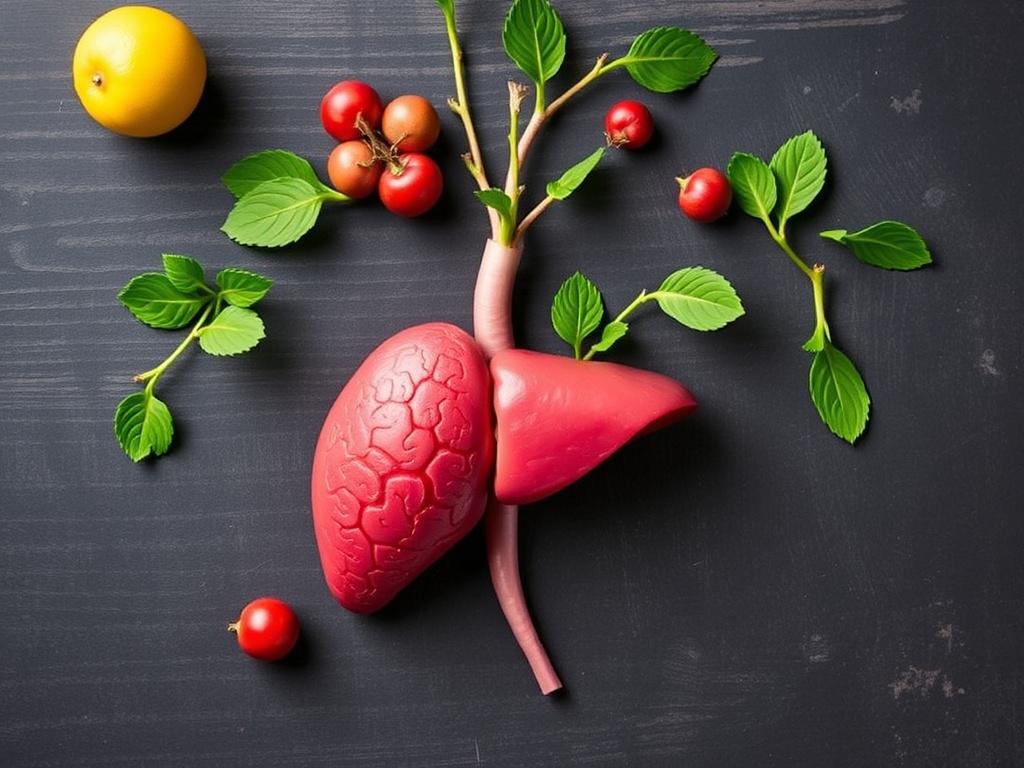
Antioxidants: vitamin C, vitamin E, and plant pigments
Antioxidants protect liver cells from oxidative damage caused by toxins and high-fat diets. Vitamin C and E are classic examples, but colorful plant compounds like flavonoids and carotenoids play a critical role too.
Eat a rainbow: citrus and berries for vitamin C, nuts and seeds for vitamin E, and deeply colored vegetables like carrots, beets, and leafy greens for a spectrum of protective phytochemicals. These compounds work synergistically, so variety matters more than single “superfood” hunts.
Choline: essential for fat transport
Choline is a nutrient critical to packaging and exporting fat from liver cells. Without adequate choline, fat can accumulate inside the liver, increasing the risk of fatty liver changes. Food sources like eggs, lean meats, soy, and cruciferous vegetables are practical ways to get choline daily.
Most people can meet choline needs through a balanced diet, but certain populations—pregnant women and those following strict vegan regimens—might need extra attention. Discussing dietary patterns with a clinician can clarify whether supplementation is necessary.
Fiber: gut health and bile regulation
Soluble and insoluble fiber both support the liver indirectly by maintaining healthy digestion and influencing cholesterol and bile acid recycling. Soluble fiber, in particular, helps bind excess bile and cholesterol in the gut so the body can excrete them rather than reabsorb them.
Include oats, legumes, apples, pears, and a good serving of non-starchy vegetables daily. Small adjustments—like adding beans to a salad or choosing barley for a side—accumulate into meaningful improvements in liver-friendly fiber intake.
Healthy fats: omega-3s and monounsaturated fats
Not all fats are equal. Omega-3 fatty acids reduce liver inflammation and can improve liver fat content in people with NAFLD, while monounsaturated fats support lipid profiles. Sources like fatty fish, walnuts, flaxseeds, and olive oil work in different ways to improve metabolic and liver health.
Limit saturated fats and avoid trans fats. Replace butter-heavy cooking with olive oil in moderate amounts, and favor grilled or baked fish over fried options to maximize benefit while keeping calories and harmful fats in check.
Protein: building blocks and repair
Adequate, high-quality protein supports the liver’s regenerative capacity and helps maintain muscle mass during weight loss, which in turn improves metabolic health. Opt for lean sources such as poultry, fish, legumes, and low-fat dairy. Plant proteins such as beans and soy provide fiber and phytonutrients in addition to amino acids.
Spread protein evenly through the day; this pattern supports steady glucose control and avoids overstressing the liver with extreme intakes in single meals. Typical adults aiming for weight loss or liver recovery often benefit from modest increases within safe ranges recommended by clinicians.
B vitamins, vitamin D, and minerals
B vitamins support energy metabolism and liver detox pathways; deficiencies interfere with the liver’s ability to handle fats and toxins. Whole grains, lean meats, eggs, and leafy vegetables supply these nutrients naturally. Vitamin D has been associated with liver health, with low levels linked to worse outcomes in some studies.
Minerals like magnesium and selenium act as cofactors for antioxidant enzymes in the liver. Brazil nuts, whole grains, seeds, and green vegetables contribute these micronutrients. Routine labs can guide replacement if blood levels are low.
Hydration and electrolytes
Water is a simple, often overlooked support for liver health. Adequate hydration assists circulation, digestion, and the elimination of waste products. Mild dehydration can concentrate bile and impede elimination, so aim for consistent fluid intake across the day.
Beyond plain water, unsweetened herbal teas and broths can help maintain fluid balance without adding sugar. For people who sweat heavily or exercise regularly, attention to electrolytes—particularly sodium and potassium—helps maintain overall metabolic stability.
Foods to favor and foods to avoid
Building a liver-friendly plate is about filling your day with nutrient-dense choices and minimizing foods that provoke inflammation, insulin spikes, or excess fat accumulation. Favor whole grains, vegetables, fruits, legumes, lean proteins, nuts, seeds, and healthy oils.
Avoid or limit highly processed foods, sugary beverages, refined carbohydrates, and trans fats. Reducing portion sizes of high-fat dairy and fatty cuts of meat helps too, especially if weight loss is a target. Quality and quantity matter together—small, frequent improvements usually beat dramatic but unsustainable changes.
Below is a simple table to guide daily shopping and meal planning. Use it as a quick reference for swaps and priorities when grocery shopping or reading labels.
| Foods to favor | Foods to limit or avoid |
|---|---|
| Leafy greens, cruciferous vegetables, colorful vegetables and fruits | Packaged snacks with trans fats, sugary drinks, candies |
| Fatty fish (salmon, mackerel), walnuts, flaxseeds | Fried foods, processed meats, large servings of red meat |
| Legumes, whole grains, oats, barley | Refined grains like white bread, pastries, regular pasta |
| Eggs, lean poultry, tofu, low-fat dairy | Full-fat dairy in excess, high-calorie desserts, sugary cereals |
| Olive oil, small amounts of avocado | Butter, margarine with trans fats, hydrogenated oils |
Practical meal ideas and a sample 7-day plan
Simple meals make liver-friendly eating achievable. For breakfast, think oats with berries and a sprinkle of flax or a vegetable omelet with a slice of whole-grain toast. These combinations pair fiber with protein and healthy fat to start your day steadily.
Lunches that work well include grain bowls with quinoa, roasted vegetables, chickpeas or salmon, and a lemon-olive oil dressing; or hearty salads topped with lean protein and a side of fruit. Make portions sensible by using your plate as a guide: half vegetables, a quarter lean protein, a quarter whole grain or starchy vegetable.
Dinners can be one-pan roasted fish with Brussels sprouts and sweet potatoes, or a lentil and vegetable stew with a green salad. Snacks should be intentional: yogurt with fruit, carrot sticks with hummus, or a small handful of nuts. Avoid grazing on processed options when hunger strikes.
Here’s a compact 7-day plan to illustrate how these ideas come together. Feel free to swap proteins, grains, and vegetables to keep variety and seasonal flavors in play.
- Day 1: Breakfast—oatmeal with blueberries and walnuts. Lunch—quinoa salad with chickpeas and mixed greens. Dinner—grilled salmon, roasted asparagus, brown rice.
- Day 2: Breakfast—vegetable omelet with spinach and tomatoes. Lunch—lentil soup and whole-grain pita. Dinner—stir-fried tofu with broccoli and barley.
- Day 3: Breakfast—Greek yogurt, sliced apple, and chia seeds. Lunch—turkey and avocado whole-grain wrap, side salad. Dinner—baked cod, steamed greens, sweet potato mash.
- Day 4: Breakfast—smoothie with spinach, banana, and flax. Lunch—black bean salad with corn and peppers. Dinner—roasted chicken breast, quinoa, mixed vegetables.
- Day 5: Breakfast—buckwheat pancakes with berries (small portion). Lunch—tempeh bowl with brown rice and kale. Dinner—vegetable chili with a side of whole-grain cornbread.
- Day 6: Breakfast—scrambled eggs with sautéed mushrooms. Lunch—salmon salad over mixed greens. Dinner—shrimp and vegetable skewer with couscous.
- Day 7: Breakfast—steel-cut oats with sliced pear and almonds. Lunch—Greek salad with chickpeas. Dinner—lentil bolognese over whole-grain pasta with a side of roasted zucchini.
Cooking methods, portion control, and reading labels
How you cook food affects its liver impact. Favor baking, steaming, poaching, grilling, and stir-frying with minimal oil over deep-frying or heavy pan-frying. These methods reduce added unhealthy fats and keep portion sizes reasonable.
Portion control matters more than abstinence. Learning serving sizes—about 3 to 4 ounces of cooked protein per meal, a fist-sized portion of whole grains, and generous portions of vegetables—helps balance calories without feeling deprived. Plate-based rules are simple and practical for day-to-day life.
When reading labels, watch for hidden sugars (look for words like corn syrup, dextrose, maltose), trans fats, and high sodium. Choose products with short ingredient lists and recognizable foods. Remember that “reduced-fat” items sometimes compensate with added sugar, so check nutrition facts for overall balance.
Supplements and herbs—what the evidence supports
Supplements can complement diet, but they aren’t a primary solution for liver health. Milk thistle is often marketed for the liver; some studies suggest it may support liver cell protection, though results are mixed and quality varies between products. Talk with your clinician before starting any herb, especially if you take medications.
Omega-3 supplements have stronger evidence for improving liver fat in NAFLD when diet alone falls short. A daily dose of fish oil under medical guidance can reduce liver fat and improve triglycerides. Still, food sources are generally preferred for long-term sustainment because they offer fiber and additional nutrients.
Vitamin D and B-complex supplements may be useful when blood tests show deficiencies. Avoid high-dose fat-soluble vitamins without medical supervision because excessive amounts can be harmful. Use labs and a provider’s advice to personalize any supplementation plan.
Finally, be cautious of “detox” products or cleanses that make dramatic promises. Some of these contain unregulated ingredients or diuretics that stress the liver and kidneys. Sustainable dietary changes deliver measurable results without the risk of quick-fix regimens.
Alcohol, weight management, and chronic conditions
Alcohol is a direct toxin to liver cells; even moderate drinking can exacerbate existing liver problems and increase risks of steatosis and inflammation. If you have liver disease or risk factors for fatty liver, reducing or eliminating alcohol is one of the most potent steps you can take.
Weight loss of 7–10% of body weight often produces meaningful improvements in liver fat and inflammation for people with NAFLD. Aim for steady, sustainable loss through modest calorie reductions, increased physical activity, and dietary shifts toward whole foods rather than crash diets that are hard to maintain.
Conditions such as type 2 diabetes, high cholesterol, and metabolic syndrome are tightly linked to liver health. Managing these conditions through medication when necessary, along with diet and exercise, helps the liver recover and reduces long-term complications like fibrosis. Coordinate care with your healthcare providers for integrated management.
When to see a healthcare professional and what tests matter
See a clinician if you have persistent fatigue, unexplained jaundice (yellowing of skin or eyes), swelling in the abdomen or legs, or abnormal liver enzymes on routine bloodwork. Early detection and intervention prevent progression in many liver conditions.
Common tests include liver enzyme panels (ALT, AST, ALP), bilirubin, albumin, and platelet counts. Imaging, such as ultrasound or FibroScan, helps assess liver fat and fibrosis. Your provider will interpret these results alongside metabolic markers like fasting glucose, hemoglobin A1c, and lipid panels to form a holistic plan.
Follow-up matters. If lifestyle interventions are recommended, repeat labs over months allow measurement of progress. When diet changes produce favorable trends, clinicians can often reduce medication burden. Conversely, lack of improvement may indicate the need for additional therapies or referral to a liver specialist.
My personal experience and real-life examples
As a writer and someone who’s helped a close family member through a diagnosis of fatty liver, I’ve learned how small, consistent choices matter more than dramatic overhauls. We began with simple swaps—oatmeal for sugary cereal, grilled salmon rather than fried dinners, and a daily walk after meals—and over six months saw meaningful lab improvements under medical follow-up.
One practical change that helped in that home was the “family dinner swap”: replace one processed meal per week with a legume-based stew or a fish bake. That small habit built culinary confidence and reduced reliance on packaged convenience foods without dramatic disruptions to schedules or budgets.
Practical tips for grocery shopping and meal prep
Start shopping from the perimeter of the store where fresh produce, lean proteins, and dairy typically live; this keeps the cart full of whole foods and reduces impulse buys. Make a simple list with a few staples—such as greens, a whole grain, a legume, and a lean protein—to ensure balanced weekly meals.
Meal prep saves time and reduces the temptation to default to unhealthy choices. Cook a large pot of beans or lentils, roast a tray of mixed vegetables, and portion out grains on the weekend so you can assemble meals in minutes during the week. Even one hour of prep can change daily food choices dramatically.
Keep healthy snacks visible and accessible: washed fruit in a bowl, containers of chopped vegetables with hummus, and small bags of mixed nuts. When hunger hits, convenience often decides the choice; make the convenient options the healthiest ones.
Quick pantry checklist for liver-friendly cooking
Having a stocked pantry makes liver-friendly meals easier to assemble on busy days. Essentials include olive oil, canned tomatoes, low-sodium broth, canned legumes, rolled oats, whole-grain pasta, brown rice, nuts, and seeds. Herbs and spices add flavor without the need for heavy sauces or excess salt.
Rotate fresh produce by season to keep costs down and variety high. Frozen fruits and vegetables are an economical and nutrient-preserving backup that perform well in smoothies, soups, and stews. Buying what’s in season and frozen options reduces waste and keeps meals exciting.
Common myths and how to spot misinformation
Misinformation is common in the nutrition space: myths such as “detox teas clear your liver” or “only alcohol causes liver disease” are widespread. Guard against sensational claims by checking for peer-reviewed studies, reputable clinical guidelines, and consensus from professional societies rather than relying on anecdotes or product marketing.
Skeptical questions to ask when you encounter a claim: Is there credible research? Has it been replicated? Are reputable health organizations endorsing this? If answers point to single small studies or industry-funded reports, treat the claim cautiously and consult reliable sources or a medical professional.
Putting everything together, sustainable liver support is an art of consistent, practical choices: variety, balance, portion sense, and small habits that you can maintain. The changes don’t need to be dramatic to be effective—replacing sugary drinks with water, adding two more vegetable servings a day, and choosing grilled over fried will move the needle over months.
Make adjustments based on your life, tastes, and medical needs, and lean on professionals for testing and personalized guidance. With steady, realistic steps you can give your liver the daily support it needs to run smoother and keep you feeling better for years to come.