
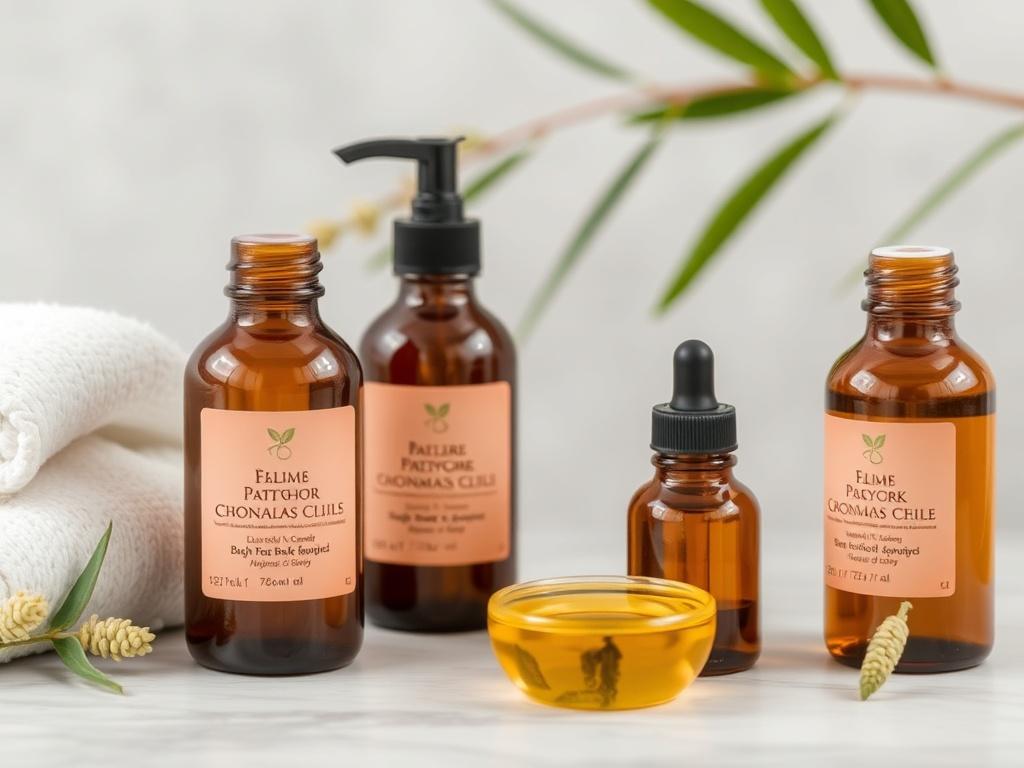
Many people rediscover the pleasure and effectiveness of oils as part of their daily ritual, and this guide walks you through how to make them work for your skin. Whether you’re curious about natural alternatives to lotions, eager to blend a custom ritual, or simply want fewer products with better results, you’ll find clear, practical steps ahead. The phrase Уход за телом с помощью масел will appear here as the guiding theme, but the focus is on usable information you can put into practice tonight.
Why oils deserve a place in your body-care routine
Oils do something simple and often overlooked: they seal moisture into the skin and repair the lipid barrier without leaving a greasy film when used correctly. Unlike many water-based creams, oils interact with your skin’s natural oils, complementing rather than fighting them. That makes them versatile for both hydration and barrier repair.
Beyond basic hydration, oils carry vitamins and fatty acids that promote elasticity and skin health. Some oils are naturally anti-inflammatory or antimicrobial; others are rich in antioxidants that help minimize environmental damage. These biochemical benefits are why a small amount of the right oil can outperform layers of synthetic lotions.
There’s also a sensory and psychological side: massaging oil into the skin creates a deliberate, calming ritual. A few minutes of mindful touch can reduce stress—and stressed skin often shows it. For many people, the ritual is as valuable as the oil itself.
How oils work on the skin: science in plain language
Human skin is mostly lipids and proteins; when those lipids are stripped away by soaps or sun, water escapes more easily. Oils form an occlusive layer that slows transepidermal water loss (TEWL), so the skin retains hydration longer. They don’t magically add moisture—they prevent it from leaving.
Different oils have different molecular weights and fatty acid profiles, which determine how quickly they absorb and whether they feel heavy or light. Medium-chain triglycerides like fractionated coconut oil sink in fast, while denser oils like avocado oil sit on the surface longer. This variance helps you choose the right oil for your needs.
Essential oils, in tiny amounts, add more than scent: compounds like linalool, limonene, or eugenol bring subtle therapeutic actions. Because these compounds are potent, dilution matters. A small drop of lavender or frankincense can calm redness when blended properly with a carrier oil, but used neat they can irritate.
Types of oils: carriers, essential oils, and infused blends
Carrier oils are base oils pressed from seeds, nuts, or fruit pulp, and they make up the bulk of any topical formula. Common carriers include jojoba, sweet almond, sunflower, grapeseed, and avocado oil. Each carries a distinct texture, aroma, and set of nutrients.
Essential oils are concentrated aromatic compounds distilled from plants. They are not moisturizing on their own; their purpose is fragrance and targeted effects like relaxation, stimulation, or antiseptic action. Always dilute essential oils into a carrier and follow recommended dilution rates.
Infused oils combine a carrier oil with herbs or botanicals warmed gently over time to transfer active plant components. Calendula-infused olive oil or rosemary-infused sunflower oil deliver botanical benefits without the intensity of essential oils. They’re an excellent middle ground if you want more function than a plain carrier offers.
Quick comparison: common carrier oils
| Oil | Texture | Key benefits | Skin type |
|---|---|---|---|
| Jojoba | Light, non-greasy | Mimics sebum, long shelf life | All types, especially normal/combination |
| Sweet almond | Medium, silky | Rich in vitamin E, softening | Dry, sensitive |
| Avocado | Heavy, rich | High in oleic acid, deeply nourishing | Very dry, mature |
| Grapeseed | Light, fast-absorbing | Non-comedogenic, antioxidant | Oily or acne-prone |
| Coconut (fractionated) | Very light, dry-feel | Stable, antimicrobial | All types, massage |
Use this table as a starting point rather than a rulebook. Texture and effect can vary by brand and refinement method, so test before committing to big bottles. Shelf life varies too: lightweight oils tend to last longer unless they’re unrefined and rich in polyunsaturated fats, which oxidize faster.
Choosing the right oil for your skin type
Start with a small sample. Apply a drop of the oil to the inner forearm and wear it for a day; observe for feel and any reaction. Skin type matters, but personal preference—how the oil smells and feels—determines whether you’ll use it consistently.
For dry skin
Choose rich oils that provide long-lasting occlusion and deep nourishment. Avocado, olive, and almond oils are excellent because they contain oleic and linoleic acids that replenish the lipid barrier. Use heavier oils at night when the body’s repair mechanisms are most active.
Pairing oils with a humidifier or applying them to damp skin boosts effectiveness. Water trapped under a thin oil layer gives much better hydration than oil alone. If you live in a dry climate, consider using butters like shea or mango for extra help.
For oily or acne-prone skin
It might feel counterintuitive, but certain light oils can help regulate oil production and reduce breakouts. Grapeseed, hemp seed, and rosehip oil are high in linoleic acid, which can balance sebum and support acne-prone skin. Avoid comedogenic oils like coconut and cocoa if you’re prone to clogged pores.
Start slowly—use oils as spot treatments or replace heavy lotions gradually. Many people see fewer breakouts when they switch from heavy, pore-clogging creams to a single, non-comedogenic oil applied sparingly. Cleanse gently and avoid over-exfoliation, which can trigger more oil production.
For sensitive or reactive skin
Simplicity is your ally. A single, mild carrier oil such as jojoba or sweet almond, cold-pressed and unfragranced, is often enough. Keep essential oils out unless you’re working with a dermatologist or have done careful patch tests.
Look for oils labeled hypoallergenic and free of fillers, synthetic fragrances, and preservatives. Patch testing is non-negotiable: apply a drop diluted at recommended levels to a small area for 24–48 hours to check for irritation.
For mature skin
Mature skin benefits from oils high in antioxidants and fatty acids that support collagen and elasticity. Rosehip seed, pomegranate seed, and argan oil offer reparative nutrients and a velvety finish. Use them consistently; skin improvements show over weeks rather than overnight.
Consider mixing oils into your existing serums or using them as a final step to lock in moisture. Nighttime is ideal, and gentle facial massage while oiling can stimulate circulation, which improves tone and brightness over time.
Practical application techniques
How you apply oil matters as much as which oil you use. Warm your oil between your palms before massage; warm oil spreads more evenly and feels luxurious rather than cloying. Heat also increases blood flow superficially, helping absorption.
Apply to damp skin whenever possible. Right after showering is prime time—the skin is hydrated and open to locking in moisture. Pat rather than rubbing, and use gentle upward strokes to encourage lymphatic movement and glowing skin.
Step-by-step post-shower body oil routine
- Gently towel-dry so the skin remains slightly damp.
- Pour a nickel-sized amount into palms and rub to warm.
- Press hands to larger areas like thighs and stomach, then smooth outwards.
- Use smaller amounts for hands and shoulders; reapply as needed to elbows and heels.
For massage, use more oil and longer, kneading motions to warm muscle tissues and help the oil penetrate. If you’re addressing tightness or soreness, pair the oil with a few minutes of foam rolling or targeted stretching after your massage. The combination relaxes both muscle and skin tissue.
How to blend oils safely at home
Simple blends are the most successful. Start with a base (carrier oil) of 95–98% and add 2–5% essential oil total for body applications. For example, for 30 ml of carrier, add 12–18 drops of essential oil combined, following safety guidelines for each oil.
Label every bottle with the date and ingredients; homemade blends don’t have preservatives, so use them within their safe window. Keep blends in dark glass bottles to minimize oxidation, and store them in a cool, dark place.
Five easy DIY blends
- Daily hydrator: 25 ml jojoba + 5 ml sweet almond + 8 drops lavender.
- Deep nourishment: 20 ml avocado + 10 ml argan + 6 drops neroli.
- Soothing rash relief: 28 ml calendula-infused olive oil + 2 drops chamomile.
- Uplifting massage: 30 ml fractionated coconut + 6 drops sweet orange + 4 drops rosemary.
- After-sun repair: 25 ml rosehip + 5 ml calendula + 5 drops lavender.
These recipes are examples, not strict rules. Tailor ratios and ingredients to your sensitivity and scent preference. Start with the low end of essential oil counts and increase only when you’re confident there’s no irritation.
Using oils for body concerns: stretch marks, cellulite, and scarring
Oils are not magic, but they support tissue health and appearance over time. Consistent massage with nutrient-rich oils can improve skin tone, elasticity, and the visual texture of scars and stretch marks. Results accumulate slowly and require patience and gentle persistence.
For stretch marks, oils high in vitamin E and linoleic acid—rosehip and sweet almond—can soften scar tissue and improve pigmentation. Adding a gentle massage enhances blood flow and tissue remodeling, which helps the skin appear smoother within months. Expect incremental improvements rather than instant erasure.
Cellulite responds best to multifaceted approaches: firming massage, regular movement, balanced diet, and topical blends that increase circulation. Caffeine-containing formulations and essential oils like grapefruit can stimulate circulation, but lifestyle factors play a major role. Oils are supportive, not a cure.
Special applications: baths, body scrubs, and hair care
Oils work beautifully in baths, but less is more: a teaspoon of oil in bathwater disperses into a milky layer that softens skin without leaving you slippery. Add baking soda or colloidal oatmeal for additional soothing effects if you have irritated or sunburned skin.
For scrubs, combine oil with a natural exfoliant like sugar or fine salt to buff and nourish simultaneously. Sugar is gentler and better for sensitive areas, while sea salt is invigorating and works well on legs and feet. After scrubbing, rinse and apply a light layer of oil to lock in moisture.
Oils also revive dry hair ends and soothe the scalp when used sparingly. Apply a small amount of argan or jojoba oil to the ends before styling or use a warm oil scalp massage with coconut or olive oil to relieve dryness. Leave-in treatments should be light to avoid a greasy look.
Safety, dilution, and special populations
Essential oils are powerful and require caution. For adult body use, a 1–3% dilution is typical; for children, elderly, or sensitive skin, reduce to 0.25–1%. Never use essential oils undiluted directly on skin.
Some oils cause photosensitivity; bergamot and certain citrus oils can lead to burns and pigmentation when exposed to sunlight after application. Avoid sun exposure for at least 12–24 hours after applying photosensitizing oils unless you use furocoumarin-free versions and follow safety directions.
During pregnancy, certain essential oils and higher doses are contraindicated. Oils like clary sage, cinnamon, and rosemary are often recommended to avoid. Consult with a healthcare provider before using essential oils during pregnancy or when treating infants.
Storage, shelf life, and signs of rancidity
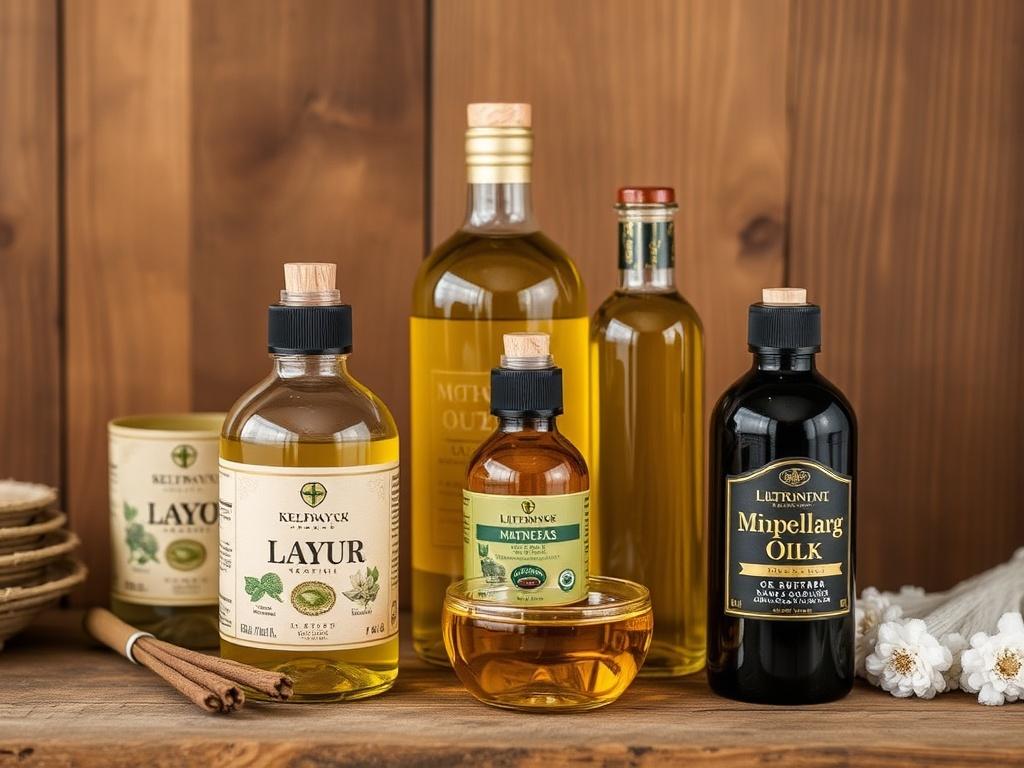
Store oils in dark, airtight glass bottles away from heat and light to extend shelf life. Unrefined oils like flaxseed and wheat germ oxidize quickly and should be stored in the refrigerator if you intend to keep them longer than a few months. Refined oils generally last longer but still benefit from cool storage.
Rancid oil smells sharp, bitter, or like old paint, and it can irritate skin. Discard any oil that changes smell, color, or texture. If you blend oils, date and track their expected shelf life based on the least stable ingredient.
Environmental and ethical considerations
Not all oils are created equal on the sustainability front. Palm oil derivatives, for example, are linked to deforestation unless sourced sustainably. Look for certifications like RSPO for palm-derived products or choose alternatives that avoid high-impact crops.
Cold-pressed, organic oils often have higher nutrient content and lower pesticide residues, but they can cost more. Local sourcing reduces transportation impact and supports smaller producers; I once switched to a local cold-pressed sunflower oil, and the difference in aroma and skin response was noticeable.
Packaging matters too: dark glass is preferable to plastic for shelf stability and recyclability. If you buy in bulk, decant into smaller dark bottles for daily use and keep the main container sealed to reduce oxidation.
Common myths and pitfalls
Myth: Oils always make skin greasy. Reality: Absorption depends on oil type and amount. A few drops of a light oil properly warmed and applied to damp skin can leave a non-greasy finish.
Myth: Natural equals safe. Reality: “Natural” ingredients can still irritate or sensitize. Even plant-derived compounds can cause allergic reactions, so patch testing remains essential. Treat natural products with the same respect as any active formulation.
Myth: All oils are interchangeable. Reality: Oils differ substantially in fatty acid profile, comedogenic potential, and antioxidant content. Choosing the wrong oil for your skin type or concern can hinder results or cause breakouts.
How to integrate oils into an existing routine
If you already use serums or lotions, add oil as the final step to seal in hydration. For heavier oils or nighttime treatments, skip additional creams to avoid overloading the skin. The oil should sit comfortably on your skin rather than feel like an extra layer of product.
Alternate days when testing a new oil blend: start with every other day to watch how your skin adapts. Once you find a comfortable frequency, maintain it—consistency matters more than intensity. Adjust seasonally; heavier oils in winter, lighter ones in summer.
Personal notes: what I learned from switching to oils
I began using oils as a way to simplify an overflowing cosmetic cabinet. Initially skeptical about greasiness, I experimented with jojoba and rosehip, applying light amounts on damp skin. Within weeks I noticed smoother texture, fewer flare-ups, and less reliance on multiple products.
What surprised me was how much ritual changed my perception of self-care. A nightly five-minute massage with a calming blend became a signal to my brain to unwind. The practical benefits—softer elbows, reduced tightness in winter—were bonuses on top of the mental reset.
Red flags I learned to respect: unrefined oils can stain fabrics, some scented blends interfered with sleep rather than aiding it, and using too much oil made certain fabrics cling. Small adjustments solved each issue, but trial and error was part of the process.
Troubleshooting guide: when something goes wrong
If you develop redness or burning, stop using the product immediately and rinse the area with cool water. For mild irritation, a bland carrier oil like jojoba can sometimes soothe the skin, but persistent reactions require medical advice. Keep a log of products and ingredients to trace culprits.
If your skin becomes oilier after switching, reduce the amount and increase dilution with a lighter carrier or mix with a hydrosol. Sometimes the skin’s oil production needs time to recalibrate after months of heavy creams. Patience and gradual change usually restore balance.
For breakouts, identify comedogenic culprits. Coconut oil, cocoa butter, and certain nut oils are common triggers. Swap to non-comedogenic oils and maintain a non-irritating cleansing routine to allow skin to recover.
Where to buy quality oils and what to look for
Look for reputable suppliers with transparent sourcing and processing information. Terms like “cold-pressed,” “first-pressed,” and “unrefined” indicate gentler processing, which preserves nutrients. Organic certification reduces the likelihood of pesticide residues.
Avoid products that hide ingredients under vague labels like “fragrance” or “natural aroma.” Full ingredient lists and batch numbers are signs of a trustworthy brand. Local farmers’ markets and small apothecaries often offer well-made, small-batch oils that outperform mass-market options.
Price isn’t everything, but very cheap oils can be adulterated or overly refined, which reduces efficacy. A higher price for a single high-quality oil used sparingly will often outperform multiple inexpensive products with fillers.
Simple ritual to start tonight
Right after your shower, warm two to three drops of jojoba between your palms and press them onto damp skin, starting at the legs and moving upward. Massage gently in long strokes and finish with slow circular motions around joints and shoulders to relieve tension.
If you want scent, add one drop of your chosen essential oil to the amount in your palm—lavender for relaxation, sweet orange for a mood lift—and mix briefly before applying. Keep the essential oil minimal and use it only a few nights a week until you know how your skin and nose react.
Make a note of how your skin feels in the morning and adjust the oil amount or type if needed. Incremental changes and consistent use will reveal what works for your body and lifestyle; over time the ritual itself becomes a stable part of well-being that supports healthier skin.