
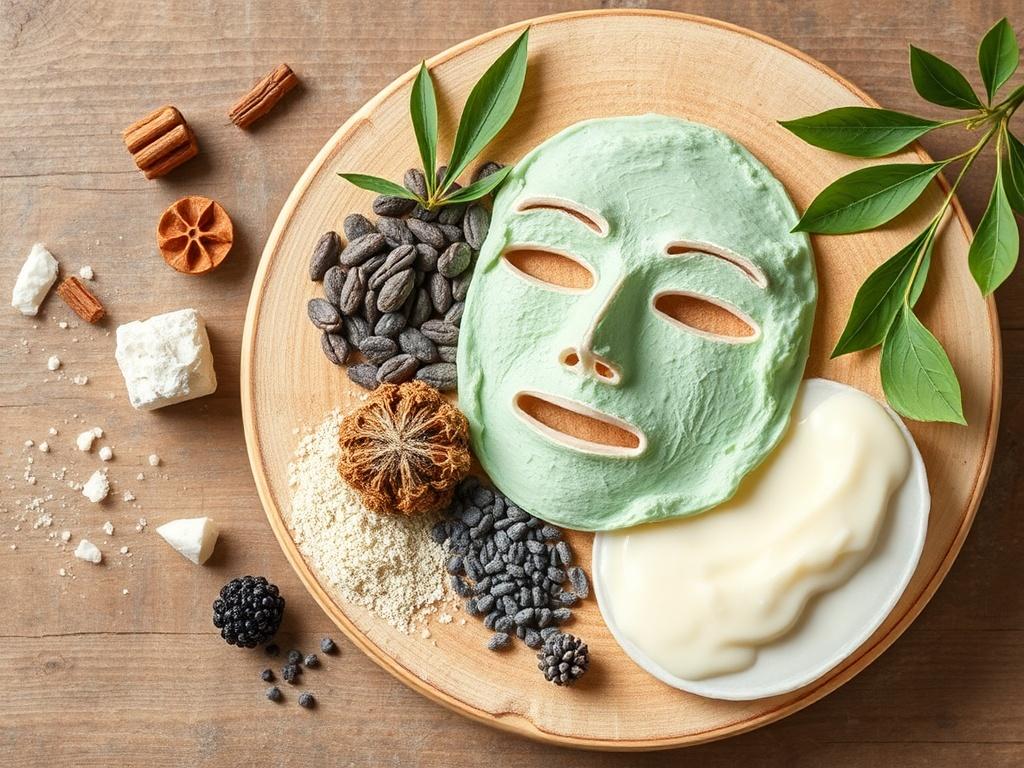
There is a quiet satisfaction in stirring a bowl of pantry items into something that brightens skin and soothes the senses. Homemade masks feel less like a beauty chore and more like a small ritual—simple ingredients, immediate results, and a clear link between what you use and what your skin receives. If you are curious about Маски для лица из натуральных продуктов, this article will walk you through ingredients, recipes, safety tips, and practical routines so you can make masks that suit your skin, your schedule, and your values.
Why choose homemade masks over store-bought formulas

Commercial sheet masks and jars promise convenience and fancy names, but they often contain preservatives, fragrances, and emulsifiers that can irritate sensitive skin. Making masks at home reduces exposure to unnecessary additives and lets you control the texture, strength, and scent. You know exactly what goes on your face—no hidden stabilizers or marketing terms that sound scientific but do little for your skin.
Cost is another practical upside. A few dollars’ worth of ingredients can yield multiple treatments, while single-use masks add up quickly. Beyond money, there is pleasure in the process: mixing, testing, tweaking. That small creative act can be calming and restore a sense of agency in your routine.
Finally, natural ingredients often contain concentrated nutrients—enzymes in fruits, antimicrobial honey, and fatty acids in oils—that work in gentle, complementary ways. When used thoughtfully and in the right combinations, these elements can hydrate, exfoliate, calm inflammation, and support barrier repair without aggressive chemicals.
Understanding your skin type and choosing ingredients
The first step before whipping up any mask is honest skin assessment. Is your skin dry, oily, normal, combination, or sensitive? Look at how your face behaves through the day, how it reacts to new products, and whether you experience persistent redness, flaking, or breakouts. That snapshot guides ingredient selection and frequency.
For oily and acne-prone skin, prioritize ingredients that absorb excess oil and offer gentle antibacterial action, such as clay and honey. For dry skin, reach for hydrating, occlusive components—yogurt, avocado, and oils like jojoba or sweet almond work well. Sensitive skin benefits from calming elements like aloe vera, oats, and cooled chamomile.
Don’t ignore underlying conditions. If you have rosacea, eczema, or a history of contact dermatitis, pick ultra-gentle recipes and always patch-test. When in doubt, consult a dermatologist before trying a new active ingredient or a mask that includes acids or high vitamin C concentrations.
Key natural ingredients and how they work
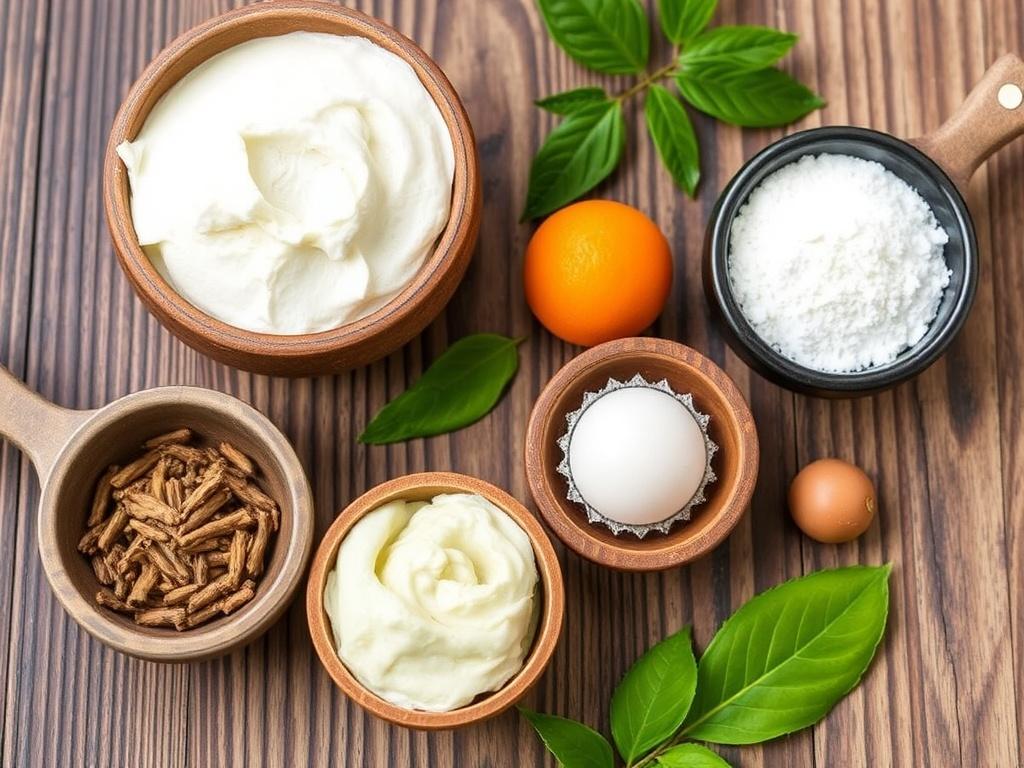
Natural ingredients are not interchangeable: each brings a chemical profile and a set of effects. Understanding what your chosen component does helps you mix effectively and avoid contradictions—such as pairing a strong exfoliant with an irritating essential oil. Below are commonly used, reliable ingredients and their benefits.
Honey
Honey is a humectant and natural antiseptic. It attracts moisture while offering mild antimicrobial activity, which can support healing in acne-prone skin. Raw or Manuka honey tends to be more potent due to preserved enzymes and phytonutrients.
Use honey as a base for sensitive skin masks or as an additive to boost a mask’s hydration and antibacterial properties. It also gives masks a smooth texture that spreads easily across the face.
Yogurt and kefir
Dairy cultures like yogurt and kefir contain lactic acid and probiotics. The lactic acid provides gentle chemical exfoliation, smoothing texture and reducing dullness without harsh scrubbing. Probiotics may help balance the skin microbiome, though research is still emerging.
Opt for plain, unsweetened yogurt. Greek yogurt is thicker and easier to mix, while kefir adds a thinner, more spreadable consistency. These ingredients work well for combination skin and mild exfoliation.
Oats
Colloidal oats are soothing and anti-inflammatory. They contain beta-glucans that hydrate and form a protective film on the skin, making them excellent for calming itchiness and redness. Oats are particularly kind to sensitive or eczema-prone skin.
Grind rolled oats into a fine powder for a smoother mask. Combine with water, yogurt, or honey for a calming, moisturized treatment that also gently absorbs surface oil.
Avocado
Avocado is rich in monounsaturated fatty acids and vitamin E, offering deep nourishment and barrier support. It’s an oilier base, ideal for dry and aging skin that needs replenishing. The creamy texture blends well with other additives.
Use mashed avocado with a touch of honey and oats to create an emollient mask that also soothes and softens. Avoid using avocado masks if you’re acne-prone, as the oils can sometimes exacerbate congestion.
Aloe vera
Aloe vera gel is cooling, hydrating, and anti-inflammatory. It’s a go-to for post-sun care, minor irritation, and calming redness. Pure aloe gel from the plant or minimal-ingredient commercial gel preserves the soothing compounds.
Mix aloe with clay for a detox mask that doesn’t over-dry, or blend it with cucumber for added cooling. It pairs particularly well with sensitive skin-friendly bases like oatmeal.
Eggs
Egg whites tighten and temporarily firm the skin, while yolks provide fat-soluble nutrients that hydrate and nourish. Egg masks can reduce the appearance of enlarged pores and create a tightening sensation after drying.
If you use egg masks, apply them briefly—about 10–15 minutes—and rinse thoroughly. Avoid using eggs if you have severe acne or active lesions, and be mindful of potential salmonella risk when using raw egg close to mucous membranes.
Ferments and fruit enzymes
Papaya contains papain, pineapple contains bromelain, and pumpkin has gentle fruit acids—each provides enzymatic exfoliation that sloughs dead cells without abrasive scrubbing. Fermented rice or soybean products contribute peptides and mild acids that enhance radiance.
These ingredients are powerful in small doses and suit dull, congested skin. Avoid leaving enzyme masks on too long; 5–10 minutes is typically adequate to prevent irritation, especially for sensitive complexions.
Clays (kaolin, bentonite)
Clays draw out impurities and absorb oil, making them staples for oily and combination skin. Bentonite is more strongly absorbent and can be drying, while kaolin is gentler and suitable for more skin types. Clays also provide a physical lift that can reduce oiliness.
Use clay masks no more than once or twice a week for most people; for very oily skin, frequency can be slightly higher. Always rehydrate skin after clay by following with a hydrating serum or light oil.
Oils (jojoba, sweet almond, rosehip)
Plant oils provide fatty acids and lipid-building blocks that bolster the skin barrier. Jojoba closely mimics sebum, making it a balanced option for many skin types. Rosehip oil supplies vitamin A (in ester form) and is useful for texture improvement and post-inflammatory marks.
Use oils as mask additives rather than heavy bases if you are acne-prone. A few drops go a long way in enhancing spreadability and nourishment without clogging pores when the oil is non-comedogenic.
Simple, reliable recipes for everyday issues
Below are straightforward recipes keyed to common skin concerns. Each one uses pantry staples and takes under 15 minutes to prepare. Adjust proportions to achieve a texture that spreads evenly without dripping.
Hydrating honey-yogurt mask (for dry or normal skin)
Ingredients: 1 tablespoon plain yogurt, 1 teaspoon raw honey, 1 teaspoon olive oil or mashed avocado. Mix to a smooth consistency and apply for 10–15 minutes. Rinse with lukewarm water and pat dry, then follow with your moisturizer to lock in hydration.
This mask combines humectant and emollient actions: yogurt draws in moisture while honey seals and olive oil replenishes lipids. It’s gentle enough to use twice weekly and feels comforting on tired, dehydrated skin.
Calming oat-aloe mask (for sensitive or irritated skin)
Ingredients: 1 tablespoon finely ground oats, 1 tablespoon pure aloe vera gel, 1 teaspoon cooled chamomile tea (optional). Mix into a paste and spread thinly over the face for 10–12 minutes. Rinse gently—avoid scrubbing—and finish with a fragrance-free moisturizer.
This mask soothes inflammation and reduces redness while offering light hydration. It’s one of my go-to treatments after a day in the sun or when my skin feels tight and prickly.
Clarifying clay-honey mask (for oily, acne-prone skin)
Ingredients: 1 tablespoon bentonite or kaolin clay, 1 teaspoon raw honey, enough water or green tea to make a spreadable paste. Apply for 8–12 minutes or until the clay begins to dry, then rinse thoroughly. Don’t let it dry to the point of cracking for overly sensitive skin.
The honey tempers clay’s drying effect while providing antibacterial benefits. Use this mask weekly and follow with a light serum to prevent rebound oiliness.
Brightening papaya-kefir mask (for dull skin)
Ingredients: 2 tablespoons mashed papaya, 1 tablespoon plain kefir or yogurt. Mix gently and apply for 5–10 minutes, then rinse. Avoid using this mask before sun exposure without sunscreen, as enzymatic exfoliation can increase photosensitivity.
The enzymes polish away dead cells and the kefir supports gentle renewal. You’ll notice a fresher tone after a single use, and regular application once a week can reduce surface dullness over time.
Nourishing avocado-egg yolk mask (for mature or very dry skin)
Ingredients: 1/4 ripe avocado, 1 egg yolk, 1 teaspoon honey. Mash until smooth, apply for 12–15 minutes, then rinse and follow with moisturizer. The yolk provides fat-soluble vitamins while avocado supplies restorative oils.
Use this mask sparingly if you have combination or acne-prone skin; its rich oils are excellent for evenings or as a weekend treat when skin needs extra repair.
Quick reference table: choosing masks by skin type
| Skin type | Recommended ingredients | Frequency |
|---|---|---|
| Dry | Avocado, yogurt, honey, rosehip oil | 1–2 times weekly |
| Oily/acne-prone | Kaolin/bentonite clay, honey, tea tree (diluted) | 1–2 times weekly |
| Combination | Match zones: clay for T-zone, hydrating masks for cheeks | 1–3 times weekly, zone-targeted |
| Sensitive | Aloe, oats, honey (patch-tested) | 1 time weekly or less |
| Dull/uneven | Papaya, pineapple, yogurt, pumpkin | Once weekly |
How to prepare and apply masks for best results
Start with a clean canvas: remove makeup and wash with a gentle cleanser to eliminate surface oils and grime. This helps the active components penetrate more evenly and prevents trapping impurities under the mask. Pat skin dry with a clean towel—masks adhere better to slightly damp skin than to wet or bone-dry skin.
Use a small spatula or clean fingers to apply masks in an even layer, avoiding the lashes and waterline. For clay or tightening masks, aim for a thin layer to prevent over-drying. For hydrating masks, slightly thicker applications can increase contact time and comfort.
Time your treatment according to the ingredients: enzyme or acid-containing masks should be brief (5–10 minutes), while hydrating or soothing masks can stay on 10–20 minutes. Rinse with lukewarm water and finish with a toner or serum followed by moisturizer to seal benefits into the skin.
Tools of the trade: what to have on hand
A few modest tools make mask-making cleaner and more precise. Keep a small mixing bowl, a whisk or fork, a silicone spatula, and measuring spoons dedicated to skincare. Clean utensils prevent bacterial contamination and ensure accurate proportions.
Consider a fine-mesh sieve or coffee grinder for producing colloidal oats or powdered herbs—finer particles create smoother masks that spread more comfortably. Glass jars with airtight lids allow for small-batch storage when a recipe yields extra.
Safety, patch testing, and avoiding irritation
Even natural ingredients can provoke allergic reactions or irritation. Always perform a patch test on the inner forearm or behind the ear and wait 24 hours to observe for redness, itching, or swelling. If any adverse reaction occurs, discontinue use immediately and rinse thoroughly.
Be cautious with citrus, cinnamon, and essential oils; they are common sensitizers. Lemon, lime, and orange juice increase phototoxicity and should be avoided on the face unless thoroughly diluted and used with sun protection. Essential oils require dilution in a carrier oil and are best avoided on very sensitive skin.
When using raw eggs or dairy, the risk of contamination is low for topical use but present. Ensure good hygiene, avoid applying near the mouth or eyes, and rinse off thoroughly. If you have open wounds or severe acne lesions, skip masks until the skin has calmed to prevent trapping bacteria.
Storage, shelf life, and small-batch strategy
Most homemade masks lack preservatives and therefore spoil quickly. Treat them like fresh food: prepare only what you will use within 24–72 hours. Refrigerate masks that contain dairy, fresh fruits, or eggs and discard if you notice an off smell, separation, or mold.
Label glass jars with the date and ingredients to avoid confusion. Honey-based masks may last longer at room temperature due to honey’s antimicrobial properties, but any added water or dairy shortens shelf life. When in doubt, err on the side of freshness and make small batches frequently.
For convenience, pre-measure dry components into single-use sachets or small containers so you can mix quickly when you’re ready to treat your skin. This reduces waste and ensures recipes are consistent each time you make them.
Timing and frequency: what’s effective without overdoing it
Less is often more. Over-exfoliating or over-hydrating can disrupt the skin barrier and trigger sensitivity or breakouts. For most people, one to two targeted masks per week is sufficient to see improvement without upsetting balance.
Listen to your skin’s response and adjust frequency. If a mask leaves your skin calm and more supple the day after application, you’re on the right track. If it causes prolonged redness, flaking, or congestion, reduce use or switch ingredients.
Reserve stronger treatments—enzyme or acid-based masks—for evenings to allow the skin to recover overnight. Hydrating masks can be used in the morning before makeup or at night for repair, depending on your preference and ingredient stability.
Layering masks and multi-masking
Multi-masking—applying different masks to different facial zones—lets you address varied needs at once. Use clay on the T-zone to control oil while applying a hydrating yogurt or honey mask to dry cheeks. The result is targeted care with minimal extra time investment.
When layering the same mask consecutively, ensure the first layer is rinsed before applying another treatment. Stacking active ingredients can increase irritation; keep combinations conservative and avoid pairing multiple strong exfoliants. The goal is harmony, not chemical warfare on your face.
For an at-home spa evening, follow with a gentle facial massage using a few drops of your favorite oil and a rich cream. This seals in the mask’s benefits and encourages circulation without overstimulating delicate skin.
Troubleshooting common problems
If a mask feels stingy or uncomfortable during application, rinse immediately and apply a cooling compress. A mild, brief tingle can be normal with enzymatic masks, but burning, sharp pain, or spreading redness signals a problem. Never force a mask to stay on when your skin protests.
Breakouts following a new mask can result from pore-clogging oils, strong ingredients, or an imbalance in the skin microbiome. Stop use of the mask and return to a simple, gentle routine—cleanse, hydrate, and protect—until skin settles. If acne persists, consult a dermatologist for tailored care.
Dry flakiness after mask use often means the treatment was too abrasive or frequent. Reduce exfoliating masks and increase hydrating, lipid-restoring masks. Ingredients like oats, aloe, and honey can help repair the barrier and reduce flaking over time.
How to adapt recipes seasonally
Skin needs shift with the calendar. Winter’s cold air and indoor heating dry the skin, so favor richer, oil-based masks and increase frequency of hydrating treatments. Summer invites lighter, cooling masks and more attention to ingredients that won’t clog pores in heat and humidity.
Use seasonal produce for both potency and value. Ripe summer berries and melons provide brightening enzymes and vitamins, while fall squash and pumpkin offer comforting, nutrient-dense masks for repair. This approach keeps your routine fresh and responsive to your environment.
Incorporating masks into a full skincare regimen
Face masks are supplementary tools, not replacements for cleanser, sunscreen, or targeted treatments. Use masks to support your daily routine: exfoliate once a week with a gentle enzyme mask, hydrate midweek, and use a clarifying clay when needed. Consistency in basic care amplifies the benefits of masks.
Always apply sunscreen the morning after any exfoliating or enzyme-based masks. Even gentle exfoliation can increase photosensitivity, and protecting the skin maintains outcomes like reduced pigmentation and smoother texture. Make sunscreen a non-negotiable companion to your mask practice.
Personal notes: what I learned from a year of DIY masks
I began experimenting with homemade masks to save money and reduce product waste, and the process quickly became a daily pleasure. I discovered that simple changes—switching kaolin for bentonite in winter, or using avocado for overnight nourishment—made visible differences in skin comfort and elasticity.
One useful habit I adopted was keeping a small notebook with recipes I liked and the skin responses I noticed. It sounds clinical, but tracking frequency, weather, and results helped me stop repeating mistakes and fine-tune combinations that truly worked for my combination, sensitive skin.
Finally, the ritual itself matters. Mixing ingredients, breathing in subtle aromas, and taking 10–15 minutes to lie back with a mask became a reliable moment of self-care. The skin improvements were real, but the calm that accompanied the routine felt equally valuable.
When to seek professional advice
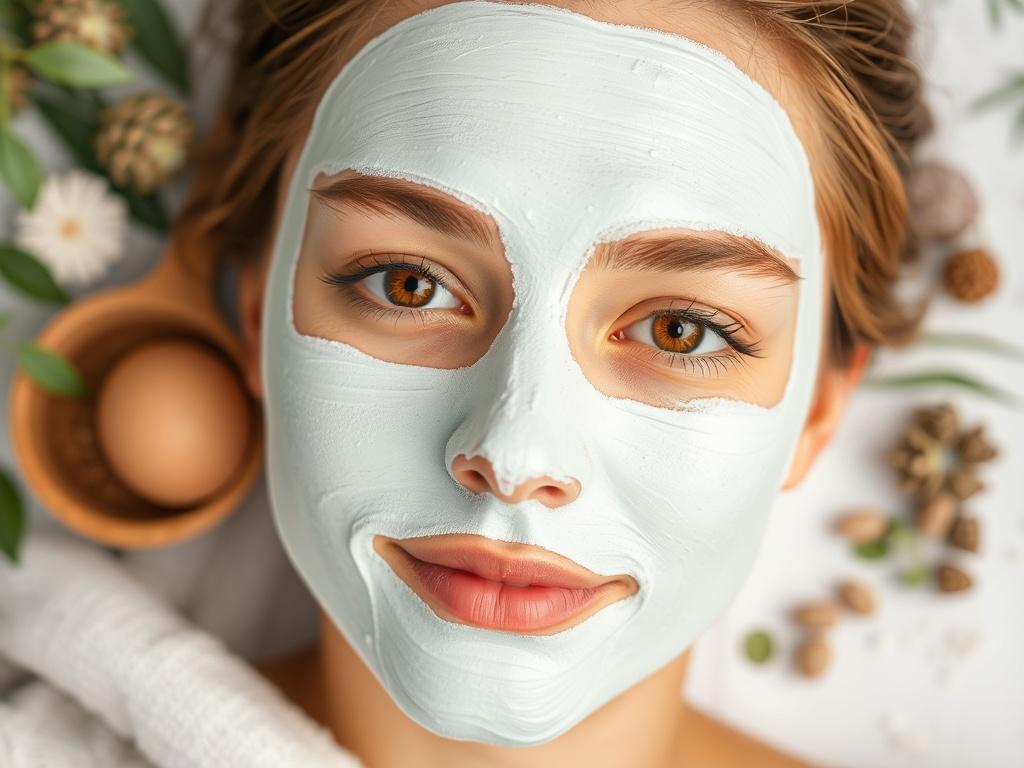
If you experience persistent inflammation, severe acne, or reactions that do not subside after discontinuing a mask, consult a dermatologist. Professional assessment can identify underlying conditions—such as rosacea or allergic contact dermatitis—that require targeted treatments rather than topical kitchen fixes.
A dermatologist can also advise on ingredient interactions with prescription topicals, such as retinoids or topical antibiotics, and recommend adjustments for safe, effective at-home care. Combining professional guidance with mindful DIY can produce the best long-term outcomes for skin health.
Additional resources and continued learning
To deepen your knowledge, look for dermatology-backed articles and ingredient-focused books that explain the science behind natural compounds. Reliable sources help separate marketing claims from measurable benefits and guide you toward evidence-based ingredient choices.
Workshops, community classes, or online tutorials from licensed estheticians offer practical demonstrations on blending textures and application techniques. Learning from experienced practitioners is efficient and helps avoid common pitfalls that new DIYers run into.
Making masks from kitchen and garden ingredients is an enjoyable, effective way to care for your skin when done thoughtfully. With careful ingredient selection, proper timing, and attention to safety, these small homemade treatments can enhance hydration, clarity, and comfort. Treat the practice as both a craft and a ritual—something you refine over time—and your skin will reflect that steady, personal care.