Functional training can feel like a buzzword thrown around by coaches, rehab specialists, and fitness influencers alike, but beneath the label lies a clear, practical purpose: prepare your body for real life. This article walks through what functional training is, why it matters, and how to build sessions that carry over to work, play, or simply getting through the day with less strain.
What is functional training?
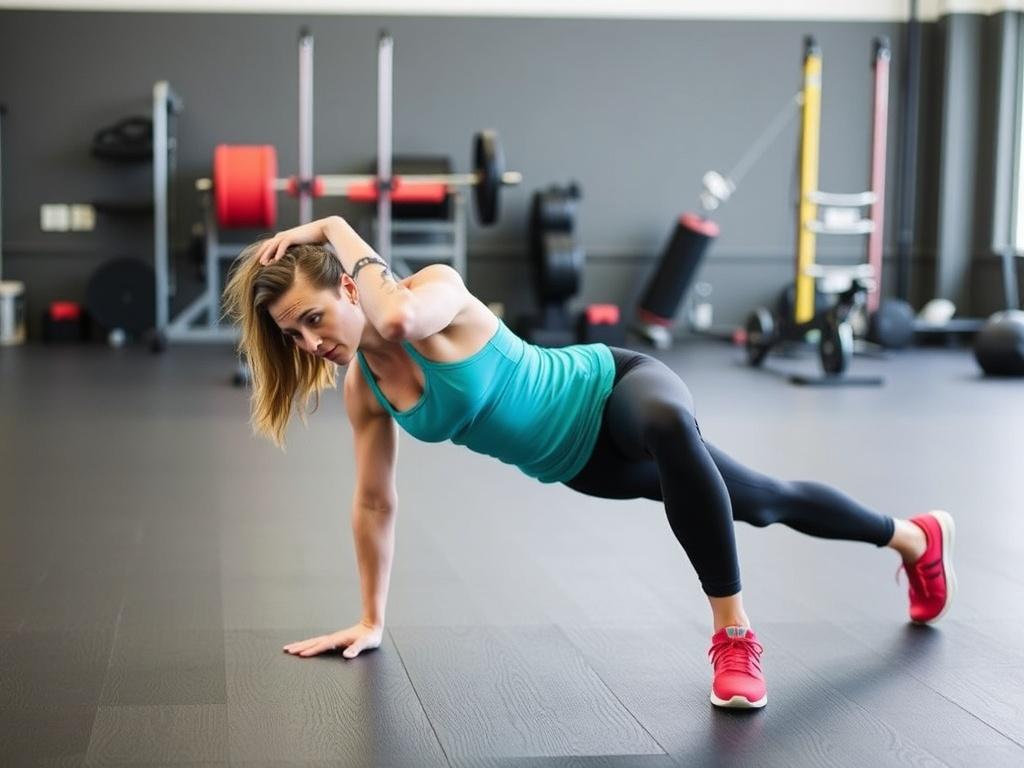
Functional training emphasizes movement patterns rather than isolated muscles. Instead of loading a single muscle with a machine, it challenges coordinated actions—squatting, hinging, pushing, pulling, rotating—that you actually use when lifting a child, reaching for a shelf, or climbing stairs.
The approach prioritizes multi-joint exercises, balance, and stability, often integrating core control with limb movement. It’s less about sculpting a specific muscle and more about improving efficiency, strength, and resilience across movements.
When someone asks “Функциональный тренинг: что это и зачем,” the short answer is that it’s training designed to make daily tasks easier and reduce injury risk by improving how you move, not just how you look.
How functional training developed
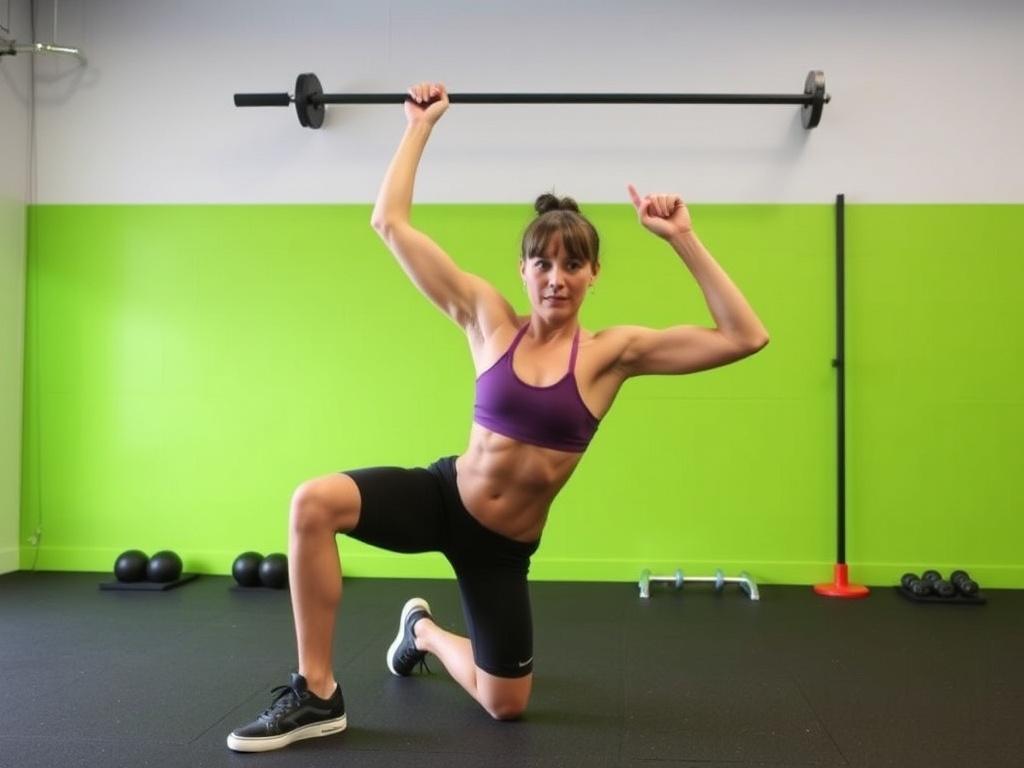
The roots of functional training lie in physical therapy, sports conditioning, and practical strength traditions. Physical therapists focused on restoring movement patterns after injury, while coaches adapted similar principles to help athletes move better under stress.
In the 1990s and 2000s the concept gained traction as fitness shifted away from single-muscle isolation toward compound, movement-based workouts. CrossFit, movement coaches, and functional fitness studios popularized tools and formats that made the approach mainstream.
Today it’s a hybrid field borrowing from biomechanics, strength training, mobility work, and conditioning. That diversity is a strength, but it also means “functional” can mean different things depending on the instructor’s background.
Core principles of functional training
Functional training rests on a few clear principles that guide exercise selection and session structure. These principles shape workouts so they improve useful movement, not just numbers on a machine.
- Movement patterns over muscle isolation
- Multi-planar and multi-joint exercises
- Integration of stability, mobility, and strength
- Specificity and transfer to daily life
- Progressive overload with attention to quality
Each principle informs programming. For example, training a hinge pattern (hip hinge) helps with lifting tasks, while integrating rotation prepares you for carrying groceries up stairs and twisting to open a door.
Emphasis on quality control—posture, bracing, joint alignment—makes sure gains are transferable and not just aesthetic. That attention to movement quality is what separates functional work from random high-intensity exercise.
Benefits: why functional training matters
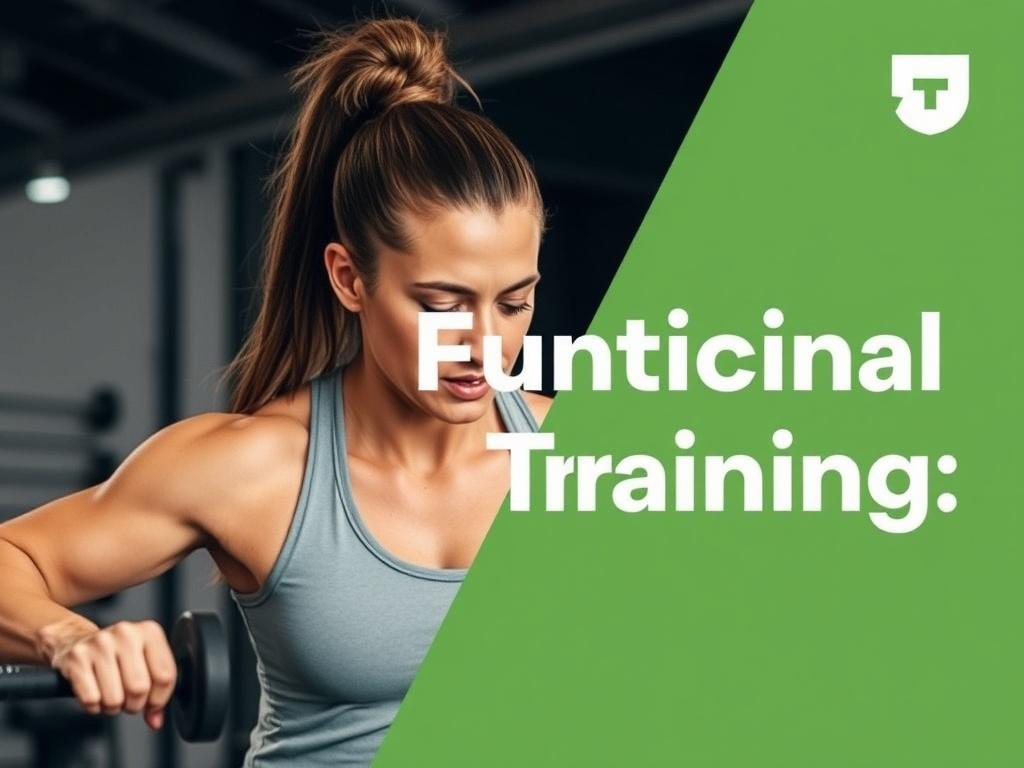
Functional workouts deliver benefits that show up outside the gym: improved balance, better posture, easier daily activities, and often fewer aches and pains. Because exercises mimic real-life tasks, gains translate directly into function.
They’re also efficient. A single well-chosen compound movement can train strength, coordination, and cardio capacity simultaneously. That’s valuable for busy people who want practical improvements without hours of isolated training.
Additionally, functional training can reduce injury risk by addressing movement compensations. When the body learns to share load appropriately between hips, back, and legs, you stop over-relying on a single joint or muscle group.
Who benefits from functional training and who should be cautious
Functional training suits a wide range of people: athletes seeking better movement under sport-specific demands, seniors wanting to maintain independence, office workers needing posture and mobility, and anyone rehabbing from injury under qualified supervision.
However, it’s not one-size-fits-all. People with acute injuries, uncontrolled hypertension, or certain medical conditions should consult health professionals before beginning. In those cases, a tailored, therapeutic approach is safer than a standard class.
Adapting intensity, complexity, and load makes functional training accessible. A 70-year-old can perform loaded carries with lighter weight and controlled tempo, while a competitive athlete might add sprint-resisted carries and rotational medicine ball throws.
Basic movement patterns and why they matter
Most functional programs revolve around a set of fundamental movement patterns that reflect how we interact with the world. Learning these patterns helps organize training in a way that feels intuitive and purposeful.
Key patterns include: squat, hinge, lunge, push, pull, carry, rotate, and gait. Each pattern contains variations that address mobility, strength, and coordination at different levels.
Training these patterns with progression—simple to complex, stable to unstable, slow to fast—creates robust movement skills. Rather than random exercises, you’re building a toolbox of actions that apply to many real-life situations.
Squat pattern
The squat is a loaded vertical displacement pattern used when sitting down, standing up, or picking objects up from ground level. Good squatting requires ankle mobility, hip flexion, knee control, and core stability.
Begin with bodyweight box squats, progress to goblet squats, then to bilateral barbell back squats or single-leg variations. Consistency in cueing—weight back, chest up, knees tracking—ensures safe transfer to daily activities.
Hinge pattern
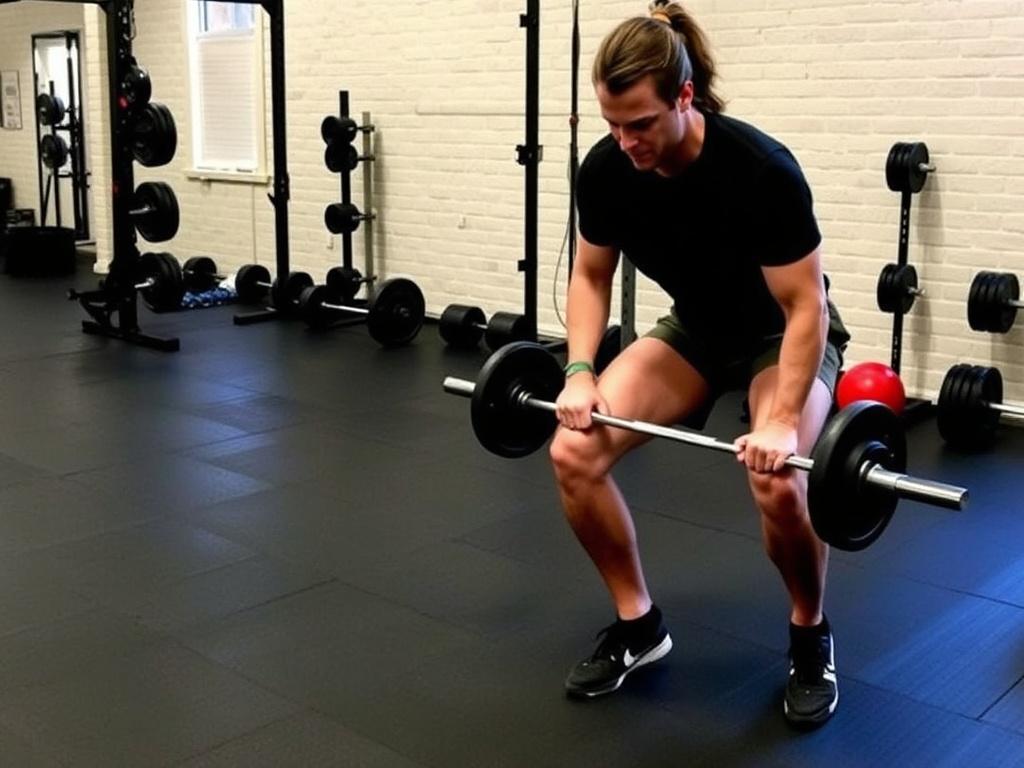
The hip hinge focuses on bending at the hips while maintaining a neutral spine, essential for safe lifting. Deadlifts, kettlebell swings, and Romanian deadlifts train this pattern efficiently.
Common errors include rounding the back or bending primarily at the knees. Teaching hinge mechanics with dowel or banded feedback helps build proper motor patterns before adding heavy loads.
Lunge pattern
Lunges train single-leg strength, balance, and hip control. They mirror walking, climbing, and step-up actions that demand asymmetric load sharing between legs.
Start with stationary lunges or split squats and progress to walking lunges, loaded overhead lunges, or lateral and rotational lunge variations to challenge stability and coordination.
Push and pull patterns
Pressing and pulling movements build functional upper-body strength and shoulder health. Horizontal and vertical variations—push-ups, rows, overhead presses—cover different planes and ranges of motion.
Balance between push and pull work prevents muscular imbalances that contribute to poor posture and shoulder pain. Including both is essential for a well-rounded functional program.
Carry and rotation patterns
Carries—farmer walks, suitcase carries, rack carries—train core stability under load and improve posture while moving. They’re deceptively demanding and extremely practical.
Rotational patterns, using medicine balls or cable machines, build torso stability and power that translate into swinging, twisting, and directional changes in daily life and sport.
Sample exercises and progressions
Here are practical progressions for common functional movements. Progress by improving form first, then increasing load, complexity, or speed.
- Squat: bodyweight box squat → goblet squat → barbell back squat → single-leg squat.
- Hinge: hip-hinge drill with dowel → kettlebell Romanian deadlift → trap-bar deadlift → single-leg Romanian deadlift.
- Push: incline push-up → standard push-up → weighted push-up → standing overhead press.
- Pull: banded row → dumbbell row → barbell row → pull-up/weighted row.
- Carry: unloaded march → farmer carry with dumbbells → heavy suitcase carry → loaded while walking backward/sideways.
Each progression adds a new challenge—range of motion, unilateral demand, or load. The aim is reliable, pain-free movement at each stage before moving on.
How to design a functional training session
Designing functional sessions follows a simple flow: assessment, warm-up, skill work, strength/power, conditioning, and cool-down. The order favors learning and safety before high-intensity components.
Start with a brief movement screen to identify mobility restrictions and asymmetries. That informs your warm-up and helps choose corrective or preparatory drills.
Skill or pattern practice comes next—light, controlled repetitions to groove technique. Follow with heavier strength or power sets, then finish with metabolic conditioning if desired. Cool down with mobility and breathing work.
Warm-up structure
Warm-ups should be specific and purposeful. Begin with general cardiovascular activation, then progress into dynamic mobility and movement rehearsals that mirror the session’s main lifts.
For example, before deadlifts perform hip mobility, glute activation, and hinge drills. Before overhead work include thoracic mobility and shoulder stability movements.
Sample sessions for different levels
Below are three concise sessions that prioritize functional movement for beginners, intermediate trainees, and advanced lifters. Adjust loads and rest to match fitness levels and goals.
| Level | Focus | Sample structure |
|---|---|---|
| Beginner | Movement quality, basic strength | Warm-up → bodyweight squats 3×8 → hip-hinge kettlebell deadlifts 3×8 → inverted rows 3×6 → farmer carries 3x30s → mobility |
| Intermediate | Strength, unilateral control | Warm-up → goblet/front squats 4×6 → Romanian deadlifts 4×6 → walking lunges 3×10 → push-press 3×5 → conditioning 10min AMRAP |
| Advanced | Power and resilience | Warm-up → heavy trap-bar deadlift 5×3 → single-leg RDL 3×6 → plyo box jumps 4×5 → loaded carries 4x60m → metabolic finisher |
Equipment that supports functional training
Functional training can be minimalist or equipment-rich depending on goals. The most important “equipment” is your ability to move well; tools simply offer different loading and stimulus options.
- Bodyweight: essential and often underused for teaching movement control.
- Kettlebells and dumbbells: great for unilateral work, swings, and carries.
- Medicine balls and sandbags: useful for rotation and awkward load handling.
- Resistance bands and TRX: ideal for gradated loading and teaching stability.
- Sleds and prowlers: excellent for low-impact high-force drives and conditioning.
A simple home gym—dumbbells, a kettlebell, and a pull-up bar—covers a surprising amount of functional work. The key is using tools to challenge movement, not just add flashy novelty.
Programming principles and progression strategies
Progress in functional training by manipulating load, complexity, volume, and recovery. Progression should be logical: improve movement quality, then increase intensity or complexity.
Use progressive overload but favor movement mastery over chasing weight. If form breaks down, reduce load or simplify the movement instead of pushing through poor mechanics.
Periodization—cycling intensity and volume—keeps progress sustainable. Include phases that emphasize mobility and control, then phases focused on strength and power, followed by recovery or deload weeks.
Safety, common mistakes, and how to avoid them
Common mistakes include progressing too quickly, ignoring mobility limitations, overemphasizing aesthetics, and using poor technique under load. Each of these undermines functional goals and increases risk.
To avoid these pitfalls, prioritize assessment, maintain consistent technique checks, and scale workouts to your current capacity. A coach or partner who provides objective feedback—video, cues, or palpation—shortens the learning curve.
Also watch for the “machine illusion”: feeling strong on isolated machines doesn’t always mean you move well in free-standing compound patterns. Balance machine work with movement-based exercises that demand coordination and stabilization.
Measuring progress and functional outcomes
Progress in functional training is best tracked with movement-based tests rather than just body composition. Look for improvements in capacity, quality, and ease of daily tasks.
Useful measures include single-leg balance time, loaded carry distance, squat depth with quality, and time to complete functional circuits. Subjective measures—less pain, easier chores, better sleep—matter as well.
Formal tools like the Functional Movement Screen (FMS) can highlight limitations, but practical benchmarks—how many groceries you can carry, or whether you can squat to a chair safely—are often more motivating and relevant.
Case studies and real-life examples
I once worked with a client, a teacher in her fifties, who came in with daily low-back stiffness and difficulty with stairs. We focused on hinge mechanics, hip mobility, and loaded carries twice a week for three months.
Within eight weeks she reported less morning stiffness and could carry a full laundry basket up two flights of stairs without stopping. That practical improvement—not a number on a scale—changed her view of fitness forever.
Another example: a recreational soccer player added rotational medicine ball throws and single-leg stability work to his routine. Within a season his cutting felt sharper and his non-dominant leg moved more confidently, reducing his minor niggles.
Practical tips to start a functional program today
Begin with a simple self-assessment: can you perform a bodyweight squat, hinge, and single-leg balance without pain? If yes, you can start a basic routine. If not, prioritize mobility and corrective work first.
Keep the first four weeks focused on movement quality and consistency. Three sessions per week, 30–40 minutes each, is enough to build a foundation. Include at least one unilateral exercise and one carry in each session.
- Tip 1: Warm up for five minutes, then practice 2–3 movement patterns.
- Tip 2: Record a short video of key lifts to monitor form.
- Tip 3: Prioritize sleep and nutrition—movement gains require recovery.
If you’re unsure how to progress, seek a coach who emphasizes movement assessment and clear progressions. A single session with a knowledgeable trainer can save months of trial-and-error and reduce the risk of aggravating old injuries.
Common myths and misconceptions
Myth: Functional training is only for athletes. Reality: It’s useful for virtually everyone because it targets movements you perform daily.
Myth: It means never lifting heavy. Reality: Functional programs can include heavy compound lifts; the difference is context and transfer. Heavy deadlifts and squats have clear functional relevance when taught well.
Myth: Functional equals trendy tools and instability. Reality: While unstable surfaces and novelty tools can play a role, functional training’s core is movement competence under progressive and appropriate load.
How to integrate functional training with other goals
If your goal is hypertrophy or sport-specific power, functional training can coexist with those aims. Allocate days for heavy, targeted strength work and other days for movement, mobility, and conditioning.
For weight loss or general fitness, use functional circuits that combine strength and metabolic conditioning. For sport-specific aims, blend functional stability and mobility drills with skill and sprint work tailored to your sport.
Balancing goals requires honest prioritization: which outcome matters most this season? Structure phases so the primary objective receives focused stimuli while functional elements maintain movement quality.
Finding the right coach or resource
Look for coaches with certifications in rehabilitation or movement-based methodologies, and who demonstrate practical application rather than relying solely on theory. Reviews, trial sessions, or video examples of their programming help gauge fit.
A good coach listens to your daily routine and designs sessions that address specific limitations and real-life demands. Beware of flashy promises without individualization; functional training’s strength is in tailoring movement to the person.
If you prefer self-directed work, choose a reputable program that emphasizes progressions, provides clear technique cues, and allows for regression when needed. Books and online platforms with video demonstrations can be excellent supplements.
Progressing over months and years
Long-term progress blends consistency with periodic changes. Rotate emphases every 6–12 weeks: mobility phase, strength phase, power phase, then a recovery microcycle. That approach prevents plateaus and overuse injuries.
Keep re-assessing movement quality and adjust exercises as limitations shift. Sometimes a small tweak—shortening range temporarily or adding isometric holds—lets you continue progressing without regression.
Celebrate functional wins: carrying all grocery bags in one trip, gardening pain-free, or finishing a hike without knee pain. Those markers are often more meaningful than any aesthetic milestone.
Useful drills to improve mobility and stability
Incorporate these short drills into warm-ups or daily routines to support functional gains: 90/90 hip transitions, thoracic rotations with a dowel, ankle mobility band pulls, and prone or side plank variations for core stability.
Spend five to ten minutes on mobility and activation before heavier sessions. Small daily habits—like deep hip hinge repeats or glute bridges—compound into noticeable improvements over weeks.
Remember: mobility without stability is incomplete. Pair flexibility drills with loaded control work to ensure gains translate into strong, coordinated movement.
Measuring return on investment: what to expect
Expect noticeable changes in movement quality within 4–8 weeks of consistent functional work, assuming you train 2–3 times per week. Strength and carry capacity typically improve more slowly but steadily over months.
Real-life improvements—less pain while lifting objects, easier stairs, fewer near-falls—are the clearest indications you’re on the right track. Those outcomes are practical and often motivate continued training.
Most people find the functional approach more sustainable long-term because it aligns fitness with daily life benefits rather than short-term aesthetic goals that can burn out quickly.
Final practical checklist to begin
Start by assessing three things: can you hinge, squat, and balance on one leg without pain? If yes, schedule three weekly sessions that combine pattern practice, strength sets, and a carry or conditioning element.
Keep sessions short and focused at first, prioritize recovery, and use progressions—simplify before you complicate. When in doubt, film your movement or consult a qualified coach to refine technique.
Functional training is about becoming better at living in your body. Over weeks and months you’ll find everyday tasks require less effort, and that quiet improvement becomes the most compelling reason to keep moving.