

Osteochondrosis can make even simple movements feel risky, but avoiding movement altogether is rarely the answer. Тренировки при остеохондрозе should be thoughtful, targeted, and paced so they reduce pain, restore function, and protect the spine rather than aggravate it.
Understanding osteochondrosis
Osteochondrosis is a broad term that describes degenerative changes in the spinal discs and adjacent vertebral structures. It’s not a single diagnosis but a process that can involve disc dehydration, reduced disc height, the development of bony spurs, and changes in the supporting ligaments and muscles.
People often conflate osteochondrosis with “just aging,” but lifestyle, posture, prior injuries, and repetitive loading patterns play large roles. Recognizing those contributors is important, because what you do every day — how you move, sit, lift, and train — affects whether the condition worsens or improves.
What happens to the spine
With degeneration, intervertebral discs lose water and elasticity, making them less able to absorb shock. The loss of disc height alters spinal mechanics, forcing facet joints and surrounding soft tissues to take on abnormal loads.
Those altered mechanics lead to stiffness, muscle guarding, and sometimes nerve irritation. Pain and decreased mobility then create a feedback loop: you move less, muscles weaken, and the spine becomes more vulnerable to further degeneration.
Common symptoms and who is affected
Symptoms vary widely. Some people experience aching and stiffness localized to the neck or lower back, while others develop radiating pain, numbness, or weakness when nerves are involved. Symptoms can be intermittent, flaring with certain activities and settling with rest.
Osteochondrosis is most common in middle age and older adults, but it can appear earlier in those with repetitive strain, heavy manual work, or previous spinal injuries. Importantly, imaging findings don’t always match symptoms — many people have degenerative changes on scans yet remain pain-free.
The role of exercise in managing osteochondrosis
Exercise is not just safe for most people with spinal degeneration — it is often the most effective long-term strategy for reducing pain and restoring function. Movement improves blood flow, maintains joint nutrition, and retrains stabilizing muscles that support spinal alignment.
That said, not every exercise fits every stage of the condition. The key is choosing movements that reduce pain and reinforce healthy movement patterns rather than strain vulnerable tissues. That requires a plan built on principles rather than a random mix of workouts.
When done correctly, training helps shorten flare-ups, prevents recurrence, and builds resilience. Over time, patients regain confidence in movement, return to favorite activities, and reduce reliance on passive treatments.
Principles for safe training
There are several guiding principles to follow whenever you design a training program around spinal degeneration. Think of them as guardrails: they restrict harmful choices while still allowing meaningful progress.
- Prioritize pain-guided progression: pain should decrease during and within a few hours after exercise, not escalate.
- Control load and motion: reduce ranges, slow the tempo, and limit heavy compressive forces until stability improves.
- Emphasize stability before strength: a mobile but unstable spine is vulnerable under load.
- Progress gradually: small, consistent increases in load, complexity, or duration beat sporadic intense efforts.
Those principles apply across settings — whether you’re rehabbing after a flare-up or training to prevent recurrence. They also help you interpret setbacks: a bad day rarely means failure, but it should trigger a step back in progression.
Types of exercises and why they help
A balanced program includes mobility, stabilization, strength, and aerobic work. Each category serves a purpose: mobility restores usable range; stabilization preserves safe motion; strength builds the capacity to handle daily loads; and aerobic fitness supports metabolic health and tissue recovery.
Mixing exercise types within a week prevents overload of any single tissue and keeps the nervous system engaged. Below are practical categories, why they matter, and examples you can adapt to your stage of recovery.
Breathing and gentle mobilization
Breathing is underrated. Proper diaphragmatic breathing coordinates the core, calms the nervous system, and reduces muscle guarding around the spine. Begin sessions with simple, deep breaths to set a foundation for movement.
Gentle mobilizations — slow neck rotations, pelvic tilts, and thoracic rotations — restore usable range without heavy load. Their goal is control, not force, and they prime the system for more challenging work.
Core stabilization and posture retraining
Core training in this context means teaching the body to create a stable platform, not to build visible abs. The deep stabilizers — transverse abdominis, multifidus, pelvic floor — are often underactive in people with spinal pain. Re-engaging them supports the spine during movement.
Posture retraining involves conscious alignment of head, shoulders, and pelvis during daily tasks. Short sessions of focused practice yield big returns, because posture is a habit shaped by thousands of repetitions each day.
Exercises like dead-bug variations, bird-dog with emphasis on neutral spine, and gentle isometric holds are ideal early tools. They reinforce coordination and teach breathing while maintaining spinal neutrality.
Flexibility and controlled stretching
Tight tissues can limit motion and change how forces travel through the spine. Controlled stretching helps restore functional length in hamstrings, hip flexors, and the chest, which often influence lumbar and thoracic mechanics. Avoid ballistic or forced stretching; think of stretches as rehearsals for comfortable ranges of motion.
Dynamic stretches — slow, repeated movements — are often safer and more functional than prolonged static holds early in rehabilitation. Static stretches can be added later to target stubborn tightness once stability is in place.
Strength training and progressive loading
Strength is what lets you lift groceries, climb stairs, and carry grandchildren without pain. Progressive resistance training increases the spine’s capacity to withstand everyday demands. The caveat is to load progressively and with proper technique, prioritizing hip and leg strength to minimize direct spinal stress.
Focus on compound movements like squats and hip hinges, but begin with bodyweight or light resistance and prioritize spinal neutrality. Machines and cables are useful initially to control movement paths, while free weights become valuable as control improves.
Tempo matters: a controlled descent and an intentional ascent reduce shear forces and teach safe motor patterns. Aim for multiple short sets across the week rather than infrequent heavy sessions.
Aerobic conditioning and low-impact cardio
Cardio supports overall recovery by improving circulation, reducing systemic inflammation, and easing stress. Low-impact options — walking, cycling, elliptical, swimming — maintain endurance without high spinal loading. Even short, frequent sessions are remarkably effective for pain control.
Vary intensity through steady-state and comfortable intervals, always monitoring symptom response. If a certain posture on a machine aggravates symptoms, try an alternative modality rather than forcing through pain.
Sample exercise routines
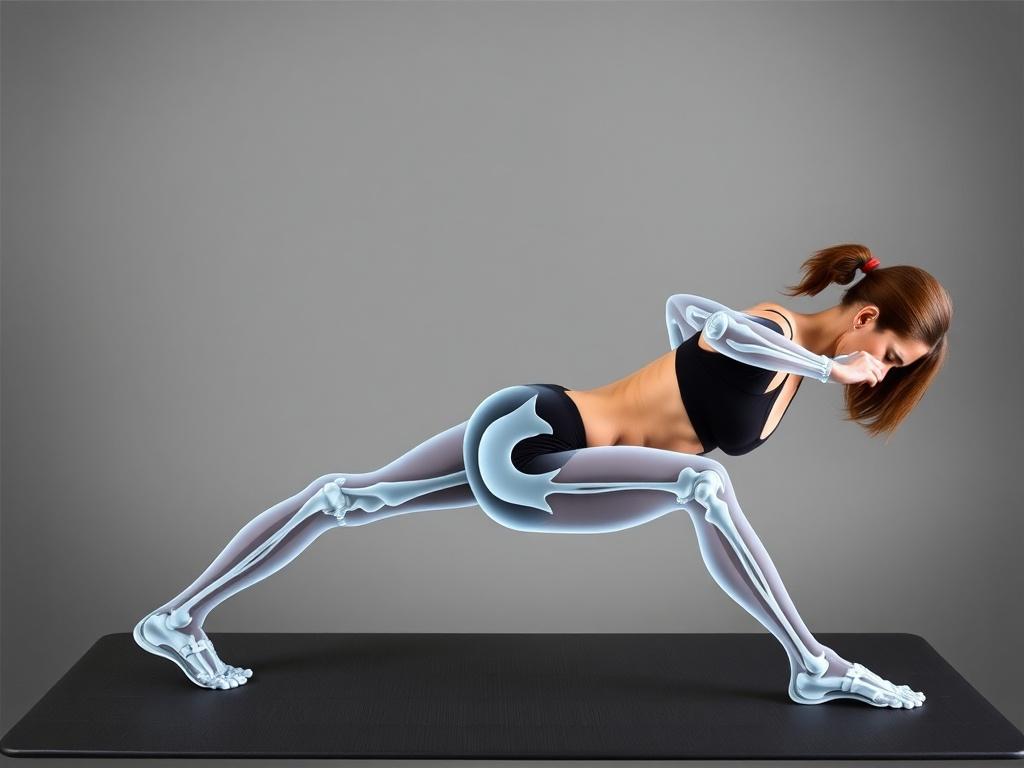
Below are three sample routines tailored to the typical stages people experience with spinal degeneration: acute flare, rehabilitation phase, and long-term maintenance. Treat them as frameworks, not prescriptions; individual needs vary, and a clinician’s input is useful when symptoms are significant.
| Stage | Focus | Typical components (15–30 minutes) |
|---|---|---|
| Acute flare | Reduce pain, restore gentle movement | Diaphragmatic breathing, pelvic tilts, gentle neck ROM, light walking |
| Rehabilitation | Restore stability and mobility | Core activation, bird-dog, thoracic rotations, hip hinge drills, light resistance |
| Maintenance | Build capacity, prevent recurrence | Progressive strength (squats, deadlifts), posterior chain work, aerobic intervals |
Use the table as a roadmap. Each session should begin with breathing and gentle mobilization and end with a brief cool-down. When pain flares, regress to the previous stage rather than pushing forward.
Routine for acute flare-up (first 48–72 hours)
During a true flare, the goal is to calm the nervous system and maintain painless movement. Rest from aggravating activities, avoid heavy lifting, and prioritize short, frequent sessions of gentle movement. I recommend 3–5 minutes of diaphragmatic breathing followed by slow pelvic tilts and pain-free neck mobility several times a day.
Walking in short bouts often feels restorative, as it provides movement without excessive load. If standing or walking increases sharp pain or neurological symptoms, stop and consult a clinician. Use cold or heat as tolerated for symptom relief, but avoid prolonged immobilization.
Routine for rehabilitation phase (after pain reduces)
Once pain has settled and movement feels more predictable, introduce core stabilization and controlled strength work. Start each session with 5–10 minutes of breathing and mobilization, then perform 2–3 sets of exercises like modified plank holds, dead-bug variations, and bird-dogs with a focus on smooth control rather than holding to failure.
Incorporate hip and posterior chain exercises — glute bridges, hip hinges with light resistance, and single-leg balance drills — to shift load off the lumbar spine. Add 15–20 minutes of low-impact aerobic conditioning at a conversational pace to support recovery and endurance.
Progress by increasing repetitions, adding small external loads, or lengthening hold times while watching for symptoms. A practical guideline: if pain increases during exercise but subsides to baseline within a few hours, the progression is likely acceptable. If pain remains worse the next day, reduce intensity.
Maintenance program for long-term control
Maintenance focuses on building overall capacity and resilience. Aim for three strength sessions per week, two cardio sessions, and daily mobility and breathing practice. Strength sessions can include squats, deadlifts or Romanian deadlifts, rows, and shoulder work, with loads tailored to your control and tolerance.
Rotate training emphases across weeks: one week heavier but lower volume, the next lighter with higher volume and more mobility work. This variability reduces the risk of repetitive strain while continuing to push capacity. Long-term adherence beats short-term intensity, so choose movement styles you enjoy.
Periodically reassess baseline measures like walking tolerance, comfort with bending, and ability to lift groceries without pain. These practical tests are better gauges of functional progress than any single scan or metric.
Specific guidance by spine region
The spine behaves differently depending on the region involved. Targeted strategies for cervical, thoracic, and lumbar areas improve outcomes because they address the specific mechanical and neurological patterns each region produces.
Cervical (neck) considerations
Neck osteochondrosis often produces localized pain, headaches, and sometimes radiating arm symptoms. Emphasize postural correction for the head and upper shoulders, gentle cervical mobility, and scapular stabilizer training to reduce strain on the cervical spine.
Avoid repeated end-range neck flexion and heavy overhead pressing that encourages forward head position until neck control improves. Chin tucks, shoulder blade squeezes, and gentle rotation with the jaw relaxed are simple, effective tools.
Thoracic (mid-back) considerations
Thoracic stiffness is a common contributor to neck and shoulder problems and to compensatory lumbar motion. Restoring thoracic extension and rotation reduces strain on other regions. Foam rolling, thoracic extensions over a rolled towel, and seated rotation with breath integration are practical additions.
Many people hold tension in the chest and shoulders; stretching the pecs and strengthening the mid-back retractors helps rebalance posture. Better thoracic mobility makes everyday tasks like lifting and reaching safer for the entire spine.
Lumbar (lower back) considerations
Lumbar osteochondrosis tends to produce low back pain and sometimes sciatica. Prioritize hip mobility and posterior chain strength so that hips, not the spine, absorb lower body forces. Hip hinges taught with perfect form are central to safe lifting and sport.
Be cautious with repeated flexion or heavy compression if symptoms are active. When pain allows, progressive loading through deadlift variations and loaded carries builds functional capacity and confidence for daily life tasks.
Precautions and red flags
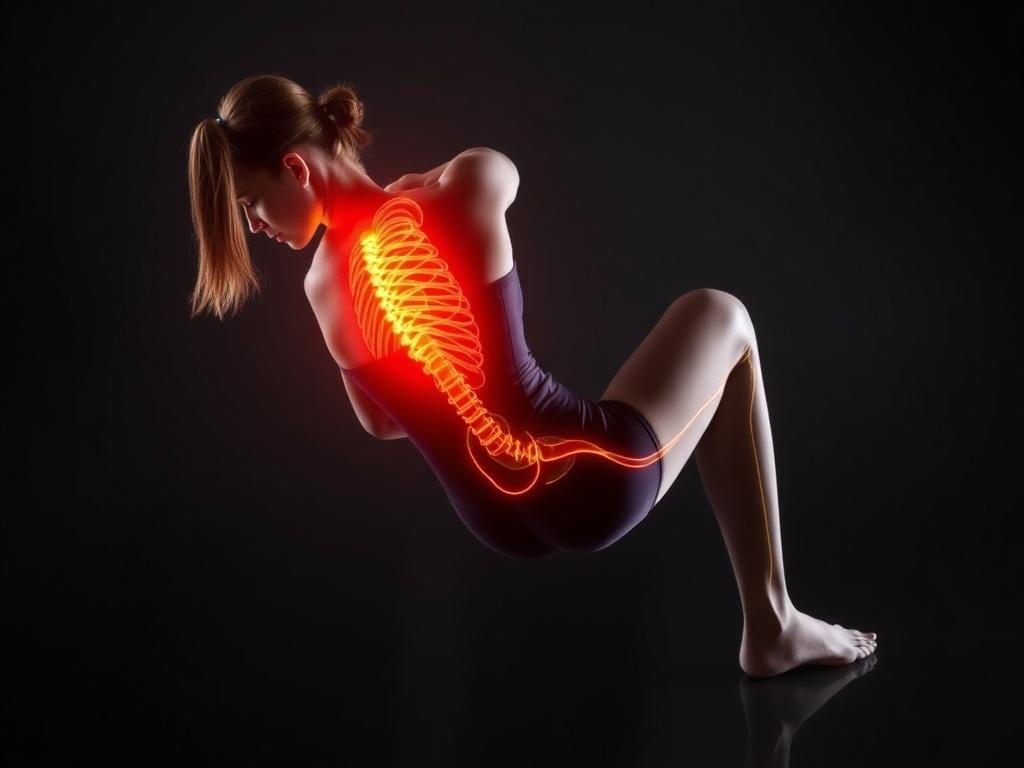
While most degenerative spine conditions respond well to graded exercise, certain signs warrant immediate medical attention. Red flags generally indicate nerve compromise, infection, or other serious pathology and should prompt urgent evaluation.
- New or worsening weakness in the arms or legs
- Loss of bowel or bladder control, or numbness in the groin area
- Unexplained weight loss, fever, or severe night pain
If you notice those symptoms, stop exercise and seek prompt medical care. For less dramatic but persistent worsening — increasing radicular pain, progressive numbness, or persistent functional decline — consult your healthcare team for targeted assessment.
Equipment and aids that help
Sensible equipment can make training safer and more comfortable. A supportive pair of shoes, a stable bench or chair, and a few light resistance bands go a long way. Bands are particularly useful because they provide scalable resistance while encouraging controlled motion.
Other helpful tools include a small foam roller for thoracic work, a neutral-cushioned mat for floor exercises, and, for some people, a lumbar support for prolonged sitting. Use braces sparingly; they can provide temporary relief but may weaken stabilizing muscles if relied upon long term.
Progressing safely and tracking progress

Progression is best guided by function, not by chasing arbitrary numbers on a machine. Track simple, meaningful outcomes: time walking without pain, ability to bend to pick up an object, number of comfortable squats, and daily activity tolerance. Those measures tell you whether training is translating to life improvements.
Use a training log to record exercises, perceived exertion, and symptom responses. When in doubt, decrease load or regress technique rather than pushing through pain. Small, consistent gains compound into significant functional improvements over months.
Set realistic timelines. Regaining foundational control often takes weeks; rebuilding strength and endurance can take several months. Patience is not a passive virtue here — consistent, progressively challenging work is what repairs resilience.
When to seek professional help
A physical therapist, chiropractor, or spine specialist can personalize a program to your anatomy, history, and goals. They help identify movement faults that an online template can’t detect and provide manual therapies and progressions that speed recovery.
Consider professional input if symptoms are severe, persistent despite conservative measures, or if your job or sport requires high physical demands. A team approach — clinician, trainer, and possibly a pain specialist — often provides the best outcomes for complex cases.
Personal experience and case examples
In my own practice as a coach and later as someone who worked closely with clinicians, I’ve seen the same pattern repeat: people immobilize during a flare, then find their symptoms stubbornly recur because they never rebuilt control. A client I worked with avoided bending for months after a lumbar flare and developed deconditioning that prolonged recovery.
We started with three short daily sessions of breathing, pelvic tilts, and a gentle walking program. Within two weeks she reported less guarding and more confidence. Over three months she progressed to light deadlifts and now confidently handles childcare and lifting without thought. That steady, pragmatic approach makes the difference.
Another example involved cervical symptoms in an office worker. Focused thoracic mobilization combined with scapular strengthening and posture breaks throughout the day reduced her headaches and neck pain far more than passive treatments alone. The intervention was simple but consistent, and it returned function without dramatic or risky interventions.
Common myths and mistakes
A common myth is that all spinal degeneration necessitates surgery. In truth, most people improve with conservative care and structured training. Surgery is reserved for specific mechanical or neurological problems that don’t respond to nonoperative measures.
Another mistake is overprotectiveness: avoiding all movement because you fear harm often makes the problem worse. Equally problematic is rushing back into heavy or technical lifting without rebuilding control and mobility. Both extremes undermine recovery.
Finally, expecting instant fixes is unrealistic. Effective rehabilitation respects biology: tissues adapt slowly, and consistent, incremental effort beats sporadic intensity every time.
Practical tips to make it stick
Making a program part of life is as important as choosing the right exercises. Start with tiny, achievable goals — two minutes of diaphragmatic breathing every morning, five minutes of mobilization before work, a 10-minute walk after lunch — and build from there. Small wins build momentum.
- Schedule sessions as appointments in your calendar.
- Pair exercises with daily habits (e.g., after brushing your teeth) to create cues.
- Use a simple log to track consistency rather than obsessing over daily intensity.
Find training you enjoy. If you like swimming, structure your program around it; if you prefer walking with friends, make that your primary aerobic work. Longevity in training comes from enjoyment and flexibility, not rigidity.
Resources and further reading
Look for resources from reputable organizations: professional physical therapy associations, peer-reviewed journals, and established patient education platforms. Practical guides that blend movement science with clear progression models are most useful for everyday application.
When reading online content, prioritize explanations that emphasize graded exposure, motor control, and function over quick fixes. A well-designed exercise program is cumulative and evidence-informed, not sensational or overly prescriptive for every individual.
Training with spinal degeneration is a long game. Thoughtful, progressive movement restores control, reduces pain, and lets you reclaim the activities you love. Start small, follow clear principles, and seek professional input when red flags or stubborn problems arise — step by step your body can become stronger and more resilient.