
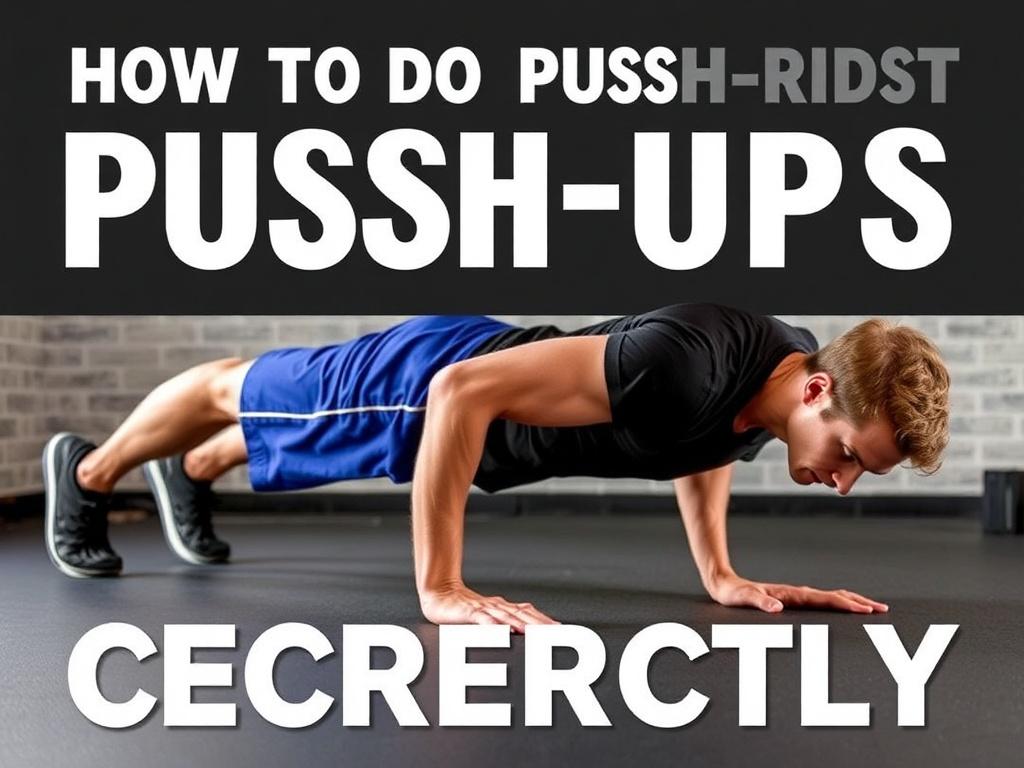
Push-ups are deceptively simple and quietly demanding. They test strength, stability, coordination, and mental grit in a single movement, and yet many people never learn to perform them efficiently. This guide explains how to build a reliable push-up: from joint-friendly setup to progressions that scale with you. Along the way I’ll use one clear Russian phrase—Как правильно отжиматься от пола—to anchor the practical steps and keep the focus on technique.
Why push-ups deserve a place in your routine
Push-ups deliver big benefits with no equipment and little space. They target the chest, shoulders, triceps, and core all at once, which makes them a powerful compound exercise for building functional upper-body strength.
Beyond muscle, push-ups improve shoulder stability and scapular control, qualities that carry over to better posture and safer overhead work. They also integrate well with conditioning and bodyweight training for athletes, beginners, and anyone who wants a dependable, scalable exercise.
What proper push-up mechanics look like
A technically sound push-up begins with alignment: a straight line from head to heels, shoulders stacked over wrists, and a braced midline. Small alignment errors multiply under load, so what looks like a subtle sag or a slightly wide hand placement can dramatically change which muscles do the work.
On the descent the shoulder blades should move smoothly, not wing or collapse; at the bottom the elbows should be under control rather than thrusting out. The upward press is powered by the chest and triceps, but the core and glutes act as the frame that transmits force cleanly through the body.
Which muscles are working and why it matters
The primary movers in a standard push-up are the pectoralis major and triceps brachii. The anterior deltoids assist, and the serratus anterior helps stabilize the scapulae during the pressing motion. Understanding this distribution explains why certain variations feel harder in different places.
Core muscles—rectus abdominis, obliques, and transverse abdominis—don’t generate the push but they resist sagging and rotation. A weak core lets the hips drop, shifting load away from the chest and forcing the shoulders into awkward positions that increase injury risk.
Common errors that ruin otherwise productive reps
Wrist collapse is a frequent culprit: letting the wrists bend and flare places excess strain on the joint and reduces force transfer. If your wrists ache, adjust hand placement, consider using push-up bars, or strengthen wrist mobility before loading more reps.
Another common fault is elbow flaring—letting the elbows swing wide at the bottom. This increases shoulder torque and reduces triceps engagement, and it’s a major reason many lifters experience shoulder pain. Aim to keep elbows between 30 and 45 degrees to the torso for a safer, more powerful press.
The step-by-step technique for a safe, strong push-up
When people ask how to perform the movement correctly, a simple, repeatable sequence is what transforms failure into progress. Below is a step-by-step method I use with clients; it’s precise enough for beginners yet flexible for more advanced trainees.
Whether you read it in English or search for Как правильно отжиматься от пола, these steps will give you a consistent template to practice. Practicing the sequence slowly, with attention to the set-up, yields more benefit than many hurried sets with sloppy form.
Step 1: find a stable base
Plant your hands slightly wider than shoulder-width, fingers spread, pressing the floor through the pads of your palms. Spread the weight evenly across fingers and heel of the hand to avoid overloading the wrists while maintaining a secure contact point for pushing.
Feet should be together or hip-width, depending on your balance; narrower feet increase difficulty, while a wider base offers more stability. Check for even weight distribution between hands and feet before you start the descent.
Step 2: set the shoulder and scapula
Retract and depress your shoulder blades slightly—think of a short, controlled squeeze rather than over-pinching. This positions the scapulae to glide smoothly during the movement and prevents excessive forward rounding of the shoulders.
A helpful cue is to imagine holding a small ball between your shoulder blades while keeping tension through the upper back. That tension stops the chest from collapsing at the bottom and reduces the risk of scapular dyskinesis.
Step 3: brace the core and glutes
Take a breath, brace your abdominals as if preparing for a light punch, and squeeze the glutes to maintain a straight line. This whole-body tension prevents sagging at the hips and helps transfer force from the legs through the torso to the arms.
If your low back arches or hips droop, reset and lower the difficulty—try incline or knee push-ups until you can hold strong alignment through the full range. Core engagement isn’t optional; it’s integral to a good push-up.
Step 4: controlled descent
Lower your chest toward the floor in a steady, controlled manner, keeping the elbows at a safe angle relative to your torso. Avoid dropping quickly; slow negatives train strength throughout the movement and build control where weaker lifters typically fail.
Stop when your elbows are around 90 degrees or when your chest approaches the floor without collapsing the spine. If you can’t control the descent, use an easier progression and build eccentric strength with negative-only reps.
Step 5: the press and finish position
Drive the floor away and extend the elbows while keeping the torso rigid. Aim to finish with the elbows almost locked but not hyperextended, and maintain a neutral neck—don’t crane your head up or poke the chin forward.
Think of the top as a full-body push: the chest drives, the triceps finish, and the core stabilizes. Holding the top for one second between reps reinforces tension and trains better motor patterns than rapid, flailing repetitions.
Step 6: breathing and tempo
Inhale during the descent, brace on the bottom briefly, and exhale while pushing up. Coordinating breath with movement helps maintain intra-abdominal pressure without straining the neck or breath-holding patterns that spike blood pressure.
Control the tempo: a two- to three-second descent and a one- to two-second ascent is a good default for strength and technique work. Faster tempos suit conditioning, but they should follow a period of technical drilling at slower speeds.
Progressions and regressions to match your level
Progressions allow steady overload; regressions let you practice technique without excessive load. Both are essential because many plateaus stem from skipping the right step at the right time.
Start with wall push-ups for absolute beginners, then move to incline push-ups, knee push-ups, and negative-only reps. From there, transition to full floor push-ups and then to harder variations like decline, narrow, and plyometric versions as strength improves.
Common regressions
- Wall push-ups: least load, great for joint pain or total beginners.
- Incline push-ups: use a bench or table to reduce the percent of bodyweight pressed.
- Knee push-ups: maintain core tension and alignment while reducing leverage demands.
Each regression isolates parts of the movement to master alignment and control before adding full-body load. Don’t rush past a regression simply because it feels easy; it may be building a crucial foundation.
Progressive overload techniques
Once you can perform 3–4 sets of 12–15 quality reps, increase challenge through load, volume, or mechanical difficulty. Weighted vests, elevated feet, narrower hand placements, and single-arm progressions all increase mechanical demand in differing ways.
Rotating overload methods keeps training fresh and avoids overuse. For instance, cycle 4–6 weeks of higher rep volume with lighter difficulty, then shift to lower reps and higher mechanical difficulty for 4–6 weeks to build strength.
Sample 8-week push-up progression
This simple table lays out a practical plan to build from incline variations to solid floor push-ups over two months. Progress at your own rate; if a week feels too hard, repeat it before moving on.
| Weeks | Focus | Sets × Reps |
|---|---|---|
| 1–2 | Wall and incline push-ups | 3×10–15 (controlled tempo) |
| 3–4 | Knee push-ups and negatives | 4×8–12 (include 3 slow negatives) |
| 5–6 | Full floor push-ups | 4×6–12 (aim for strict reps) |
| 7–8 | Increase difficulty: decline or weighted | 4×5–10 (progress load) |
Consistency and measured progression beat random high-volume attempts. Track sets, reps, and form notes so you can objectively decide when to raise the challenge.
Variations and why to use them
Different push-up versions stress muscles and motor patterns uniquely. Narrow hand positions emphasize the triceps, wide positions increase chest emphasis, and single-arm or archer push-ups demand more core and anti-rotational control.
Plyometric push-ups add speed and power, useful for athletes who need upper-body explosiveness. Decline push-ups shift more load to the upper chest and shoulders, while suspended or unstable push-ups increase scapular stabilization demands.
Which variation for which goal
For hypertrophy, use moderate reps (8–15) with slow negatives and controlled sets. For pure strength, reduce reps and increase mechanical difficulty or external load. For endurance, build higher rep capacity and maintain technical quality.
If shoulder health is the priority, favor scapular control drills and moderate range movements over heavy weighted variations. The right variation depends on your history, goals, and current capacity.
How to program push-ups into a weekly plan
Frequency depends on your goal: strength-focused lifters might press 2–3 times per week, while endurance or conditioning programs can include push-ups more often. The key is balancing load with recovery and not grinding out poor-form reps daily.
A practical template: two focused technical sessions per week (quality sets near capacity) and one higher-rep conditioning session. On non-push-up days, include pulling movements to maintain shoulder balance and minimize injury risk.
Warm-up and mobility to protect joints
Good warm-up prepares the thoracic spine, shoulders, and wrists. Start with dynamic thoracic rotations, banded shoulder dislocations, and wrist mobility drills to ensure joints move safely through the range of motion required for push-ups.
Follow with a few progressive activation sets: wall push-ups, incline push-ups, or partial-range slow push-ups to prime muscle recruitment. Skipping this sequence is a common reason for sudden discomfort or poor performance on heavier sets.
Wrist and shoulder care: practical mobility drills
Wrist extensors often get tight from desk work, contributing to discomfort during push-ups. Gentle wrist circles, palm-to-fist transitions, and weight-bearing wrist stretches help restore range and reduce pain during pressing.
For the shoulders, banded pull-aparts, face pulls, and scapular push-ups reinforce the posterior chain and scapular mechanics. When these supporting muscles fire well, the pressing chain operates more safely and efficiently.
Troubleshooting plateaus and common pains
If progress stalls, first check technique and volume. Many plateaus result from inconsistent effort, poor programming, or grinding through reps with compromised form instead of addressing weak links.
Shoulder pain that persists warrants immediate reduction of load and possibly consultation with a physical therapist. Pain that dims with easier regressions but flares under load indicates a capacity mismatch, not necessarily a catastrophic injury.
Modifications for injury or pain
Acute wrist or shoulder issues often respond to regression and mobility work rather than total avoidance. Use wall or incline push-ups to maintain motor patterns while avoiding high compressive loads on sensitive joints.
When returning from injury, emphasize eccentric control and scapular stabilization, and reintroduce load gradually. Pain-free range of motion is the guiding metric; if a variation causes pain, select an alternative that doesn’t.
Balancing push-ups with pulling work
To prevent muscular imbalances, pair push-up training with sufficient horizontal and vertical pulling. Rows, pull-ups, and face pulls strengthen the posterior chain and improve shoulder health, countering the forward-shoulder bias of pressing work.
Ideally, your weekly plan should aim for roughly equal volume of horizontal push and pull, with emphasis on quality technique on both. This balance reduces injury risk and enhances aesthetic symmetry and functional strength.
Programming examples for different goals
If your goal is strength: perform 3–5 sets of 4–8 strong, near-maximal push-ups twice weekly, prioritizing mechanical difficulty over high reps. Add weighted variations or declines as you adapt.
If hypertrophy is the aim: use 3–4 sets of 8–15 controlled reps with short rest, and include tempo manipulation—slow eccentrics and paused bottoms—to increase time under tension. Rotate in variations to hit fibers from different angles.
Tools and accessories that help
Push-up bars reduce wrist extension and can aid in deeper range of motion; they’re simple and effective for people with wrist discomfort. A padded mat improves comfort for chest and knees when doing regressions like knee push-ups.
Resistance bands provide scalable assistance on difficult variations and are invaluable for teaching single-arm push-ups or for supporting the body during negatives. Weighted vests are a convenient way to overload without changing mechanics drastically.
How to count reps and judge quality
Count a rep only if alignment, depth, and control were achieved. A noisy spreadsheet of numbers means little if each repetition was sloppy—quality should trump quantity. Keep notes on where form breaks down to guide targeted accessory work.
Use performance cues: full range means chest approaches the floor with neutral spine; elbows track at the chosen angle; and breathing is coordinated. If any of these elements are missing, stop the set and correct them before continuing.
Practical cues that actually work
“Pack the shoulders” helps prevent shrugging and scapular collapse; “brace and squeeze the glutes” stabilizes the hips; “drive the floor away” emphasizes the intent to push through the hands rather than just pressing the arms. Short, vivid cues stick better than long technical descriptions.
Experiment with a couple of cues during a session and discard the rest. Overloading a trainee with instructions is counterproductive; use one or two clear cues that address the primary breakdown you observe.
Progress tracking and small wins
Track not just total reps but perceived exertion, form notes, and the difficulty of variations used. Progress is often small and non-linear; recording incremental wins keeps motivation steady and helps plan sensible increases in load.
Celebrate small milestones: completing your first full strict push-up, moving from knee to full push-ups, or adding a weighted plate. These wins indicate neural adaptation and coordination improvements that raw weights alone might not reflect.
Programming for busy people
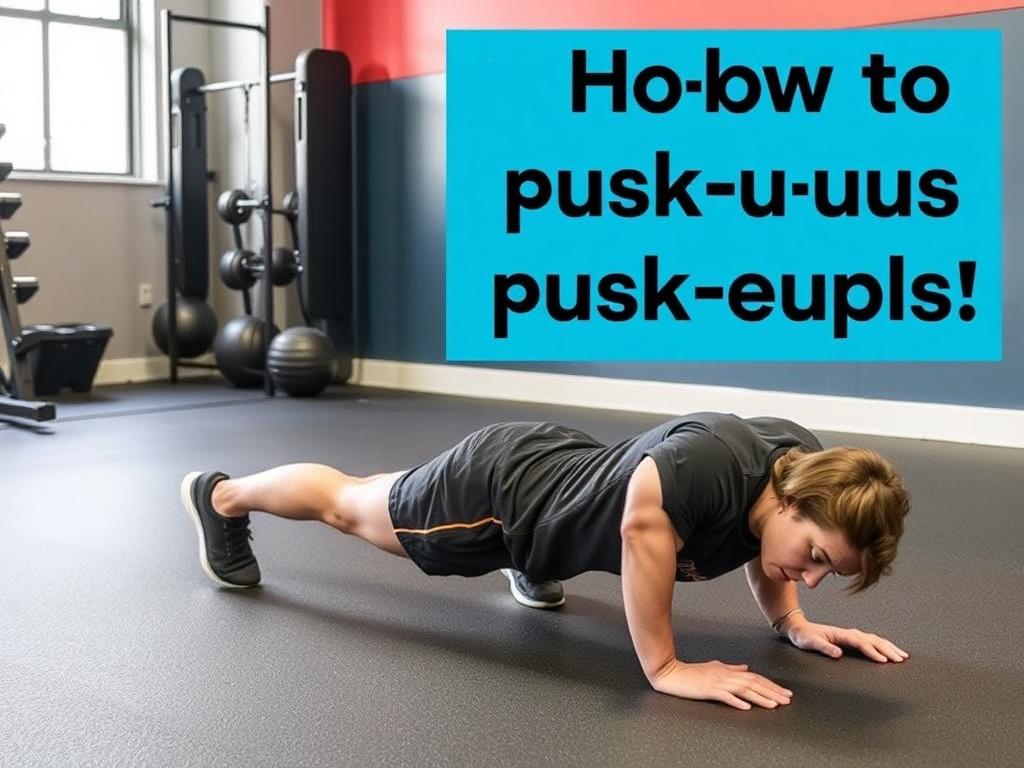
Short, focused sessions three times a week trump sporadic long workouts. Ten to twenty minutes of focused push-up work, combined with a couple of compound pulls, can produce meaningful strength gains when performed consistently.
Micro-sessions—two or three sets performed mid-day—are effective if total weekly volume is preserved. The body adapts to consistent stress, not to dramatic single-session volume, so fit the work into your life rather than forcing life around training.
Common myths, and the truth behind them
Myth: push-ups are only for beginners. Truth: progressive variations and overload options make them a lifetime exercise for strength, power, and endurance. The movement scales elegantly with you.
Myth: you need perfect form from day one. Truth: aim for consistent progress in alignment and control; perfection is a moving target. Use regressions and targeted drills to close the gap without stagnation.
Real-life coaching example
I worked with a client who couldn’t do a single full push-up without sagging at the hips and complaining of wrist pain. We spent four weeks on wrist mobility, incline work, and core bracing before attempting floor push-ups again.
After that foundation, she progressed rapidly to full sets of eight strict push-ups and later added a light weighted vest. The change wasn’t magic—it was methodical practice and patience with regressions until strength and alignment matched.
Personal notes from years of coaching
Over time I’ve learned that most people need fewer reps and more technical focus early on. High-volume approaches can work, but only after the body can maintain position; otherwise you’re drilling dysfunction into the movement pattern.
I encourage trainees to keep videos of their reps for objective feedback. Often what someone feels is different from what actually happens. Video-based corrections accelerate learning and make coaching cues far more precise.
How to transition to single-arm push-ups safely

Don’t jump to single-arm variations until you can perform high-quality, slow reps with 10–15 bodyweight push-ups. Build unilateral strength and pelvic stability through offset-loaded variations like staggered hand push-ups and band-assisted single-arm negatives first.
Use a controlled introduction: practice with one hand elevated on a small platform to reduce leverage, then progressively lower the platform height. Single-arm work is demanding; respect the stepwise progression and keep form pristine.
Nutritional and recovery considerations
Like any strength work, push-up progress benefits from sufficient protein, sleep, and caloric support for recovery. Without these, your nervous system and muscles won’t adapt as quickly, and plateau becomes more likely.
Active recovery, hydration, and light mobility sessions between heavy days help sustain performance. Overtraining is often subtle; increased soreness, poor sleep, and lack of motivation usually signal the need for a deload or reduced frequency.
When to seek professional help
Persistent joint pain, sharp sensations during movement, or recurring instability merit assessment by a qualified physical therapist or strength coach. They can identify compensatory patterns and design a targeted rehabilitation plan to restore safe pressing mechanics.
A professional can also help with complex goals like transitioning to advanced calisthenic variations or integrating push-ups into sport-specific training. The right guidance speeds progress and reduces the risk of setbacks.
Quick troubleshooting checklist
Before each session, scan these items quickly to ensure a productive workout: mobility, warm-up, alignment, and a clear goal for the session. Almost every problem has a simple fix in one of these four areas.
- Mobility: can you achieve the necessary wrist and thoracic range?
- Warm-up: did you prime the movement with regressions?
- Alignment: are hips and head in a straight line?
- Goal: is this session for technique, strength, or endurance?
Checking these boxes reduces wasted reps and keeps progress consistent.
Short practice routines you can use today
Technique session (20 minutes): 5 minutes mobility, 3×6–8 incline push-ups with 3 slow negatives, 3×5 strict floor push-ups, 2 sets of scapular push-ups. Rest as needed and focus on quality.
Endurance session (15 minutes): AMRAP 10 minutes of alternating 30 seconds push-ups, 30 seconds plank; keep submaximal intensity and prioritize consistent form through the set. These short templates fit into busy schedules while producing solid gains.
Tools for self-assessment
Video is the most valuable self-coaching tool; record from the side and a slight front angle to inspect elbow tracking, hip position, and head alignment. Compare footage across weeks to see progress beyond what subjective memory reports.
Use a simple rep-quality scale: A = perfect alignment and depth, B = minor cueable faults, C = technical breakdown. Stop and regress on any set that consistently scores C to prevent reinforcing poor patterning.
Putting it all together
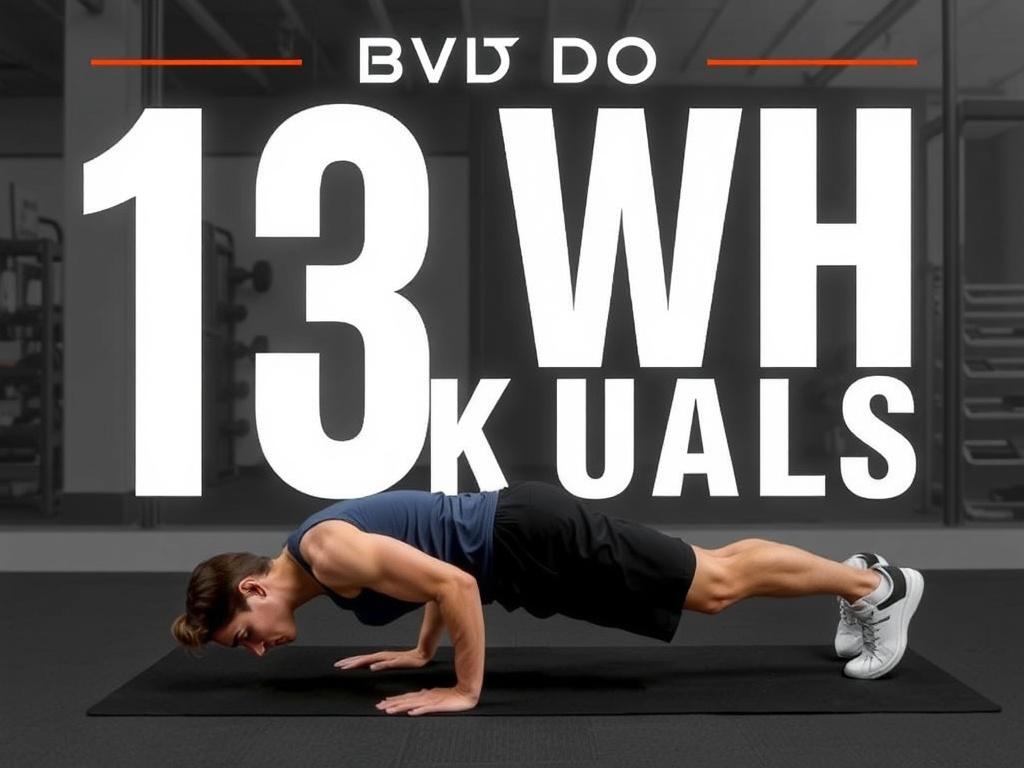
Push-ups offer a broad, scalable avenue to stronger pressing and better functional fitness. They reward technical attention and deliberate progressions more than they reward brute repetition. Start with the fundamentals—base, shoulders, bracing, controlled descent—and build outward from there.
Track your work, respect regressions, and balance pushing with pulling to protect your shoulders. With consistent, thoughtful practice you’ll gain strength, resilience, and a movement that serves you across activities from everyday tasks to athletic performance.