

Breathing is the invisible partner at every heavy lift, rarely noticed until something goes wrong. Small adjustments in how you inhale, brace, and exhale can change a novice’s awkward attempts into efficient, powerful repetitions. This article walks through the science, the practice, and usable drills so you can breathe your way to stronger sessions without guessing.
Why breathing matters more than you think
Most gym conversations focus on sets, reps, and tempo while breathing gets relegated to an afterthought. In reality, breathing regulates intra-abdominal pressure, stabilizes the spine, and coordinates with the nervous system to affect force production. Overlooking breath mechanics can limit performance, increase injury risk, and sap energy far earlier than the muscles themselves.
When you lift heavy, your body isn’t just moving weight; it’s managing pressure and balance in three dimensions. Proper breathing helps transfer force from the feet through the core to the bar, creating a stable platform for maximal effort. Ignoring that link is like trying to build a bridge without reinforcing the foundation.
Basic respiratory anatomy for lifters
At the center of purposeful breathing stands the diaphragm, a dome-shaped muscle separating the thoracic and abdominal cavities. When the diaphragm contracts, it flattens and creates negative pressure, drawing air into the lungs and allowing the abdominal wall to expand outward. That expansion, when harnessed correctly, is the foundation of effective bracing.
Accessory muscles—intercostals, scalenes, sternocleidomastoids, and the pelvic floor—assist the diaphragm during heavy efforts and high-intensity work. The rib cage, posture, and even the airway shape influence how air fills the lungs, so a rounded thoracic spine or shallow neck breathing will change the whole system. Understanding these pieces helps translate a theoretical concept into practical coaching cues.
Diaphragmatic versus chest breathing
Diaphragmatic breathing fills the lower lungs, pushing the belly and lower rib cage outward, while chest breathing lifts the upper ribs and shoulders with each inhale. For strength work, diaphragmatic breathing is generally superior because it creates more consistent intra-abdominal pressure and reduces unwanted neck and shoulder tension. Chest-centered breath patterns can be useful for quick, shallow efforts but tend to destabilize the torso under load.
Train diaphragmatic breathing off the platform first: lie on your back with a hand on your stomach and one on your chest, and practice making the lower hand rise more than the upper. This muscle pattern then transfers to standing and lifting positions, making heavy sets more stable and less reliant on breath-holding with improper posture.
Understanding bracing and the Valsalva maneuver
Bracing and the Valsalva maneuver are closely related but not identical concepts. Bracing refers to contracting the abdominal and spinal muscles to stiffen the torso, while the Valsalva maneuver involves a deliberate breath-hold against a closed glottis to increase intra-abdominal pressure. Both are staples in heavy lifting when used correctly, but the Valsalva can elevate blood pressure significantly and isn’t ideal for every lifter or every rep.
To brace effectively, breathe in diaphragmatically to your belly and lower ribs, then tighten the abdominal wall and spinal erectors as if preparing for a light punch. This technique maintains a protective cylinder around the spine and keeps vertebral alignment stable even as the external load climbs. Valsalva is best reserved for near-maximal singles and short-duration efforts when maximal stiffness is necessary.
When to use the Valsalva and when to avoid it
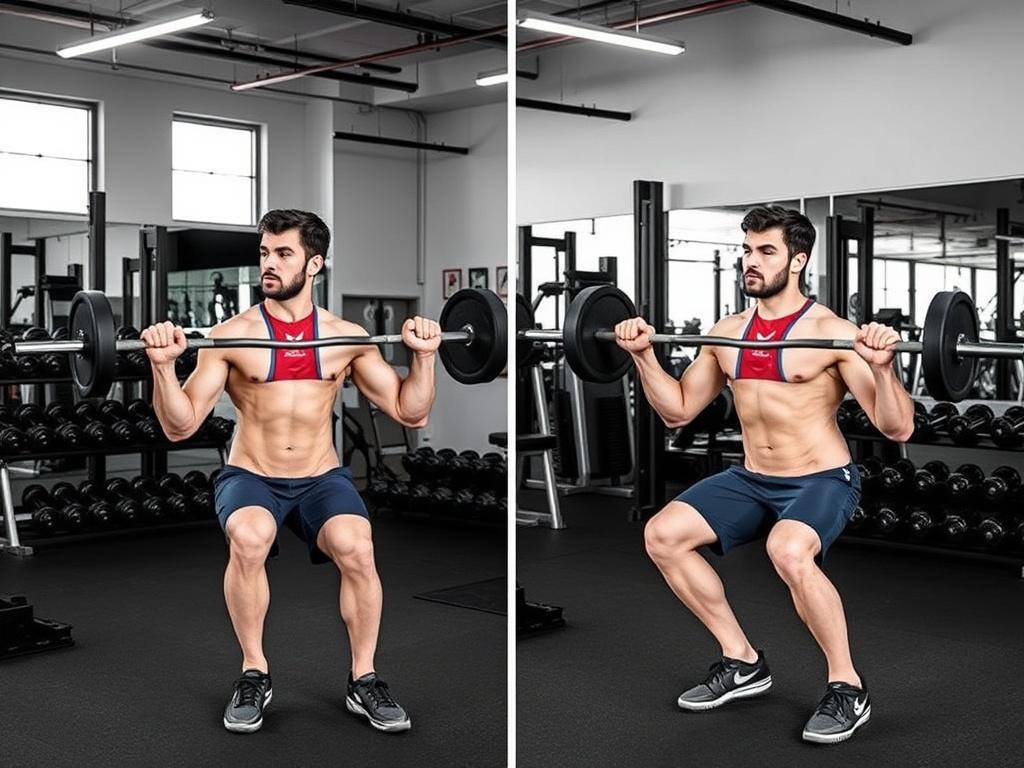
Use Valsalva on heavy, short-duration lifts such as maximal singles in the squat, deadlift, or bench when you need the highest possible torso stiffness. It gives a pronounced temporary increase in ability to transfer force, which can be the difference between a successful and failed attempt at near-max loads. However, for long sets, high-rep work, or lifters with cardiovascular concerns, repeated Valsalva can spike blood pressure and induce dizziness or fainting.
A sensible guideline: coach Valsalva for single heavy attempts and teach controlled exhale or segmented breathing for multiple reps and hypertrophy-style training. If a lifter has hypertension, a recent cardiac event, or episodes of fainting, consult a medical professional before recommending breath-holding techniques. Safety first—performance improvements are worthless if health is at risk.
Syncing breath with movement: practical patterns
Different lifts call for different breath timings. A common pattern for a single heavy rep is to take a deep diaphragmatic inhale, brace, execute the lift while holding the breath through the sticking point, then exhale after lockout or when the movement becomes stable. This pattern maximizes intra-abdominal pressure at the exact moment it matters most.
For multi-rep sets, partial or staged exhalations can prevent dizziness and manage fatigue. For example, during a five-rep bench, inhale and brace before the descent on rep one, then exhale a controlled burst at the top between reps, re-inhaling and bracing just before the next descent. This keeps tension consistent without prolonged breath holds that could harm cardiovascular stability.
Breathing cues for specific lifts
Different lifts have subtle differences in ideal breath timing and bracing. The squat benefits from a deep belly-rib inhale and full brace to create a stable torso, while the deadlift often requires a slightly higher brace that engages lats and upper back to protect the hinge. Bench press lifters should still utilize the diaphragm, but the bracing pattern emphasizes rib flare, shoulder packing, and a short controlled exhale after lockout.
Overhead movements—like the press or push press—need breathing that balances trunk stiffness with shoulder mobility. Take a firm inhale, lock the core, and drive the bar while maintaining the brace, then exhale through a small, controlled opening when the bar passes the head. Small, disciplined adjustments in each lift add up to better bar path, more efficient force transfer, and fewer missed reps.
Sample breathing sequences for common lifts
Below are simple step-by-step patterns to apply during typical lifts. These sequences focus on clarity and repeatability, which is more useful than memorizing complex systems that break down under fatigue. Use these as a baseline and tweak slightly to suit your body mechanics and experience level.
- Squat: full diaphragmatic inhale → tight brace → unrack and descend → drive up while maintaining brace → exhale after passing the sticking point.
- Deadlift: take a slightly higher diaphragm inhale → brace and engage lats → initiate pull and hold breath through the first half of the lift → exhale at lockout or after the hip drive completes.
- Bench press: inhale and flare ribs slightly before descent → pause and maintain brace during the press → exhale shortly after lockout or during recovery breaths between reps.
These patterns are intentionally concise to be easy to remember under stress. The most important detail is consistency: choose a pattern that stabilizes you and practice it until it becomes automatic under load.
Breathing for hypertrophy, strength, and power
Training goals change the ideal breathing pattern. Hypertrophy-focused training with moderate to high reps benefits from paced exhalations and re-inhalations between reps to manage oxygen demand and prevent excessive blood pressure spikes. Short breath holds can be used at certain points to maintain tension, but they should be brief and deliberate.
Strength training, especially single-rep maximal attempts, calls for fuller bracing and strategic Valsalva use. Power work, including cleans and snatches, often relies on rapid, rhythmic breathing patterns that coordinate with speed and triple extension rather than long breath holds. Tailor your breathing to the objective: volume work needs sustainment, maximal attempts need stiffness, and power demands tempo and rhythm.
Common mistakes and how to fix them
One frequent error is over-reliance on neck and upper-chest breathing, which produces tension in the wrong places and weakens the brace. Correct this by returning to diaphragmatic drills off the platform and gradually integrating the pattern into lifts with light loads. Another mistake is breath-holding for entire long sets; teach segmented breathing and short exhalations to preserve blood pressure and cognitive clarity.
Rushing breath transitions between reps is also common, especially in metabolic conditioning or superset scenarios. Slow down briefly to ensure a proper inhale and firm brace before each repetition when the load or intensity matters. A two-second re-inhale with a focused brace will save more weight on the bar than an extra rep done with sloppy breathing.
Training drills to improve breathing control

Begin with supine diaphragmatic breathing, progressing to seated and standing patterns, then integrate bracing into loaded carries and light compound lifts. Carry variations—farmer’s walks and suitcase carries—are excellent because they force continuous bracing while you practice steady breathing patterns. These drills transfer directly to heavy lifts because they mimic the need for trunk stiffness under moving loads.
Another practical drill is paused breathing squats: take your diaphragmatic inhale and brace, descend, pause for two to three seconds while holding the brace, then ascend and exhale. Paused holds train the coordination between breath and vertebral stability, increase time under tension for core muscles, and build confidence in holding pressure without the Valsalva overuse.
Using belts and braces intelligently
Belts increase the effectiveness of a diaphragmatic breath by giving something for the abdominal wall to press against, amplifying intra-abdominal pressure and torso stiffness. However, a belt is a tool, not a crutch; relying on it without practicing natural bracing can produce long-term weakness in core control. Use the belt for near-maximal lifts and technical practice, but keep unloaded core and breathing drills belt-free.
When fitted correctly, a belt should be snug but not so tight that you cannot inhale into the lower ribs and belly. External support must complement internal tension; if you put on a belt and then stop creating a proper brace, the lift will likely feel unstable and you’ll miss the chance to develop intrinsic stabilization. Train both with and without supportive gear to create durable strength.
Breathing under fatigue and metabolic stress
As sets accumulate and peripheral fatigue increases, breathing often becomes shallower and faster, which erodes bracing quality. Combat this by inserting brief recovery breaths between reps in higher-rep sets and by managing pace across a workout to avoid unnecessary gasping. Controlled inhalation and timed exhalation restore tension better than a frantic, shallow breathing pattern.
Strategies like tempo manipulation—slowing the eccentric and controlling the transition phase—allow you to re-establish a strong inhale and brace before the concentric effort. This pacing reduces the need for extreme breath-holds and keeps the nervous system from overreacting to local muscle failure. You’ll maintain bar speed and control longer across a session when you respect the breath.
Programming breathing work into training
Allocate time in warm-ups for breathing drills and use light sets of main lifts to rehearse inhale-brace-exhale sequencing. A simple warm-up flow might be three minutes of diaphragmatic breathing, followed by 2–3 sets of light squats or deadlifts using deliberate holds and pauses. Repetition ingrains patterns, and the nervous system will default to the practiced behavior when heavier loads arrive.
Periodically evaluate the breathing component of your training sessions and make it a coachable metric. Track whether you’re consistently bracing before each rep and whether your exhalation timing aligns with the lift’s mechanics. Small, documented improvements in breath control often precede larger strength gains.
Real-life example: how I learned to brace under a 400-pound squat
Early in my lifting, I would grind through heavy squats on autopilot, gasping and compensating with my shoulders. A coach filmed me and pointed out how my chest rose and my belly collapsed under load, letting my lower back take too much stress. I reintroduced diaphragmatic drills, paused squats, and deliberate Valsalva cues for singles, and within months my lockouts became steadier and my lower-back pain dissipated.
That transformation didn’t come from one magic cue; it came from daily rehearsal and honest measurement—film, feedback, and small progressive overloads. It’s a practical reminder: breathing patterns are motor skills that respond predictably to attention and repetition, just like a bar path or hip hinge.
Tools and technology to monitor breathing and bracing
Smartphone video remains the simplest tool: slow-motion playback exposes chest rise, pelvic tilt, and timing errors in real time. Wearable devices that measure respiratory rate can help track fatigue and recovery but are limited in judging brace quality. Pressure belts and biofeedback tools exist for clinicians and performance labs and can provide a high-resolution look at intra-abdominal pressure during lifts.
Use technology as an aid, not a substitute for feel and coaching. The best feedback loops combine simple observation, video review, and selective use of devices when you need granular data to correct persistent faults. Most trainees will make huge gains simply by filming sets and correcting obvious chest-first breathing or delayed bracing habits.
Common myths and clarifications
Myth: “You should always hold your breath for every rep.” Reality: Breath-holding has its place, but prolonged Valsalva across many reps is unnecessary and risky for many lifters. Myth: “Breathing only matters for elite lifters.” Reality: Novices who learn efficient patterns avoid bad habits that become hard to unlearn and protect themselves from early spinal stress.
Myth: “A bigger belly breath is always better.” Reality: It’s about controlled expansion of the lower ribs and abdomen, not uncontrolled belly bulging that indicates poor posture or weak oblique engagement. Clear, contextual understanding trumps blanket rules when it comes to breathing strategies.
Programming examples: brief templates
Here are two short templates that incorporate breathing practice into common training splits. Use them as starting points, and adjust volume or intensity to match your abilities and recovery. Consistent practice within a structure beats sporadic perfection.
- Strength day: Warm-up with diaphragmatic breathing (3 minutes), 3 light sets with braced holds, 4 working sets at 85–95% with Valsalva on singles, accessory core work without belt.
- Hypertrophy day: Controlled rep tempo, segmented breathing between reps, 3–4 sets of 8–12 reps, brief exhale at the top of each rep, carry work for breathing endurance.
These templates prioritize rehearsal and transfer; the key is not complexity but regularity in practicing good breath and brace mechanics. Keep logs and note whether breathing felt controlled or rushed—those notes often reveal the best tweaks.
Coaching cues that actually help
Good cues are short, concrete, and actionable like “inhale belly and ribs,” “fill your lower lungs,” or “tighten like a belt around your waist.” Avoid abstract language such as “get more air” or “stay tight” without showing what that tightness looks like in the torso. Combine verbal cues with tactile guidance or video playback to accelerate learning.
Cues should also be individualized; some lifters respond better to “chest up and breathe into the ribs,” while others need “push your stomach into the belt.” Ultimately, the best cue is the one that produces the desired trunk stiffness and consistent bar path in that specific athlete.
When to seek professional help
If you experience repeated dizziness, fainting, chest pain, or unexplained vision changes when using breath-holding on heavy lifts, stop that pattern and consult a medical professional. Persistent high blood pressure, a family history of cardiovascular disease, or recent cardiac events are clear reasons to get medical clearance before using aggressive Valsalva techniques. Trainers and coaches should know when to refer clients for medical advice rather than layering more technical cues over a potential health issue.
Additionally, if you find that no amount of coaching stabilizes your spine or that pain persists despite proper breathing and technique adjustments, involve a physical therapist to assess mobility, motor control, and structural concerns. A combined approach often solves problems that single-discipline fixes cannot.
Advanced concepts: respiratory strength and conditioning
Some athletes benefit from targeted respiratory strength training, particularly those with compromised diaphragm function or elite-level needs for prolonged bracing. Devices that add resistance to inhalation or exhalation can strengthen the respiratory muscles and improve control under load. These interventions should be specific and supervised, as misapplied loading can worsen coordination.
Respiratory training can also include tolerance drills to increase comfort with pressure—shorter, repeated Valsalva attempts at moderate intensity, or timed holds integrated into carries. The goal is not to create extreme breath-holders but to improve the ability to create and release pressure efficiently when the lift demands it.
Frequently asked questions lifters ask
Question: “Should I exhale at the top of the lift every time?” Answer: Not always; exhale timing depends on load, reps, and safety. For maximal single reps, wait until after the sticking point or lockout. For higher reps, use segmented exhalations between reps to maintain oxygenation and control.
Question: “Does wearing a belt mean I don’t need to brace?” Answer: No; a belt amplifies a proper brace but cannot replace the neuromuscular coordination required for spine stabilization. Practice bracing with and without external support to develop robust, transferable control.
Table: quick comparison of breathing techniques and when to use them
| Technique | Primary benefit | Best use case | Caution |
|---|---|---|---|
| Diaphragmatic inhale + brace | Stable intra-abdominal pressure | Most compound lifts and general strength | Requires practice to coordinate under load |
| Valsalva (breath-hold) | Maximal torso stiffness | Near-max singles and competition attempts | Raises blood pressure; avoid repeated long holds |
| Segmented breathing | Maintains tension with oxygenation | High-rep sets, hypertrophy, conditioning | Poor timing can break rhythm, needs rehearsal |
| Rapid rhythmic breathing | Supports explosive, swift efforts | Power cleans, snatches, plyometrics | Not for heavy isometric holds |
This table is a compact reference to help choose the right breathing method according to context and goals. It’s not exhaustive but helps prioritize methods when planning sessions or offering cues.
Practical checklist to use before heavy sets
Before a heavy attempt, run a short mental and physical checklist: set your foot and hip position, take a full diaphragmatic inhale, brace as if about to be punched, and start the lift with tension maintained. This short ritual reduces decision fatigue and builds a repeatable habit under stress. Make the checklist part of your warm-up until it becomes automatic.
- Feet and grip set; posture aligned.
- Diaphragmatic inhale to lower ribs and belly.
- Firm abdominal brace and spinal tension.
- Execute lift while maintaining brace; exhale at a safe point.
Coaches and lifters who share a pre-lift ritual find it reduces anxiety and ties the body into a predictable sequence. That predictability allows the nervous system to channel energy into performance instead of scrambling for last-second corrections.
Wrapping practice into daily life
Good breathing for lifting also improves everyday function—posture, core stability, and even stress management. Practicing diaphragmatic breathing during non-training times, like while seated at a desk or before sleep, reinforces the motor pattern so it’s available automatically in the gym. A few minutes daily yields better returns than two hours once every few weeks.
Additionally, mindful breathing techniques can reduce sympathetic overdrive before heavy attempts, lowering arousal to a productive level rather than panic. Use a couple of slow diaphragmatic breaths before a top set to steady your heart rate, focus vision, and cue the body for maximal but controlled effort.
Final thoughts and next steps
Breathing under load is a skill, not a mysterious gift. It responds to measurement, repetition, and sensible progression just like any lift. Invest time in simple drills, film key lifts, and integrate bracing work into both warm-ups and accessory sessions to get the most durable and transferable gains.
Start small: pick one lift, refine the inhale–brace–exhale sequence, and track improvements over a month. You’ll likely notice smoother reps, fewer missed lockouts, and more confidence under heavier loads. Over the long term, that disciplined attention to breath will pay dividends in performance, resilience, and health—because the way you breathe under stress is as important as the weights you choose to move.