
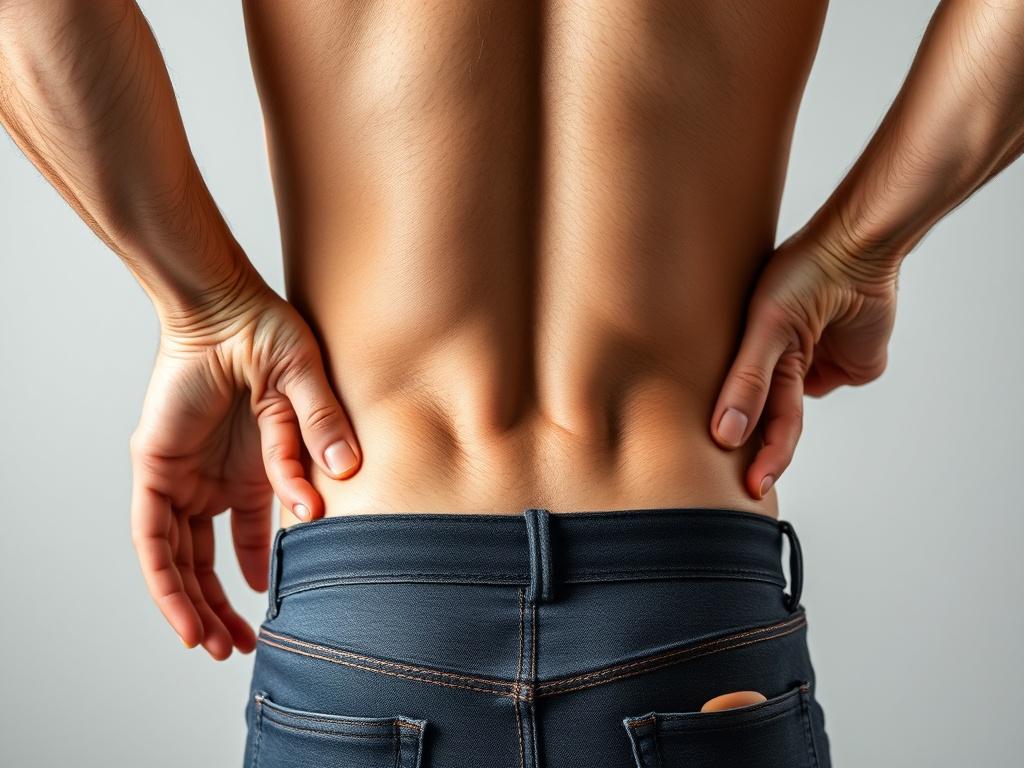
If you typed or heard the phrase “Как убрать жир с поясницы у мужчин,” you’re facing a common problem: fat that settles around the lower back and flanks, the so-called “love handles” for some, the stubborn back bulge for others.
This article walks through the science, nutrition, training, and daily habits that actually move the needle. Read on for a realistic 12-week framework, mistakes to avoid, and practical tips you can start using today.
Why lower-back fat is so stubborn

Body fat doesn’t distribute evenly, and the lower back is a frequent storage site for men because of genetics, hormones, and lifestyle. The body decides where to store and release fat based on multiple signals, not on how many crunches you do.
Spot-reduction—the idea you can burn fat from one area by exercising it—is largely a myth. Local exercises strengthen muscles, improve posture, and change appearance, but they don’t selectively melt fat from a targeted region.
That means the approach must be systemic: adjust total calories, improve insulin sensitivity, increase overall activity, and build muscle so your body uses more energy at rest.
The science behind fat distribution and hormones
Men typically store visceral and subcutaneous fat differently than women, and testosterone, cortisol, and insulin play major roles. Lower testosterone and chronically elevated cortisol can encourage fat accumulation around the midsection and lower back.
Insulin sensitivity determines how readily your body partitions nutrients toward storage or use. Better insulin sensitivity favors using carbohydrates for energy rather than storing them as fat.
Genes set a baseline for where fat tends to accumulate, but lifestyle modifies the expression. That means most men can significantly change their back appearance without changing their DNA—by changing habits.
Nutrition: the foundation for losing fat
Nutrition is the single biggest lever for losing stubborn fat. Without a consistent calorie deficit over time, exercise alone rarely produces the visible changes most men want around the lower back.
A moderate calorie deficit—about 10–20% below maintenance—balances steady fat loss with preserving muscle and energy. Extreme restriction often backfires, causing muscle loss and increased hunger that makes habits unsustainable.
Focus on whole foods: lean proteins, vegetables, whole grains, healthy fats, and minimal processed sugar. These choices improve satiety, stabilize blood sugar, and support training performance.
Calories and tracking
Start by estimating maintenance calories with a simple calculator or an app, then reduce by 10–20%. Track daily intake for two weeks to see trends rather than obsess over each meal.
Weigh yourself weekly under consistent conditions and pair that with tape measurements around the waist and lower back. Use progress photos every two weeks to capture changes that numbers might miss.
Small daily deviations are normal; what matters is the overall trend across weeks. If weight stalls for three weeks, reduce calories slightly or increase activity.
Macronutrients and meal composition
A practical macronutrient split for most men aiming to lose fat while preserving muscle is roughly 30–35% protein, 30–35% carbohydrates, and 30–35% fats, adjusted to personal preference and activity level.
Protein is crucial—aim for 0.7–1.0 grams per pound of body weight. High protein supports muscle retention, satiety, and a slight metabolic advantage during weight loss.
Carbohydrates should coincide with training sessions to fuel performance, while fats provide hormonal support and satiety. Prioritize fiber from vegetables and whole grains to keep digestion regular and blood sugar stable.
Exercise: what actually changes your back appearance
A combination of resistance training, high-intensity interval training (HIIT), and targeted mobility work delivers the best results. Resistance training builds muscle, boosting resting metabolic rate and reshaping the torso.
HIIT and strategically timed steady-state cardio reduce body fat efficiently without necessarily increasing time in the gym. Both modalities have a place depending on your preferences and recovery capacity.
Targeted core and posterior chain work—like deadlifts, rows, and back extensions—strengthen the muscles under the fat, improving posture and the visual line of the back once overall fat decreases.
Resistance training principles
Focus on compound lifts: deadlifts, squats, rows, overhead presses, and pull-ups. These moves recruit large muscle groups and increase energy expenditure during and after workouts.
Train each major muscle group at least twice per week. Volume (sets × reps) and progressive overload—adding weight or reps over time—are what drive muscle growth and metabolic adaptation.
Include specific posterior chain exercises like Romanian deadlifts, single-leg deadlifts, and glute-ham raises to build thicker, more functional back musculature.
Cardio and interval training
HIIT sessions two to three times per week—20–30 minutes—can accelerate fat loss and improve cardiovascular fitness. Mix intervals on the bike, rower, or running sprints depending on joint health and preference.
Low-intensity steady-state (LISS) cardio like brisk walking, cycling, or light rowing fits well on recovery days. LISS increases daily energy expenditure without punching holes in recovery.
Remember, total weekly energy expenditure matters more than the modality. Pick cardio you enjoy so you’ll do it consistently.
Exercises that improve the lower-back line
While exercises won’t remove fat selectively, they sculpt the area and improve posture. Key moves include reverse flyes, bent-over rows, lat pulldowns, back extensions, and face pulls.
Core stability work—planks, dead bugs, and pallof presses—builds a strong center that holds the lower back in a flattering alignment. Strong hips and glutes reduce the load on the lumbar area during standing and movement.
Mix heavier strength sets for 4–6 reps with moderate hypertrophy work in the 8–12 rep range to target both strength and muscle size, improving the overall silhouette.
Sample weekly training plan
Below is a simple, balanced weekly template you can adapt to experience and time constraints. It alternates heavy lifts with conditioning and recovery work to maximize fat loss and muscle retention.
| Day | Main focus | Example |
|---|---|---|
| Monday | Upper-body strength | Bench press, rows, pull-ups, shoulder press |
| Tuesday | HIIT + core | 8×60s row sprints, planks, pallof press |
| Wednesday | Lower-body strength | Squats, Romanian deadlifts, lunges, glute bridges |
| Thursday | LISS + mobility | 45-min brisk walk, hip and thoracic mobility |
| Friday | Full-body hypertrophy | Moderate weights, 3 sets of 8–12 for complexes |
| Saturday | Conditioning | Bike intervals or circuit training |
| Sunday | Active recovery | Stretching, short walk |
This template is scalable. Beginners can reduce volume and intensity; advanced trainees can add sets, heavier loads, or extra conditioning.
Daily habits that speed up fat loss

Small, consistent habits produce large changes over months. Prioritize sleep, manage stress, reduce liquid calories, and increase incidental movement throughout the day.
Sleep quality affects hunger hormones and recovery. Aim for 7–9 hours nightly, and treat poor sleep as a barrier to fat loss—address it before chasing micro-optimizations in diet.
Move more outside of workouts: stand when possible, take regular walks, and use brief active breaks to lower sedentary time and increase daily caloric burn.
Alcohol and its role
Alcohol adds empty calories and impairs recovery and decision-making. Regular drinking, especially in larger amounts, shifts metabolism toward storing fat and disrupts sleep quality.
If your goal is to lose lower-back fat, cut back on alcohol or reserve it for special occasions. Even small reductions in weekly intake can add up to significant calorie savings and better recovery.
Swap high-calorie mixed drinks for lower-calorie options, or plan alcohol-free days each week to keep progress steady.
Common mistakes and how to avoid them
Many men fall into predictable traps: chasing spot reduction, underestimating calories, and overdoing cardio while neglecting strength work. Recognizing these mistakes will save time and frustration.
- Relying on abdominal or back-targeted exercises alone to “burn fat” from the area.
- Severe calorie restriction that leads to muscle loss and rebound overeating.
- Inconsistent tracking—changing too many variables at once and then giving up.
- Neglecting sleep and stress management, which blunt results even with disciplined diet and training.
Avoid these by committing to a structured approach: moderate calorie deficit, consistent resistance training, and weekly progress checks.
Measuring progress: what to track and when to adjust
Use multiple metrics: body weight, tape measurements around the waist and lower back, progress photos, strength numbers, and how clothes fit. Relying on only one metric gives an incomplete picture.
Check weight once per week, take measurements every two weeks, and photograph every two to four weeks in consistent lighting and posture. Strength gains in major lifts signal muscle retention even when scale changes are small.
If progress stalls for three consecutive weeks, review calories, sleep, and activity. Small, measured adjustments are better than abrupt, unsustainable changes.
Real-life examples: transformations that are realistic
I coached a client—Tom—who had a pronounced lower-back bulge despite running and doing countless back extensions. He was in a calorie surplus and had no structured strength program.
We reduced his daily calories by 12%, implemented three strength sessions per week focusing on compound lifts, and added two HIIT sessions. Within 12 weeks his weight dropped by 15 pounds and the lower-back bulge diminished noticeably.
The visual change was driven by overall fat loss and improved posture from stronger posterior chain muscles. Tom kept his strength, felt more energetic, and his shirts fit better across the back.
Practical 12-week plan to reduce lower-back fat
This step-by-step 12-week plan balances dietary consistency, progressive training, and lifestyle adjustments to produce steady fat loss without drastic measures.
Weeks 1–2: Establish baseline—track food, estimate maintenance calories, start strength training twice per week, and add daily 30-minute walks.
Weeks 3–6: Increase training frequency to three sessions per week, include one HIIT session, and refine calories to maintain a 10–15% deficit. Prioritize protein and fiber, and cut sugary drinks.
Weeks 7–10: Intensify workouts with progressive overload, add a second HIIT session if recovery permits, and reassess calories if weight loss stalls. Focus on mobility to improve exercise quality.
Weeks 11–12: Fine-tune for sustainability. Transition to a maintenance plan once desired fat loss is achieved, or set new goals for further changes. Emphasize habits that you can maintain long term.
Sample meal ideas and simple swaps
Eating well needn’t be complicated. Below are practical meal templates that balance protein, fiber, and healthy fats to support fat loss and sustain energy levels.
- Breakfast: Greek yogurt with berries and a sprinkle of nuts, or eggs with spinach and whole-grain toast.
- Lunch: Grilled chicken salad with mixed greens, quinoa, and olive oil vinaigrette.
- Dinner: Salmon, roasted vegetables, and a small portion of sweet potato.
- Snacks: Cottage cheese with cucumber, apple with peanut butter, or a protein shake after workouts.
Simple swaps—air-frying instead of deep frying, replacing sugary sodas with sparkling water, and baking rather than breading—can shave hundreds of calories per week without feeling deprived.
Mindset and motivation: staying the course

Progress isn’t linear; expect fluctuations and plan for them. A growth mindset—treating setbacks as information rather than failure—keeps motivation alive.
Set process goals (attend three training sessions per week, track food for five days) rather than purely outcome goals. Process goals are controllable and compound into results.
Find external accountability: a training partner, coach, or an app that tracks workouts and nutrition. Social support dramatically increases adherence over months.
When to seek professional help
If you experience unexplained weight gain, extreme fatigue, or hormonal symptoms, consult a healthcare provider to rule out medical causes. Conditions like low testosterone, hypothyroidism, or medication side effects can complicate fat loss.
A registered dietitian or certified strength coach can tailor an approach to your needs, especially if you have injuries, dietary restrictions, or competing priorities like sport-specific training.
Use professionals as problem-solvers, not band-aids. The right guidance accelerates progress and reduces risk of injury or poor programming.
Common questions men ask
How long until I see changes? Expect visible changes in 6–12 weeks with consistent diet and training. Small improvements in posture and strength can appear sooner.
Can I lose fat without cutting carbs? Yes—fat loss is about total calories. Carbohydrates can remain part of your plan, especially around workouts, but reducing refined carbs often helps reduce overall calorie intake.
Does age matter? Progress is slower with age due to hormonal shifts and reduced muscle mass, but older men still respond well to strength training and dietary improvements.
Tracking tools and apps that help
Simple tools speed up learning. A food tracking app helps you see patterns; a workout log tracks progressive overload; a sleep app can reveal sleep quality problems that sabotage results.
Useful trackers include nutrition apps for calorie and macronutrient logging, smart scales for trend tracking (don’t over-interpret daily numbers), and a notebook or app to record workouts and weekly measurements.
Pick one or two tools and use them consistently. More data is not better if it’s overwhelming and abandoned within a few weeks.
Final practical checklist to start today
Here are specific actions you can take immediately to begin reducing lower-back fat: estimate maintenance calories and set a modest deficit, schedule three weekly strength sessions, and add two short cardio sessions per week.
- Record food for 7–14 days to identify easy caloric cuts.
- Prioritize protein at each meal—eggs, lean meats, dairy, legumes.
- Start compound lifts; if unfamiliar, hire a coach for a few sessions to learn technique.
- Improve sleep hygiene: consistent bedtime, limit screens before bed, reduce late alcohol.
Consistency beats perfection. Small daily wins compound into visible changes around the lower back and the rest of your body.
Approaching the problem intelligently—using a measured calorie deficit, a focused strength and conditioning program, and daily habits that support recovery—produces reliable results for most men. If you want to address “Как убрать жир с поясницы у мужчин” directly, treat it as a symptom of overall body composition rather than an isolated target, and work the system that controls fat storage.
Start with one habit from the checklist, keep it simple, and build momentum. The back you want is a few months of focused work away; the important part is showing up consistently and adjusting based on real progress.