

CrossFit feels intimidating until you realize it’s a toolbox of simple movements, scaled to your ability. This article walks you through what CrossFit is, how to start safely, and how to build a habit that sticks without getting sidelined by injury or confusion.
Expect practical steps, sample workouts, and the common mistakes I’ve seen firsthand coaching beginners. If you want to show up prepared and confident, keep reading—this is a map, not a manifesto.
what CrossFit really is (and what it isn’t)
CrossFit is a fitness methodology that combines functional movements performed at varied intensity. Those movements—squatting, pushing, pulling, rowing, and lifting—are rooted in everyday actions and basic athletic patterns.
It’s not a single sport, a cult, or a magic bullet. Instead, it’s a structure for programming that can improve strength, conditioning, and mobility if scaled appropriately and applied consistently.
Understanding that CrossFit is a methodology helps beginners avoid the trap of copying elite athletes’ workouts. Scale is everything: the same workout can be for a novice or a veteran, but the load, volume, and pace will differ.
why people choose CrossFit and whether it fits you
People pick CrossFit for many reasons: community support, measurable progress, time-efficient training, and varied sessions that stay mentally engaging. The class format and leaderboards often push people to work harder than they would alone.
But CrossFit isn’t for everyone. If you prefer solitary, low-impact activities or have medical restrictions that conflict with high-intensity work, a different program might suit you better. The key is honest self-assessment and smart adaptation.
Try one or two intro classes before committing. A good CrossFit gym (box) will offer a foundations or on-ramp course where coaches teach movement patterns and scale workouts to reduce risk and build confidence.
assessing readiness: health, movement, and mindset
Before starting, check basic health markers: recent cardiac concerns, uncontrolled hypertension, or injuries that limit joint function should be cleared by a medical professional. CrossFit’s intensity means pre-existing conditions deserve attention.
Movement readiness matters just as much. Can you perform basic bodyweight squats, push-ups (even wall or knee variations), and a controlled hip hinge? If not, a short preparatory period to build those basics will pay off.
Mindset rounds out readiness. If you’re open to coaching, accept scaling, and understand progress is subtle and cumulative, you’ll likely thrive. Avoid comparing yourself to advanced members and instead measure against your own past performance.
the essential movements every beginner should learn

Start by mastering a handful of essential movements: air squat, deadlift pattern (hip hinge), overhead press, pull mechanics, and a basic lunge. These form the foundation for most CrossFit workouts and build durable movement capacity.
Learning correct technique is the priority over loading weight or completing rounds quickly. Movement quality protects joints and establishes pathways for future strength gains.
| Movement | What it trains | Beginner tip |
|---|---|---|
| Air squat | Leg strength, hip mobility, core stability | Sit back to a box or bench to learn depth and balance |
| Deadlift/hip hinge | Posterior chain, low-back protection | Practice hip push with light kettlebell before loading a bar |
| Overhead press | Upper body pressing strength, shoulder stability | Press from rack to remove leg drive until technique is solid |
| Rowing/assault bike | Conditioning, pacing, work capacity | Focus on technique and controlled breathing, not all-out sprinting |
| Box step-up/lunge | Single-leg stability, balance | Use a lower box and hold a DB for balance if needed |
Spend several sessions drilling these patterns with a coach. Small corrections early prevent recurring issues like rounded backs or knees collapsing inward.
mobility and warm-up: the short routine that matters
Good mobility lets you reach and maintain positions safely. A short daily routine—dynamic leg swings, thoracic rotations, ankle mobility drills—pays dividends when you train frequently.
Warm-ups should be specific to the session. If the workout includes overhead movements, warm your shoulders and thoracic spine. If it’s lower-body heavy, activate glutes and hip extensors first.
A practical warm-up takes 8–12 minutes: general movement to raise heart rate, dynamic mobility, then movement-specific drills with light resistance. This reduces injury risk and improves performance.
how beginner CrossFit classes are structured
Most beginner classes follow a simple pattern: coach-led warm-up, skill or strength block, the workout of the day (WOD), and a brief cool-down or mobility. Time and emphasis vary by gym but this template is common.
The skill block teaches technique—often with progressions like PVC pipe practice or kettlebell variations—while the strength portion focuses on controlled loading for a few sets. The WOD tests capacity and pacing in a short, intense format.
Expect scaling options. Coaches should explain rep schemes, recommended loads, and alternative movements so every participant works at an appropriate intensity.
programming for beginners: frequency, intensity, and progression
Beginners benefit from consistency over intensity. Training three times per week is a solid starting point, allowing for recovery and steady skill acquisition. Frequency can increase as foundational strength and conditioning improve.
Intensity should be moderate at first. Think conversational pace for many workouts—hard enough to challenge, not hard enough to collapse form. Progressive overload follows naturally: increase reps, add small weight increments, or improve movement speed while maintaining control.
A simple progression model: weeks 1–4 build movement quality and base fitness; weeks 5–8 slowly increase load and complexity; months 3–6 aim for measurable strength and conditioning gains. Keep adaptations small and consistent.
sample four-week on-ramp program
This sample gives structure for a first month. Train three days per week with active recovery on other days—walking, mobility, or light cycling.
- Week 1: Focus on technique—air squats, deadlift mechanics with light kettlebell, ring rows, plank holds. Short 6–8 minute metcon with scaled reps.
- Week 2: Add moderate loads to compound lifts (2–3 sets of 5–8 reps), introduce basic plyometrics like box step-ups, and a 10–12 minute AMRAP at conversational intensity.
- Week 3: Increase rep ranges or add 5–10% load to lifts. Introduce short interval work (e.g., 4 rounds of 1 minute work / 1 minute rest) to build work capacity.
- Week 4: Test a simple benchmark (e.g., 3 rounds for time of 10 goblet squats, 10 kettlebell swings, 250m row). Focus on pacing and technique rather than maxing out.
Record times and loads. The goal is measurable progress and consistent movement quality rather than dramatic one-off performances.
sample beginner workouts (scale-friendly)
Here are easy-to-scale workouts you can do at a box or modify at home. Each one focuses on a movement pattern and clear intensity guidance.
- “Cindy-lite”: 10-minute AMRAP — 5 knee push-ups, 10 air squats, 10 sit-ups. Pace conversationally, resting as needed to keep good form.
- “Hinge health”: 5 rounds for quality — 8 kettlebell deadlifts, 10 bodyweight reverse lunges, 200m easy row. Use a moderate kettlebell and focus on hip drive.
- “Press primer”: EMOM 10 — odd minutes: 6 dumbbell strict presses (light); even minutes: 8 ring rows or inverted rows. Keep shoulders controlled and avoid leg drive.
Each workout can be adjusted by reducing reps, substituting movements, or extending rest periods. The measure of success is completing prescribed work with technique intact.
scaling: how to modify workouts sensibly
Scaling isn’t cheating—it’s smart programming. Reduce weight, lower rep counts, substitute simpler movements, and extend time domains to maintain movement quality under load.
Use RPE (rate of perceived exertion) as a guide: beginners often aim for 6–7/10 during most workouts and may briefly reach 8–9/10 in short, planned efforts. If form breaks, dial back immediately.
Coaches should offer at least two scaling options for each workout. If you train alone, plan your own substitutions in advance so you don’t grind through a movement you can’t perform safely.
basic nutrition to support CrossFit training
You don’t need a complicated diet to start seeing benefits. Prioritize protein, whole foods, vegetables, and consistent meals to support recovery and training performance.
For many beginners, a practical target is roughly 0.6–1.0 grams of protein per pound of bodyweight per day, distributed across meals. Hydration and sleep also dramatically influence performance and recovery.
Fuel workouts with a moderate meal 1.5–3 hours before training or a small snack 30–60 minutes prior. Post-workout, include carbohydrates and protein to restore glycogen and support muscle repair.
rest, recovery, and sleep: the underrated training partners
Progress happens between workouts, not during them. Aim for 7–9 hours of quality sleep each night and build at least one full rest day into each training week.
Active recovery—light walks, mobility sessions, and gentle rowing—keeps blood flowing without stressing the neuromuscular system. Avoid the “always go hard” mentality; it increases risk of burnout and injury.
Use simple recovery tools: foam rolling for tight areas, targeted mobility drills, and contrast showers if you find them helpful. Recovery choices should be consistent and realistic for your schedule.
minimizing injury risk and recognizing warning signs
Injury prevention starts with technique, sensible progression, and listening to your body. Pain is not the same as effort; sharp or unusual pain is a red flag that demands rest or professional assessment.
Common beginner mistakes include chasing intensity at the expense of form, skipping warm-ups, and adding weight too quickly. Keep a training log to monitor aches, sleep quality, and stressors that can affect recovery.
If niggles persist, reduce intensity or volume and consult a coach or physical therapist. Early attention avoids long lay-offs that derail progress.
gear, shoes, and what to bring to your first class
You don’t need fancy gear to start. Comfortable athletic clothing, a pair of stable shoes with a flat sole, and a water bottle are enough for your initial sessions.
Optional items you may add later: wrist wraps for heavy presses, chalk for grip, and a weightlifting belt for near-max lifts. Your coach can advise on equipment timing based on your lifts and goals.
Bring a small notebook or use your phone to log weights, times, and coach feedback. Tracking creates accountability and reveals progress that otherwise feels slow.
coaching, technique feedback, and how to choose a gym
Good coaching transforms random exercise into effective training. Seek a box where coaches offer individualized feedback and reasonable class sizes so you get attention when practicing new skills.
During a trial class, watch whether coaches correct technique, provide scaling options, and foster safe pacing. A welcoming community and clear programming are also strong indicators of quality.
Ask about coach certification, on-ramp or foundations programs, and class schedules that match your availability. The right environment encourages consistency and helps you stay engaged over months and years.
the role of community and accountability
Community is one of CrossFit’s most durable assets. Training with others often increases consistency, makes workouts more enjoyable, and creates accountability on days you feel tempted to skip.
Find a gym where members support different ability levels. A culture that celebrates effort, not just performance, keeps beginners motivated and reduces intimidation.
Participate in partner workouts and social events when you can. These connections keep fitness sustainable and weave training into your broader life rhythm.
tracking progress without obsessing over numbers

Progress takes many forms: increased reps, smoother movement, less perceived effort on the same workout, and improved recovery. Use a few objective benchmarks—times for a simple WOD, 1–3 rep maxes for major lifts, and baseline bodyweight or mobility tests.
Log workouts weekly and review trends monthly. If progress stalls, adjust one variable at a time—volume, intensity, nutrition, or sleep—until you find what moves the needle.
Remember that fitness is non-linear. Plateaus are normal. Patient, consistent adjustments lead to long-term improvements far more than sporadic, extreme efforts.
real-life example: my first three months coaching beginners
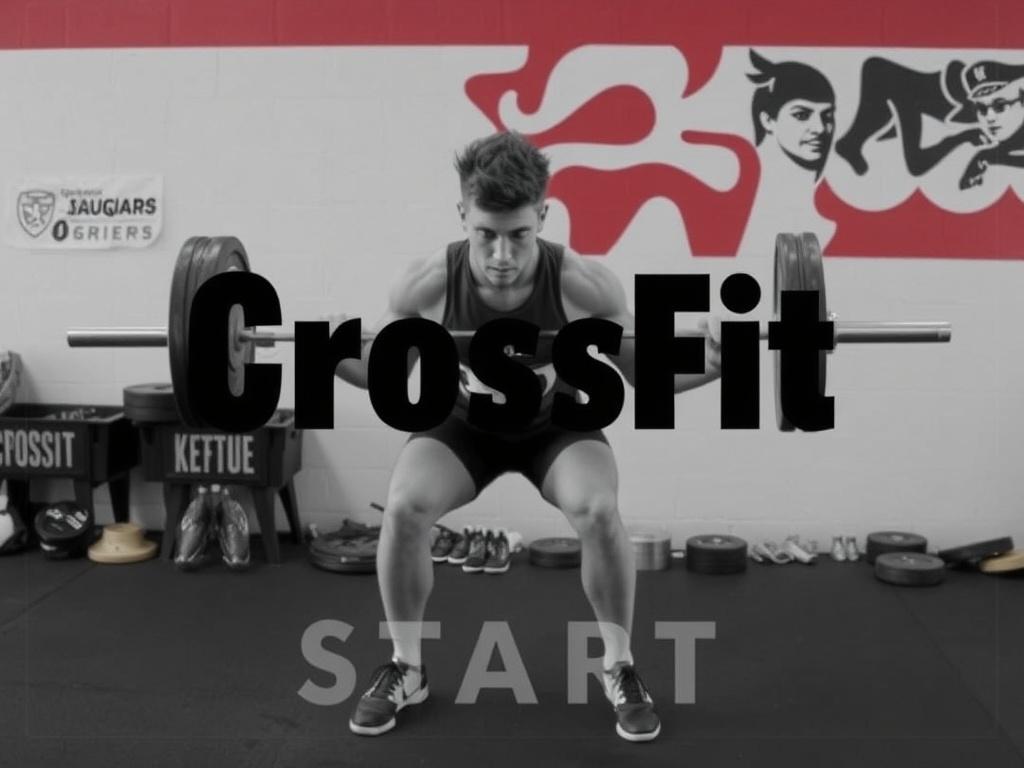
I once coached a group of absolute beginners—office workers with limited training history—through a 12-week on-ramp. The early weeks emphasized PVC pipe drills, slow kettlebell swings, and timed ring-row progressions.
By week six, participants doubled their kettlebell weight on swings, performed full-depth air squats with knees tracking correctly, and reported better posture and less back pain. The transformation came from consistency, not dramatic sessions.
One member, who had previously avoided gyms, said the class structure and predictable progress kept her returning. That small, steady improvement changed her relationship to exercise and built confidence beyond the gym.
common myths and misunderstandings
Myth: CrossFit will make beginners bulky overnight. Reality: meaningful size changes require time and higher caloric intake; novices typically see improved tone, strength, and endurance first.
Myth: CrossFit is inherently dangerous. Reality: any training can be risky without proper scaling and coaching. When applied thoughtfully, CrossFit is an effective way to improve fitness while minimizing risk.
Myth: You must be competitive to belong. Reality: many members train for health, stress relief, and community. Competition is optional and often reserved for those who choose it.
how to keep motivation high without burning out
Set small, specific, and measurable goals—attend three classes a week for a month, add 5 pounds to your squat over six weeks, or improve a WOD time by 10%. Small wins compound into bigger confidence.
Rotate focus between skill, strength, and conditioning to keep things fresh. Celebrate form improvements as much as numerical gains; technique milestones are signs of durable progress.
When motivation wanes, revisit why you started. If your goal was general health, remind yourself of daily benefits—better energy, improved sleep, and reduced stress—rather than chasing immediate aesthetic changes.
resources for continued learning
Look for reputable resources: coach-led workshops, certified CrossFit courses, and evidence-based books on strength and conditioning. Podcasts and articles can supplement coaching but should not replace hands-on feedback.
Many boxes offer seminars on Olympic lifting, gymnastic progressions, and mobility. These focused clinics accelerate skill acquisition more effectively than trying to learn complex movements in a crowded class.
Finally, use video analysis sparingly. Recording your lifts and reviewing them with a coach provides clear corrective cues and faster technical improvement than guessing what went wrong.
quick checklist before your first CrossFit class
Here’s a short checklist to help you arrive prepared and confident for your first session. These simple steps will let you focus on learning instead of logistics.
- Hydrate and eat a light snack 1–2 hours beforehand if needed.
- Wear stable shoes and comfortable clothing that allows movement.
- Bring a water bottle, towel, and a small notebook or phone to log notes.
- Tell the coach about any injuries or concerns before warm-ups begin.
- Plan to arrive 10–15 minutes early for introductions and setup.
Showing up prepared reduces stress and allows the coach to give you focused instruction from the start.
where to go next after the on-ramp
After a foundations course, transition to regular classes and keep refining technique while gradually adding load. Aim for at least three sessions a week and include one strength-focused day plus one skill-heavy session.
Set a 3-month objective that blends strength and conditioning goals—e.g., a 10–15% increase in your deadlift and a measurable improvement in a benchmark WOD time. These targets create purposeful training blocks.
Continue seeking coaching feedback and incorporate mobility work daily. Progress is rarely dramatic overnight, but methodical, well-coached training produces reliable gains and durable fitness.
Starting CrossFit is less about immediate intensity and more about building reliable habits: consistent attendance, intelligent scaling, attention to technique, and restful recovery. Move with curiosity, welcome correction, and let small, steady improvements compound. Over time you’ll find that what once seemed daunting becomes a routine you look forward to—stronger, more capable, and part of a community that celebrates progress at every level.