
If you’ve ever woken up the morning after a tough workout and felt like a rusty robot, you know the particular ache called крепатура — the familiar delayed soreness that arrives a day or two later. It’s common, often harmless, and frustrating when it gets in the way of daily life or your next training session.
This article unpacks why that ache appears, what actually helps (and what doesn’t), and practical steps you can take before, during, and after exercise to reduce pain and speed recovery. I’ll mix science with real-world tactics I’ve used with clients and on my own body, offering a toolbox you can use next time your muscles protest.
What is DOMS and how does it relate to крепатура?
DOMS stands for delayed-onset muscle soreness, the technical name for the stiffness and discomfort that typically starts 12–24 hours after unaccustomed or intense exercise and peaks around 24–72 hours. Russian speakers often call this крепатура; both words point to the same phenomenon: transient muscle pain following new or high-load activity.
DOMS is distinct from immediate exercise pain or acute injury. It’s usually diffuse, affects whole muscle groups rather than a single point, and comes with reduced force production and a temporary drop in range of motion. Importantly, DOMS is a normal response to mechanical stress: your muscles are adapting.
Symptoms and timeline
Soreness typically begins within the first day after a workout, gets worse over the next two days, and then gradually subsides over several days. Mobility may be reduced, and muscles can feel stiff, tender to touch, or weak for a short period.
If symptoms include sharp pain, severe swelling, dark urine, or inability to use the limb, those are not typical DOMS signs and require immediate medical attention. Rhabdomyolysis — a rare, severe muscle breakdown — is an extreme outlier and not the usual culprit behind post-workout soreness.
Why soreness happens: the physiology in plain terms
At the simplest level, DOMS comes from microscopic damage to muscle fibers and the surrounding connective tissue after unfamiliar or high-intensity loading, especially eccentric contractions where the muscle lengthens under tension. That damage triggers an inflammatory response and sensitizes pain receptors.
Inflammation brings increased blood flow, immune cell activity, and small fluid shifts into the tissue. These processes are part of adaptation — the repair phase where muscle fibers rebuild stronger or more resistant to future stress — but they also produce the discomfort you notice during daily movement.
The nervous system’s role
Pain is always a brain-driven experience. Nociceptors (pain receptors) in the muscle get activated by chemistry and mechanical stimuli after exercise, sending amplified signals to the spinal cord and brain. The result is heightened sensitivity and the subjective feeling of soreness.
Because the nervous system modulates pain, psychological factors like stress, sleep loss, and expectations can change how intense the soreness feels. Two people with similar tissue changes may report different levels of discomfort based on these influences.
Immediate steps to reduce pain right after a workout
How you finish a workout can influence how sore you’ll be later. It won’t eliminate DOMS, but thoughtful cool-downs and recovery steps help blunt the worst of it and promote better circulation for repair.
Start with a light active cool-down: five to ten minutes of low-intensity movement that keeps blood flowing without stressing fatigued muscle. Think easy cycling, brisk walking, or a gentle mobility circuit targeted to the trained areas.
-
Active recovery improves clearance of metabolic byproducts and prevents sudden drops in circulation.
-
Static stretching immediately after exercise can feel good, but it has limited effect on DOMS prevention; use it for mobility rather than as a cure-all.
-
Refuel within 30–60 minutes if you can: protein plus carbohydrates helps kick-start repair and glycogen replenishment.
Why cool-downs matter more than you think
A quick cool-down lowers heart rate gradually and helps move fluid around the muscles. That supports nutrient delivery and waste removal, which may reduce soreness indirectly by promoting recovery processes.
I’ve seen athletes who skip cooldowns consistently report harsher, more prolonged soreness than those who take ten minutes to flush their legs after intense sessions. It’s not dramatic, but it adds up across training cycles.
Interventions in the first 24–72 hours: what science supports
During the acute phase of DOMS, prioritize gentle movement, hydration, and nutrition. These are low-risk, evidence-backed strategies that help the body perform the repair work with minimal interference.
Active recovery — light aerobic work or low-load resistance training targeting different muscle groups — often provides measurable relief. Moving increases blood flow and stimulates mechanoreceptors that can dampen pain signals from affected muscles.
-
Moderate-intensity walking or cycling for 20–30 minutes can meaningfully reduce perceived soreness.
-
Foam rolling or self-massage reduces tightness and improves short-term discomfort, though benefits are typically modest and transient.
-
Contrast water therapy (alternating warm and cool baths) has some evidence for reducing perceived soreness, likely through vascular and neural effects.
Medications and topical treatments
Nonsteroidal anti-inflammatory drugs (NSAIDs) such as ibuprofen can relieve pain, but frequent use may blunt some aspects of adaptation by interfering with the inflammatory signaling necessary for muscle remodeling. Use them sparingly and in line with medical guidance.
Topical analgesics and creams can reduce local discomfort without systemic effects and are reasonable for short-term use. I often recommend them to clients who need to get through a busy day and don’t want to affect recovery processes with oral medication.
Nutrition and supplements that can help recovery
Proper nutrition is central to repairing muscle and reducing soreness. Protein intake, overall caloric adequacy, and timing all matter when you’re trying to bounce back quickly between sessions.
Aim for 20–40 grams of high-quality protein within an hour after training, and maintain adequate protein across the day to supply amino acids for muscle repair. Paired carbohydrates help replenish glycogen and support immune function in the early recovery window.
Supplements with evidence
Certain supplements show moderate evidence for reducing DOMS or accelerating recovery when used appropriately. These include omega-3 fatty acids, tart cherry juice, and, in some studies, curcumin. Results vary between individuals and depend on timing and dose.
Omega-3s have anti-inflammatory properties and may reduce muscle soreness when taken consistently. Tart cherry concentrate has antioxidants that appear to shorten recovery time after strenuous exercise in several trials. Curcumin can modulate inflammatory pathways but often requires a formulation that enhances absorption.
Supplements to approach cautiously
Antioxidant megadoses (vitamin C, vitamin E) can blunt training adaptations if used chronically in high amounts. The idea is simple: free radicals produced during exercise signal adaptations; overwhelming them could reduce long-term gains. Use antioxidants from whole foods more than pills unless a deficiency exists.
Creatine, while primarily positioned for strength and power benefits, can also help with recovery indirectly by improving training quality and reducing the relative stress of repeated sessions.
Physical therapies: what to try and when

Manual therapies such as massage, foam rolling, and percussion (massage guns) can reduce perceived soreness and improve short-term mobility. The effects are usually temporary but valuable if you need to perform or maintain range of motion for the next workout.
Professional massage after intense competition or a very tough session can be restorative; even light, short sessions provide relief. Foam rolling is an affordable, practical alternative for most people and fits easily into warm-ups or cooldowns.
Heat, cold, and contrast therapy
Cold exposure (ice baths) can reduce pain and inflammation acutely, and many athletes value the psychological boost. However, frequent cold use right after strength training may blunt hypertrophy responses if done chronically.
Heat improves tissue extensibility and comfort. Use heat for stiff, aching muscles when you need to regain mobility. Contrast therapy — alternating warm and cold — can help circulation and reduce soreness, though results vary by individual preference and tolerance.
Training strategies to prevent severe крепатура in the future
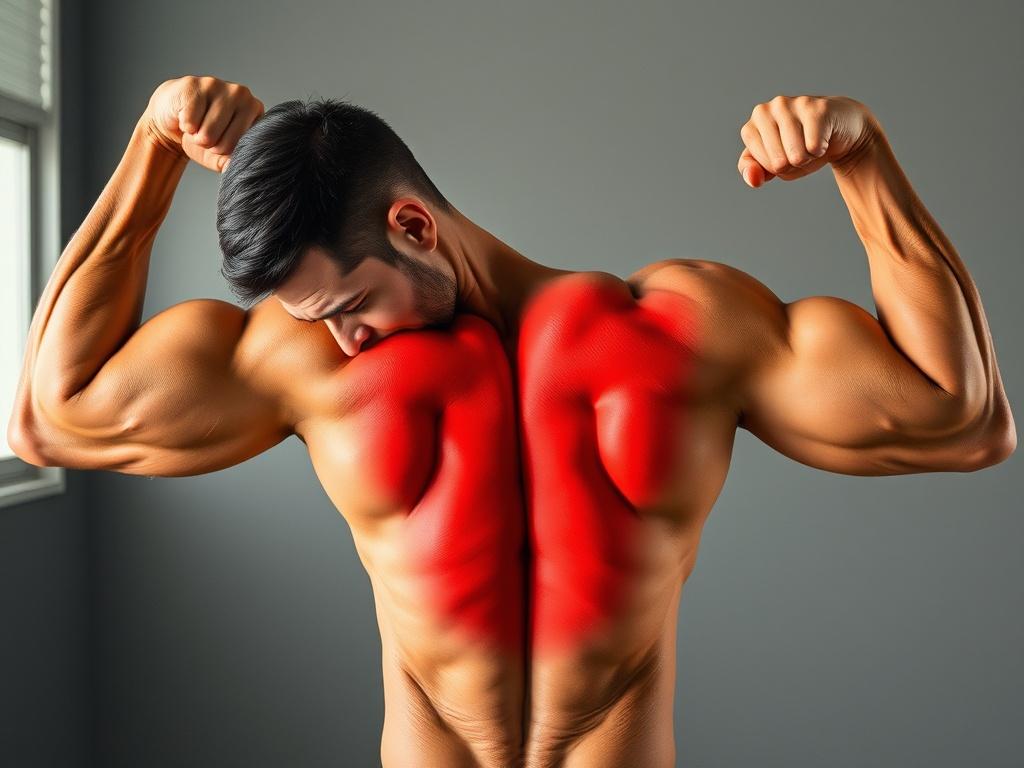
Prevention is the most practical approach. The body adapts to new stress, so progressive overload, sensible programming, and smart exercise selection limit unpleasant surprises.
Introduce new movements slowly: reduce volume and intensity for the first one to two weeks, then increase by roughly 10% per week. That simple rule helps most recreational lifters and athletes avoid extreme soreness and maintain consistent training.
Focus on eccentric control and tempo
Eccentric (lengthening) phases of exercises cause more microdamage and therefore more DOMS. When adding eccentric-heavy work, reduce reps or sets initially and build up tolerance. Controlled tempo and deliberate progression help muscles adapt without excessive downtime.
For example, if you’re starting eccentric-focused squats, do fewer reps at a slower tempo and add volume gradually. That way you maintain training frequency while letting tissues adapt sensibly.
Sample 6-week progression for a new exercise
| Week | Frequency | Intensity/Volume | Notes |
|---|---|---|---|
| 1 | 1–2 sessions | 30–40% typical load, low volume (2–3 sets × 6–8 reps) | Focus on technique and slow eccentric |
| 2 | 1–2 sessions | 40–50% load, moderate volume (3 sets × 6–8) | Increase confidence in movement |
| 3 | 2 sessions | 55–65% load, 3–4 sets × 6–8 | Start near-normal tempo |
| 4–5 | 2–3 sessions | Gradual increase to typical working loads | Monitor soreness; adjust volume if needed |
| 6 | 2–3 sessions | Full working sets at target intensity | Expect mild soreness; continue gradual progression |
When soreness crosses the line into injury

Knowing the difference between ordinary DOMS and a true acute injury is critical. DOMS is generalized, peaks after one to three days, and slowly resolves. Injuries often cause sharp, localized pain, swelling, sharp loss of strength, or mechanical symptoms like catching or instability.
If you experience sudden snapping sensations during exercise, a sharp focal pain, disproportionate swelling, or inability to bear weight, stop training and seek medical or physiotherapy evaluation. Err on the side of caution; delaying diagnosis can complicate recovery.
Red flags that require immediate attention
-
Severe, worsening pain not improved with rest or simple measures.
-
Dark, tea-colored urine or extreme weakness — possible rhabdomyolysis.
-
Loss of joint function, deformity, or inability to move a limb.
Practical, evidence-based routine to reduce post-workout pain
Here’s a practical routine that balances what science supports with usability. It’s flexible enough for runners, lifters, and recreational exercisers alike.
1) Cool down with 5–10 minutes of easy movement. 2) Refuel: 20–40 grams of protein and some carbs within 60 minutes. 3) Use light active recovery the next day if soreness is present. 4) Apply foam rolling or a short massage session for targeted relief. 5) Prioritize sleep and hydration to support repair.
Repeat this process consistently and you’ll notice less disruptive soreness over time. The body adapts, and consistent application of these tactics gives it the best environment to recover and improve.
Weekly recovery habits
On non-training days, incorporate active recovery such as brisk walking, swimming, or yoga. These activities maintain circulation and mobility without imposing heavy eccentric loads that could trigger more DOMS.
Also, track how different recovery strategies affect you personally. Keep a simple log noting soreness levels, sleep, and interventions that helped. Over weeks, patterns emerge and you can refine your approach.
Common myths about крепатура and why they persist
Myth: Lactic acid causes delayed soreness. Reality: Lactic acid clears from muscles within an hour or two after exercise and is not responsible for DOMS. The myth survives because immediate post-exercise burning sensations and later soreness are conflated.
Myth: Static stretching before exercise prevents DOMS. Reality: Stretching can improve short-term flexibility but has minimal impact on subsequent DOMS. A dynamic warm-up is more useful for performance and injury prevention.
Why some folk remedies still get repeated
Many remedies endure because they provide a placebo effect or short-term symptomatic relief, and people naturally repeat what worked once. If a hot bath or a foam-rolling session makes you feel better, that’s worthwhile even if the scientific mechanism isn’t crystal clear.
However, avoid practices that are costly, risky, or clearly ineffective when safe, simple alternatives exist. Prioritize consistent habits — good sleep, nutrition, and sensible programming — over a scramble of one-off fixes.
Real-life example: how I managed crippling DOMS after a training change
A few years ago I decided to add heavy eccentric-focused lunges into my program after months of mostly steady-state cardio. The first week I underestimated the load and spent two days climbing stairs like an older person. It was humbling and inconvenient.
I adopted a short plan: I cut the eccentric load back by 60 percent, did deliberate cooldown walks after sessions, had a 25-gram protein shake afterward, and used foam rolling twice a day for three days. The soreness still came, but it peaked lower and resolved faster. That practical, simple approach kept me in the gym without unnecessary fear of repeating the mistake.
Checklist: quick do’s and don’ts when you have крепатура
-
Do: move gently; short active sessions help.
-
Do: prioritize protein, sleep, and hydration.
-
Do: use foam rolling or massage for symptomatic relief.
-
Don’t: stop all movement—complete rest often prolongs stiffness.
-
Don’t: overuse NSAIDs chronically without medical advice.
-
Don’t: assume every soreness equals injury; observe the pattern and severity.
Practical adaptations for athletes and everyday exercisers
If you train multiple times a week, rotate muscle groups to allow recovery windows. For example, follow a lower-body heavy day with an upper-body or mobility-focused session. That scheduling reduces cumulative DOMS and preserves training frequency.
For recreational exercisers who prefer single daily activities, plan one lighter day or an active recovery session mid-week. This simple change prevents the deep soreness that knocks motivation out of people who love being active but hate the after-effects.
Designing a week to minimize downtime
Try this structure: Day 1 heavy strength lower body, Day 2 light aerobic or mobility, Day 3 heavy upper body, Day 4 active recovery (walking, yoga), Day 5 mixed conditioning, Days 6–7 easy or rest depending on how you feel. Adjust volume and intensity based on individual recovery.
Consistency beats sporadic extremes. Regular exposure to moderate stress produces adaptation with fewer dramatic reactions than occasional “all-out” sessions that invite severe DOMS and missed workouts.
Final practical notes and parting advice
DOMS — or крепатура — is an ordinary part of improving fitness. It signals adaptation but doesn’t have to derail your routine. With simple habits like active recovery, targeted nutrition, gradual progression, and sensible use of therapies, the ache becomes manageable rather than crippling.
Listen to your body without letting every twinge decide your training fate. Treat soreness as information: a cue to modify load, prioritize recovery, and refine your approach. Over time, you’ll train smarter and feel less disrupted by the predictable bumps that come with getting stronger.