

Кето-диета для похудения: меню и результаты — тема, которая привлекает внимание и вызывает вопросы у многих людей, готовых изменить привычный способ питания.
В этой статье я подробно разберу, как работает кетогенная диета, какие результаты можно ожидать, какие меню будут удобны в реальной жизни и как избежать распространённых ошибок.
Что такое кетогенная диета
The ketogenic diet is a high-fat, very low-carbohydrate eating plan that shifts the body’s primary energy source from glucose to ketones produced from fat.
By keeping daily carbohydrate intake typically below 20–50 grams, the body enters a metabolic state called ketosis where fat becomes the main fuel for organs and muscles.
This approach differs from general low-carb diets by emphasizing higher fat intake and maintaining a consistent state of ketosis, not just occasional carb restriction.
How ketosis works in the body
When you drastically reduce carbs, the liver converts fatty acids into ketone bodies — acetone, acetoacetate, and beta-hydroxybutyrate — which many tissues can use for energy.
Ketones cross the blood-brain barrier and supply the brain with energy when glucose is scarce, which explains why many people report mental clarity on keto.
At the same time, insulin levels fall, lipolysis increases, and the body becomes more efficient at mobilizing stored fat, which is the biochemical basis for weight loss on the diet.
Why people lose weight on keto
Weight loss on keto is driven by several mechanisms that work together: reduced appetite, lower insulin, increased fat oxidation, and often a spontaneous reduction in calorie intake.
High-fat and moderate-protein meals tend to be more satiating, so people often eat less without feeling deprived, which helps create a calorie deficit.
There is also a short-term loss of water weight as glycogen stores deplete, which can produce dramatic early scale changes and motivate continued effort.
Evidence and real-world results
Clinical trials show keto can produce equal or greater short-term weight loss compared with low-fat diets, especially in the first six months of adherence.
Longer-term data are mixed, partly because adherence declines over time and metabolic adaptations can slow weight loss; individual response varies widely.
Real-world case reports and patient experiences often highlight significant initial losses followed by periods of plateau, which is typical for most dietary approaches.
Common benefits beyond weight loss
Many people notice reduced hunger, fewer energy crashes, and improved blood sugar control, particularly those with prediabetes or type 2 diabetes under medical supervision.
Some athletes and exercisers report improved body composition and sustained energy for low-to-moderate intensity work after adaptation to keto.
Mood and cognitive effects are individual, but a subset of people describe clearer thinking and more stable moods once fully keto-adapted.
Potential risks and side effects
Common short-term effects include the “keto flu”: headache, fatigue, nausea, brain fog, and irritability as the body adapts to ketone use and changes in fluid balance.
Longer-term concerns for some people can include nutrient deficiencies, elevated LDL cholesterol, and complications when done without medical oversight, especially for those with preexisting conditions.
It’s crucial to monitor electrolytes, maintain adequate fiber and micronutrient intake, and consult a healthcare professional before starting keto if you have chronic illnesses or take medications.
Who should avoid or modify keto
People with pancreatitis, liver failure, certain metabolic disorders, or a history of disordered eating should generally avoid strict ketogenic diets unless under specialist supervision.
Pregnant and breastfeeding women need close medical guidance because nutritional needs shift during these life stages and ketosis may not be appropriate.
Those on glucose-lowering medications must work closely with a clinician to adjust dose and prevent hypoglycemia when carbs are reduced dramatically.
How to begin safely
Before starting, take baseline measurements: weight, body measurements, blood pressure, fasting glucose, lipid profile, and, if possible, a ketone reading for comparison.
Plan your first two weeks carefully — meal prep, shopping lists, and a clear carb limit (commonly 20–30 grams net carbs) help prevent confusion and unnecessary snacking.
Increase your salt intake slightly and prioritize hydration to reduce the intensity of initial side effects, and consider supplementing magnesium and potassium with guidance from a professional.
Macronutrient targets and tracking
A typical ketogenic ratio is roughly 70–75% of calories from fat, 20–25% from protein, and 5–10% from carbohydrates, but these percentages can be adjusted by goals and individual response.
Protein should be adequate to preserve lean mass: roughly 0.6–1.0 grams per pound of lean body mass, depending on activity level and age.
Tracking macros with an app during the first month helps you learn portion sizes and the carb content of common foods; after adaptation many people rely less on detailed logging.
What to eat: core food list
Choose whole, minimally processed foods: fatty fish, eggs, poultry, beef, pork, avocados, olives, high-fat dairy, nuts, seeds, and non-starchy vegetables.
Use healthy fats liberally: extra virgin olive oil, avocado oil, butter or ghee, and coconut oil for cooking — these will form the caloric backbone of meals.
Avoid starchy vegetables, grains, legumes, most fruits, and added sugars; these items quickly increase carb intake and can take you out of ketosis.
What to avoid and occasional exceptions

Highly processed low-fat convenience products marketed for weight loss often contain hidden carbs or artificial additives and are best avoided on a strict ketogenic plan.
Some people use small amounts of berries as an occasional treat since they are lower in carbs than most fruits, but portion control is essential.
Alcohol can interfere with ketosis and add empty calories; dry wines and certain spirits are lower-carb options but still require moderation.
Sample one-day menu
The following single-day example shows how macros and meals can be structured while staying under a typical 20–30 grams of net carbs per day.
Breakfast: scrambled eggs cooked in butter with spinach and feta. Lunch: grilled salmon over a bed of mixed greens with avocado and olive oil vinaigrette. Dinner: roasted chicken thighs with cauliflower mash and sautéed asparagus.
Snacks: a handful of macadamia nuts, celery sticks with cream cheese, or a small serving of full-fat Greek yogurt with a few raspberries if needed.
Sample one-week meal plan (table)
Below is a compact, practical one-week plan designed for convenience and variety while keeping net carbs low and fats satisfying.
| Day | Breakfast | Lunch | Dinner | Snack |
|---|---|---|---|---|
| Monday |
Omelet with mushrooms and cheddar |
Chicken Caesar salad (no croutons) |
Pork chops with sautéed Brussels sprouts |
Cheese slices and olives |
| Tuesday |
Greek yogurt with crushed walnuts and cinnamon |
Tuna salad with mayo and cucumber |
Beef stir-fry with broccoli in sesame oil |
Celery with almond butter |
| Wednesday |
Avocado and smoked salmon on low-carb crispbread |
Egg salad wrapped in lettuce |
Baked salmon with lemon butter and spinach |
Small handful of macadamia nuts |
| Thursday |
Frittata with bacon and kale |
Grilled chicken and avocado salad |
Zucchini noodles with creamy Alfredo and shrimp |
Pickles and cheddar cubes |
| Friday |
Bulletproof-style coffee and a boiled egg |
Bunless burger with lettuce, tomato, and avocado |
Roast beef with cauliflower gratin |
Greek yogurt dip with cucumber slices |
| Saturday |
Chia seed pudding made with coconut milk |
Leftover roast beef salad |
Chicken curry with coconut milk and spinach (no rice) |
Seaweed snacks and almonds |
| Sunday |
Scrambled eggs with smoked salmon and dill |
Avocado and bacon salad |
Lamb chops with roasted radishes |
Dark chocolate (85% or higher), small piece |
Meal prepping and time-saving tips
Batch-cook proteins like chicken thighs, ground beef, and hard-boiled eggs to speed up weekday meal assembly and reduce decision fatigue.
Keep pre-washed greens, shredded cheese, and chopped low-carb vegetables on hand for quick salads and stir-fries.
Invest in a kitchen scale and a set of containers for portion control; once you learn typical serving sizes, you’ll need the scale less often.
Snacks and emergency options
Good keto snacks are portable and high in fat: nuts (in moderation), string cheese, pork rinds, and individual nut butter packets work well.
In a pinch, sliced cucumber with cream cheese, a boiled egg, or a small portion of smoked salmon will stop hunger without breaking ketosis.
Always carry a small snack if you’re new to keto to prevent impulsive carb-rich choices when hunger hits unexpectedly.
Eating out and social situations
Most restaurants can accommodate keto-friendly requests: ask for salads without croutons, substitute starchy sides for extra vegetables, and choose dishes cooked in butter or oil.
At social events, focus on protein and veggies, bring a keto-friendly dish to share, and politely decline offerings that would derail your plan.
Have a strategy for alcohol: choose dry wine or a spirit with soda water and lime, and count the carbs in any mixers you use.
Exercise and ketosis
During initial adaptation, high-intensity workouts may feel harder as the body is learning to rely on fat; consider lowering intensity for a week or two.
Once adapted, many people can perform endurance activities well on keto, though maximal anaerobic performance may remain limited for some athletes.
Strength training combined with adequate protein helps preserve muscle mass during weight loss and supports better long-term body composition.
Tracking progress beyond the scale
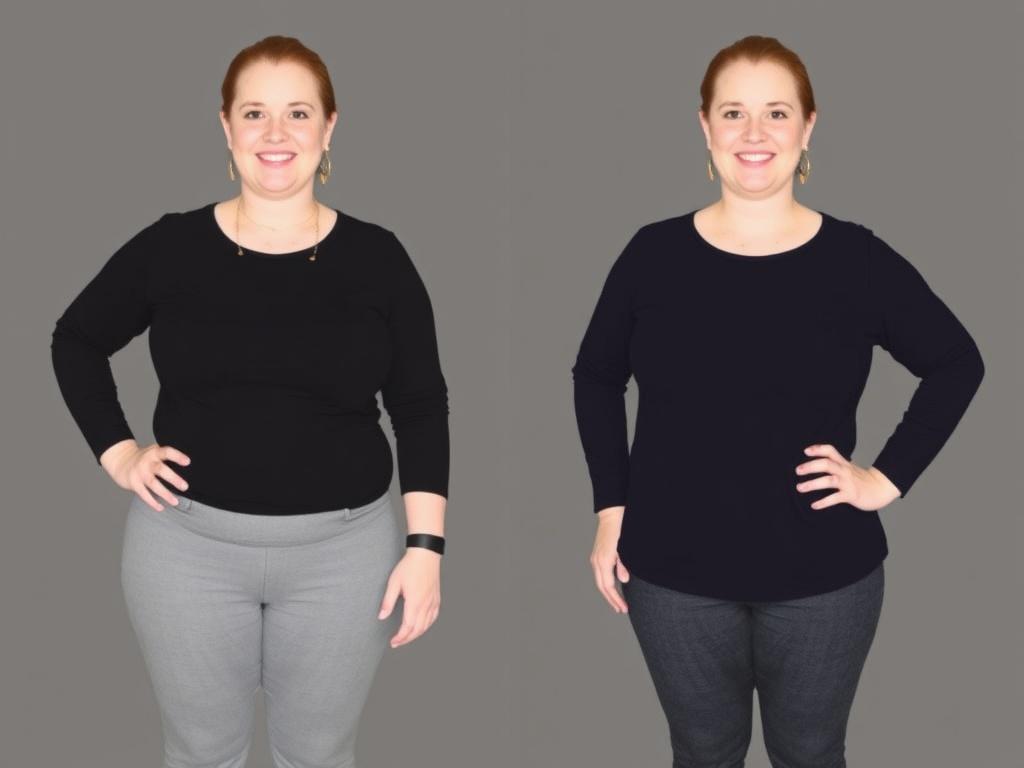
Use body measurements, progress photos, changes in clothing fit, and strength or endurance improvements as meaningful indicators of progress.
Regularly monitor blood pressure, fasting glucose, and lipid panels if you have relevant health concerns or are on medications that affect metabolism.
Ketone testing with blood meters or breath/urine strips can be motivating but is not strictly necessary for everyone once you understand how your body responds.
Plateaus and how to break them
Plateaus are normal: metabolic adaptations lower daily energy expenditure as you lose weight, making continued loss slower unless dietary changes are made.
Strategies include adjusting total calories slightly, increasing physical activity, cycling carbs strategically, or tightening portion control on high-fat foods.
Sometimes a temporary increase in protein or a scheduled refeed can help reset hormones and hunger signals, but these tactics should be individualized.
Variations of the ketogenic approach
Standard ketogenic diet (SKD) keeps a consistent very-low-carb intake, while cyclical keto (CKD) includes planned higher-carb days for athletes or those who prefer periodic carbs.
Targeted ketogenic diet (TKD) allows small carb intakes around workouts to support performance, and “lazy keto” focuses on carb limits without tracking fats precisely.
Choose a variation that fits your lifestyle and goals; flexibility improves long-term adherence and reduces unnecessary stress around food.
Micronutrient considerations
Because keto restricts certain food groups, you should prioritize micronutrient-dense foods and consider supplements for nutrients like magnesium, sodium, potassium, vitamin D, and omega-3s.
Leafy greens, nuts, seeds, and low-carb vegetables provide fiber and vitamins, while organ meats and fatty fish supply B vitamins and essential fatty acids.
Work with a practitioner to check bloodwork and tailor any supplementation to your personal needs rather than guessing at doses.
Fiber and digestive health on keto
Fiber intake can drop on keto if people avoid vegetables and nuts, which may lead to constipation or altered bowel habits.
Include non-starchy vegetables, chia seeds, flax, and psyllium husk to maintain healthy fiber intake and support a diverse gut microbiome.
If digestive issues persist, consider a short trial of prebiotic foods or a probiotic supplement under professional guidance.
Managing cholesterol and heart health
Keto can raise LDL cholesterol in some individuals and improve HDL and triglycerides in others; the overall cardiovascular effect depends on personal response and food choices.
Choosing unsaturated fats (olive oil, avocado, fatty fish) over excessive saturated fats can mitigate unfavorable lipid changes for many people.
Regular monitoring and communication with your healthcare provider are essential, especially if you have a history of heart disease or high cholesterol.
Long-term sustainability and maintenance
Sustainability is the most important factor for lasting weight loss; many people transition to a lower-carb, more flexible maintenance plan after reaching their goals.
Gradually reintroducing higher-carb foods while monitoring weight, energy, and blood markers helps determine a personalized balance that supports maintenance.
Learning to read body cues, plan meals, and keep favorite keto-friendly staples on hand makes long-term adherence more realistic and pleasant.
Common mistakes and how to avoid them
Avoid common pitfalls: overeating high-calorie keto foods, neglecting electrolytes, underestimating hidden carbs in sauces and packaged foods.
Always read labels, measure portions during the first month, and prioritize whole foods rather than relying on “keto” packaged snacks as a diet foundation.
If weight stalls, track intake transparently for a week rather than guessing at portions; honest data often uncovers simple fixes.
Personal experience and client stories
In my experience working with clients, the greatest successes came from simple, consistent routines: prepping a few go-to meals and keeping snacking intentional.
One client lost 35 pounds in eight months by combining a strict initial keto phase with resistance training and weekly meal prep sessions that removed decision stress.
Another person used cyclical keto to support training for a half marathon, allowing brief carb-ups around long runs that preserved performance without derailing fat loss.
How to adapt keto for busy lives and families
Make the plan family-friendly by serving a common protein and vegetable base while varying sauces or sides so others can have rice or potatoes if desired.
Prepare large batches of versatile foods — roasted chicken, meatballs, and keto-friendly sauces — that can be quickly composed into different meals.
Teach family members simple swaps, like cauliflower rice or zucchini ribbons, so you can eat together without extensive separate cooking.
Cost considerations and budget-friendly keto
Keto can be affordable when you focus on versatile, low-cost proteins like eggs, canned fish, whole chickens, ground beef, and seasonal vegetables.
Buying in bulk, using frozen vegetables, and choosing cheaper cuts of meat prepared in flavorful ways will keep costs down while maintaining dietary goals.
Budget-friendly fats like butter and vegetable oils are inexpensive compared with specialty keto products, which tend to be pricier and less necessary.
How to stop safely and transition off keto
If you decide keto is not for you, transition off gradually by reintroducing complex carbs such as sweet potatoes, whole grains, and fruit while monitoring your weight and energy.
Slow increases of 10–20 grams of carbs per week allow you to find a new balance that avoids rapid weight regain and preserves metabolic health.
Maintain the positive habits you developed, like cooking at home, prioritizing protein, and avoiding frequent sugary treats, to protect long-term results.
Final practical checklist before you start
Have a realistic plan: set a clear carb limit, prepare a simple shopping list, and identify three or four go-to recipes you enjoy and can repeat.
Schedule a baseline medical check and plan to reassess after 8–12 weeks; decide whether you’ll track ketones, macros, or simply monitor how you feel and how clothes fit.
Prepare mentally for adaptation symptoms and give yourself permission to adjust the approach — flexibility and persistence matter more than perfection.
Changing how you eat is a personal journey that combines science, patience, and real-life practicality.
Whether your goal is rapid initial weight loss or a long-term improvement in health, understanding the mechanisms, planning meals, and monitoring results will put you in control of the process.
Use the tools and tips here to build a sustainable approach that fits your life, and remember that small, consistent steps often lead to the most durable results.