Choosing the right bicycle for fitness can feel like a small research project with lots of jargon and tempting marketing claims. This guide breaks the decision into clear steps so you pick a bike that actually helps you meet goals instead of gathering dust in the garage.
Why cycling is an excellent fitness choice
Cycling builds aerobic capacity, strengthens the lower body, and is gentle on the joints compared with many high-impact sports. It also doubles as transportation, so workouts can be woven into daily life rather than carved out as a separate obligation.
For people trying to lose weight or improve heart health, consistent cycling sessions—whether outdoors or on a stationary trainer—deliver measurable improvements. The mental benefits are real too: fresh air, scenery, and the meditative rhythm of pedaling help reduce stress and improve mood.
Fitness bike categories: which type fits your goals?
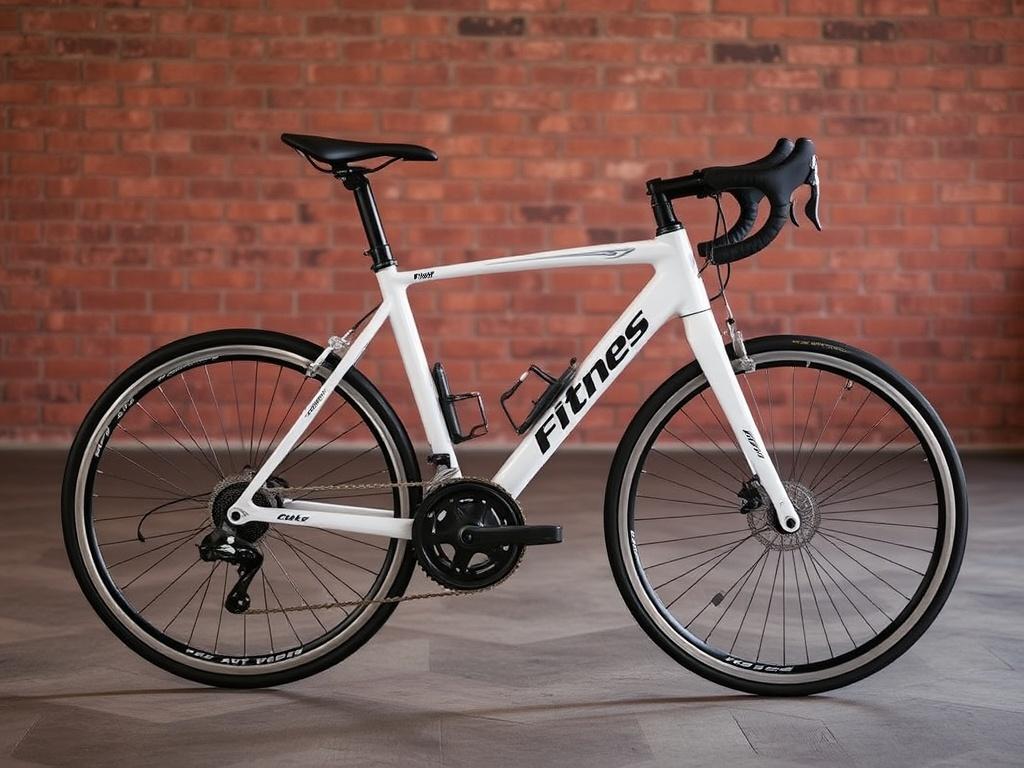
Not every bike is equally suited to fitness riding. Types range from road and hybrid bikes that favor efficiency to mountain bikes designed for rough trails, and indoor trainers that focus purely on controlled workouts.
Understanding the strengths of each category helps narrow the field quickly. Below is a concise comparison to orient your decision before we dive into specifics.
| Bike type | Best for | Pros | Cons |
|---|---|---|---|
| Road bike | Speed, long rides, calorie burn | Light, efficient, fast | Less comfortable on rough surfaces |
| Hybrid | Commuting, mixed surfaces, comfort | Upright position, versatile | Heavier than road bikes, slower |
| Gravel | Long rides across mixed terrain | Stable, comfortable, rugged | Can be pricier, heavier than road |
| Mountain | Off-road fitness, intervals, strength | Durable, trails, technical skills | Heavier, slower on pavement |
| Stationary/exercise | Indoor training, convenience, structured workouts | Controlled environment, low weather impact | Lacks outdoor experience, can feel monotonous |
Road bikes: efficient calorie burning
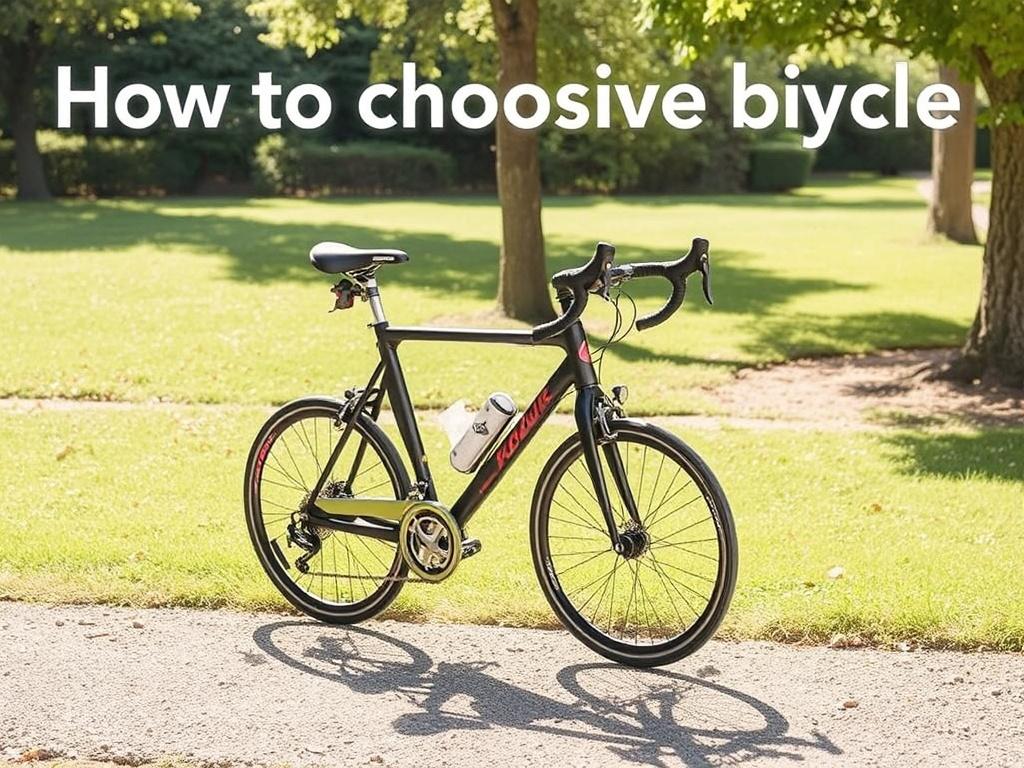
Road bikes excel when your priority is covering distance quickly and burning calories. Their geometry encourages a forward-leaning position that reduces wind resistance and maximizes power transfer.
If you plan to join group rides, enter organized events, or do structured interval training outdoors, a road bike is often the best pick. Expect narrower tires, drop handlebars, and a lighter frame that accelerates and climbs well.
Hybrid and commuter bikes: comfort meets practicality
Hybrid bikes blend features from road and mountain bikes, offering a comfortable upright posture and wider tires for stability. They are ideal for people who want a single bike for commuting, errands, and casual fitness rides.
Accessories like fenders, racks, and integrated lights make hybrids especially practical for everyday use. They trade a bit of speed for comfort and convenience, which often increases adherence to regular exercise.
Gravel bikes: adventurous fitness rides
Gravel bikes are versatile machines made for long hours in mixed conditions—paved roads, dirt, and gravel tracks. Their relaxed geometry and larger tire clearance can make long fitness rides less punishing on the body.
Choose a gravel bike if you value variety in terrain and want one bike that handles both fast road miles and rough backroads. They tend to give a stable, confidence-inspiring ride that helps you explore new routes.
Mountain bikes: strength, intervals, and technical skill
Mountain bikes are engineered for trails, but they also make excellent fitness tools if you want hill repeats, technical intervals, or strength-building rides. Hardtails are lighter and efficient; full-suspension models prioritize comfort and control.
Riding a mountain bike on gravel or pavement is less efficient, but the extra stability and upright position can be forgiving for beginners or those with back issues. If trail fitness appeals to you, match the bike’s build to the terrain you plan to ride.
Stationary bikes and smart trainers: indoor consistency
Indoor cycling options—spin bikes, upright trainers, and smart trainers paired with real bikes—offer consistent, measurable workouts that are weatherproof. Many smart trainers integrate with apps to structure workouts, track power, and simulate routes.
Indoor training makes it easy to do interval sessions, tempo work, and recovery days with precise control. The main drawbacks are the monotony and lack of outdoor stimuli, so choose accessories like a fan or TV to make sessions more pleasant.
Frame materials and what they mean for fitness rides
The frame material affects bike weight, ride comfort, durability, and price. Common materials include aluminum, steel, carbon fiber, and titanium—each with distinct trade-offs relevant to fitness riders.
Understanding these differences lets you prioritize what matters most: responsiveness, comfort, or long-term value.
Aluminum: the practical choice
Aluminum frames are stiff, affordable, and lightweight compared with steel. They transfer power efficiently, which helps with quick accelerations and responsive handling during training rides.
Aluminum can feel a bit harsh on very rough roads unless paired with compliant seatposts or wider tires. For most fitness cyclists, it represents the best balance of cost and performance.
Carbon fiber: performance with comfort
Carbon fiber can be engineered to blend stiffness with vibration damping, giving a fast yet comfortable ride. This makes it popular among performance-oriented fitness cyclists and serious enthusiasts.
High costs and greater susceptibility to damage from impacts are trade-offs to consider. If budget permits and you prioritize light weight and compliance, carbon is worth a look.
Steel and titanium: durability and ride quality
Steel frames offer a forgiving, smooth ride and are repairable in many regions. Titanium brings similar comfort but with exceptional durability and corrosion resistance, though at a higher price point.
Both materials are common in touring and long-distance bikes where comfort and longevity trump outright weight savings. They make sense if you expect to ride long hours and want a resilient frame.
Geometry and fit: the underused secret of comfort
Bicycle geometry dictates how the bike handles and how your body feels after an hour in the saddle. Two bikes with similar components can ride very differently due to small geometric changes.
Getting the fit right minimizes pain, improves efficiency, and makes it easier to stick with your training plan. Always prioritize fit over flashier components.
Frame size: how to choose
Manufacturers publish size charts based on height and inseam, but those are starting points rather than final answers. The ideal frame size depends on your torso and limb proportions as well as your riding goals.
Professional bike shops fit riders by measuring inseam, reach, and shoulder width, then adjusting stem length and saddle position. If possible, get a test ride and a professional fit for the best long-term comfort.
Saddle height and fore-aft position
Saddle height is critical to avoid knee strain and to get efficient pedal strokes. A common method places the heel on the pedal with the leg fully extended to set a baseline height, followed by fine-tuning on short rides.
Fore-aft saddle position affects your weight distribution and breathing. Small adjustments can resolve numbness, back pain, or inefficient power output, so make changes incrementally and test over multiple rides.
Handlebar reach and drop
Handlebar reach determines how stretched out you feel; the drop affects how low you can go for an aerodynamic position. Road bikes usually offer deeper drops and longer reach, which can be uncomfortable for beginners.
Start with a comfortable upright position and gradually lower the bars as flexibility and core strength improve. Replaceable stems and spacers make it easy to dial in the right setup over time.
Drivetrain, gearing, and efficiency for training
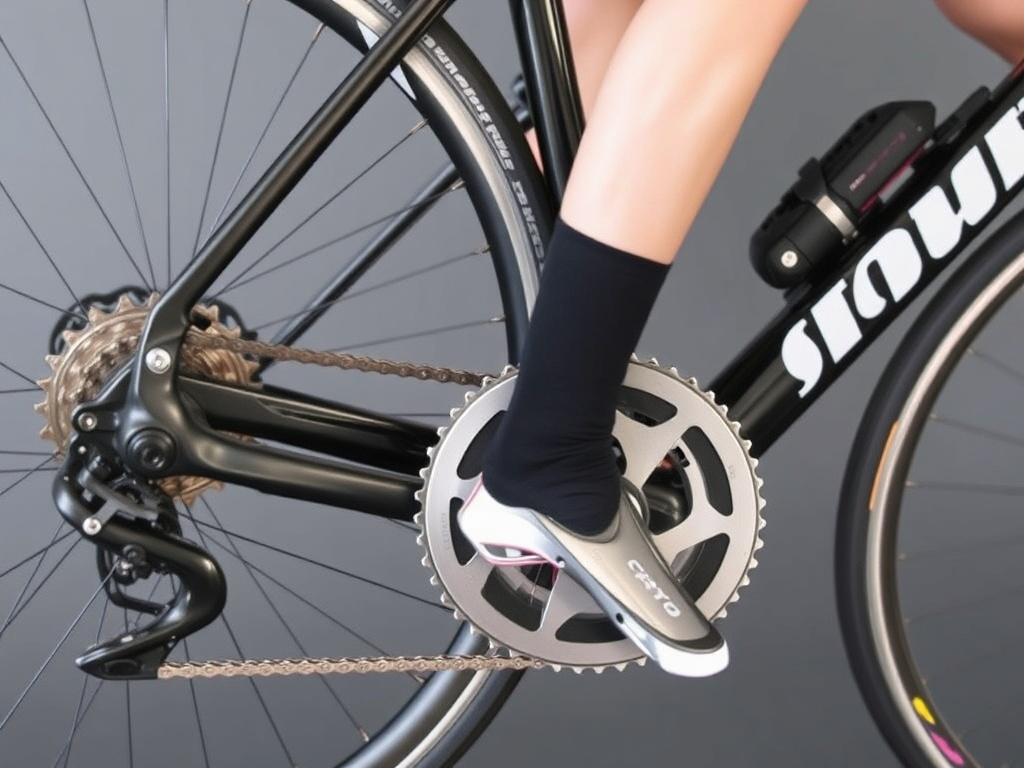
Gearing affects cadence, hill-climbing, and how you pace workouts. For fitness riders, choosing the right gear range prevents spinning out on flats and grinding on steep climbs.
Modern drivetrains offer wide gear ranges and smooth shifting; the goal is predictable, low-maintenance performance rather than the highest number of gears.
Single-chainring vs double-chainring setups
Single-chainring setups (1x) simplify shifting and reduce maintenance while still offering adequate gear range for many fitness riders. They are popular on gravel and mountain bikes for their simplicity.
Double-chainring systems (2x) provide closer gear steps and a wider overall range, which benefits road cyclists focused on cadence control. Choose based on terrain complexity and personal preference for shifting.
Integrated shifters and electronic options
Mechanical shifting remains reliable and cost-effective, while electronic shifting offers crisp, consistent shifts and programmable features. Electronic systems are increasingly common but add to the bike’s price and complexity.
For most fitness riders, a well-tuned mechanical drivetrain is plenty. If you value precise shifting and have a larger budget, electronic components can enhance the riding experience.
Brakes, tires, and contact points: safety and performance
Brakes and tires are the primary interfaces with the road; they influence safety, speed, and comfort more than many flashy parts. For fitness rides, consistent stopping power and reliable traction are vital.
Modern bikes increasingly standardize on disc brakes and wider tires—both trends driven by real-world performance improvements.
Disc vs rim brakes
Disc brakes deliver consistent stopping power in wet and dry conditions and allow better modulation for controlled descents. Hydraulic disc systems offer the best performance, though they cost more and require occasional servicing.
Rim brakes are lighter and easier to maintain in some hands, but they perform poorly in the wet and overheat on long descents. For everyday fitness riding, disc brakes are worth the investment if available.
Tire width and tread
Tire width affects comfort and rolling resistance. Wider tires (28–40 mm for road/gravel hybrids) run at lower pressures, cushion bumps, and often roll faster on rough surfaces than narrow, high-pressure tires.
Choose tread based on surfaces: smooth tires for pavement, light tread for mixed roads, and more aggressive tread for dirt or mud. Tubeless setups reduce flats and allow lower pressures for better traction and comfort.
Pedals and shoes
Flat pedals are great for casual riders and provide the ability to stop quickly and walk if needed. Clipless pedals and cycling shoes offer superior power transfer and efficiency but require practice and confidence to use reliably.
If you plan structured interval training, consider clipless pedals for better pedaling efficiency. Beginners may prefer flats or hybrid pedals with a toe strap for a transitional option.
Accessories that matter for fitness riders
The right accessories can turn a good bike into a tool for consistent training. Prioritize items that improve safety, comfort, and the ability to track progress.
Small investments—like a reliable helmet or an accurate cadence sensor—often deliver outsized benefits for fitness outcomes.
Helmet, lights, and visibility gear
A properly fitted helmet is non-negotiable for safe cycling. Choose one certified to current safety standards and replace it after any significant impact or every few years as materials age.
Lights and reflective clothing make you visible in low-light conditions and vastly improve safety. Mount a front white light and a rear red light, and consider flashing modes for day and night riding.
Heart rate and power measurement
Heart rate monitors are affordable and useful for pacing endurance rides and tracking improvements. Power meters provide the gold standard for measuring training load and guiding precise interval work.
Both tools help you quantify workouts and monitor progress; choose based on budget and how data-driven you want your training to be. Many riders start with heart rate and graduate to power as goals become specific.
Bike computer and smartphone apps
A bike computer provides essential ride data—speed, distance, cadence—and pairs with training apps for structured workouts and route planning. Smartphone apps can do much of this work but may be less convenient on the handlebars.
Consider a durable bike computer with GPS if you value detailed ride analysis and battery life. Linking your device to apps allows automatic workout uploads and progress tracking over time.
Budgeting and where to spend your money
Decide how much you want to spend and align purchases with priorities: frame and fit first, then components and accessories. You’ll get more performance from a good fit and tires than from top-line derailleurs alone.
Set a realistic budget that includes necessary accessories and a small maintenance fund for the first year. Bikes are long-term investments; small upgrades over time often make more sense than overspending up front.
New vs used bikes
New bikes give you warranty coverage and up-to-date specs, while used bikes can offer greater value if inspected carefully. Watch for frame damage, bent wheels, and unusually cheap pricing that may hide costly repairs.
If buying used, bring a knowledgeable friend or a shop mechanic to inspect the frame, drivetrain wear, and suspension condition. A modest service after purchase can extend the bike’s usable life dramatically.
Where to prioritize upgrades
Invest early in contact points: saddle, pedals, and handlebars. Comfortable shoes and a proper saddle can turn an awkward ride into an enjoyable one without replacing the entire bike.
Tires and wheels also produce noticeable gains; better rubber and lighter rims improve speed and comfort. Save power meters and electronic shifting for later if you’re on a tight budget.
Test ride checklist: what to evaluate
Always take a test ride before buying. A short spin will tell you more than specs on a page—how the bike fits, how responsive it feels, and whether any component creates discomfort.
Build a checklist for your ride to ensure you evaluate the important factors rather than focusing solely on aesthetics or brand names.
- Frame size and standover clearance
- Comfort in the saddle and hand positions
- Ease of shifting and braking
- Wheel stiffness and ride feedback
- Overall confidence at speed and when cornering
During the test ride, try accelerating, climbing, and braking to get a feel for how the bike responds to different efforts. Spend at least 15–30 minutes riding varied terrain if possible to evaluate long-ride comfort accurately.
Training with your new bike: making fitness progress
Once you have a bike that fits and feels good, structure becomes the next step. Effective fitness gains come from a balance of steady endurance rides, intervals, and recovery days.
Tracking progress with simple metrics—weekly mileage, consistent intervals, or reduced perceived exertion at set efforts—keeps motivation high and shows real results.
Types of rides for fitness
Endurance rides improve cardiovascular base and fat metabolism; aim for longer, steady efforts at a conversational pace. Tempo rides and threshold intervals push aerobic capacity and raise sustainable power.
High-intensity interval training (HIIT) sessions yield quick fitness boosts and efficient calorie burn, but require adequate recovery. Alternate hard days with easy days to avoid burnout and injury.
Progression and goal setting
Set specific, measurable goals—distance, time, or event—then structure weekly plans that build gradually. Increase volume by 10 percent per week at most to reduce injury risk while improving fitness.
Periodize your training into base, build, and peak phases if you’re targeting an event. For general fitness, aim for consistency: three to five quality sessions per week will move the needle for most people.
Maintenance basics to keep the bike working for years
Regular maintenance keeps the bike safe and running efficiently. Simple tasks like cleaning the drivetrain, checking tire pressure, and lubricating the chain protect components and improve ride quality.
Setting aside time each week for a quick inspection prevents small issues from becoming major repairs and saves money over the long term.
Weekly and monthly checks
Weekly: wipe down the bike after wet rides, inspect tires for embedded debris, and check brake function. Monthly: clean and degrease the chain, inspect cables or hoses, and ensure bolts are torqued to spec.
Keep a basic tool kit and learn to fix a flat and adjust brakes or derailleurs. These skills increase independence and reduce downtime between rides.
When to consult a mechanic
Complex issues—bearing wear, frame damage, or persistent shifting problems—are best handled by a trained mechanic. A professional tune-up once or twice a year keeps higher-mileage bikes in top condition.
If you notice unusual noises, significant play in the headset or bottom bracket, or repeated component failures, schedule a shop visit to diagnose and remedy the problem properly.
Safety, etiquette, and legal considerations
Riding safely keeps you on the road and makes cycling sustainable as a fitness habit. Follow local laws regarding helmet use, lights, and where cycling is allowed.
Courtesy toward pedestrians and other cyclists keeps routes pleasant and reduces conflict, which is especially important on shared paths and in urban areas.
Rules of the road and path etiquette
Obey traffic signals, signal your intentions, and yield to pedestrians on shared-use paths. Call out or ring a bell when passing and give people adequate space when overtaking.
Predictable behavior reduces the chance of collisions and improves the overall experience for everyone. Practice defensive riding and assume other road users might not see you.
Dealing with weather and seasonal changes
Plan for wet surfaces and reduced visibility with appropriate tires, fenders, and lights. Dress in layers and use breathable, weather-appropriate clothing to maintain comfort during varied conditions.
In winter, consider studded tires or indoor training options when roads become unsafe. Adjust training intensity and expectations according to daylight and weather constraints.
Personal experiences: how I found the right fitness bike
When I started cycling for fitness, I bought a lightweight aluminum road bike to chase speed and long rides, but quickly discovered back discomfort on longer days. After a professional fit and swapping to a slightly more upright stem, the bike transformed into a daily trainer I actually loved riding.
On another occasion, choosing a hybrid allowed me to commute, run errands, and do interval sets without switching bikes. That practicality proved crucial in keeping me consistent through a busy season of life.
Those experiences taught me to prioritize fit and comfort over headline specs. A bike that matches your daily life will be used far more than one bought solely for its brand pedigree.
Checklist to help you decide today
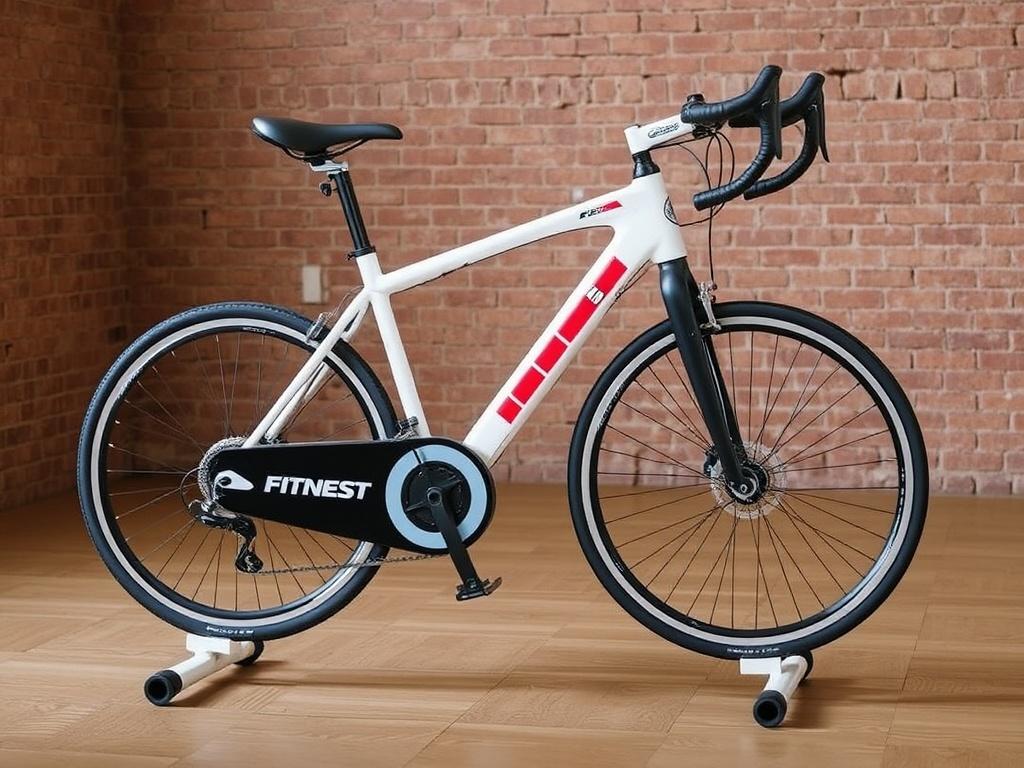
Use this concise checklist when comparing bikes in-store or online. It focuses on the essentials that determine whether a bike will support your fitness goals.
- Does the bike match your primary terrain and training goals?
- Is the frame size and geometry comfortable on a test ride?
- Are the brakes and tires suitable for your local conditions?
- Does the drivetrain offer a useful gear range for your routes?
- Can you afford necessary accessories and first-year maintenance?
Walk away if anything feels wrong during the test ride; small discomforts compound over hours on the bike. A clear-headed decision based on fit and function beats an impulse buy every time.
Where to go from here
Start by listing your goals: commute, lose weight, build endurance, or race. Use the goals to filter bike types, frames, and components before considering color or brand loyalty.
Visit reputable local shops for test rides and fitting; shop staff who take time to match you to the right bike are worth their weight in convenience. If buying online, know the return policy and be prepared for a professional fit after delivery.
Once you have a bike you enjoy, commit to a realistic training plan and small maintenance habits. The right ride combined with consistent effort will deliver measurable fitness gains and a lot of satisfaction along the way.