Choosing a sports bra feels like a small decision, until you’re halfway through a run, the straps are slipping, and you swear you’ll never exercise again unless something changes. This guide walks you through clear, practical steps so that next time you shop you’ll leave with a bra that supports, flatters, and makes movement feel easy. I’ll share measurement tips, construction details, real-world fitting tests, and a few brand suggestions based on years of trial and error.
Why the right sports bra matters
Support isn’t just about comfort; it affects posture, muscle strain, and even long-term tissue health. A poorly fitting sports bra lets the breasts move excessively, which can cause pain and skin irritation and discourage regular activity.
Different activities produce different forces. A gentle yoga class needs far less restraint than interval sprints. Matching support to activity keeps you comfortable and reduces the risk of chafing and bounce-related soreness.
Start with impact level: match the bra to your activity
Before you even measure, think about what you’ll wear the bra for. Categorizing your activities into low, medium, and high impact helps narrow the field and prevents over- or under-supporting your body.
Choosing a bra designed for the right impact level is the easiest way to avoid regrets. A heavy-duty running bra can feel restrictive for pilates, while a light-support bralette won’t protect you during a long run.
Impact levels and recommended features
Here’s a simple table that ties activities to the kind of support to look for when shopping.
| Impact level | Typical activities | Recommended bra type | Key features |
|---|---|---|---|
| Low | Yoga, pilates, walking | Light-support | Soft cups, minimal compression, thin straps |
| Medium | Hiking, cycling, strength training | Medium-support or encap-combo | Moderate compression, adjustable straps, good band |
| High | Running, HIIT, aerobics | High-support (encapsulation or strong compression) | Wide band, structured cups or molded design, reinforced straps |
How to measure for the right size
Many women assume their everyday bra size translates directly to a sports bra, but brands and designs vary. Measuring yourself gives you a starting point, and trying multiple sizes from that range is essential.
You’ll need a soft measuring tape and a mirror. If you don’t have tape, use a piece of string and measure it against a ruler, but a flexible tape gives the most accurate results.
Step-by-step measuring guide
Measure the band (underbust). Stand relaxed and wrap the tape snugly around your ribcage, directly under the breasts. Breathe normally; the tape should feel firm but not dig into skin.
Measure the bust (overbust). With a relaxed posture, wrap the tape around the fullest part of your breasts, keeping it level and parallel to the floor. Don’t push the breasts together—measure them as they naturally sit.
Calculate your cup and band. Many sports-bra sizing systems use a combination of band number and cup letter similar to everyday bras; others use sizes like S, M, L or numeric systems (e.g., 30–40) tied to band and cup. Use the brand’s sizing chart and, when in doubt, pick the band size that fits snugly and a cup that fully contains tissue without overflow or gaping.
Common measuring pitfalls
Holding the tape too loose or too tight skews results. If the tape sits crookedly or you slouch, the numbers won’t reflect your natural shape. Measure while standing tall and relaxed for the best baseline.
Also measure in both standing and slightly active positions where possible; breasts shift when you move. If a store allows, try doing a few test movements in the fitting room to ensure measurements match real-world motion.
Understand the anatomy of a sports bra
Knowing the parts of a sports bra helps you evaluate whether a style will perform. Key components—band, cups, straps, and closure—each play distinct roles in support and comfort.
Materials and seams can be a dealmaker or breaker. Compression fabrics, molded cups, and seam placement all affect how a bra feels during activity and how it looks under clothing.
The band: your primary support
The band does most of the supporting work. It should feel firm and sit level across your back without riding up. If the band shifts easily, the bra will fail at keeping bounce under control.
When trying on, fasten the bra on the loosest hook. That way you can tighten it as the elastic ages and still maintain a proper fit. A band that needs the tightest hook immediately will quickly become too loose.
Straps and their role
Straps help stabilize, but they shouldn’t carry the bulk of the weight. Wider straps distribute pressure and are more comfortable for larger busts. Adjustable straps let you fine-tune the lift and prevent chafing.
Racerback and cross-back straps improve stability for many activities, but they must be comfortable under your shoulder blades. If straps dig in, try a different width or padding option.
Cups: compression vs. encapsulation
Compression cups press breasts against the chest to limit movement; encapsulation cups have separate molded cups that support each breast independently. Some bras combine both methods for maximum control.
Compression works well for smaller-to-medium busts and for activities with short, sharp movements. Encapsulation is often superior for larger busts and for extended high-impact sessions.
Closures, seams, and hardware
Back closures offer adjustability; pullover styles prioritize a sleek fit but can be harder to remove after intense activity. Zippers and front hooks provide convenience but must be well-padded to avoid abrasion.
Flat seams, bonded edges, and minimal hardware reduce rubbing and skin irritation. Check seam placement—seams over sensitive areas can cause hot spots during longer workouts.
Types of sports bras and when to choose them
There’s no single “best” sports bra—only the best one for a given body and activity. Understanding the common types helps you shop strategically instead of getting swayed by color or a familiar logo.
Compression bras
Compression bras flatten the breast to the chest wall and are typically pullover styles. They’re simple and often affordable, making them a good starting point.
They work well for low-to-medium impact and for smaller busts. If you’re between sizes or need a smoother silhouette under tight tops, compression can be ideal.
Encapsulation bras
Encapsulation bras have distinct cups, like everyday bras, and offer tailored support for each breast. They reduce shear forces and often look and feel closer to a regular bra while still being functional for exercise.
For running, intense intervals, or larger cup sizes, encapsulation tends to outperform plain compression in comfort and reduced bounce.
Combination (encap-compression) bras
These blend both approaches: an encapsulation shell reinforced with compression layers. They’re popular in high-performance styles because they control motion well without feeling overly flattened.
Expect slightly higher prices, but many active women find the comfort and stability worth the cost, especially for long-distance training or competitive sports.
Front-zip and racerback styles
Front-zip bras are convenient and often engineered for high support, with the zip backed by a placket to prevent pinching. Racerbacks offer better shoulder stability and are a favorite for many athletes.
Choose these styles for specific fit or convenience preferences, but always test the zip and racerback movement before committing.
Materials and performance fabrics
Fabric choice affects moisture management, temperature control, and stretch recovery. Look for blends that wick moisture, dry quickly, and resist sagging.
Polyester and nylon blends with elastane (spandex) are common. Natural fibers like cotton can feel soft but trap sweat and often lead to chafing during long workouts.
Moisture-wicking and breathability
Wicking fabrics draw sweat away from the skin and disperse it across the fabric surface to evaporate faster. Mesh panels in key zones enhance airflow where you need it most.
For hot-weather training or long sessions, prioritize breathability and ventilation. For cooler climates, layered systems with breathable insulation can be useful.
Compression, stretch, and recovery
Good sports bras maintain their shape after multiple wears and washes. Look for high elastane content for stretch and recovery, and avoid cheap blends that sag quickly.
If a bra feels loose after only a few uses, its compression will no longer control movement. Spending a little more on durable materials pays off in the long run.
Fit testing: how a sports bra should feel
Fit is more than numbers; it’s how a bra behaves during movement. Use a checklist when trying on: band snugness, cup containment, strap comfort, no excess movement, and breathable comfort.
A properly fitting sports bra should feel supportive and secure without constricting your breathing or causing pins-and-needles sensations in your shoulders or neck.
A simple fitting routine to try
Stand in front of a mirror and jump in place for 10–15 seconds. Run on the spot, raise your arms, and bend forward. Feel for excessive bounce, slipping straps, or band migration.
If you feel discomfort or the breasts move independently from the ribcage, try a different size or a more supportive style. Real activity simulation is the only reliable test.
Special considerations for different bodies and needs
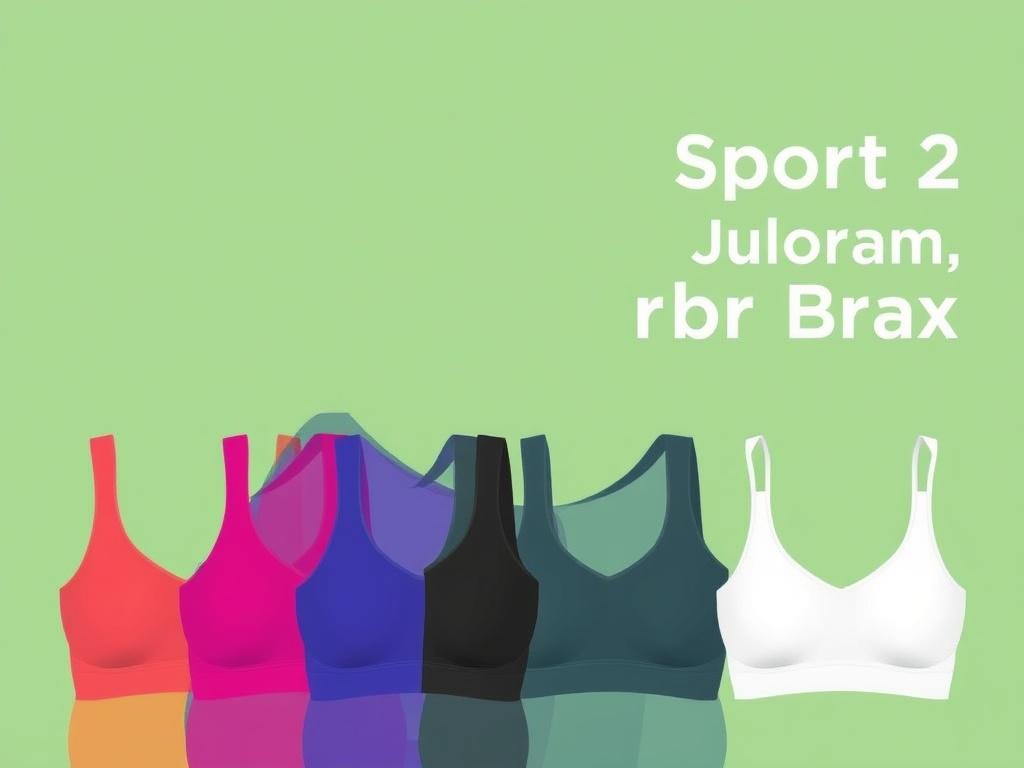
Different breasts, body types, and life stages require variations in design. What works for one person may be unsuitable for another, so adjust your priorities based on your specific needs.
Addressing these special cases upfront saves time and prevents multiple returns or frustrated exchanges.
Large-breasted athletes
Women with larger busts often need stronger encapsulation or combination bras with wider bands and straps. Look for bras labeled high-impact and check reinforcement at the center front to reduce shear.
Underwire in sports bras is a personal choice. A well-designed underwire can add necessary structure without chafing, but poorly placed wires can be painful during high movement.
Smaller-busted individuals
Smaller chests may prefer light- to medium-support styles that prioritize comfort and shape over aggressive compression. A snug band and adjustable straps can suffice for most activities.
If you prefer shape under clothing, look for molded cups or removable pads rather than heavy compression that flattens the silhouette.
Pregnancy, breastfeeding, and post-surgery
Pregnancy and breastfeeding change the breast dramatically. Nursing bras with easy-access clasps and stretchy cups are extremely helpful, and many nursing sports bras combine easy access with moderate support.
Post-surgery (e.g., reconstruction or reduction) requires special attention: follow medical advice about compression levels and choose soft fabrics, no underwire unless approved, and adjustable bands for swelling management.
Heat, sweat, and sensitive skin
For hot climates or heavy sweaters, pick moisture-wicking fabrics and lighter colors that reflect heat. Seamless construction or flatlock seams reduce chafing for sensitive skin.
Test the bra on a long workout if possible; a short fitting session can’t predict irritation that appears after extended wear or with salt from sweat.
Practical shopping tips
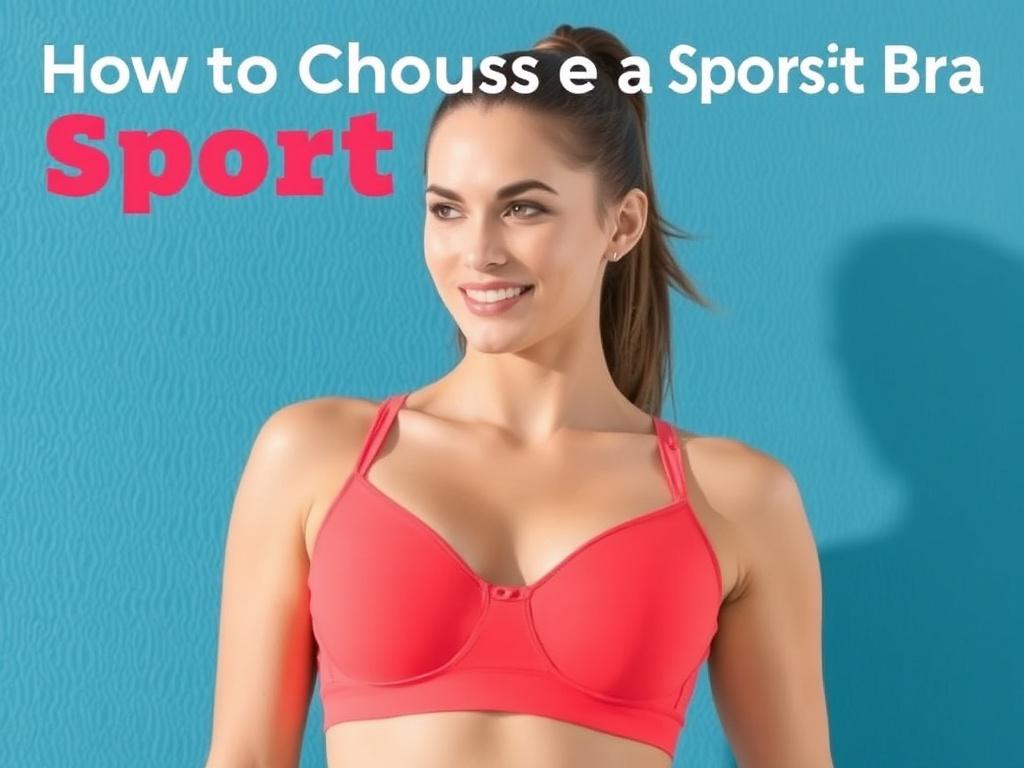
Shopping with your typical workout clothes and timing—after a workout or in the afternoon when the body is slightly expanded—yields more realistic results. Avoid shopping first thing in the morning when measurements can be smaller.
Bring a range of sizes into the fitting room. Different brands and models fit differently; what’s labeled your size may not be the best fit in every style.
Try-on strategy
Start by fastening the band on the loosest hook and adjust straps after you’re in. Move around in the bra: jump, jog, bend, and twist. If the bra fails any of these basic tests, try the next size or different style.
Wear a top you’d normally exercise in to gauge how the bra looks under clothes. A supportive bra that bulges or shows awkwardly under your favorite shirt may not be the one you reach for on training days.
When to size up or down
If the band rides up, the bra is too big in the band; go down one size. If the cups spill over, try a larger cup size or a different cut. If straps cut into your shoulders, move to wider straps or a style with more distribution across the back.
Remember that some designers run tight and others loose. Trust fit and function over the labeled sizing.
Care, maintenance, and extending the life of your sports bras
How you wash and care for sports bras influences how long they keep their shape and compression. Proper care protects your investment and keeps support consistent.
Hand wash or use a gentle machine cycle in a mesh bag with mild detergent. Avoid fabric softeners; they coat fibers and reduce moisture-wicking capability.
Drying and storage
Air dry flat or hang by the band—never in direct sunlight for long periods, which can degrade elastic. Heat from dryers breaks down elastane and shortens a bra’s functional lifespan.
Rotate several bras through your workout week. Daily washing and constant wear accelerates wear; giving elastics time to recover between uses maintains fit longer.
Budgeting: how much should you spend?
Sports bras range from affordable basics to premium technical options. Price often reflects materials, engineering, and durability, but the most expensive bra isn’t always right for you.
If you train frequently and at high impact, investing in higher-quality bras pays off over time by reducing discomfort and replacing cheap bras less often.
Where to splurge and where to save
Splurge on the structural elements: band quality, durable straps, and well-designed cups. Save on styles you’ll rarely wear or on seasonal colors that might go out of fashion.
Sign up for retailer newsletters and watch for sales if a particular high-performance model fits you well. Re-buying the same fit during a sale keeps consistency without overspending.
Brand suggestions and personal experiences
I’ve personally tried upwards of twenty different sports bras across brands. My running staple for years has been a combination-style bra with a wide band and adjustable straps; it reduced bounce and prevented shoulder soreness on long runs.
For yoga and low-impact days, I prefer a softer, wire-free bralette that still offers a snug band. The contrast between a snug, hard-working bra for runs and a softer option for recovery days made my workout wardrobe much more functional.
Brands to consider
Reliable options include mainstream athletic brands and specialty lingerie companies that engineer specific silhouettes and sizes. Try both categories; you might prefer the fit from a smaller brand that focuses on encapsulation for your cup size.
Read reviews from women with similar body types and activity levels. User experiences often reveal whether a bra runs true to size, how it behaves after months of use, and what activities it suits best.
Common mistakes to avoid
Ignoring the band is the most frequent error. Many women rely on straps for support, which leads to shoulder pain and ineffective containment. Prioritize band fit first and straps second.
Another mistake is keeping a bra until it fails completely. Replace sports bras every 6–18 months depending on frequency of use and care. If the band stretches, it’s time for a new one.
Overlooking personal comfort preferences
Don’t fall for trends alone. A fashion-forward racerback might look great, but if it restricts shoulder movement for your sport, it won’t be practical. Evaluate look and function together.
Also avoid avoiding adjustments. Use the adjustable straps and hooks to tune the bra. What feels fine at first may need small tweaks for longer workouts.
Step-by-step shopping checklist
Here’s a concise list you can print or keep on your phone to use during shopping trips.
- Measure band and bust; note numbers and compare to brand charts.
- Choose the impact level for your primary activity.
- Pick 2–3 likely sizes or styles to try on.
- Fasten on the loosest hook; adjust straps only after band fit is set.
- Perform movement tests: jump, jog, bend, and lift arms.
- Check for gaping, spillage, digging straps, or band migration.
- Consider fabric, seam placement, and ventilation needs.
- Repeat with another style if any issue appears.
- Purchase two bras if you exercise frequently—one to wear, one to wash.
Final practical tips and parting thoughts
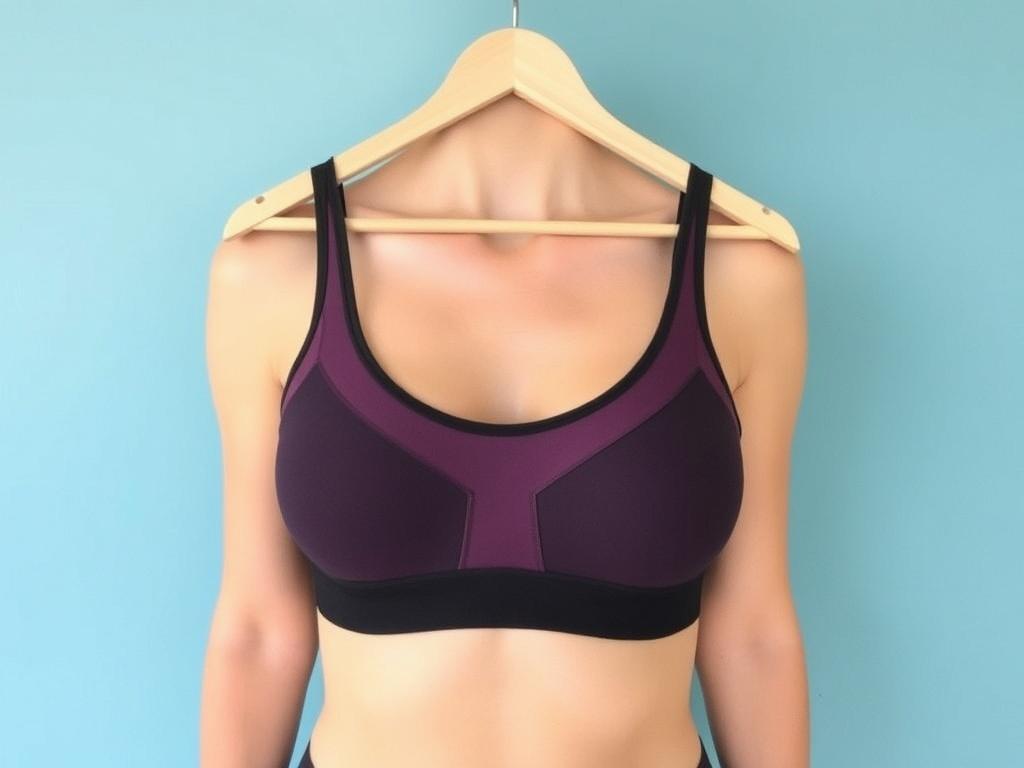
When you shop, prioritize a bra that makes moving feel effortless. Support should be noticeable but not oppressive; the goal is to focus on your workout, not your chest. Over time you’ll learn which cuts and brands match your body best.
Keep a small rotation of bras for differing intensities and activities, care for them carefully, and replace them before support degrades. When you get it right, a sports bra becomes less of an afterthought and more like reliable gear—one that keeps you comfortable and confident through every workout.