

Choosing the right mass gainer can feel like navigating a maze of labels, flavors, and promises. This guide strips away the marketing and gives you clear, practical criteria to make an informed decision. Whether you’re an ectomorph chasing your first 10 pounds or a seasoned lifter trying to break a plateau, you’ll find actionable advice here.
What is a mass gainer and who should use one?
A mass gainer is a high-calorie protein supplement designed to help people consume more calories and protein without eating large volumes of whole food. Most gainers combine carbohydrates, protein, and often fats to deliver 300–1,200 calories per serving, filling the gap when it’s hard to eat enough. They’re intended for people who struggle to gain weight despite a consistent training and eating plan.
Not everyone needs a gainer: if you can comfortably achieve a calorie surplus from whole foods, supplements are optional. Use a gainer if you consistently fail to add calories, have a fast metabolism, or want a convenient post-workout or between-meal option. Consider medical conditions and consult your clinician if you have metabolic disorders.
Why pick a gainer over whole foods?
Convenience is the obvious advantage: a shake is quick, portable, and digestible, allowing you to add hundreds of calories with minimal prep. For some people, drinking calories is easier on the stomach than eating large quantities of food, especially after a heavy training session. A well-formulated gainer can also deliver targeted ratios of carbs and protein for recovery and muscle growth.
However, whole foods bring fiber, variety of micronutrients, and satiety that many gainers lack. Treat a gainer as a tool in your toolbox—use it to supplement a strong foundation of whole foods, not replace that foundation. Think of it as strategic fuel, not a grocery list substitute.
Key ingredients and what they mean
Understanding a gainer’s ingredients helps you separate useful formulations from cheap calorie bombs. Look at the macronutrient breakdown per serving, types of carbohydrates and proteins, added sugars, and any extras like creatine or digestive enzymes. Each of these choices affects how the shake tastes, digests, and supports training.
Below are the critical components with what to watch for when scanning labels. These sections will help you decode those dense nutrition panels and choose a product that aligns with your physiology and goals.
Carbohydrates: quality, type, and glycemic response
Carbohydrates in gainers are the main calorie driver. Common sources include maltodextrin, dextrose, oat flour, and waxy maize; maltodextrin and dextrose are fast-digesting and spike blood glucose, while oats provide slower-release carbs and fiber. If you want a quick post-workout refuel, a fast carb source isn’t a bad choice; if you’re drinking a gainer between meals or before bed, slower carbs and added fiber may be gentler.
Watch the sugar content. Many cheap gainers rely on simple sugars to inflate calorie counts, which can lead to fat gain and energy crashes if used improperly. Aim for a balance that matches your training times and personal tolerance for sweets and GI sensitivity.
Proteins: amount, quality, and timing
Protein quality matters because amino acids—especially leucine—signal muscle protein synthesis. Most quality gainers include whey protein concentrate or isolate, sometimes blended with casein or egg protein for slower-release profiles. Check protein grams per serving and the source; 20–40 grams of high-quality protein per serving is common in good products.
If you’re relying on a gainer for both calories and post-workout protein, choose one with fast-absorbing whey or a blend that includes isolate to maximize recovery. For nighttime shakes, a mix with casein can provide a slower amino acid release while you sleep.
Fats and fiber: why moderate amounts help
Fats add calories and help with hormone health and satiety, but too much fat slows gastric emptying and can blunt a post-workout insulin spike. Good gainers include small amounts of healthy fats—MCTs, flax, or sunflower—primarily to round out the macronutrient profile. Fiber improves digestion and slows carb absorption, but excessive fiber can bulk up the shake or cause GI distress in sensitive individuals.
Look for a gainer that has moderate fat (5–15 grams per serving) and a reasonable fiber amount (3–7 grams) depending on your tolerance and goals. The right balance makes the shake versatile for different times of day.
Micronutrients and extras: not all additives are equal
Some gainers add vitamins, minerals, creatine, digestive enzymes, probiotics, or amino acids. These extras can be useful but aren’t a substitute for a balanced diet. Creatine at 3–5 grams per serving is a practical inclusion for strength athletes, while digestive enzymes and probiotics help reduce bloating in those sensitive to lactose or high volumes of carbs.
Avoid products that list proprietary blends without breakdowns; transparency matters. If a product includes micronutrients, they should be at meaningful doses rather than token amounts that don’t contribute to health or performance.
Types of gainers and how they differ
Not all gainers are made alike. You’ll find high-calorie mass gainers, light or lean gainers, and custom powder blends designed for different body types and goals. Picking the right category reduces guesswork and shortens the road to progress.
Below is a compact comparison table highlighting the main types and who they suit best. Use it to narrow down which direction to explore further.
| Type | Typical calories/serving | Best for |
|---|---|---|
| High-calorie mass gainer | 600–1,200 kcal | Hard gainers, those needing rapid weight gain |
| Moderate/lean gainer | 300–600 kcal | Controlled bulk, avoid excessive fat gain |
| Custom/homemade blends | Variable | Those who prefer whole foods and control ingredients |
How to choose a gainer based on your body type and goals
Your physiology and goals should dictate your selection, not fancy marketing. An ectomorph with a fast metabolism needs more calories and likely tolerates higher-carb, higher-calorie gainers. A person prone to storing fat should favor moderate calorie, higher-protein formulas, and pair the gainer with a carefully managed diet.
Consider your training volume and intensity. Heavy lifters doing multiple sessions per week will benefit from richer recovery shakes, while someone in a calorie-controlled bulk may want a lean gainer or smaller servings. Stop guessing and calculate a calorie target first; the gainer should fit into that target, not dictate it.
Calculating how many calories you need
Start with a baseline: estimate your maintenance calories using a reputable TDEE calculator, then add 250–500 calories per day for a moderate bulk. Track weight changes for two weeks and adjust if the scale moves too quickly or not at all. A gainer should provide a portion of your surplus, not the full surplus every day unless you specifically plan it that way.
For example, if your maintenance is 2,500 kcal and you aim for a 300 kcal surplus, a 400 kcal gainer after training could be useful on workout days while you eat slightly less on rest days. Personalization keeps gains leaner and progress more sustainable.
Reading labels: what to prioritize
Labels can be confusing. Prioritize calories per serving, grams of protein, carbs, and fats, and the sugar content. Also check ingredient order—ingredients are listed by weight, so the first few ingredients represent the bulk of the product.
A red flag is a product that promises 1,000 calories but lists a tiny serving size; manufacturers sometimes encourage using multiple scoops without being clear. Be realistic—compare calories per 100 grams or per scoop against other products to see what you’re actually getting.
Protein quality and amino acid profile
Check for whey concentrate, isolate, hydrolysate, or casein. Whey isolate usually has higher protein per gram and less lactose, which helps those who are lactose-intolerant. Look for mention of essential amino acid content or BCAAs; leucine around 2–3 grams per serving is a useful benchmark for muscle protein synthesis.
A product that lists “protein matrix” without breakdown can hide low-quality protein sources. Prefer transparency: exact grams of each protein type and a complete amino acid chart if available.
Serving size realism and cost per calorie
Calculate the realistic cost per 100 calories or per gram of protein to compare value across products. A bargain mass gainer may seem cheap until you realize its serving size is unrealistically small for the claimed calories. Conversely, premium products might cost more but deliver higher-quality protein and cleaner carbohydrate sources.
Decide what matters most—budget, purity, or raw calorie density—and let that decide where you compromise. It’s fine to buy a cheaper high-calorie gainer for rapid mass phases and switch to a cleaner product later.
Timing: when to take a gainer for best effect
Timing matters less than total daily calories, but it still affects convenience and recovery. Post-workout is a logical time because your muscles are primed for nutrients and glycogen replenishment. A gainer can serve as a high-calorie recovery shake, especially after a hard lift when you need both carbs and protein.
Use a gainer between meals if you struggle to hit daily calories, and consider a slower-digesting option or casein blend before bed to provide a steady amino acid supply. Ultimately, match shake timing to your daily schedule—consistency beats exact timing in the long run.
Pre-workout, intra-workout, or post-workout?
Pre-workout gainers are less common because a heavy shake can feel heavy during training; if used, allow 60–90 minutes for digestion. Intra-workout carbohydrate drinks are typically simpler—electrolytes and fast carbs—rather than dense mass gainers. Post-workout remains the most practical time for a gainer when you want both carbs and protein for recovery.
If your training is long or double sessions, a gainer can be a practical between-session refuel. Monitor how your stomach reacts and adjust timing to minimize discomfort during workouts.
Dosage, monitoring, and safety
Start with one serving per day and monitor weight and body composition over two weeks. If you’re not gaining at the desired rate, increase by 200–300 calories or add another serving on training days. Conversely, if fat gain accelerates, scale back and focus on whole-foods first.
Watch for digestive issues like bloating, gas, or diarrhea—these can indicate lactose intolerance, too much simple sugar, or an allergic response to an ingredient. If problems appear, switch formulas or try lactose-free or plant-based options and consider digestive enzymes.
Potential side effects and when to stop
Common issues include bloating, nausea, and unwanted fat gain if the calorie surplus is excessive. Long-term overuse of high-sugar gainers can negatively affect blood sugar control and dental health. If you experience persistent GI distress or metabolic problems, stop using the product and consult a healthcare professional.
Use gainers responsibly: they are supplements meant to support disciplined nutrition and training, not mask poor dietary habits. Keep an eye on body composition, energy levels, and performance rather than the scale alone.
Homemade gainers: control ingredients, flavor, and cost
Making your own gainer gives you full control of macronutrients and ingredient quality. Common homemade recipes combine protein powder, oats, milk or milk alternatives, nut butter, banana, and optional oils for extra calories. This approach reduces additives, lets you adjust macros precisely, and often tastes better than powdered mixes.
Homemade shakes can be more cost-effective over time and adaptable to allergies or preferences. The downside is preparation time and sometimes less convenience for travel, but many people find batch-making and storing powder mixes or pre-measured bags a workable compromise.
Simple, effective homemade recipe
Here’s a straightforward template: 1 scoop whey protein (25–30 g protein), 1 cup whole milk or milk alternative, 1 cup oats, 2 tablespoons peanut butter, 1 banana, and 1–2 tablespoons honey or a tablespoon of oil for extra calories. Blend until smooth and drink immediately or store refrigerated for a day.
Adjust ingredient portions to reach your desired calorie target. For example, swap in a handful of nuts or a tablespoon of MCT oil to add 100–200 kcal without increasing volume significantly.
Practical shopping tips and brand selection
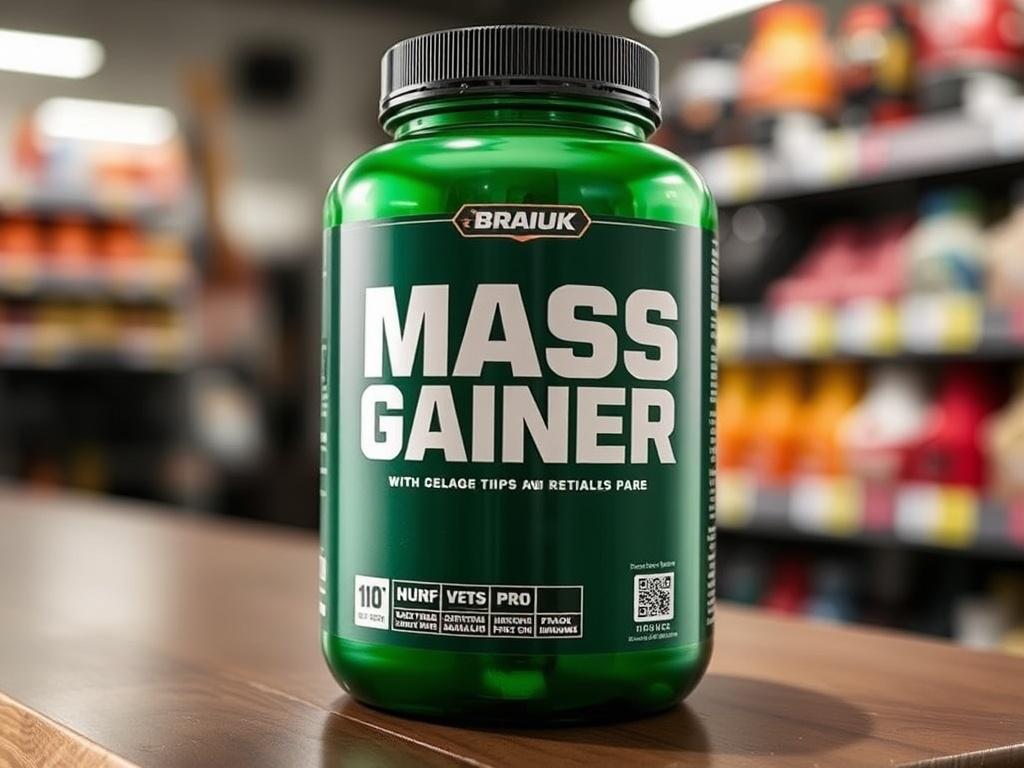
Choose brands that provide transparent labels and batch-tested products—look for third-party testing seals like NSF or Informed-Sport if you’re competing. Read reviews but prioritize ingredient lists and your own needs over hype. Sample packs are worth trying before committing to a large tub.
Also consider flavor options and mixability; a product that tastes pleasant and blends well is more likely to be used consistently. Check return policies and the availability of smaller sizes for trial runs.
Budget considerations: value versus quality
Cheap mass gainers often use low-cost maltodextrin and cheap protein blends that can cause GI upset and unnecessary sugar spikes. If your priority is rapid calorie intake at minimal cost, a bulk carb powder plus cheaper protein can be combined to make an economical homemade gainer. For cleaner nutrition and better recovery, prioritize higher-quality protein and lower added sugar even if the price per calorie is higher.
Create a shortlist of three products: one high-calorie option for aggressive bulks, one moderate option for controlled gains, and one clean option for when you want better ingredients. Rotate or switch as phases of training and personal tolerance change.
Common mistakes people make with gainers
Many users expect instant muscle with minimal effort; a gainer without consistent training and caloric monitoring is just extra food. Another mistake is ignoring the serving size to “stretch” a tub, which undermines the intended calorie and protein intake. Finally, relying on a gainer as the primary protein source instead of combining it with whole-food proteins limits nutritional variety.
- Using gainers as a meal replacement every day without tracking calories.
- Choosing the highest-calorie product without considering body-fat goals.
- Ignoring GI tolerance and blaming training for poor recovery.
- Failing to change the formula when progress stalls.
Address these mistakes by setting clear goals, tracking intake, and being honest about how your body responds. Small adjustments often produce better outcomes than radical changes.
Frequently asked questions
Will a gainer make me fat? It can if you create a caloric surplus that’s too large or unmonitored. Aim for a modest surplus and track changes to keep gains mostly lean. Use training to direct those calories into muscle growth rather than fat storage.
Are plant-based gainers effective? Yes, plant-based gainers can work—choose blends with pea, rice, or soy protein and adequate amino acid profiles. You may need slightly higher protein amounts because plant proteins can be less leucine-dense than whey.
Can I take a gainer every day? You can, but it should fit within your daily calorie and macronutrient targets. Many athletes take gainers only on training days or as needed to meet calorie goals, while others use them consistently during a bulking phase.
Personal experience: lessons from trial and error
When I first tried mass gainers, I bought the cheapest high-calorie tub I could find and gained weight quickly—but most of it was fat and I felt sluggish. The shake tasted overly sweet and left me bloated after workouts. That taught me to prioritize ingredient transparency and moderate sugar content over sheer calorie density.
On my second attempt, I blended a high-quality whey isolate with oats, milk, and nut butter at home. Weight gain was steadier, recovery improved, and I felt better overall. The homemade approach also let me tailor the shake to training days and rest days, which produced cleaner gains and less bloating. These experiences mirror many people’s journey from convenience-at-any-cost to smarter, personalized choices.
Practical checklist to pick the right gainer

Follow this checklist to make the decision process simple and repeatable. Start by defining goals, calculate the daily calorie target, and decide how many calories you want a gainer to contribute. Then compare labels, try a sample, and track results closely for two weeks.
- Define your caloric surplus and how the gainer fits into it.
- Check calories, protein, carbs, fats per serving and ingredient order.
- Prefer transparent labels and third-party testing when possible.
- Start with one serving per day, monitor weight and composition for 2–4 weeks.
- Adjust serving size or try a different formula based on results and digestion.
Keep a simple log of daily calories, gainer servings, training sessions, and weekly weight changes. Data removes the guesswork and tells you whether the product is working for your body.
Mixing tips and flavor hacks
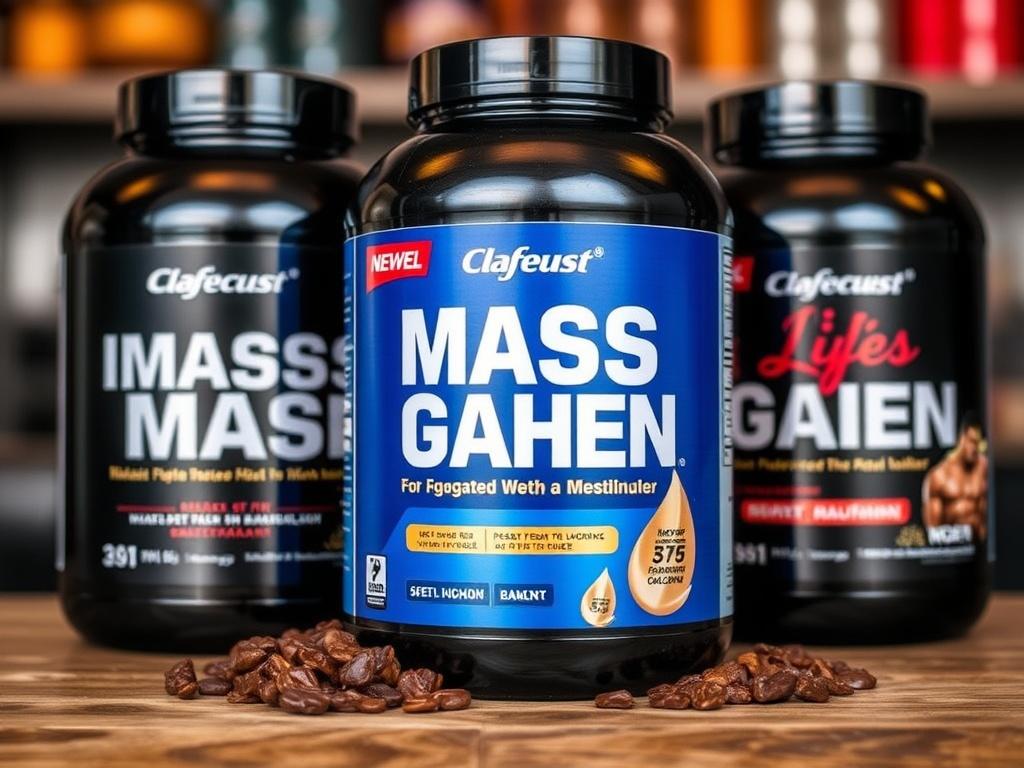
Use a blender for thicker shakes and smoother texture, and a shaker bottle for quick mixes. Adding ice or chilled milk improves taste and mouthfeel, while a pinch of salt can deepen flavor without extra sugar. If a gainer is too sweet or chalky, blending with whole food ingredients like banana, cocoa, or cinnamon dilutes the powdery notes and enhances satisfaction.
For those who want liquid variety, mix part gainer with fruit juice for an old-school carb boost, or alternate flavors to avoid taste fatigue. Small tweaks make regular use much more sustainable and enjoyable.
Tracking progress: what metrics matter
Monitor weight, body composition (if available), training performance, and how your clothes fit rather than obsessing over the scale. Aim for 0.5–1% body weight gain per week for lean progress depending on starting body type—faster for true hard gainers, slower for those wary of fat. Keep photos, lifting logs, and diet notes to correlate changes with what you consumed.
If strength increases and body composition improves, the gainer is doing its job. If fat accumulates disproportionately, dial back calories or switch to a leaner formula and prioritize resistance training to direct gain toward muscle mass.
Choosing a mass gainer is part art and part science: it requires honest assessment of your needs, careful label reading, and willingness to adjust based on real-world feedback. Use the checklist, start conservatively, and treat the gainer as an adjunct to consistent training and whole-food nutrition. With patience and a few experiments, you’ll find the right formula that supports solid, sustainable gains without unnecessary side effects.