
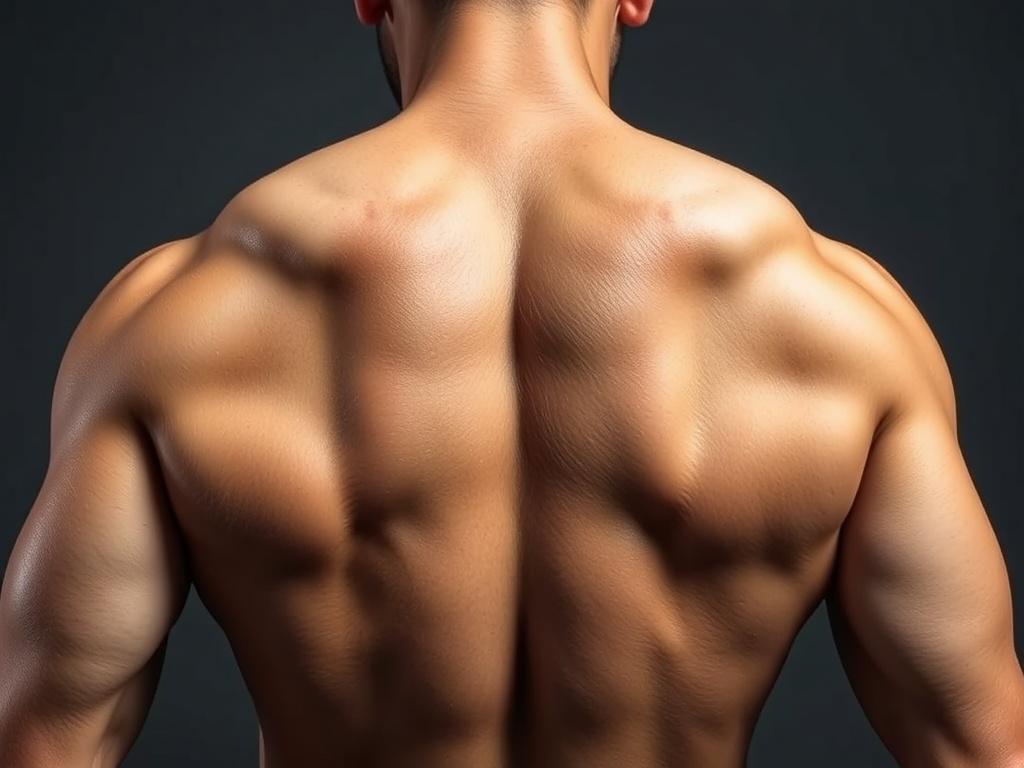
If you’ve landed here wondering how to shrink the soft layer around your shoulders, you’re not alone — many men want a firmer, more defined upper body without wasting time on ineffective routines. Как убрать жир с плеч у мужчин is a simple question but not one with a one-exercise answer; it requires a combination of nutrition, training, recovery, and patience. This article walks through the why, the how, and a realistic program you can follow for the next two months and beyond.
Expect clear principles, actionable workouts, and a few realistic tips I’ve used with clients. I’ll explain the biology behind localized fat and why shoulders often appear soft even when other areas improve. Read through and pick the strategies that fit your life; consistency is what turns plans into results.
Why shoulder fat accumulates in men
Men store fat according to genetics, hormones, and lifestyle, and the shoulder area is no exception. Fat deposits above and around the deltoids can make the shoulders look rounder or softer, even if the underlying muscle is reasonably developed. This is especially common when overall body fat is elevated or when certain postural patterns hide shoulder definition.
Testosterone and cortisol levels influence fat distribution, and tendencies toward upper-body fat can be aggravated by poor sleep, chronic stress, or excess alcohol. Age matters too: as men get older, muscle mass tends to decrease and fat tends to re-distribute, often subtly altering shoulder shape. In practical terms, you’ll need both fat loss and shoulder-directed strength work to change how your shoulders look.
Spot reduction myth: what science actually says

Let’s be blunt: you cannot burn fat only from your shoulders by doing thousands of shoulder raises. Fat loss works systemically; your body removes stored energy from fat cells across the whole body based on hormonal and metabolic cues. Localized training will build muscle in a targeted area but won’t selectively “melt” the fat sitting above it.
That said, combining total-body fat loss with targeted shoulder development is the most effective approach. As you drop body fat, the shoulder muscles will become more visible, and a stronger, broader deltoid will change the shoulder silhouette. Think of the process like sculpting — you reduce the background first, then refine the visible shape.
Understanding shoulder anatomy and where fat lies
The visible shoulder is mostly the deltoid muscle, which has three heads: anterior (front), lateral (side), and posterior (rear). Beneath and around those muscles are smaller stabilizers like the rotator cuff, and overlying all of that the subcutaneous fat layer that determines softness. To change appearance, you need to work the deltoids for shape while reducing the subcutaneous layer covering them.
Where fat accumulates is influenced by the subcutaneous fat pattern, not the muscle underneath. For many men, a thin layer under the collarbone and over the lateral deltoids is what hides the “cap” of the shoulder. Strengthening the lateral head and improving posture can lift the whole region and make shoulders look broader and more defined even before dramatic fat loss.
Assessing your starting point — measurements and photos
Before you change anything, document where you are now. Take front, side, and back photos in consistent lighting and posture, and measure shoulder circumference if you want objective data. Repeat photos every two weeks and measurements every month; the visual data often reveals progress that the scale misses.
Assess posture as well: rounded shoulders and forward head posture make the deltoids look squashed. Note how clothes fit — do shirts pull at the sleeve or hang loose? These are practical markers of progress you can track alongside weight and tape measurements.
Nutrition: the foundation of fat loss
Fat loss is primarily driven by a sustained calorie deficit, so nutrition is the foundation of any plan to shrink shoulder fat. That doesn’t mean extreme restriction; modest, consistent deficits that preserve strength and energy are the most sustainable. Aim for a realistic daily deficit — typically 300–500 kcal below maintenance for steady progress without sacrificing muscle.
Quality matters as much as quantity. Prioritize complete proteins, fibrous vegetables, whole grains, and healthy fats to support training and recovery while keeping you full. Small, manageable habits — like cooking at home, planning snacks, and drinking water before meals — frequently have a larger long-term impact than one-off “diet” efforts.
Calorie deficit without losing strength
Choose a moderate deficit rather than an aggressive one; too large a cut increases the risk of losing muscle mass and makes strength training less productive. Track your intake for a week to estimate maintenance, then reduce calories by about 10–20 percent or 300–500 kcal per day depending on how aggressive you want to be. Reassess every two weeks and adjust if weight loss stalls.
Pair the deficit with strength training and prioritize protein to preserve muscle. If you’re new to tracking, simple methods like plate portions, meal templates, and lean protein at each meal can be easier to follow than strict calorie counting, while still producing results.
Protein, carbs, and fats: how to set macros
Protein should be a priority for men wanting to maintain or build shoulder muscle as they lose fat; aim for roughly 0.7–1.0 grams per pound of body weight per day. Carbohydrates support training intensity and recovery, so adjust them around workouts — more carbs on heavy training days and fewer on rest days. Dietary fat should make up the remainder, focusing on sources like olive oil, nuts, and fatty fish for hormonal health.
Macronutrient precision matters less than consistent adherence. If macro tracking feels restrictive, start with high-protein meals and moderate portion sizes, then refine. The goal is sustainable habits that support both energy for workouts and a steady calorie deficit.
Practical meal tips and sample day
Make it easy on yourself: plan simple meals you enjoy and can repeat. Think grilled chicken with vegetables, omelets with spinach and tomato, or tuna salads with olive oil and lemon. Repetition is not a problem when the foods are tasty and the portions are controlled.
Below is a sample day that balances protein, carbs, and fats in a way that supports training and fat loss without feeling punishing.
| Meal | Example | Why it works |
|---|---|---|
| Breakfast | 3-egg omelet with spinach, tomato, and 1 slice whole-grain toast | High protein, moderate carbs, quick to prepare |
| Lunch | Grilled chicken breast, quinoa, mixed greens, olive oil | Lean protein and fiber to stay full through afternoon |
| Snack | Greek yogurt with berries and walnuts | Protein and healthy fats for sustained energy |
| Dinner | Salmon, sweet potato, steamed broccoli | Omega-3s, carbs for recovery, vegetables for micronutrients |
| Evening | Cottage cheese or casein shake (if hungry) | Slow-digesting protein to support overnight recovery |
Training: build shoulders and burn the fat
Training should include both resistance work to develop the deltoids and metabolic work to accelerate overall fat loss. Compound lifts that recruit large muscle groups create a hormonal and caloric environment favorable to fat loss. Focus on a mix of pressing, rowing, hinge movements, and targeted shoulder exercises for completeness.
Volume and progressive overload matter: gradually increase the weight, reps, or sets over weeks so the muscles adapt and become more prominent as fat comes off. Training frequency for shoulders can be two to three times per week with a mix of heavy compound days and lighter accessory-focused sessions.
Compound lifts that help your shoulders
Compound movements like overhead presses, push presses, and bench presses recruit the shoulders while also working chest, triceps, and upper back. These lifts burn more calories and build functional strength that contributes to a muscular, athletic upper body. Perform these early in workouts when your energy and technique are best.
- Barbell overhead press (standing)
- Push press (uses hips for momentum; good for heavier loads)
- Incline bench press (targets front delts and upper chest)
- Pull-ups and bent-over rows (balance the anterior work with posterior strength)
Targeted shoulder exercises that shape the caps
To develop the roundness of the shoulder, work the lateral and posterior deltoids directly with moderate weights and controlled form. Higher-rep sets with perfect technique can create muscular fatigue and shape without excessive joint strain. Include variety across the week to hit all deltoid heads and the supporting muscles.
- Lateral raises (dumbbell or cable) for the side delts
- Rear delt flyes (dumbbell or machine) to build the back of the shoulder
- Arnold presses for a full-range shoulder stimulus
- Face pulls to strengthen external rotators and improve posture
Cardio and conditioning: what works best
For fat loss, both steady-state cardio and high-intensity interval training (HIIT) have value. HIIT sessions of 10–20 minutes, two to three times weekly, increase metabolic rate and save time, while moderate steady-state cardio can be useful on recovery days for extra caloric burn. Choose modalities you enjoy — running, cycling, rowing, or even brisk walking all work.
Strategically place cardio around workouts so it doesn’t interfere with your strength sessions. A light 15–20 minute fasted walk in the morning and a HIIT session on a non-lifting day is a useful pattern for many men trying to reduce shoulder fat and retain muscle mass.
Sample 8-week program
Below is a practical 8-week schedule combining strength, accessory shoulder work, and cardio. The program emphasizes progressive overload and balanced development while maintaining adequate recovery. You can repeat the 8-week cycle, adjusting loads and calories based on progress.
| Day | Focus | Example |
|---|---|---|
| Monday | Upper strength | Bench press, barbell row, overhead press, pull-ups |
| Tuesday | Lower strength + light cardio | Squats, Romanian deadlift, 20 min steady-state bike |
| Wednesday | Shoulder accessory + HIIT | Lateral raises, rear delt flyes, face pulls, 12-min HIIT |
| Thursday | Active recovery | Mobility, light walk, foam rolling |
| Friday | Full-body power | Deadlifts, push press, rows, core work |
| Saturday | Conditioning + accessory | Interval sprints or circuit training, light shoulder work |
| Sunday | Rest | Stretching, sleep focus |
Progress the program by adding 2.5–5 lbs to main lifts when you can complete your prescribed sets and reps with good form. For accessory exercises, aim for slightly higher reps (8–15) and shorter rest to promote muscle endurance and metabolic stress. Reassess photos and measurements at the end of the 8 weeks and adjust calories and training intensity accordingly.
Mobility, posture, and how they change appearance
Improved posture makes a remarkable difference to shoulder aesthetics. Rounded shoulders hide the deltoid cap and create a softer look, while better upper-back strength and thoracic mobility lift the chest and show the shoulder line. Incorporate mobility drills and thoracic extension work to complement your strength program.
Daily habits matter: sit less, set your workstation ergonomically, and take short movement breaks to “open” the chest. Simple exercises like band pull-aparts, wall slides, and thoracic rotations take minutes but compound over weeks into a visibly better posture and shoulder shape.
Recovery: sleep, stress, and hormones
Recovery is where your work in the gym and kitchen converts into visible change. Poor sleep and chronic stress raise cortisol, which can blunt fat loss and promote stubborn upper-body fat in some men. Prioritize 7–9 hours of quality sleep, practice stress-reduction routines, and keep alcohol in check for faster progress.
Small recovery practices add up: consistent sleep timing, blackout curtains, and winding down without screens can improve sleep efficiency. If you juggle a demanding schedule, plan lighter training weeks to prevent overreaching and preserve hormonal balance during dieting phases.
Supplements: what helps and what doesn’t
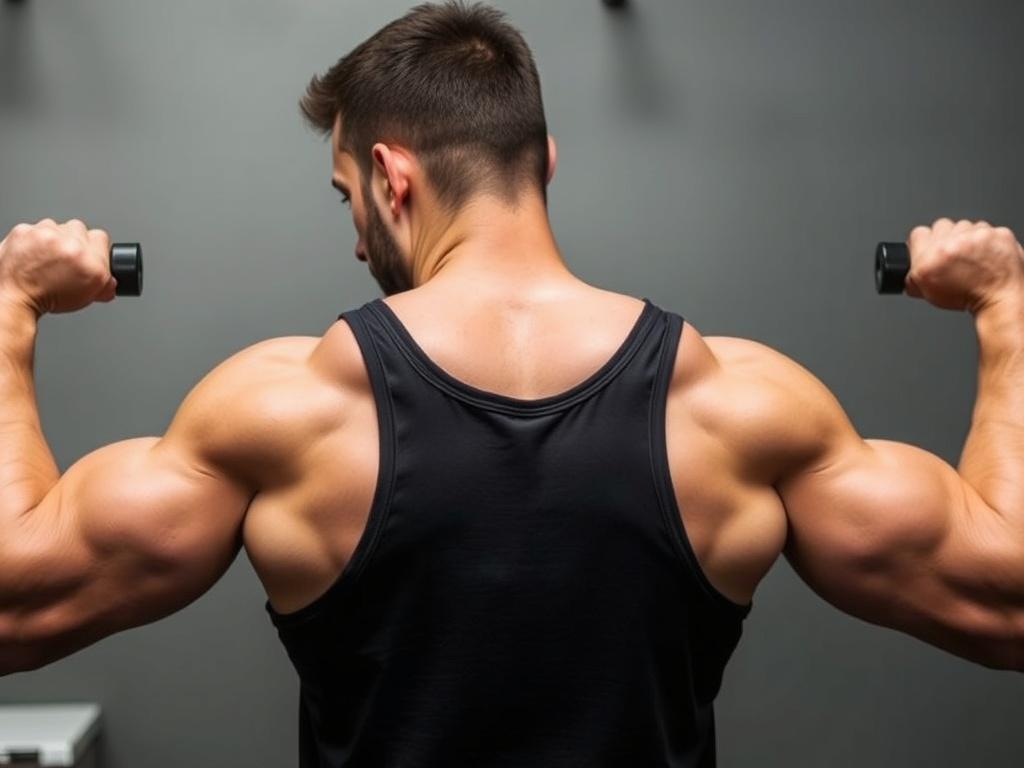
Supplements aren’t a shortcut to spot-reducing shoulder fat, but they can support performance and recovery when used appropriately. Protein powder offers convenience to hit daily protein targets, creatine supports strength and lean mass, and fish oil can help with inflammation and overall health. Caffeine taken before workouts can increase performance and caloric burn for short periods.
Avoid products that promise localized fat loss or rely on stimulant cocktails for long-term weight loss; they provide temporary effects and can have unwanted side effects. Use supplements to complement a solid diet and training plan, not as a replacement for either.
Common mistakes and how to avoid them
The most common errors are chasing spot reduction, under-eating protein, overdoing isolation work while neglecting compound lifts, and expecting overnight changes. These patterns slow progress and create frustration, often leading people to abandon good habits. Combine patient calorie control with compound strength training and targeted accessory work to avoid these pitfalls.
Another mistake is measuring progress only by the scale. Muscle is denser than fat, so you may lose fat and gain muscle simultaneously and see minimal scale change. Rely on photos, how your clothes fit, tape measures, and performance improvements as better indicators of real change.
Tracking progress and adjusting plan
Establish milestones: weekly weigh-ins, biweekly photos, and monthly circumference measurements. If fat loss stalls for two or more weeks, first check adherence: are calories accurately tracked, is training consistent, and is sleep adequate? Small adjustments — a 100–200 kcal reduction or an extra HIIT session — often re-start progress without radical changes.
Progress is rarely linear. Expect plateaus and occasional regressions, and treat them as data rather than failure. Adjust the plan intelligently, not emotionally, and keep long-term consistency as your guiding principle.
Real-life example: my client story
One client, a 38-year-old office worker, came to me frustrated because his shoulders looked soft despite two years of “shoulder-only” routines. We refocused his plan: a modest calorie deficit, three weekly compound sessions, two accessory shoulder days, and improved sleep habits. Within eight weeks his shoulders looked noticeably firmer and his shirts fit better, even though the scale only moved six pounds.
The key changes were simple: he stopped isolated, high-rep shoulder-only workouts that left him sore and hungry, added overhead pressing and rows for balance, and committed to protein-rich meals. The tangible shift in posture and muscle fullness made the new shoulder shape visible before the fat reduction was dramatic — a common experience when both muscle and fat are addressed together.
Sustainability: habits that stick

Short-term extremes rarely lead to lasting change. Pick the sustainable route: a moderate calorie deficit, training you enjoy, and small daily habits that build momentum. Learn three go-to meals you like, two favorite workouts, and a routine for sleep and mobility; these become your foundation on weeks when motivation dips.
Eventually, aim to shift your identity from “dieting to lose shoulder fat” to “someone who trains and eats well as a way of life.” That mental shift is what preserves results and prevents the rebound that comes from temporary fixes. Small, consistent actions are what produce a long-term transformation of shoulder shape and overall health.
Reducing the soft appearance around your shoulders is a process that rewards patience and intelligent choices. Combine sustainable nutrition, progressive strength training, strategic conditioning, and recovery priorities, and you’ll see steady improvements in how your shoulders look and feel. Start with a realistic plan, track the meaningful metrics, and give the approach time — the transformation will follow.