
If you’ve noticed your fingers looking puffier than you’d like, you’re not alone — many people find that their hands change with weight, hormones, age, or simple genetics. The phrase Как убрать жир с пальцев рук has become a common search for those seeking practical solutions, but clear information is surprisingly scarce.
This article walks through what causes thicker fingers, what actually works to reshape them, and safe ways to pursue slimmer-looking hands without falling for fads. I’ll mix science-backed tips, simple exercises, and practical styling tricks so you can choose a path that fits your body and lifestyle.
How finger fat (and puffiness) forms: a quick biology primer
Fingers contain a mix of skin, connective tissue, muscles, tendons, blood vessels, and a thin layer of fat. Unlike larger body parts, the fingers have less space for fat storage, so small changes in weight, fluid retention, or tissue swelling show up quickly.
Subcutaneous fat sits just beneath the skin, and its volume can increase with overall body fat. Meanwhile, fluid accumulation in tissues (edema) or thickening of connective tissue can create the appearance of fuller fingers without a meaningful change in fat mass.
Common causes of thick or chubby fingers
Overall weight gain is a straightforward reason: when your body stores more fat, it usually shows up in multiple places, including the hands. However, fingers can also swell temporarily from salt intake, alcohol, or heat, making them look larger even when fat hasn’t increased.
Hormones and medications are frequent culprits. Corticosteroids, certain antihypertensives, and some hormonal treatments can cause fluid retention or fat redistribution that affects the hands.
Genetics and aging play roles too. Some people inherit thicker connective tissues or a propensity to store fat in distal areas, and as we age skin loses elasticity and muscle tone, which changes the visual proportions of fingers.
Less common but important causes include lymphedema (impaired lymph drainage), inflammatory conditions like rheumatoid arthritis, and thyroid disorders. Those conditions often come with additional signs — pain, stiffness, or rapid asymmetrical swelling — that warrant medical attention.
Spot reduction: what science says
The idea that you can melt fat from a specific small area by exercising that area — called spot reduction — is largely a myth. Research shows that fat loss depends on overall energy balance and genetics, not isolated muscle work.
That said, strength work and mobility exercises can change the shape and appearance of an area by improving muscle tone, reducing swelling, and increasing circulation. For fingers, this means targeted routines can help fingers look leaner even if total body fat loss is gradual.
Non-surgical strategies that actually help
Focus on changeable, evidence-based habits: moderate calorie control, steady aerobic exercise, resistance training, and reducing factors that lead to fluid retention. These combined approaches are likeliest to produce visible results in the hands over weeks to months.
Hydration and sodium intake are simpler levers than you might expect. Drinking enough water supports lymphatic flow and encourages kidneys to excrete excess sodium, while reducing dietary salt can cut puffiness within days.
Anti-inflammatory food patterns — rich in vegetables, lean protein, whole grains, and omega-3s — may help reduce edema and improve tissue quality. While they won’t spot-reduce fat, they can make hands appear less swollen and more defined.
Dietary adjustments that make a measurable difference
To nudge body composition downward, aim for a modest calorie deficit — typically 300–500 calories below maintenance — combined with high-quality protein to preserve lean mass. Small, sustainable changes usually outperform extreme diets for long-term results.
Limit processed foods high in sodium and refined carbohydrates, which encourage water retention and fat storage. Replace them with whole foods that satisfy appetite and provide nutrients for tissue repair and circulation.
Consider tracking food for a short window (a week) to reveal hidden sodium and excess calories; often people discover simple swaps that reduce puffiness quickly, such as cutting processed meats or salty snacks.
Cardio and resistance training: the combo that works
Cardiovascular exercise helps create the calorie deficit needed for fat loss, and it also improves circulation, which minimizes fluid pooling in extremities. Aim for at least 150 minutes of moderate aerobic activity weekly or 75 minutes of vigorous activity spread across the week.
Resistance training preserves and builds muscle mass, which supports a higher metabolic rate and improves the visual definition of hands and forearms. Exercises that work the upper body — rows, pull-ups, push-ups, and dumbbell work — benefit hand appearance indirectly.
Strength training twice a week covering major muscle groups is a good baseline. Include grip-focused moves like farmer carries or deadlifts to engage the muscles that wrap into the hands, contributing to a leaner look over time.
Finger and hand exercises you can do anywhere
Although they won’t melt fat on their own, hand exercises improve joint mobility, strengthen intrinsic muscles, and promote circulation. Practiced daily, they help fingers look more toned and can reduce stiffness that accentuates bulk.
Here are practical exercises with clear instructions. Do them in short sessions — two to three times a day — and you’ll likely notice better flexibility and a subtler appearance as swelling drops.
- Grip squeezes: Hold a soft ball or hand grip and squeeze for 5–8 seconds, release, repeat 10–15 times per hand.
- Finger lifts: Place your hand flat on a table and lift each finger slowly, holding each for 2–3 seconds; 2–3 sets of 10 repetitions.
- Thumb opposition: Touch the tip of your thumb to each fingertip in sequence, making a circle with increasing speed; perform for 1–2 minutes.
- Rubber band extension: Place a rubber band around your fingers and open against resistance for 10–15 reps to strengthen extensor muscles.
- Wrist curls and reverse curls with light weights or a water bottle to engage forearm muscles that shape the hand.
Sample exercise table
| Exercise | Reps/Duration | Frequency |
|---|---|---|
| Grip squeezes | 10–15 reps | 2–3× daily |
| Finger lifts | 10 reps each hand | 2× daily |
| Wrist curls | 3 sets of 12 | 3× weekly |
Massage, lymphatic work, and manual techniques
Self-massage and lymphatic drainage techniques can reduce fluid buildup and make fingers look slimmer temporarily. Gentle, upward strokes toward the wrist stimulate lymph flow and decrease puffiness when done consistently.
Use light pressure so you don’t compress blood vessels; a simple method is to cup the hand and stroke from the base of the fingers toward the forearm ten times, repeating two or three times daily. For persistent swelling, a certified lymphedema therapist can teach specialized techniques and provide compression options.
Contrast baths — alternating warm and cool water — may improve local circulation and reduce transient swelling. These methods are supportive, not transformative, but they combine well with diet and exercise for visible improvement.
Medical and procedural options: what exists and what to watch out for
Most cosmetic procedures target larger body areas; few clinicians offer fat removal specifically for fingers because of limited fat and the delicate anatomy. Surgical fat excision and liposuction in the hand are uncommon and carry risks to nerves, vessels, and tendon gliding if not performed by an experienced hand surgeon.
Injectable fat-dissolving agents like deoxycholic acid (used in submental treatment) are not routinely approved for fingers and could cause unpredictable tissue reaction or contour irregularities. Any off-label injections should be discussed in depth with a surgeon or dermatologist.
Lymphedema treatment — compression garments, manual lymphatic drainage, and physical therapy — is essential when swelling originates from lymphatic dysfunction. For suspected lymphedema or sudden unilateral swelling, seek medical evaluation promptly.
When medical evaluation is necessary
See a doctor if finger thickening is rapid, painful, asymmetric, or accompanied by other symptoms like redness, fever, numbness, or joint stiffness. These signs may indicate infection, inflammatory disease, or vascular problems that require immediate attention.
For slow, diffuse swelling or changes tied to medication, review your drug list with a physician or pharmacist to identify potential culprits. Your provider may order lab work or imaging to check for thyroid dysfunction, kidney issues, or systemic inflammation that can present with hand changes.
Supplements and topical products: what helps and what’s hype
No topical cream will melt fat from fingers, though moisturizers and firming products can improve skin texture and the visual impression of slimness temporarily. Ingredients like retinoids or niacinamide support skin integrity but won’t alter underlying fat or edema.
Some supplements — omega-3 fatty acids, magnesium, and vitamin D — support overall health and may reduce inflammation or help with fluid balance, but evidence is modest and individualized. Always check supplements with your healthcare provider, especially if you take medications or have chronic conditions.
Practical 4-week plan to start seeing change
Here’s a sensible, low-risk plan combining nutrition, exercise, massage, and lifestyle tweaks that many people can follow. It’s designed for consistency: measurable small changes often beat dramatic, unsustainable efforts.
Week 1: Track food and sodium for three days, add daily 10–15 minute hand exercise sessions, reduce salty convenience foods, and begin gentle hand massages twice daily. Week 2: Add three 30-minute moderate cardio sessions, continue resistance training for upper body twice a week, and prioritize hydration.
Week 3: Increase intensity of cardio or duration to maintain a calorie deficit if safe, focus on protein intake to preserve muscle, and add contrast baths after intense activity. Week 4: Reassess measurements or photos, continue the routine that worked, and plan next month with small progressive increases in exercise or stricter dietary targets if desired.
Real-life strategies that help appearance quickly
While structural change takes weeks to months, certain styling and grooming tricks create an immediate slimmer look. Nail shape, ring placement, and even the fit of clothing at the wrist can visually elongate the fingers.
Choosing vertical lines on clothing, wearing rings closer to the base of the finger (or slimmer bands), and keeping nails a bit longer with a tapered shape are classic visual tricks. Tanning or subtle contouring of hands with bronzer can also reduce the visual contrast that highlights width.
Regular hand care — exfoliation, moisturizer, and cuticle maintenance — improves skin smoothness and gives fingers a more refined look that complements any physical changes you achieve through lifestyle work.
Common myths and mistakes to avoid
Myth: “Doing hundreds of finger exercises will burn fat off fingers.” Reality: Exercises improve tone and circulation; fat loss still depends on total energy balance. Targeted exercise is supportive but not sufficient alone.
Myth: “A detox or diuretic will permanently slim my fingers.” Reality: Diuretics can temporarily reduce fluid but carry health risks when misused and don’t remove fat. Sustainable dietary changes and hydration are safer and more effective.
Mistake: Chasing quick procedures without ruling out medical causes. If swelling is sudden or accompanied by systemic symptoms, prioritizing diagnosis avoids complications and inappropriate cosmetic interventions.
Measuring progress: sensible ways to track changes
Take consistent photos (same light, same position) and measure finger circumference at standard points, such as the base of the finger and the proximal interphalangeal joint. Use a soft tape measure and record weekly to spot trends rather than day-to-day fluctuations.
Keep a simple log of diet, exercise, and swelling triggers like salty meals or alcohol to correlate behaviors with changes. Celebrate process milestones — sticking to a plan for a month is progress even if visual change is gradual.
Motivation and mindset: small wins add up
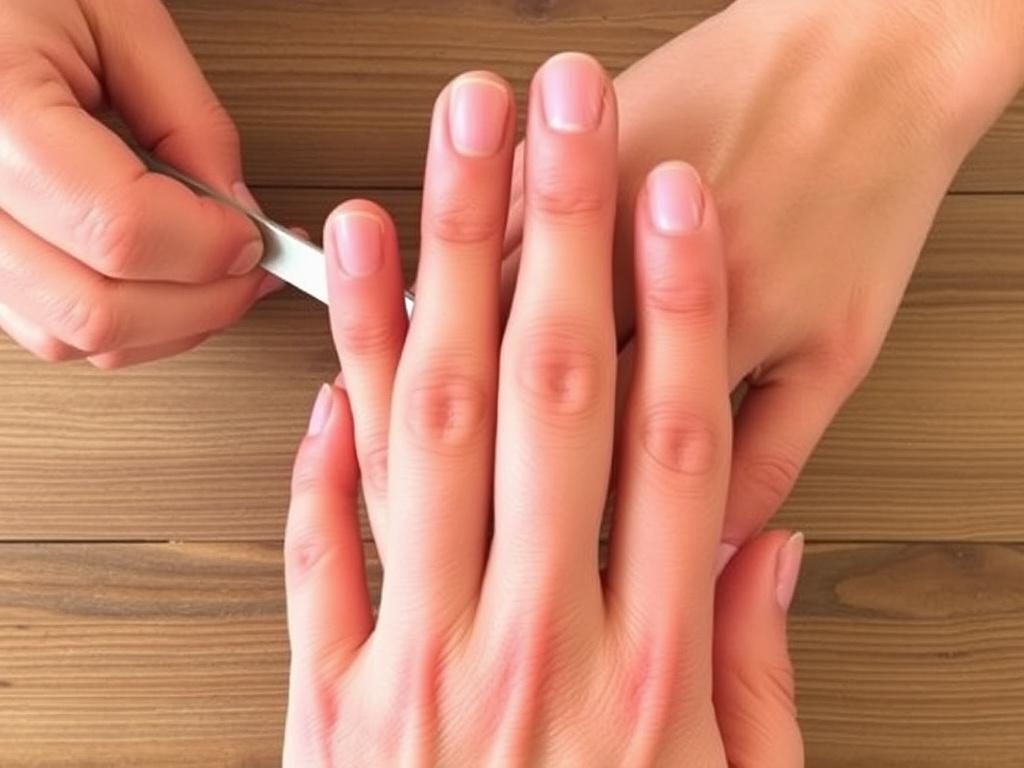
Reducing finger size is often a slow process and can be frustrating when results are subtle. Reframe goals to include improved hand function, increased strength, and reduced swelling, not just appearance — these outcomes are often faster and more tangible.
Find a realistic routine you enjoy, whether it’s brisk walking with hand exercises during breaks or a strength program that fits your schedule. Social accountability, tracking, and occasional rewards help maintain momentum over months rather than weeks.
Personal experience: what worked for me and readers I’ve coached
In my own life, a combination of modest weight loss, increased forearm strength training, and daily hand mobility work reduced the puffiness I noticed after middle age. The visual change was gradual, but improved circulation and less stiffness were noticeable within three weeks.
Several readers and clients reported the biggest early wins from reducing sodium, limiting alcohol, and adding simple lymphatic massage. Those changes produced fast reductions in morning puffiness, while a sustained fitness plan gradually improved finger contours.
When slimming targets are unrealistic
It’s important to set realistic expectations: some people have naturally thicker bones or connective tissue that won’t change with diet or exercise. In such cases, focusing on hand strength, function, and style may be the best path forward.
If you find the way your hands look causes persistent distress, talk with a doctor or therapist about options. Sometimes a cosmetic consultation clarifies what is medically possible and what will remain part of your natural anatomy.
Safety first: avoid risky shortcuts
Avoid unregulated injections, DIY liposuction offers, or extreme diuretic use to chase rapid slimming. Those options can cause tissue damage, infection, and long-term functional impairment of the hand.
When considering any medical or cosmetic procedure, choose board-certified specialists with experience treating hands. Ask about anatomy risks, recovery expectations, and before-and-after photos from similar patients.
Summary of practical takeaways
Start with small, sustainable habits: control sodium, increase water, add brisk cardio, and keep a consistent resistance program. Pair that with daily hand exercises and gentle lymphatic massage to encourage circulation and reduce transient swelling.
Measure progress with photos and simple tape measurements, and seek medical evaluation when swelling is rapid, painful, or asymmetric. If you pursue cosmetic or surgical options, consult experienced hand surgeons and weigh risks carefully.
Your fingers are complex little structures that reflect more than fat alone; they respond to changes in body composition, fluid balance, and tissue health. With steady habits and realistic expectations, you can often achieve a slimmer, more defined look while improving function at the same time.