
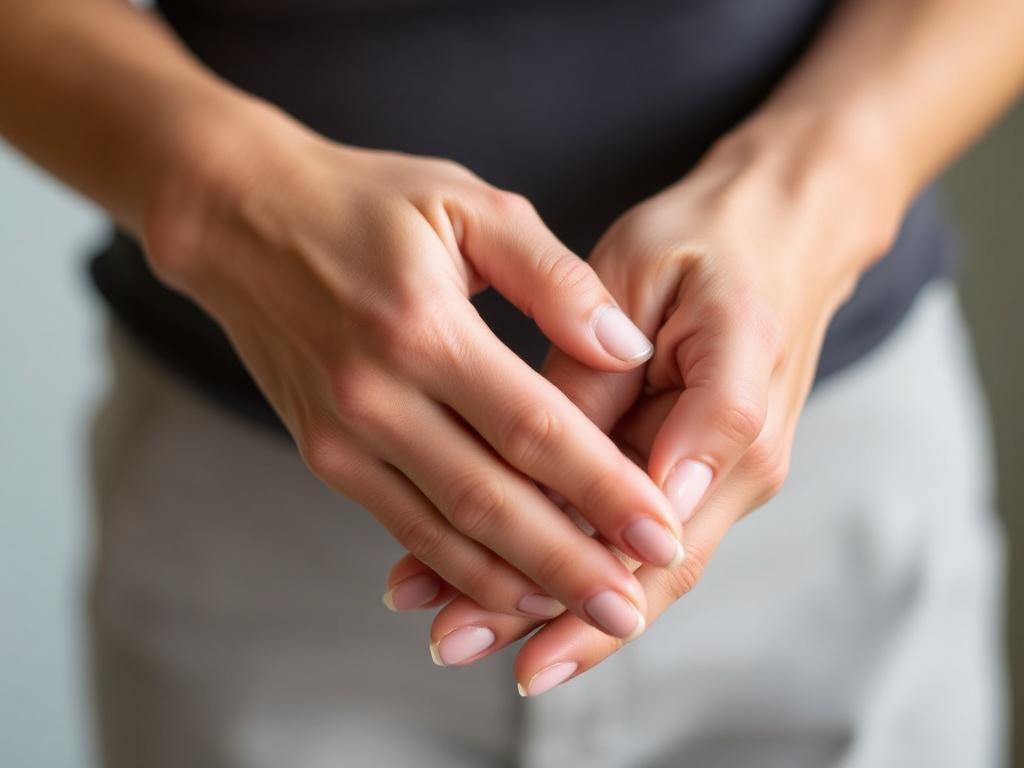
Many people feel self-conscious about extra fat around their hands and wrists, but the path to leaner, more defined hands is less mysterious than it seems. This article lays out anatomy, realistic causes, lifestyle changes, targeted exercises, and medical options so you can choose what fits your life. Read on for a clear, step-by-step approach that balances safety, efficiency, and long-term results.
Where fat on the hands comes from
The first step is understanding that fat in the hands is usually part of broader patterns of body fat distribution rather than an isolated problem. Our bodies store fat in genetically determined areas; for some people the hands and wrists act as minor storage sites. That means changing hand size often requires addressing overall body composition.
Beyond general fat storage, hands can appear fuller due to localized fat pads and fluid retention. Inflammation, injury, or systemic issues like hormonal shifts can cause temporary puffiness that mimics fat gain. A careful assessment separates transient swelling from true increases in adipose tissue.
Aging also alters the balance between fat, muscle, and skin. Younger people might carry more subcutaneous fat, while older adults can lose bone and soft-tissue volume, creating a different visual effect. Knowing which forces are at play helps choose whether to focus on fat loss, strength training, or a medical procedure.
Common causes: genetics, weight gain, and aging
Genetics dictate much of where fat prefers to sit on your frame. Two people with identical body fat percentages can show very different hand shapes because of inherited fat distribution patterns. That genetic baseline sets expectations for how much change is feasible without invasive intervention.
Overall weight gain from a calorie surplus will increase fat stores everywhere the body stores fat, including the hands. Conversely, losing body fat through diet and exercise reduces fat across many regions, though not always evenly or quickly in the hands. Patience and consistency matter.
Aging brings structural changes: tendons may become more visible, skin loses elasticity, and soft tissue shifts. For some, hands appear thinner with age; for others, volume redistributes and creates a pudgier appearance. Targeted strategies differ depending on whether the issue is excess fat or changes in skin and connective tissue.
Separating myth from fact
Spot reduction—the idea that you can burn fat from the hands by exercising those muscles alone—is largely a myth. When you exercise a specific muscle, you improve its strength and tone, but the body burns fat according to hormonal and genetic cues, not local contraction. That said, combining strength work with overall fat loss can alter hand appearance.
Another misconception is that hand fat always signals poor health. In isolation, fuller hands are usually cosmetic and not a medical emergency. However, sudden swelling or asymmetry warrants medical evaluation to rule out conditions such as lymphedema, infection, or vascular problems.
Dietary changes that help reduce overall body fat
Fat loss starts with calorie balance. To lose fat, aim for a sustainable calorie deficit of 300 to 600 calories per day, which typically produces steady fat loss without extreme hunger or metabolic slowdown. Rapid, excessive calorie cuts are unnecessary and can be counterproductive.
Protein matters more than most people expect. Eating adequate protein preserves lean muscle during weight loss, and that lean tissue supports a higher resting metabolic rate. Aim for about 0.7–1.0 grams of protein per pound of body weight, adjusted to personal needs and activity level.
Focus your plate on whole foods—vegetables, lean proteins, whole grains, legumes, nuts, and healthy fats. Reducing refined carbohydrates and sugary drinks removes empty calories and helps control insulin spikes that can promote fat storage. Small, persistent changes beat aggressive short-term diets when it comes to lasting results.
Hydration and sodium balance influence how puffy your hands look day to day. Drinking enough water and moderating high-sodium processed foods reduces fluid retention and gives you a clearer picture of your progress. Alcohol can also cause bloating and add excess calories, so moderate intake when targeting fat loss.
Sample one-day meal plan
Below is a simple example that supports fat loss and muscle maintenance without being restrictive. Adjust portion sizes to match your calorie target and personal preferences.
- Breakfast: Greek yogurt with berries, a sprinkle of oats, and a tablespoon of chopped nuts.
- Lunch: Grilled chicken salad with mixed greens, quinoa, cherry tomatoes, cucumber, olive oil, and lemon.
- Snack: An apple and a small handful of almonds.
- Dinner: Baked salmon, steamed broccoli, and a sweet potato.
- Evening: Cottage cheese or a protein shake if you need more protein to meet your daily target.
Consistency over weeks is what produces visible change in body fat and the hands. Use the meal plan as a template and rotate protein sources, vegetables, and whole grains to keep meals satisfying.
Exercises that strengthen and tone the hands and forearms
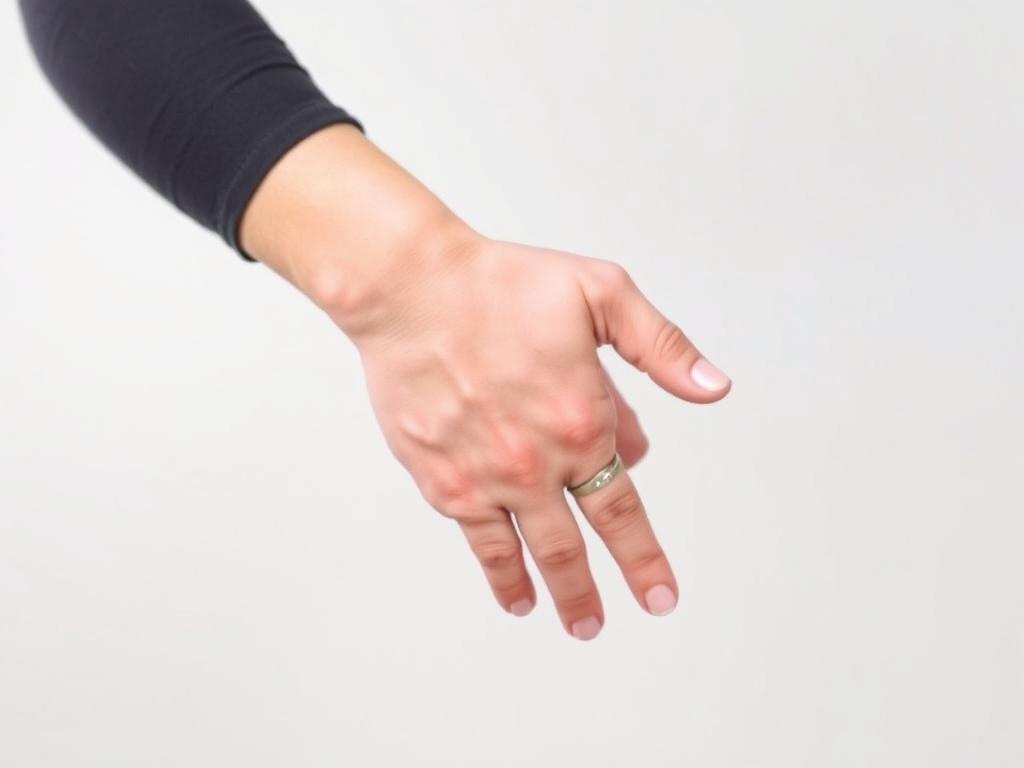
While you can’t pick fat off the hands, you can improve muscle tone, grip strength, and the overall shape of the lower forearm and hand through targeted exercise. Stronger forearm muscles and better tendon definition often make hands look slimmer and more athletic.
Include exercises that train wrist flexors and extensors, finger strength, and overall grip. Focus on control and full range of motion rather than heavy weight with poor form. Consistency—three to five times per week—yields visible improvements over several weeks.
Effective hand and forearm exercises
- Wrist curls: Sitting with forearm supported, curl a light dumbbell upward using the wrist.
- Reverse wrist curls: Same setup, palm facing down to target extensors.
- Farmer’s walks: Hold moderate weights at your side and walk for distance—great for grip endurance and overall conditioning.
- Plate pinches: Pinch weight plates between thumb and fingers and hold—they build pinch strength and finger coordination.
- Rubber band finger extensions: Place a band around the fingertips and open the hand against resistance to strengthen extensors.
- Stress-ball or gripper squeezes: Short sets of squeezes help with endurance and tendon resilience.
- Towel wrings and wrist rotations: Functional movements that mimic daily tasks and improve forearm muscularity.
Progress by increasing resistance slowly and adding volume only when you maintain good technique. Small daily habits—extra grip work while watching TV, for example—can add up into meaningful change.
Sample weekly hand-strengthening routine
Try this approachable routine three times a week, integrated into your broader strength program. Start light and increase repetitions before loading heavier weights.
- Warm-up: 3–5 minutes of wrist circles and gentle finger stretches.
- Wrist curls: 3 sets of 12–15 reps with controlled tempo.
- Reverse wrist curls: 3 sets of 12–15 reps.
- Farmer’s walk: 3 rounds, 30–60 seconds each with challenging weight.
- Plate pinches: 3 holds of 15–30 seconds.
- Rubber band extensions: 3 sets of 15–20 reps.
Combine these targeted moves with compound lifts like rows and presses that indirectly tax grip and forearm muscles. A robust overall program accelerates visible results in the hands.
Cardio and high-intensity work to accelerate fat loss
Cardiovascular exercise raises total energy expenditure and helps create the calorie deficit needed for fat loss. Choose modalities you enjoy—running, cycling, swimming, brisk walking, or group fitness classes—to ensure consistency. Frequency of three to five sessions weekly works well for most people aiming to lose fat.
High-intensity interval training (HIIT) can be particularly efficient for burning calories and improving metabolic flexibility. Short bursts of near-maximal effort followed by recovery periods increase overall calorie burn and can be added once or twice a week. Pairing HIIT with steady-state cardio offers a balanced approach.
Remember that excessive cardio without adequate resistance training may lead to muscle loss. Preserve strength by maintaining regular resistance workouts while you increase cardiovascular activity for fat loss.
Lifestyle factors that influence hand fullness
Sleep quality is a surprisingly strong modulator of body composition. Poor sleep increases hunger hormones, impairs recovery, and can hinder fat loss efforts. Aim for 7–9 hours per night and practice regular sleep hygiene like consistent bedtimes and reduced screen exposure before sleep.
Chronic stress elevates cortisol, which in some people promotes fat accumulation and water retention. Stress-management techniques—brief breathing exercises, a daily walk, or mindfulness practices—help regulate responses that otherwise sabotage progress. Small, regular practices outpace sporadic intense efforts.
Hydration and sodium management were mentioned earlier but deserve emphasis. Adequate water intake and reduced processed-food sodium help keep the hands from appearing puffy, so monitor these daily variables as you track changes in hand appearance.
Medical and cosmetic options: what to expect
If noninvasive methods fall short or you seek faster, localized change, medical and cosmetic procedures are options to discuss with a qualified clinician. These range from surgical liposuction to energy-based treatments and carry varied risk, downtime, and durability. A consultation will determine suitability and likely outcomes.
Hands present unique anatomical challenges: veins, tendons, and thin skin mean procedures must be precise to avoid contour irregularities or long-term issues. Choose experienced specialists who regularly treat the hands, and expect a conservative plan rather than aggressive sculpting.
Comparison of common procedures
| Procedure | Invasiveness | Typical downtime | Durability |
|---|---|---|---|
| Liposuction | Invasive (surgical) | Several days to weeks | Long-term if weight stable |
| Cryolipolysis (CoolSculpting) | Noninvasive | Minimal to none | Variable; multiple sessions often needed |
| Laser/ultrasound body contouring | Minimally invasive to noninvasive | Little to moderate | Variable; maintenance sessions common |
| Soft-tissue fillers (for aging hands) | Minimally invasive | Minimal | Temporary; months to a couple of years |
Note that not every technology is approved or commonly used for hands, and outcomes depend heavily on practitioner skill. Some treatments are better suited for internal fat pockets elsewhere than the thin tissues of the hand.
Risks and trade-offs to consider
Surgical options carry risks: infection, bleeding, numbness, scarring, and uneven contours. Noninvasive treatments reduce some surgical risks but may require repeated sessions and deliver subtler results. Discuss realistic expectations and worst-case scenarios during consultations.
Cost is another factor; cosmetic procedures can be expensive and are usually not covered by insurance when performed for aesthetic reasons. Balance the desire for rapid change against the expense and potential complications before choosing a medical route.
When to see a doctor
If hand fullness appears suddenly, is painful, or is accompanied by redness, warmth, or loss of function, seek medical attention promptly. These signs can indicate infection, vascular issues, or inflammatory conditions that require urgent care. Don’t assume sudden swelling is simply fat gain.
Persistent asymmetry, numbness, or progressive changes unrelated to weight shifts also merit evaluation. A clinician can rule out lymphedema, thyroid issues, or medication side effects that might explain persistent hand swelling or fat deposition.
Tracking progress and setting realistic timelines
Visible reduction in hand fat takes time and depends on your starting point, consistency, and methods. For many people a noticeable change occurs within 8–16 weeks of steady calorie control, combined with strength training and cardio. Expect gradual improvements rather than overnight transformation.
Use photos, measurements, and strength benchmarks to monitor progress. Weekly photos under similar lighting and hand positioning reveal subtle changes that weigh-ins alone might miss. Tracking grip strength and forearm endurance offers objective confirmation that the muscles are changing even when fat reduction is gradual.
Patience is part of the plan. The hands are a relatively small area, and the body prioritizes vital organs for energy during weight loss. Steady, consistent habits produce reliable results and minimize rebound or loss of hard-earned muscle.
Practical daily habits that add up
Small, repeatable behaviors create momentum. Carry groceries with your fingertips to challenge grip, use a hand gripper during short breaks, and choose stairs over elevators when possible. These micro-sessions don’t replace a structured workout but contribute to overall conditioning.
Reduce sedentary time, hydrate regularly, and prioritize protein at every meal. Pack simple snacks like mixed nuts or Greek yogurt to prevent late-day carb binges that stall fat loss. These daily choices compound into measurable changes over weeks.
Cosmetic camouflage and functional tips
While waiting for results, smart styling can make hands look proportionate and intentional. Choosing jewelry that complements your hand proportions, wearing sleeves that balance wrist width, or picking nail shapes that elongate fingers can shift visual perception. These are practical stops while longer-term strategies take effect.
For people who use hands for public-facing roles, simple grooming and hydration keep skin smooth and reduce transient puffiness. A brisk cold-water splash in the morning reduces mild swelling, and modest oil-based creams can smooth skin lines for a neater appearance.
My experience and client stories
Over the years I’ve worked with people who came to me worried their hands looked “too chubby” for photographs or public speaking. The most effective changes began when they accepted a holistic program—consistent workouts, modest calorie control, and daily grip training. In most cases the hands followed the rest of the body as clients reduced overall fat by 5–10 percent.
One client, a graphic designer, disliked how her hands looked on camera. She added biweekly strength sessions, a simple cardio routine, and reduced sugary drinks. Within three months she reported better-defined forearms and increased confidence; the visual change in her hands was most noticeable to her in photos.
An older client chose a conservative medical route—temporary filler—to restore lost tendons and skin volume rather than remove fat. That intervention reframed the aesthetic issue: sometimes fuller-looking hands are a sign of volume loss elsewhere. Tailoring solutions to the individual made all the difference.
A practical eight-week plan
This realistic plan blends diet, exercise, and lifestyle changes into an eight-week block you can repeat or extend. Follow it with patience and adapt based on your response.
- Weeks 1–2: Establish calorie target, begin 3 strength sessions per week and 2 moderate cardio sessions; start daily grip exercises.
- Weeks 3–4: Increase hand-specific volume (add plate pinches, farmer’s walks), introduce one HIIT session, and monitor protein intake closely.
- Weeks 5–6: Adjust calories slightly if weight loss stalls, prioritize recovery and sleep, and vary grip challenges to prevent plateaus.
- Weeks 7–8: Reassess progress with photos and strength tests; decide whether to continue the plan, ramp intensity, or consult a specialist for noninvasive options.
Document changes and be ready to modify based on how your body responds. If you hit a plateau, small dietary adjustments or increased intensity in workouts usually restart progress.
Safety, realistic expectations, and maintenance
Always prioritize functional strength and joint health over cosmetic perfection. Hands are used constantly; avoid aggressive protocols that sacrifice mobility or cause chronic tendon irritation. Slow, steady improvement lets you maintain gains without pain.
Maintenance is the final piece: once you achieve your goal, preserve it with sustainable eating habits, a regular strength routine that includes grip work, and periodic cardio. Without maintenance, the body often reverts to its previous set point over months or years.
Be honest with yourself about what’s achievable without surgery. Genetics and aging impose limits. Yet, many people find meaningful aesthetic and functional gains through modest, consistent effort—often more than they expected at the start.
Final practical tips
1) Start simple: pick one dietary habit, one cardio goal, and two hand exercises and do them consistently for 8 weeks. 2) Track objectively with photos and strength tests rather than obsessing over small daily fluctuations. 3) Consult a qualified clinician for medical options and a trainer or physical therapist for hands-on exercise planning if you have joint issues.
Changing the look of your hands is a multi-factor process that rewards patience, good technique, and sensible lifestyle choices. Whether you take the natural route with diet and exercise or explore medical options, informed decisions and steady habits bring the best, longest-lasting results.