
Those stubborn pockets of fat at the sides of the hips—often called “ear-like” bulges in Russian—can feel impossible to shift. This article walks through why they appear, what truly works to reduce them, and how to set realistic expectations so you don’t waste time on gimmicks. Read on for a complete, practical plan that blends exercise, nutrition, and lifestyle changes with honest timelines and options for faster results if you choose them.
What people mean by “уши на бедрах” and why words matter
In everyday talk, the phrase describes fatty deposits or extra volume along the outer hips and upper thighs. English equivalents include “saddle bags,” “hip dips,” or “love handles,” though those terms are not exact matches for the same area or cause. Understanding the precise location and tissue involved—fat versus muscle or skin—matters because it determines which strategies will help.
Fat accumulation in this region can be subcutaneous (under the skin) and more visible, or deeper and less obvious. There’s also structural anatomy—pelvic width, the hip bone shape, and how the glute muscles attach—that influences how your hips look even at low body fat. Naming the issue correctly helps cut through the noise of quick fixes and target the right approach.
Why fat collects at the hips: biology, hormones, and genetics
Where your body stores fat is largely genetic. Some people naturally deposit more fat on the hips and thighs because of the distribution of fat cells and blood flow patterns in those areas. Hormones play a big role as well; estrogen promotes fat storage in the lower body, which explains why many women accumulate volume at the hips and thighs more than men do.
Age and metabolic changes matter too. As we age, muscle mass tends to decline and fat stores shift, so areas that once appeared lean can develop more volume. Stress and sleep disruption can also shift hormonal balance—raising cortisol—which indirectly influences where your body stores fat.
The myth of spot reduction and what science actually shows
Targeted fat loss—doing hundreds of side leg raises to melt fat only from the hips—is a myth. Fat loss happens systemically: you must create an overall calorie deficit to lower body fat percentage, and your genetics determine which areas shrink first. Effective programs combine full-body strategies with strength training that sculpts the muscles underneath the fat.
However, targeted muscle training does matter. Building and strengthening the glutes, abductors, and surrounding muscles will alter the shape and firmness of the hip area as you lose fat. That means a smarter approach pairs whole-body calorie control with exercises that improve the hip contour.
How to measure progress realistically
Relying solely on the scale can be misleading because muscle gain and fat loss can offset one another numerically. Use several methods to track change: circumference measurements at a consistent spot, progress photos taken in similar light and clothing, and how clothes fit. These give a more reliable sense of change in body shape over time.
Set timeline expectations: visible reduction in hip fat often takes weeks to months of consistent effort. A sensible initial goal is 4–8 weeks of measurable improvement in muscle tone and posture, and 3–6 months to see meaningful reductions in fat if followed diligently. Patience and consistency are the true accelerants.
Nutrition: the foundation for reducing hip fat
Caloric balance is the primary lever for fat loss. To reduce body fat you need to consume fewer calories than you expend, but the cut should be modest—typically a 10–20% deficit—so you can maintain strength, energy, and adherence. Extreme dieting backfires by lowering metabolic rate and robbing you of muscle mass.
Quality matters. Prioritize lean proteins, vegetables, whole grains, healthy fats, and fiber-rich foods to stay full on fewer calories. Protein is especially important for preserving muscle while losing weight; aim for roughly 0.6–1.0 grams of protein per pound of body weight depending on activity level. Hydration and limiting alcohol also positively influence fat loss and body composition.
Macronutrient guidelines and simple meal structuring
While individual needs vary, a practical macronutrient split for fat loss could be 30% protein, 30–40% carbohydrates, and 25–35% fat. This supports training performance while allowing a moderate calorie deficit. Prioritize complex carbs around workouts and choose whole-food fats like olive oil, nuts, and avocados for satiety and hormonal health.
Meal timing is less important than total intake, but spreading protein across meals helps preserve muscle. A sample day might include Greek yogurt and berries for breakfast, a chicken and quinoa salad for lunch, a snack of cottage cheese and nuts, and salmon with vegetables for dinner. Consistency across days beats perfection on any single meal.
Smart cardio: what kind of aerobic work actually helps
Cardio supports the calorie deficit and improves cardiovascular health. Two effective formats dominate: steady-state moderate-intensity sessions and high-intensity interval training (HIIT). Both burn calories, but HIIT offers time efficiency and afterburn effects, while steady-state is easier to maintain for longer durations and may be kinder on recovery for some people.
Mix both types throughout the week to keep progress consistent and avoid overuse injuries. Aim for 150–300 minutes of moderate-intensity or 75–150 minutes of vigorous-intensity cardio per week, adjusted for your fitness level and recovery needs. Walking is underrated; daily brisk walks add up and improve recovery without taxing the body.
Strength training: building the muscle that reshapes hips
Resistance training is essential for changing body composition. Compound lifts—squats, deadlifts, lunges, and hip thrusts—engage the glutes, hamstrings, and surrounding musculature to tighten and lift the hips. These movements build the underlying structure so the area looks firmer as fat decreases.
Train the whole body two to four times per week with a focus on progressive overload: gradually increase weight, reps, or sets to stimulate adaptation. Include unilateral exercises to correct asymmetries and target the lateral chain, which helps smooth the transition from hip to thigh. Strength training also boosts resting metabolic rate, supporting longer-term fat loss.
Key exercises to strengthen and tone the hip area
Effective exercises include hip thrusts, Romanian deadlifts, Bulgarian split squats, side lunges, and step-ups. These recruit the gluteus maximus, medius, and minimus—muscles responsible for hip shape and stability. Prioritize quality of movement and full range of motion over heavy loading at the expense of form.
Accessory moves that specifically target the outer hip and glute medius are clamshells, banded lateral walks (monster walks), standing hip abductions, and single-leg glute bridges. Use a resistance band or cable machine for progressive overload and include these at the end of your workouts to finish the targeted work.
Sample weekly workout plan
Here’s a balanced weekly layout combining strength, cardio, and recovery. It’s scalable: beginners reduce sets and intensity, advanced trainees increase load and volume. The plan aims to build muscle while creating a moderate calorie burn from aerobic work.
- Day 1: Lower-body strength (squats, Romanian deadlifts, lunges) + 10 minutes core
- Day 2: Cardio HIIT (20–25 minutes alternating sprints and recovery) + mobility
- Day 3: Upper-body strength (rows, presses) + banded lateral walks and clamshells
- Day 4: Active recovery (walking, yoga) and stretching
- Day 5: Lower-body power/strength (hip thrusts, Bulgarian split squats, step-ups)
- Day 6: Steady-state cardio (45–60 minutes brisk walk, bike, or swim)
- Day 7: Rest or gentle mobility work
Adjust frequency to fit your schedule; consistency over the long term matters far more than the perfect weekly split.
Mobility, posture and everyday movement that helps
Improving pelvic alignment and hip mobility can change how clothes fit and how the hip area appears. Tight hips and weak glutes can create uneven muscle activation that exaggerates bulges. Daily mobility drills—hip flexor stretches, foam rolling for the IT band, and dynamic leg swings—help maintain range of motion and ease training performance.
Posture and habitual movement patterns matter too. Sitting for long periods shortens hip flexors and inhibits the glutes, which reduces muscle tone on the posterior chain. Stand up frequently, set a timer for micro-breaks, and consciously engage the glutes when walking or climbing stairs to keep those muscles active throughout the day.
Lifestyle factors: sleep, stress, and alcohol
Sleep quality and stress control are essential to hormonal balance, appetite regulation, and recovery. Aim for 7–9 hours of sleep nightly and use simple evening routines—cooler room temperature, reduced screen time, and consistent bedtimes—to improve sleep efficiency. Chronic poor sleep undermines both fat loss and muscle gain.
Alcohol is calorie-dense and can impair recovery and decision-making, leading to overeating. If you’re serious about reshaping the hips, limit alcohol or schedule planned alcohol-free periods. Managing stress through breathing exercises, walking, or regular activity reduces cortisol spikes that can promote fat storage in some people.
Clothing, styling, and presentation tips that help immediately
While you work on body composition, clothing choices can make a visual difference right away. High-rise bottoms, structured fabrics, and A-line cuts smooth transitions from hip to thigh. Avoid clingy, thin fabrics that highlight every contour if you prefer a more streamlined look.
Undergarments designed for smoothing, like high-waisted briefs or shaping shorts, can also provide a confidence boost for special occasions. These are temporary—useful tools while you follow a plan to change your body over time.
Non-surgical and surgical aesthetic options
If lifestyle and training changes are not enough or you want quicker results, cosmetic interventions exist. Non-invasive methods include cryolipolysis (CoolSculpting), which freezes fat cells, and radiofrequency treatments that tighten skin. Results vary and often require multiple sessions.
Surgical options like liposuction remove fat directly and provide more dramatic, immediate contour changes. Surgery carries risks and recovery time and should be considered carefully with a board-certified plastic surgeon. Regardless of the method, maintaining healthy habits post-procedure is crucial to preserve results.
Comparing approaches: pros, cons, and expected timelines
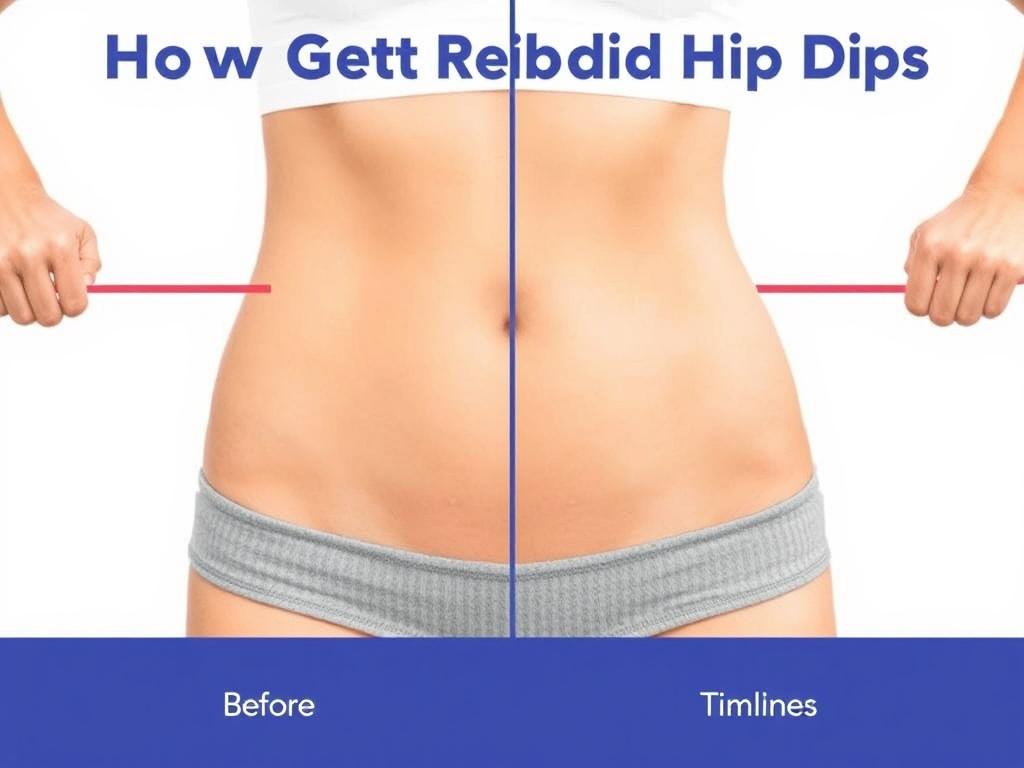
The choice between nutrition and training, non-invasive treatments, and surgery depends on your goals, timeline, health, and budget. Lifestyle changes are slower but safer and healthier long-term, while medical procedures deliver faster visual changes at higher cost and risk. Combining approaches—improving body composition while using a single non-invasive session—can be effective for some people.
| Approach | Pros | Cons | Typical timeline |
|---|---|---|---|
| Nutrition + exercise | Improves health, sustainable, no medical risk | Slower results, requires consistency | Weeks to months |
| Non-invasive treatments | No surgery, minimal downtime | Variable results, multiple sessions | Several weeks to months |
| Surgical liposuction | Immediate, targeted removal | Costly, recovery period, surgical risk | Immediate change, recovery weeks |
Common mistakes that stall progress
Common errors include chasing spot-reduction exercises, over-restricting calories, and under-prioritizing strength training. Many people try endless side-lying leg lifts but never create the systemic calorie deficit needed to reduce fat. Others eat too little, which slows metabolism and makes it harder to maintain muscle mass.
Another mistake is inconsistent tracking. Skipping measurements and photos leaves you guessing whether a program is working. Keep a simple log of workouts, weekly circumference measures, and periodic photos to objectively evaluate progress and make adjustments.
Real-life client examples and lessons learned
Over several years working with clients, I’ve seen two consistent patterns: those who combine modest calorie control with heavy compound lifts make the most sustainable change, and those who rely solely on cardio tend to lose weight but keep the same hip shape longer. A client I coached dropped two inches from her hip circumference in three months by increasing protein, adding hip thrusts, and cutting habitual late-night snacking.
Another client chose liposuction after years of lifestyle efforts that reached a plateau; the procedure provided contouring that training hadn’t delivered, but she still needed to maintain diet and exercise to prevent new fat accumulation. These cases show that different paths can work depending on priorities and that honest expectations matter.
Sample 7-day meal plan (simple and practical)
Below is a straightforward, balanced week of meals designed for satiety and muscle preservation during fat loss. Portion sizes should be adjusted to your calorie needs. This plan emphasizes whole foods, lean proteins, and fiber to support sustainable weight loss.
| Day | Breakfast | Lunch | Dinner | Snack |
|---|---|---|---|---|
| Monday | Oats with whey, berries | Grilled chicken salad with quinoa | Salmon, roasted broccoli, sweet potato | Cottage cheese & apple |
| Tuesday | Greek yogurt, nuts, banana | Tuna wrap with mixed greens | Turkey chili with vegetables | Carrot sticks & hummus |
| Wednesday | Scrambled eggs, spinach, toast | Lentil soup and side salad | Stir-fried tofu with brown rice | Protein shake |
| Thursday | Smoothie with protein, greens | Chicken burrito bowl (light rice) | Grilled shrimp, asparagus, couscous | Greek yogurt & berries |
| Friday | Cottage cheese, pineapple | Quinoa salad with chickpeas | Lean steak, roasted veggies | Handful of almonds |
| Saturday | Omelet with vegetables | Turkey sandwich on whole grain | Baked cod, mixed greens | Fruit and cheese |
| Sunday | Pancakes (oat-based) with berries | Grilled vegetable platter with halloumi | Chicken and vegetable kebabs | Dark chocolate square |
How to start today: a practical 30-day action plan
Day 1–7: Measure hips, take photos, and pick realistic calorie targets. Begin three full-body strength sessions and add two 20–30 minute walks. Focus on sleep and one extra vegetable serving per day. These first steps build the foundation without overwhelming you.
Day 8–21: Increase strength work with progressive overload, add two HIIT sessions if energy allows, and refine your meal choices to hit protein targets. Track measurements weekly and adjust calories if weight loss stalls for more than two weeks. Introduce targeted glute and abductor accessory work 2–3 times per week.
Day 22–30: Reassess progress and celebrate non-scale victories like better posture or clothes fitting more comfortably. If progress is minimal despite strict adherence, consider a consultation with a registered dietitian or a body-contouring specialist to explore options. Continue building sustainable habits rather than chasing rapid fixes.
When to seek professional help
Consult a doctor if you have medical conditions that affect weight, such as thyroid disease, polycystic ovary syndrome (PCOS), or metabolic disorders. A registered dietitian can create a personalized nutrition plan and a certified personal trainer can design a safe, progressive exercise program tailored to your body and goals.
If considering cosmetic treatments, choose clinics with board-certified physicians, ask for before-and-after photos, and request a clear explanation of risks and recovery expectations. An informed decision relies on vetting credentials and not choosing based on price alone.
Reducing fat at the hips is a realistic goal when you combine consistent nutrition, progressive strength training, and regular cardio with good sleep and stress management. There’s no single trick that melts away those “ears” overnight, but with deliberate, evidence-based steps you can reshape your hips, improve posture, and gain sustainable confidence in how you look and feel.