

The skin around your eyes is a storyteller — it records laughter, worry, sun exposure, and nights spent scrolling. If those fine lines and creases are catching your attention, you’re not alone: the eye area is the first to show age for many people. This article maps clear, realistic steps you can take right now and over time to both minimize existing lines and slow new ones from forming.
Why the skin around the eyes ages differently
The epidermis near the eyes is thinner and contains fewer oil glands than the rest of the face, which makes it more prone to dehydration and mechanical damage from facial expressions. Repeated smiling, squinting, and rubbing can crease the skin into lasting lines, particularly where collagen and elastin fibers lose resilience with age.
Sun exposure compounds the problem: ultraviolet rays break down collagen and create uneven pigmentation. Because the orbital area gets a lot of sun over a lifetime and often lacks consistent sunscreen, photoaging is a major contributor to crow’s feet and under-eye wrinkles.
Genetics, hormonal shifts, and lifestyle factors such as smoking and poor sleep also affect how quickly the eye area changes. Some people will develop deep lines early while others maintain smooth skin longer; the good news is many of the contributing factors are modifiable.
Understanding types of lines around the eyes
Not all lines are the same. Surface lines are shallow and caused mainly by dryness and surface dehydration; they respond well to moisturizers and humectants. Dynamic lines appear when muscles contract — think crow’s feet that show when you smile — and respond best to approaches that reduce muscle movement or restore volume.
Static lines are visible even at rest and indicate deeper structural changes: loss of collagen, fat descent, and skin thinning. Static lines often need a combined strategy of topical treatments, professional procedures, and lifestyle changes to see meaningful improvement.
Daily habits that help prevent and reduce eye wrinkles
Sun protection is nonnegotiable. Wearing a broad-spectrum SPF 30 or higher every morning and reapplying when needed will slow collagen breakdown and fade early pigmentation that emphasizes lines. Sunglasses with side coverage also minimize squinting and mechanical creasing on bright days.
Gentle cleansing and avoidance of aggressive rubbing are simple but powerful. Use a soft touch when removing makeup and pat products into the skin rather than dragging. Long-term, this saves collagen and prevents stretch-related damage.
Hydration from both inside and outside matters. Drink water consistently, incorporate a humectant-rich eye cream or serum, and consider a humidifier in dry climates or during winter heating. Hydrated skin looks smoother immediately and supports barrier repair over time.
Skincare ingredients that make a measurable difference
Retinoids are the gold standard for stimulating collagen and increasing cell turnover, which reduces fine lines and improves texture. Start with a low concentration and apply every few nights, building tolerance slowly to avoid irritation in the delicate eye area.
Peptides signal skin to rebuild structural proteins and can support firmness without irritation. Look for clinically studied peptides formulated specifically for the periorbital region. They combine well with other actives and are generally safe for long-term use.
Antioxidants such as vitamin C and niacinamide protect against free radical damage and can brighten the fragile skin under the eyes. Vitamin C requires stabilized formulations to be effective, while niacinamide is a gentle option that also helps strengthen the skin barrier.
How to layer actives safely
Layering is about timing and sensitivity. In the morning, prioritize antioxidant protection and sunscreen; a vitamin C serum followed by an eye cream and SPF is a reasonable sequence. In the evening, use retinoids cautiously near the eye — consider applying a small amount to orbital bones rather than directly to the lash line to reduce irritation.
If you use multiple actives, introduce them one at a time and wait several weeks to observe tolerance and results. When irritation appears, reduce frequency, switch to lower concentrations, or consult a dermatologist for alternatives like bakuchiol — a plant-derived retinol alternative that some people tolerate better.
Table: common eye-area ingredients and what they do
| Ingredient | Primary benefit | Notes on use |
|---|---|---|
| Retinoids (retinol, tretinoin) | Boosts collagen, smooths texture | Start low, apply at night, avoid contact with eyes |
| Hyaluronic acid | Hydrates, plumps fine lines | Works best with occlusives to lock in moisture |
| Peptides | Supports structural protein synthesis | Gentle; often combined with other actives |
| Vitamin C | Antioxidant, brightens skin | Use stable formulations; pair with sunscreen |
| Niacinamide | Improves barrier, reduces redness | Well tolerated; can be layered with most actives |
Topical treatments: realistic expectations
Topicals can significantly improve fine lines and texture but are slower and subtler than in-office procedures. Consistent use over months is required to see collagen remodeling from retinoids. Expect incremental changes rather than overnight transformations.
Choose formulations designed for the eye area: they tend to be gentler, have appropriate pH, and minimize fragrance and irritants. Patch-test new products and keep a simple routine if your skin reacts easily.
In-office procedures: what works and what to expect
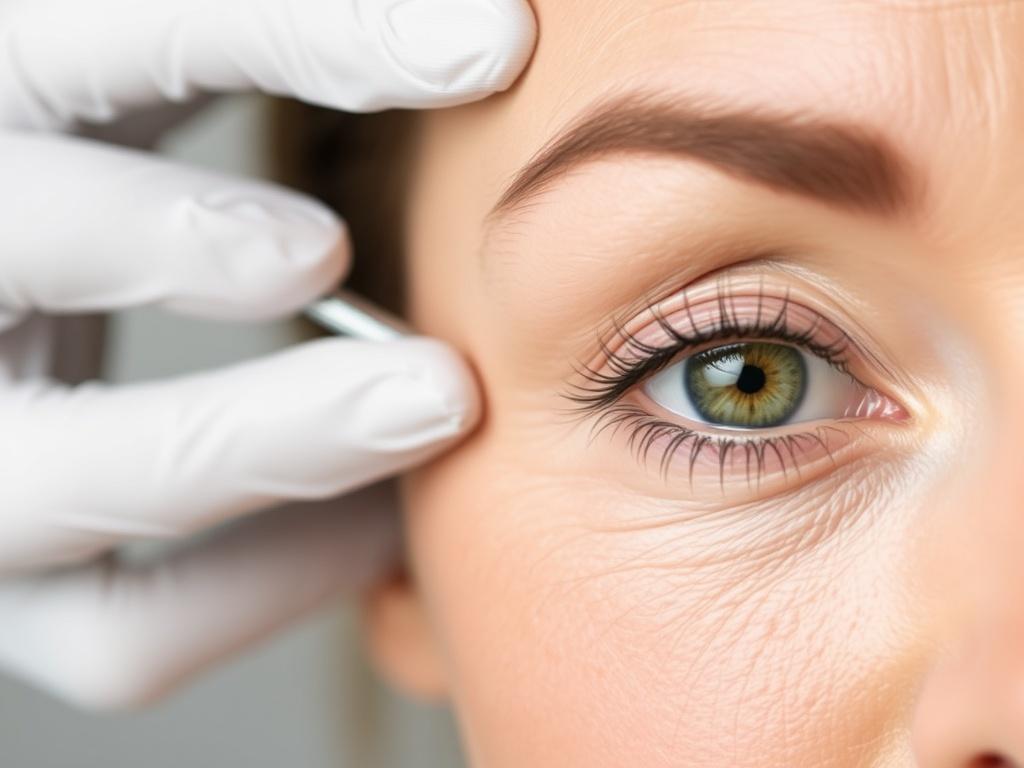
Neuromodulators like Botox temporarily relax muscles that cause dynamic lines, offering dramatic reduction of crow’s feet within days. Results last three to four months and are precise when administered by a trained clinician, but repeated treatments are necessary to maintain effect.
Dermal fillers restore volume loss that can create or deepen static lines, particularly in the tear trough and outer eye area. Hyaluronic acid fillers can provide immediate improvement, but placement around the eyes requires an experienced injector due to vascular risks and delicate anatomy.
Laser resurfacing and microneedling stimulate collagen through controlled injury. Fractional lasers require downtime but can produce significant tightening and texture improvement. Microneedling with radiofrequency is another option that balances efficacy and recovery time.
Platelet-rich plasma (PRP) uses your own growth factors to encourage tissue repair and is often combined with microneedling for improved outcomes. Results are gradual and typically require multiple sessions for best effect.
Risks and how to choose a provider
All procedures carry risks like infection, bruising, and unintended effects. For injectables and lasers, seek board-certified dermatologists or plastic surgeons with a strong portfolio of periorbital work. Ask about complication rates, before-and-after photos, and whether they provide tailored plans for maintenance.
Get a realistic timeline and cost estimate before committing, and consider starting with conservative treatments that can be intensified later. Avoid bargain clinics for periorbital injections — the anatomy is unforgiving and precision matters.
At-home tools and techniques: what helps and what doesn’t
Cold compresses and silicone patches can temporarily reduce puffiness and smooth the appearance of fine lines by tightening skin and reducing edema. They offer an immediate cosmetic boost but won’t change skin structure long-term.
Gua sha and gentle massage can improve circulation and lymphatic drainage when done correctly, which may give the eye area a fresher appearance. Use oil or cream to avoid friction and move outward and upward along natural lymph pathways.
Derma rollers (microneedling at home) are tempting for cost reasons, but depth control and hygiene are crucial. Superficial devices can help with product absorption, but at-home microneedling that penetrates the dermis risks scarring and infection — professional microneedling is safer for therapeutic depths.
Lifestyle changes that support the skin around the eyes
Quality sleep and consistent sleep schedules matter because skin repair accelerates during deep sleep stages. Elevating your head slightly can reduce overnight fluid buildup that accentuates under-eye shadows and lines in the morning.
Smoking accelerates collagen breakdown and narrows blood vessels, both of which hasten wrinkle formation. Quitting smoking yields cosmetic benefits as the skin begins to receive better blood flow and nutrients again.
Diet influences skin health. Omega-3 fatty acids, antioxidants from colorful fruits and vegetables, and sufficient protein help maintain skin integrity. Avoid crash diets that cause rapid weight loss, which can exaggerate hollows and make lines appear more prominent.
Makeup tricks and immediate concealers of lines
Primers with light-diffusing particles and silicone-based smoothing blends can reduce the appearance of fine lines under foundation. Apply sparingly to avoid settling into creases — a little product carefully placed yields the best finish.
Use a hydrating, light-reflecting concealer under the eyes rather than a heavy, matte formula. Set very lightly with a finely milled translucent powder applied with a fluffy brush to prevent creasing without making the area look dry or cakey.
Color correction can help minimize the contrast that makes lines and hollows more noticeable. Peach or salmon-toned correctors neutralize blue-purple shadows, making the under-eye area appear smoother and less textured to the eye.
A weekly and monthly routine you can follow
Morning routine: cleanse gently, apply antioxidant serum (vitamin C or niacinamide), pat a lightweight eye cream with hyaluronic acid, and finish with broad-spectrum SPF 30 or higher. Repeat sunscreen every two hours if you’re outdoors for extended periods.
Evening routine: remove makeup with an oil-based cleanser, follow with a gentle second cleanse if desired, apply a peptide or retinol-based eye treatment on alternate nights, and seal with a nourishing eye cream. Use retinoids at night only and introduce them slowly to reduce irritation.
Weekly: incorporate a hydrating mask or patch for an instant plumping effect, and consider a gentle chemical exfoliant on the face (not the immediate lashline) to maintain overall skin turnover. Monthly: schedule a professional facial, microneedling session, or targeted treatment according to your provider’s recommendations.
Practical tips for starting retinoids near the eye
Begin with a pea-sized amount diluted with a moisturizer to lower irritation risk. Apply to orbital bone areas and avoid direct application to the inner eyelid or lash line where the skin is thinnest. If redness or flaking appears, reduce application to twice weekly and increase slowly.
For sensitive skin, consider bakuchiol as an alternative; studies suggest it provides retinol-like benefits with fewer irritations for some people. Regardless of choice, pairing retinoids with a supportive moisturizer and sunscreen is essential to protect new, more fragile skin as it renews.
When fillers or Botox are the right choice
If dynamic expressions create lines despite proper skincare, neuromodulators can reduce muscle movement and soften crow’s feet quickly. Fillers are appropriate when volume loss or tear trough hollows make under-eye shadows and static lines more prominent. Both are valid approaches depending on the root cause of your lines.
Discuss goals with a reputable practitioner and consider trialing minimal dosing first; conservative treatments often deliver natural-looking results and allow you to adjust over time. Ask about temporary options where possible — hyaluronic acid fillers can be dissolved if the outcome isn’t as expected.
Cost considerations and long-term planning
Topical regimens are relatively low-cost but require patience and continued use. Professional treatments offer faster and sometimes more dramatic results but involve higher upfront costs and, often, maintenance sessions. Budget for a combination approach if you want both immediate and lasting improvements.
Think in terms of maintenance rather than one-time fixes: even effective procedures may need periodic repetition to preserve results. A long-term plan that blends daily care, periodic in-office treatments, and lifestyle changes tends to be most sustainable both cosmetically and financially.
Common mistakes and how to avoid them
Overexfoliating near the eyes can thin the skin and worsen lines; avoid aggressive peels and physical scrubs on the orbital area. Stick to gentle chemical exfoliants on the cheeks and forehead and limit active treatments directly under the eyes unless formulated for that purpose.
Neglecting sunscreen because you wear makeup is a frequent misstep. Many foundations lack adequate SPF, and makeup alone won’t protect against UVA rays that drive collagen loss. Make sunscreen a non-negotiable base layer every morning.
How to read before-and-after claims critically
Look for randomized, controlled studies and clinical photographs taken under consistent lighting conditions when evaluating product claims. Be skeptical of dramatic transformation photos that don’t disclose editing, lighting changes, or makeup — good science is transparent about methods and limitations.
Real results often show gradual improvement over months rather than overnight miracles. If a product promises instant permanent tightening, it’s likely overselling or using temporary film-forming ingredients that vanish with washing.
Personal experience: what worked for me
I used to notice fine crow’s feet that deepened after long summers without consistent sunscreen. Integrating a daily SPF and a gentle retinol at night yielded visible softening after about four months, not overnight, but steady and reliable. The key was consistency and patience: occasional lapses erased progress quickly, while regular routines maintained improvements.
I also found that small practical shifts mattered: buying sunglasses with side coverage reduced squinting, switching to a silk pillowcase lessened friction overnight, and adding a simple peptide eye cream boosted firmness without irritation. Those small, cumulative changes made a noticeable difference in how my skin looked and felt.
Frequently asked questions
How quickly will I see results from topical treatments? Expect hydration improvements within days, texture changes in weeks to months, and collagen remodeling from retinoids in three to six months. Individual responses vary based on age, baseline skin condition, and consistency.
Can I use Botox and fillers together? Yes; they address different problems and are often complementary. Botox relaxes dynamic muscles, while fillers restore lost volume. Coordinate treatments with the same provider when possible to ensure harmonious outcomes.
Are “natural” remedies effective? Some natural oils and humectants hydrate and temporarily plump the skin, but few natural remedies reliably rebuild collagen. Look at evidence and use natural products as supportive measures rather than primary wrinkle treatments.
Final practical checklist to start today
Apply a broad-spectrum SPF every morning and reapply as needed; make this your first habit. Add a hydrating eye cream with hyaluronic acid and a peptide serum to your routine for immediate plumping and long-term support.
Introduce a retinoid or a gentler alternative at night, starting slowly and protecting the skin with moisturizers and sunscreen during the day. If you’re considering in-office options, schedule a consultation with a board-certified provider to explore what fits your goals and budget.
Improving the eye area is a marathon, not a sprint, but it’s one where consistent, smart steps pay off. With reasonable expectations, the right combination of sun protection, targeted actives, lifestyle adjustments, and occasional professional care, you can soften existing lines and prevent new ones while keeping a natural, healthy appearance.