
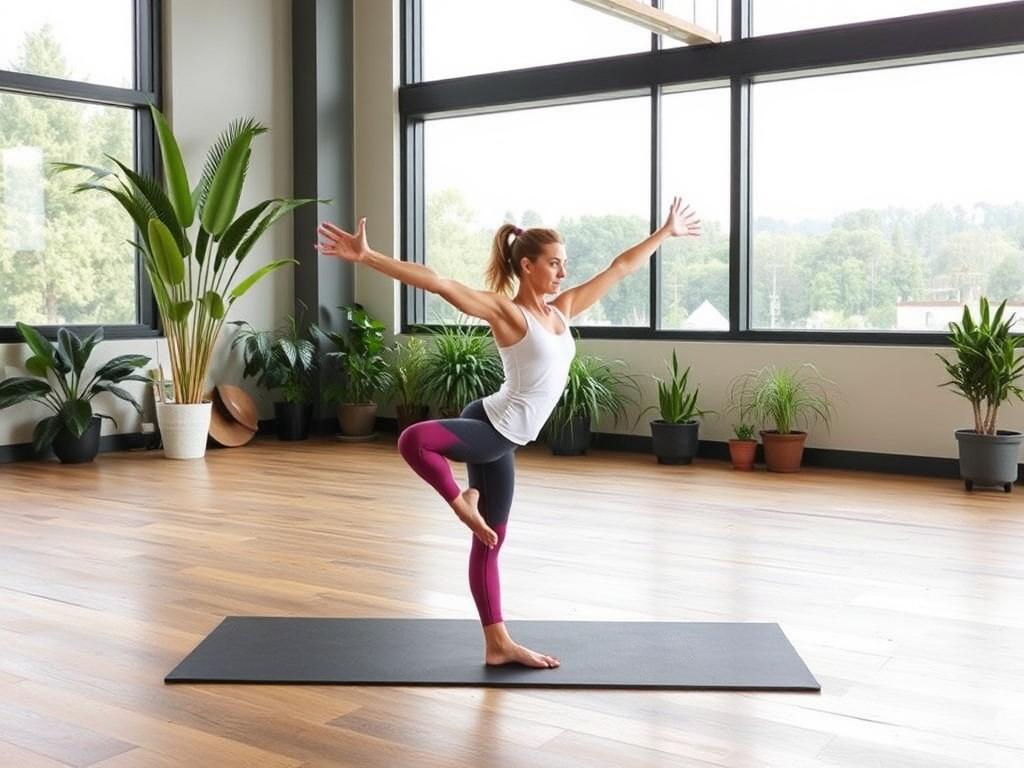
Balance and coordination shape how we move through life: from standing up in the kitchen to pivoting on a soccer field. This article dives into practical methods and exercises — Упражнения для баланса и координации — you can use at home, at the gym, or on the field to build steadiness, reduce injury risk, and move with more confidence. Read on for assessments, progressions, programming, and real-life tips that actually work.
What balance and coordination really are
Balance is the body’s ability to maintain its center of mass over its base of support. It depends on a trio of systems: the vestibular apparatus in the inner ear, proprioceptors in muscles and joints, and visual input. When those systems communicate smoothly, you can stand, walk, and react to disturbances without thinking about every micro-adjustment.
Coordination refers to how different muscles and body parts work together to produce smooth, efficient movement. Good coordination means timing, rhythm, and scaling of force are appropriate for the task — whether catching a ball, climbing uneven stairs, or shifting weight during a dance move. Improving coordination often improves balance and vice versa, because each trains the nervous system to organize movement better.
Why you should prioritize balance and coordination
Better balance reduces the chance of falls, which is especially important as we age. Falls are a leading cause of loss of independence, and a few targeted exercises can swing the odds in your favor. Athletes gain performance advantages too: faster pivots, more controlled landings, and improved agility all stem from sharper balance and coordination.
Beyond safety and sport, balance training enhances everyday quality of life. Simple tasks — stepping off a curb, carrying groceries while turning — become easier and less tiring. I’ve seen older clients reclaim confidence after weeks of steady practice, and young athletes translate balance work directly into improved cutting and jump control on the court.
How to evaluate your starting point
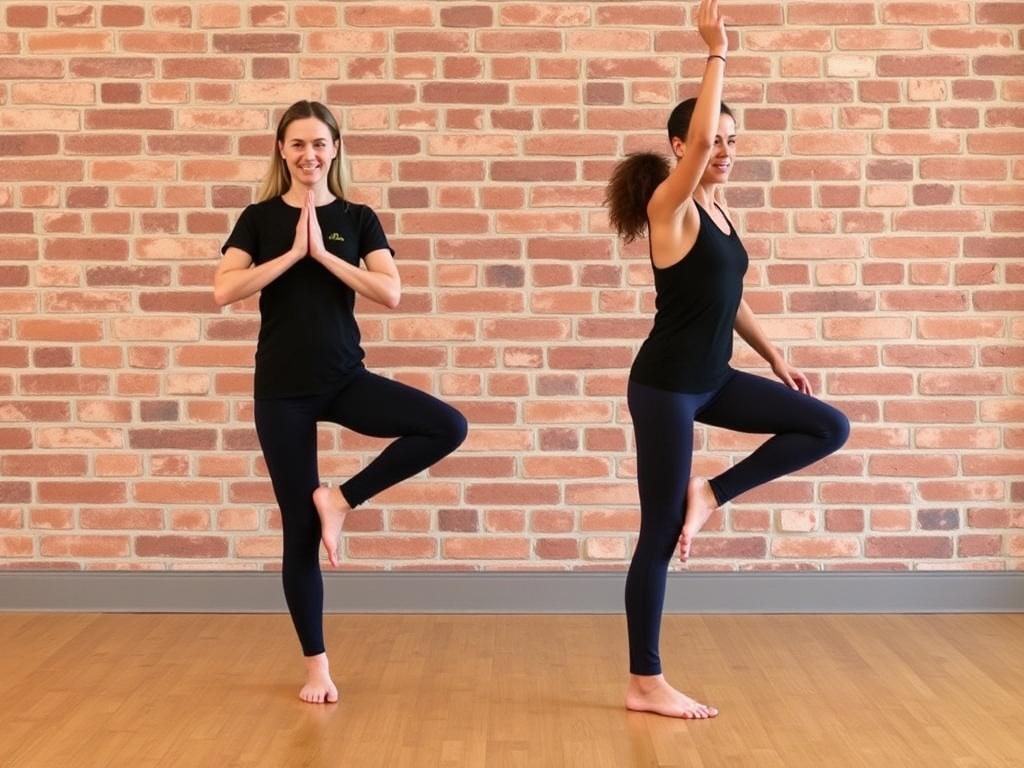
Begin with simple, no-equipment checks to establish a baseline. Try a single-leg stand: time how long you can stand on one foot without the other touching the ground or your hands reaching out for support. Repeat each side and note differences. Small asymmetries are normal, but large discrepancies or frequent loss of balance suggest priorities for training or a professional assessment.
Other useful tests include tandem standing (heel-to-toe), tandem walking, and a timed up-and-go for functional mobility. If you’re an athlete, the Y-Balance Test or a reach test can highlight limb imbalances. Record results, take short videos if helpful, and re-test every 4–8 weeks to track progress and refine your plan.
Principles that make balance training effective
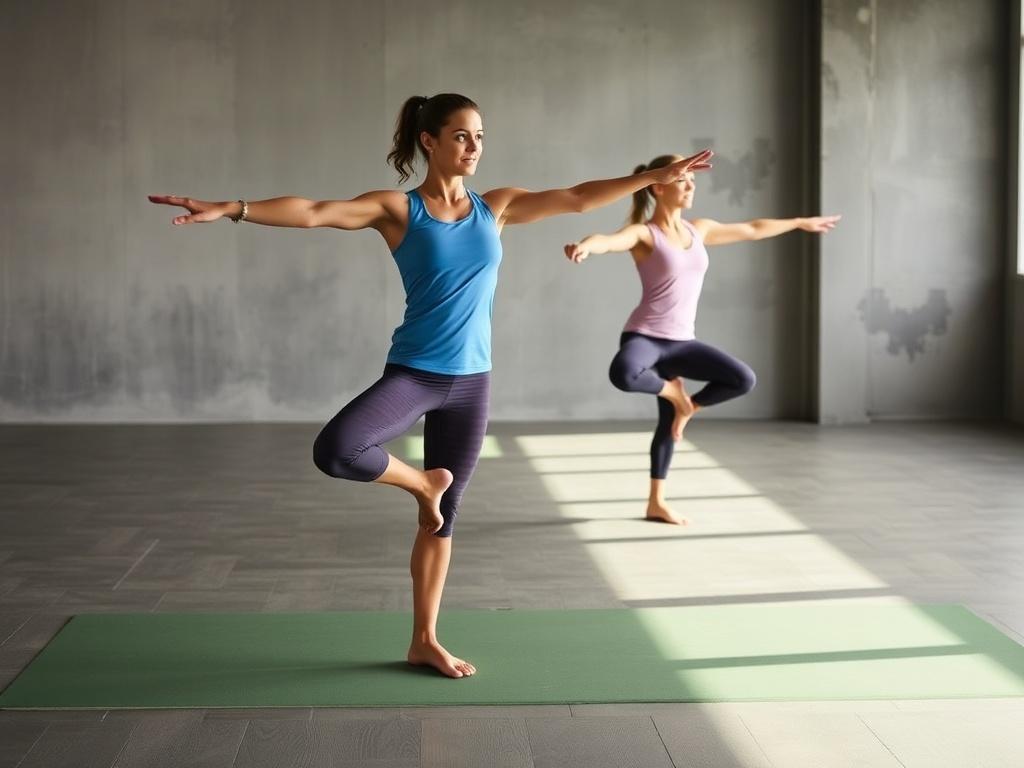
Specificity matters: train in positions, speeds, and contexts that resemble your goals. If you want to improve downhill skiing balance, practice single-leg holds with torsional challenges and variable surfaces rather than just static two-foot holds. The nervous system adapts to the patterns you expose it to, so mimic the demands you expect to face.
Progress gradually by increasing challenge in small steps: reduce base of support, add movement, limit visual cues, or create cognitive distractions. Varying surfaces and task complexity prevents plateaus and builds robust, transferable balance. Finally, consistency is more powerful than occasional intense sessions; frequent short practices often yield better neural learning than sporadic long workouts.
Equipment and surface considerations
You don’t need fancy gear to train balance, but the right tools can speed progress and add variety. Barefoot practice or minimal shoes on safe surfaces increases sensory feedback from the feet, enhancing proprioception. When you’re ready to introduce instability, a foam pad, wobble board, or BOSU ball provides graded challenge without excessive risk.
Use shoes and surfaces appropriate to the task. Training barefoot on a slippery tile is a poor idea; choose non-slip mats or flat concrete for beginners. For athletes, replicate competition footwear and playing surfaces during later-stage work to ensure gains carry over to game conditions.
Beginner exercises you can start today
Start with stable, low-risk drills to teach the nervous system to recruit muscles efficiently. These foundational movements create a strong base for more complex challenges and help build confidence. Repeat exercises three to five times weekly for at least four weeks before moving up the ladder.
Simple, effective options include:
- Double-leg stance with eyes open and then closed
- Single-leg stand, near a support for safety
- Tandem stance (heel to toe) progressing to tandem walk
- Slow weight shifts side-to-side and front-to-back
- Marching in place with controlled transfer of weight
For each exercise, aim for sets of 30–60 seconds or 8–15 controlled repetitions, focusing on steady breathing and balance quality rather than speed. If you wobble, gently steady yourself and attempt another rep; the nervous system learns from near-misses as well as perfect reps.
Intermediate drills to build resilience
Once basic single-leg holds are comfortable for 30–60 seconds, introduce movement and sensory challenges. Add arm reaches, head turns, and slow squats on one leg to force coordination under changing demands. Introduce a foam pad or balance cushion to alter proprioceptive feedback and force greater central nervous system engagement.
Intermediate exercises to consider:
- Single-leg Romanian deadlifts with light resistance
- Step-downs from a low box, controlled on the descent
- Lateral lunges with emphasis on controlled return
- Bosu ball single-leg balance with gentle knee bends
- Cossack squats for hip mobility and lateral control
Progress by increasing range of motion, time under tension, or the complexity of the task. For athletes, add direction changes and sport-specific components like catching a ball while balancing or reacting to a partner’s move.
Advanced exercises for athletes and high-demand activities
High-level training blends speed, unpredictability, and multi-planar movement. Plyometrics with focus on soft, balanced landings, single-leg hopping drills, and reactive partner drills sharpen the neuromuscular system for fast corrections. These exercises demand prior strength, joint stability, and reliable technique.
Advanced examples include:
- Single-leg bounds with controlled landings
- Reactive agility drills with unexpected directional cues
- Dynamic balance on wobble boards with weighted throws
- Eyes-closed single-leg hops to challenge vestibular and proprioceptive systems
- Sport-specific compound tasks performed under fatigue
Always ensure a safe environment and consider supervision for high-risk drills. Fatigue increases fall risk and technique breakdown, so schedule advanced work when you can maintain sharp form.
Designing a program: frequency, volume, and progression
A simple, sustainable approach wins: two to four short sessions per week produces noticeable gains. Each session can be 15–30 minutes long, including a light warm-up and 10–20 minutes of targeted balance work. For most people, three sessions per week strikes a good balance between stimulus and recovery.
Structure sessions around sets and progressions. Begin with two to three baseline exercises, then add one or two skill or power components as you improve. Log sets, times, and difficulty so you can increase challenge systematically — for example, move from two-foot eyes-closed holds to single-leg holds, then to unstable surface single-leg holds.
Sample four-week progression
Below is a concise plan you can adapt to your fitness level. Progress only when exercises feel controlled and the movement quality is high. Increase challenge by changing base of support, adding movement, or reducing sensory input.
| Week | Focus | Sample session (3x/week) |
|---|---|---|
| 1 | Foundations | Double-leg eyes open 2x60s, single-leg 2x20s each, weight shifts 3×10 |
| 2 | Single-leg control | Single-leg hold 3x30s, tandem walk 3×10 steps, step-downs 3×8 each |
| 3 | Intermediate complexity | Single-leg RDL 3×8, foam pad balance 3x30s, lateral lunges 3×10 |
| 4 | Dynamic challenge | Single-leg hops 3×6, reactive drills 3x30s, BOSU balance with tosses 3x20s |
Warm-up and cool-down for balance sessions
A focused warm-up prepares joint receptors and increases blood flow to the muscles that stabilize joints. Start with 5–8 minutes of light cardio — a brisk walk, light cycling, or step-ups — followed by dynamic mobility: ankle circles, hip hinges, and gentle single-leg marching. These movements prime the nervous system for balance work.
After balance training, cool down with gentle static stretches for the calves, hamstrings, glutes, and hips. Finish with a few slow controlled breathing cycles and perhaps a short mindfulness check-in; balance is partly physical and partly attention, and closing the session softly reinforces body awareness.
Footwear, barefoot work, and sensory feedback
Feet provide a wealth of sensory information to guide balance. Training barefoot or in thin-soled shoes enhances plantar feedback, improving coordination between the feet and the rest of the body. However, barefoot work is best started on clean, non-slip surfaces to reduce injury risk and allow your feet to adapt gradually.
For outdoor or uneven-surface training, supportive footwear that protects while preserving feedback can be useful. If you have diabetes, neuropathy, or other foot conditions, consult a healthcare professional before prolonged barefoot practice. In those cases, choose shoes that offer protection and moderate feedback rather than going barefoot.
How vision, vestibular system, and proprioception interact
Balance relies on three streams of information. Vision provides external orientation; the vestibular system signals head movement and gravity; proprioceptors inform joint position and muscle length. Training that manipulates one or more of these inputs forces the brain to reweight sources and build more adaptable strategies for balance.
For example, closing the eyes removes visual cues and forces reliance on vestibular and proprioceptive inputs. Turning the head while balancing challenges the vestibular system. Practicing on foam reduces reliable proprioceptive feedback from the ankles and forces the hips and torso to compensate. These manipulations are tools — use them progressively and safely.
Balance training for older adults
Older adults benefit immensely from targeted balance work, often seeing reductions in fall frequency and improved confidence. Start with slow, supervised practice and prioritize safety: perform exercises near a railing or chair, and avoid challenging tasks without support until technique is reliable. Emphasize lower-body strength, especially in the hips and ankles, because strength deficits commonly underlie balance problems.
Evidence supports group classes and home programs that include balance, strength, and gait components. Simple daily practices—like standing on one foot while brushing teeth or doing controlled sit-to-stands—accumulate meaningful improvements. In my work with seniors, the combination of short daily balance tasks and weekly supervised sessions yielded stronger, steadier walking and fewer close calls on stairs.
Training children and adolescents
For young people, balance and coordination training supports motor skill development and reduces injury risk in sports. Playful exercises that hide the training behind games often work best: obstacle courses, balance beams, hopscotch, and rhythm-based activities keep engagement high while teaching stability and timing. Keep sessions varied and brief to match shorter attention spans.
Progress with age and skill level, and mix in unilateral activities to build limb independence. Young athletes often respond quickly to balance work, translating improved control into better agility and fewer ankle sprains. Encourage barefoot play on safe surfaces to enhance foot development and sensory feedback when appropriate.
Rehabilitation considerations and working with professionals
If you’re recovering from injury or have neurological conditions, balance training should be coordinated with a physical therapist or medical professional. They can design graded progressions that respect healing timelines and address compensations or weakness patterns. Rehabilitation exercises often prioritize symmetry, joint control, and safe progression to load-bearing tasks.
Even small, well-prescribed exercises can accelerate recovery. For example, after ankle sprain, early proprioceptive training such as wobble board taps and single-leg balance helps restore reflexive control and reduces re-injury risk. Trust professional guidance where pain, instability, or dizziness are present.
Sports-specific integration: making balance transfer to play
To make balance gains meaningful for sport, integrate them into skills and decision-making scenarios that mimic competition. Rather than only doing isolated single-leg holds, practice catching, cutting, and reacting while under balance challenge. This creates context-specific neuromuscular adaptations that transfer into better performance on game day.
Examples: basketball players practice layup footwork starting from a foam pad to simulate defensive contact; soccer players perform quick direction changes after single-leg hops; skiers use unstable surface rotational drills to prepare for varied snow conditions. These hybrid drills create the link between static control and dynamic, sport-relevant movement.
Common mistakes and how to avoid them
Many people rely on raw intensity rather than quality. Fast, sloppy reps teach the nervous system poor patterns and increase injury risk. Slow down, prioritize control, and only increase intensity once form is consistent. Small, precise repetitions often produce larger long-term gains than rapid, noisy practice.
Another mistake is neglecting strength and mobility. Balance isn’t only about wobble boards; adequate ankle dorsiflexion, hip strength, and core stability are foundations. Pair balance drills with strength work such as squats, lunges, and calf raises to build the physical capacity that balance tasks demand.
Tracking progress: what to measure and how often
Quantify changes with simple, repeatable tests: single-leg hold time, tandem walk steps without error, or the number of successful hops in a set. For athletes, record sport-specific markers like cutting agility time or landing stability on a force plate if available. Test every four to eight weeks and use video to analyze movement quality over time.
Subjective measures also matter. Note whether you feel steadier on stairs, less wobbly after a long day, or more confident during fast-change movements. Improvements in daily function often precede measurable changes in formal tests, and both types of feedback are useful for keeping motivation high.
Integrating cognitive challenge and dual-tasking
Real life rarely requires balance in isolation; you often carry groceries while talking or look around while walking. Introducing cognitive tasks—counting backwards, naming words in a category, or responding to a partner’s questions—creates a dual-task environment that trains attentional allocation and reveals hidden deficits in balance. Start easy and increase cognitive load carefully.
Dual-task practice is particularly valuable for older adults and athletes who must maintain attention under pressure. For example, practice walking a line while performing simple math or balancing on one leg while catching and tossing a ball and responding to colors called out by a partner. These combinations help the brain coordinate balance and thinking simultaneously.
Recovery, sleep, and nutrition: the overlooked factors
Neural learning depends on recovery. Sleep consolidates motor learning and helps the brain encode new balance patterns, so aim for consistent quality sleep to maximize gains. Similarly, general nutrition that supports repair and brain function — adequate protein, omega-3s, and micronutrients — complements training adaptations. These lifestyle factors are often the difference between good and great progress.
Hydration matters too, especially for older adults whose thirst response changes with age. Dehydration can impair cognition and coordination, increasing fall risk. Treat balance work as part of a whole-health approach rather than an isolated fitness hobby.
Sample exercise library with cues
Below are clear cues for common exercises to help you execute them safely and effectively. Use a mirror or video occasionally to check alignment and symmetry, and prioritize subtle corrections over adding more reps prematurely.
- Single-leg stand: keep hips level, slight bend in the standing knee, eyes focused on a fixed point ahead.
- Single-leg RDL: hinge from hips, keep spine neutral, reach toward the floor while lifting the non-stance leg behind you.
- Tandem walk: step heel-to-toe with a steady gaze forward, arms relaxed or slightly out for balance if needed.
- Step-down: step off a low box slowly, control the descent with the standing leg and avoid knee collapse inward.
- Bosu squats: stand on flat side, squat to comfortable depth, focus on soft knees and steady breath.
Adapting exercises for pain or limited mobility
If pain limits full range of motion, reduce range and focus on control within pain-free windows. Partial range single-leg stands, elevated assistive surfaces, or seated balance progressions can maintain neuromuscular engagement while respecting tissue healing. Always consult a clinician for new or worsening pain patterns.
For joint replacements or chronic conditions, emphasis on symmetry, strength, and slow progression reduces risk. Use support when needed and aim for gradual reduction of assistance as confidence and capacity grow. The goal is sustainable improvements rather than fast but risky leaps in difficulty.
Using technology: apps, wearables, and feedback tools
Smartphone apps and balance boards with biofeedback can provide objective measures and gamification to increase adherence. Wearables that monitor movement symmetry or postural sway offer data-driven insights, but they’re not necessary for progress. If you use technology, let it inform rather than dictate programming — the human eye and consistent practice remain powerful.
Video recording is a low-tech, highly effective tool. Record periodic sessions from multiple angles to spot asymmetries and postural drift that you can’t feel in the moment. Small visual corrections often yield immediate improvements, and videos provide motivating evidence of change over months.
How long until you see results?
Neural adaptations begin quickly; many people notice better steadiness and confidence within two to four weeks of consistent practice. More structural or strength-related changes take longer, typically eight to twelve weeks, as muscles and connective tissues adapt. Consistency matters more than intensity: regular short practices often deliver steady, reliable gains.
Expect plateaus and plan for them — introduce variety, challenge the sensory systems differently, or increase complexity to jumpstart progress. Celebrate small wins: maintaining balance while turning your head, or reducing the number of wobbles during a single-leg squat are meaningful milestones.
Real-life examples from practice
Working with a middle-aged recreational runner, I swapped extra miles for three focused balance sessions per week during a six-week block. The result was fewer ankle rolls during trail runs and improved confidence on uneven ground. Simple single-leg strength and reactive hops integrated into her routine made running more resilient without adding heavy mileage.
Another client, a retired teacher, came in fearful of stairs after a minor fall. We started with chair-supported single-leg holds and controlled step-downs, gradually removing support and adding multitask elements. Within two months she reported climbing stairs without thinking twice and resumed her volunteer work in a multi-floor building — a quiet but powerful victory.
When to seek professional help
If balance problems are sudden, accompanied by dizziness, double vision, slurred speech, weakness, or numbness, seek immediate medical attention — these can be signs of serious neurological events. For chronic instability, recurrent falls, or persistent dizziness, a referral to a physical therapist or neurologist is appropriate. They can perform detailed assessments and design tailored rehabilitation plans.
Even without alarming symptoms, if your progress stalls or you feel unsure about exercise technique, a few sessions with a qualified coach or therapist can accelerate gains and ensure safety. Investing in professional guidance early often prevents setbacks and keeps you moving forward.
Tips to make balance training stick
Make exercises habitual by pairing them with daily routines: single-leg stands while brushing teeth, tandem walks during phone calls, or a balance circuit at the end of a workout. Keep sessions short, varied, and enjoyable to maintain motivation. Set measurable goals and revisit them monthly to keep momentum.
Find a training partner or join a class. Social accountability and playful competition increase adherence and make the work feel like a shared challenge rather than a chore. I’ve found that clients who join group balance classes show better long-term consistency than those trying to do everything alone.
Final practical checklist before you train
Quickly run through this checklist to keep sessions safe and effective: choose appropriate footwear or go barefoot on a non-slip surface, warm up briefly, have a sturdy support nearby, start with easier variations, and increase difficulty only when form is solid. Keep sessions regular and track your progress.
Balance and coordination are skills — they respond to deliberate practice, patience, and sensible progression. With the right blend of strength, sensory challenge, and context-specific drills, almost anyone can become steadier, more confident, and better prepared for the unpredictable moments life throws at them.