
Targeting fat in a single spot is a familiar frustration: you can tone the muscle, but fat loss follows whole-body patterns. If you’ve searched for Как убрать жир с внутренней стороны бедра or similar phrases, you’ve probably found a tangle of myths and quick fixes that don’t last. This article lays out science-based nutrition, training, recovery, and lifestyle strategies to reduce inner-thigh fat while improving strength, mobility, and confidence.
Why inner-thigh fat can feel impossible to change
Fat distribution is strongly influenced by genetics and hormones. Some people naturally store more adipose tissue in the inner thighs, hips, or belly, and those patterns are determined long before lifestyle choices come into play.
Hormones like estrogen, insulin, and cortisol affect how and where the body stores fat. For example, higher estrogen activity often favors fat deposits around the hips and thighs, making that region more resistant to change for many women.
Metabolic rate, muscle mass, and age also shape how quickly you lose fat. As muscle declines with age, resting calorie burn drops, which means you need to become more intentional with activity and nutrition to create a sustainable calorie deficit.
Set realistic goals and measure progress smartly
Start by defining measurable, time-based goals that focus on habits and outcomes, not just appearance. Instead of promising “thighs gone in two weeks,” aim for specific targets such as “lose 1–2% body fat in 8–12 weeks” or “perform three strength workouts weekly for three months.”
Use multiple ways to track change: scale weight, body measurements, progress photos, and strength or endurance improvements. Inner-thigh circumference taken at the same point each time gives better feedback than weight alone.
Expect plateaus and small regressions; they are part of the process. Plan checkpoints every 2–4 weeks and adjust nutrition, training volume, or recovery if progress stalls for more than two consecutive assessment periods.
Nutrition: the foundation of fat loss
Fat loss happens primarily through a sustained calorie deficit. That means burning more energy than you consume over weeks and months, not through short, drastic measures that lead to rebound weight gain.
A moderate deficit of 300–500 calories per day is a practical starting point for most people. This pace supports fat loss while preserving muscle and energy for workouts, which is crucial when targeting stubborn areas like the inner thighs.
Focus protein intake to protect lean mass and improve satiety. Aim for about 0.7–1.0 grams of protein per pound of body weight daily, adjusting upward if you’re in a larger deficit or training intensely.
Carbohydrates and fats both play useful roles: carbs fuel higher-intensity sessions and recovery, while fats support hormone production and fullness. Rather than demonizing one macronutrient, distribute calories to support training and adherence.
Practical meal strategies that stick
Prioritize whole foods: vegetables, lean proteins, legumes, whole grains, nuts, seeds, and moderate fruit. These choices help control hunger and provide micronutrients for energy and recovery.
Practice simple portion control and mindful eating. Use a plate-half method—half vegetables, a quarter lean protein, a quarter whole-grain or starchy vegetable—to keep portions balanced without daily calorie counting.
If tracking calories works for you, maintain consistency for at least two weeks before judging results. If obsessive tracking harms your relationship with food, adopt qualitative measures like balanced plates and consistent protein servings instead.
Sample macronutrient guideline table
The table below provides a starting point, not a prescription. Adjust based on performance, satiety, and results.
| Goal | Protein | Carbs | Fats |
|---|---|---|---|
| General fat loss | 0.7–1.0 g/lb body weight | 30–50% of remaining calories | 20–35% of total calories |
| Athletic performance | 0.8–1.2 g/lb | 45–55% of calories | 20–30% of calories |
| Low-carb preference | 0.8–1.2 g/lb | 20–35% of calories | 30–40% of calories |
Cardio and conditioning: pick the right tools
Cardiovascular exercise helps create the calorie deficit and improves cardiovascular health, but endless steady-state cardio is not the only answer. A mix of modalities yields better results and keeps training sustainable.
High-intensity interval training (HIIT) is time-efficient and effective for burning calories and improving metabolic markers. Short bursts of effort followed by recovery periods can increase post-exercise calorie burn and maintain muscle when paired with strength work.
Low-intensity steady-state (LISS) cardio like brisk walking or cycling complements HIIT by adding volume without excessive recovery costs. Regular LISS sessions also support daily calorie burn and recovery by promoting circulation.
Strength training: the most important component
Building and maintaining muscle is essential for long-term fat loss and appearance. Strength training increases resting metabolic rate and shapes the legs, so the thigh area looks firmer as you lose fat.
Compound lifts that involve the hips and knees—squats, deadlifts, lunges—target the entire lower body and burn more energy than isolated moves. Don’t shy away from heavy loads; progressive overload stimulates muscle growth and strength.
Include targeted inner-thigh exercises as accessory work. While they won’t melt fat from the region, they strengthen the adductor muscles and improve overall leg function, contributing to better shape as fat decreases.
Effective exercises for inner-thigh strength
Adductor-focused moves such as standing adduction with a cable, lying leg adductions, and Copenhagen side planks build the inner-thigh musculature. Use moderate-to-heavy resistance with controlled tempo to elicit adaptation.
Functional compound options like sumo squats and wide-stance deadlifts shift more emphasis to the inner thighs. Incorporate these variations periodically to introduce a new stimulus and avoid training monotony.
My own training routine includes twice-weekly leg sessions that mix compound lifts and adductor-focused accessories. Over months, I noticed the inner-thigh area becoming stronger and firmer even before seeing large shifts on the scale.
Sample lower-body workout you can use twice weekly
This session balances heavy compound work and adductor accessory exercises. Adjust sets and weights to match your current level and recovery capacity.
- Warm-up: 5–10 minutes dynamic mobility and light cardio
- 1) Barbell back squat: 4 sets of 6–8 reps
- 2) Romanian deadlift: 3 sets of 8–10 reps
- 3) Bulgarian split squat: 3 sets of 8–10 reps per leg
- 4) Sumo goblet squat: 3 sets of 12–15 reps
- 5) Standing cable adduction or banded adduction: 3 sets of 12–15 reps per side
- Cool-down: light stretching for hips and inner thighs
Rest 60–120 seconds between heavier sets and 30–60 seconds for accessory work. Progress by adding weight or reps every 1–2 weeks, focusing on quality movement.
Mobility, flexibility, and recovery
Inner-thigh tightness can limit exercise quality and increase injury risk. Spending time on mobility work for the hips and adductors improves squat depth, lunge mechanics, and daily comfort.
Foam rolling, soft tissue work, and dynamic stretching before training help prepare the muscles. After workouts, gentle static stretching and foam rolling support recovery and keep tissues supple.
Sleep and stress management are often overlooked but vital. Inadequate sleep increases cravings, impairs recovery, and raises cortisol, all of which can interfere with fat loss, particularly in stubborn areas.
Non-surgical cosmetic options explained
Some people choose non-surgical procedures to reduce localized fat. Treatments such as cryolipolysis (CoolSculpting) and radiofrequency-based fat reduction can reduce small pockets of fat, but they are not substitutes for overall fat loss and healthy habits.
Results vary and often require multiple sessions. These treatments are most effective for those near their goal body fat who want fine-tuning rather than a primary weight-loss method.
Consult a board-certified clinician, review realistic expectations, and consider cost and downtime. Procedures do not prevent future fat gain, so maintaining healthy nutrition and activity levels is essential afterward.
Surgical options: what to know before considering liposuction
Liposuction removes fat cells directly and can sculpt the inner thigh area effectively when performed by an experienced plastic surgeon. It is a surgical procedure with inherent risks and recovery time, and it should be approached cautiously.
Ideal candidates are generally at or near their target weight but want targeted contouring. The surgeon will assess skin elasticity, the amount of fat to be removed, and asymmetries to determine suitability.
Recovery commonly involves swelling, bruising, compression garments, and several weeks of modified activity. Long-term success depends on maintaining a stable weight; fat can accumulate in other body areas if weight increases after surgery.
Hormones, age, and special considerations
Hormonal imbalances can make fat loss harder in specific regions. Conditions like polycystic ovary syndrome (PCOS) and hypothyroidism alter metabolism and fat distribution, requiring medical evaluation and tailored strategies.
Aging shifts fat storage patterns and reduces muscle mass, so older adults often need more deliberate resistance training and protein intake to preserve lean tissue. Adjusting calorie targets downward slightly and emphasizing strength work helps mitigate age-related changes.
If you suspect a hormonal issue or have irregular weight patterns despite consistent effort, consult a healthcare provider for testing and individualized guidance. Medication or hormone therapy may be part of a comprehensive plan for some people.
Common myths and why they mislead
Spot reduction is the idea that you can burn fat from one specific area by exercising that muscle exclusively. Scientific evidence does not support this; fat loss occurs systemically based on overall calorie balance.
Myth: Doing endless inner-thigh exercises will make fat disappear. Reality: Targeted exercises strengthen the muscle but do little to influence fat stores unless paired with overall fat loss.
Myth: Supplements melt fat in certain spots. Reality: No supplement selectively removes fat from the inner thighs. Supplements may support energy or appetite control, but they are not magic bullets.
Myth: Quick-fix diets permanently solve targeted fat. Reality: Rapid weight loss often leads to muscle loss and rebound gain, which can worsen body composition and shift where fat is stored.
Behavioral strategies to stay consistent
Small, consistent habits produce the biggest long-term changes. Daily choices—meal planning, scheduled workouts, sleep routines—compound over weeks and months into meaningful results around the thighs and elsewhere.
Build routines that match your lifestyle and preferences. If mornings are hectic, train in the evening or split workouts into shorter sessions; if you enjoy walking, make it a daily low-intensity habit that supports calorie balance and recovery.
Use accountability tools such as a training partner, coach, or simple habit tracker. When I coached clients, those who tracked at least one measurable behavior—workouts completed or protein grams—kept adherence far longer than those without measures.
What to do when progress stalls
Plateaus are normal. If weight or measurements stop changing for three to four weeks, review calorie intake and activity levels first. Small, deliberate adjustments are better than abrupt, unsustainable changes.
Optionally reduce daily calories by 100–200 kcal or increase daily activity through extra walks, a brief HIIT session, or an extra strength training set. Monitor the effect for two weeks before making more drastic changes.
Also check sleep quality, stress, and training intensity. Non-diet factors like poor sleep or overtraining can blunt fat loss, so balance is key: sometimes a planned recovery week produces better results than cutting more calories.
Tracking tools and how to use them effectively
Choose tools that support long-term sustainability. Scales, measuring tapes, progress photos, and performance logs tell different parts of the story and together give a reliable picture of change.
Take photos every two weeks in similar lighting and clothing to objectively compare shape. Record strength numbers and endurance capacity to celebrate non-scale wins that indicate improved body composition.
Beware of daily scale fluctuations; track a 7-day average to smooth water and glycogen-related changes. Consistent measurement practices reduce anxiety and help you make informed adjustments.
Sample 12-week plan to reduce inner-thigh fat
This structured program combines progressive strength work, cardio variety, and dietary guidance. It’s adaptable for beginners or intermediate trainees by adjusting volume and intensity.
Weeks 1–4: Establish routine and create a sustainable calorie deficit. Focus on three strength sessions per week with compound lower-body emphasis and two weekly cardio sessions (one HIIT, one LISS).
Weeks 5–8: Increase intensity and volume modestly. Add sets or heavier weights, extend HIIT intervals slightly, and include two adductor-focused accessory days to build inner-thigh muscle.
Weeks 9–12: Shift toward performance and refinement. Maintain strength progression, increase walking or non-exercise activity, and narrow calorie deficit only if progress slowed previously. Add mobility and recovery sessions to support training load.
Sample week schedule
This practical weekly layout balances training, conditioning, and recovery while keeping days manageable.
| Day | Plan |
|---|---|
| Monday | Strength: Lower body (heavy), adductor accessories |
| Tuesday | Cardio: HIIT 20–25 minutes + mobility |
| Wednesday | Strength: Upper body + core |
| Thursday | Active recovery: 30–45 min walk or yoga |
| Friday | Strength: Lower body (volume) + adductor work |
| Saturday | Cardio: LISS 30–60 minutes |
| Sunday | Rest or gentle mobility |
How to modify training for different fitness levels
Beginners should prioritize learning movement quality before loading heavily. Start with bodyweight or light weights, focusing on full range-of-motion and controlled tempo to build a base of strength and confidence.
Intermediate trainees can increase sets, incorporate more challenging variations, and use programmed progression. Consider periodizing intensity every 3–6 weeks for steady gains without burnout.
Advanced lifters may add tempo changes, paused reps, and eccentric overload to stimulate adaptation. Maintain a balance between training stress and recovery to avoid injury, particularly around the hips and adductors.
Injury prevention and when to see a specialist
Sharp or persistent inner-thigh pain during exercise is not normal. If pain limits your range of motion or continues beyond a week despite rest and conservative measures, consult a physical therapist or sports medicine professional.
Common adductor issues include strains and tendinopathy, often from sudden acceleration, imbalance, or poor movement mechanics. Rehabilitation emphasizes eccentric strengthening and progressive loading to rebuild resilience.
Prevent injuries by warming up properly, prioritizing movement quality, avoiding excessive sudden increases in volume, and including mobility work to maintain tissue health.
Mental habits that sustain change
Long-term success comes from a mindset shift: treating fitness and nutrition as lifestyle elements, not short-term punishments. Frame changes as additions—more strength, clearer sleep, better mood—rather than deprivation.
Celebrate consistent behaviors instead of intermittent outcomes. Recognize that sticking to workouts, choosing protein-rich meals, and sleeping well are successes independent of weekly scale changes.
Be patient and compassionate. Body changes occur gradually, and harsh self-criticism undermines motivation and consistency. Momentum builds when you reward effort and adjust plans with curiosity rather than blame.
Realistic timelines and what to expect
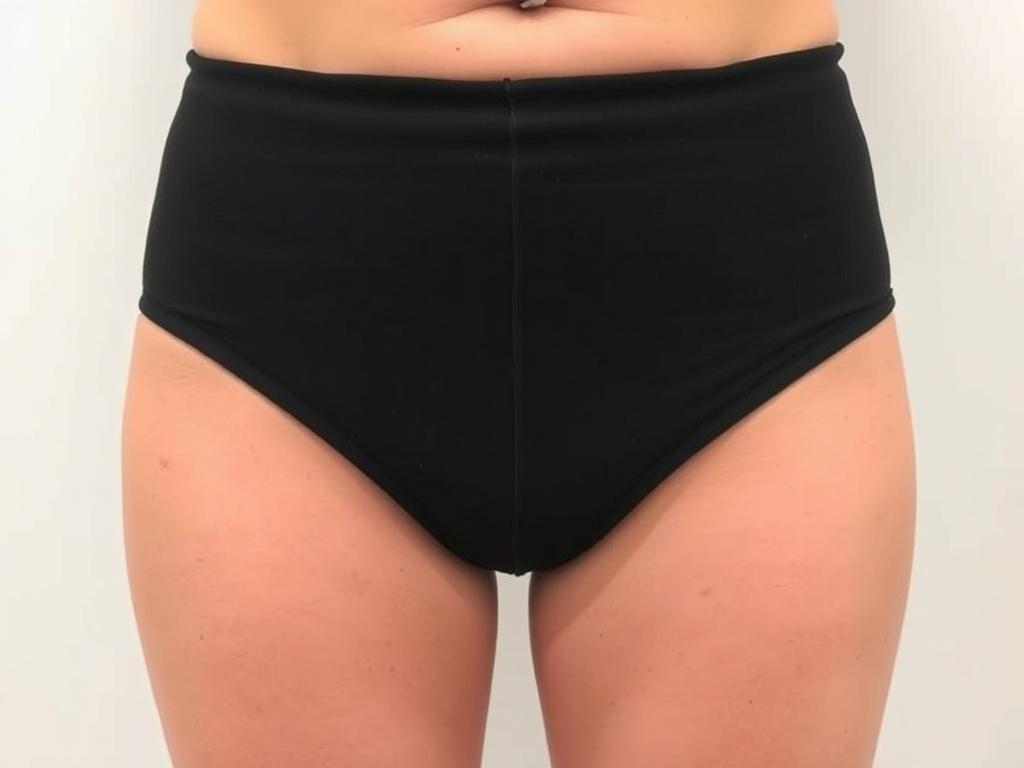
Noticeable changes in body composition typically take 8–12 weeks of consistent effort. Early changes often include improved muscle tone, increased energy, and small reductions in measurements before dramatic visual differences appear.
Significant reductions in inner-thigh fat can take several months to a year depending on starting body fat, genetics, and adherence. Sustainable progress prioritizes habits you can maintain for years, not quick fixes that fade.
Monitoring progress holistically—strength, clothing fit, photos, and measurements—keeps motivation intact when the scale slows. Celebrate incremental wins and use them to propel continued effort.
Practical tips for daily life and movement

Small activity choices accumulate. Take stairs, stand during phone calls, and add short walks after meals to increase daily calorie burn without formal workouts every day.
Choose clothes that support training and movement comfort, not ones that restrict. Comfortable, well-fitting activewear makes consistent exercise easier and reduces friction-related issues in the inner thighs.
Prepare meals or at least plan protein choices for busy days. Having cooked lean proteins and vegetables ready reduces reliance on convenience foods that can derail calorie targets.
When cosmetic help may be appropriate
Consider non-surgical or surgical options only after you’ve optimized diet, training, and recovery and still desire further refinement. These interventions can offer targeted contouring, but they carry costs, risks, and maintenance needs.
Discuss all options with qualified professionals, ask for before-and-after photos of similar body types, and ensure realistic expectations. Good outcomes often result from combining small procedural changes with continued healthy habits.
Remember that medical or cosmetic treatment doesn’t replace foundational lifestyle work; it complements it. Maintain your nutrition and training afterward to preserve and enhance results.
Final practical checklist to start tomorrow
Begin with three simple actions: create a modest calorie deficit, schedule three weekly strength sessions that include lower-body work, and add two cardio or active-recovery sessions. These steps set the foundation for gradual fat loss.
Add protein-rich meals, prioritize sleep, and commit to a weekly measurement routine—photos, tape measure, or clothes fit are preferable to daily scale obsession. Adjust gradually rather than making radical changes that are hard to sustain.
Stay patient and consistent. Over months, consistent eating, progressive training, and attention to recovery reshape both inner-thigh appearance and overall health. Small habits, maintained consistently, produce the most meaningful results.
Reducing inner-thigh fat is a process that blends science, patience, and practical behavior change. Follow an evidence-based program, tune it to your preferences and life, and you’ll see the shape of your legs change in ways that last beyond any quick fix.