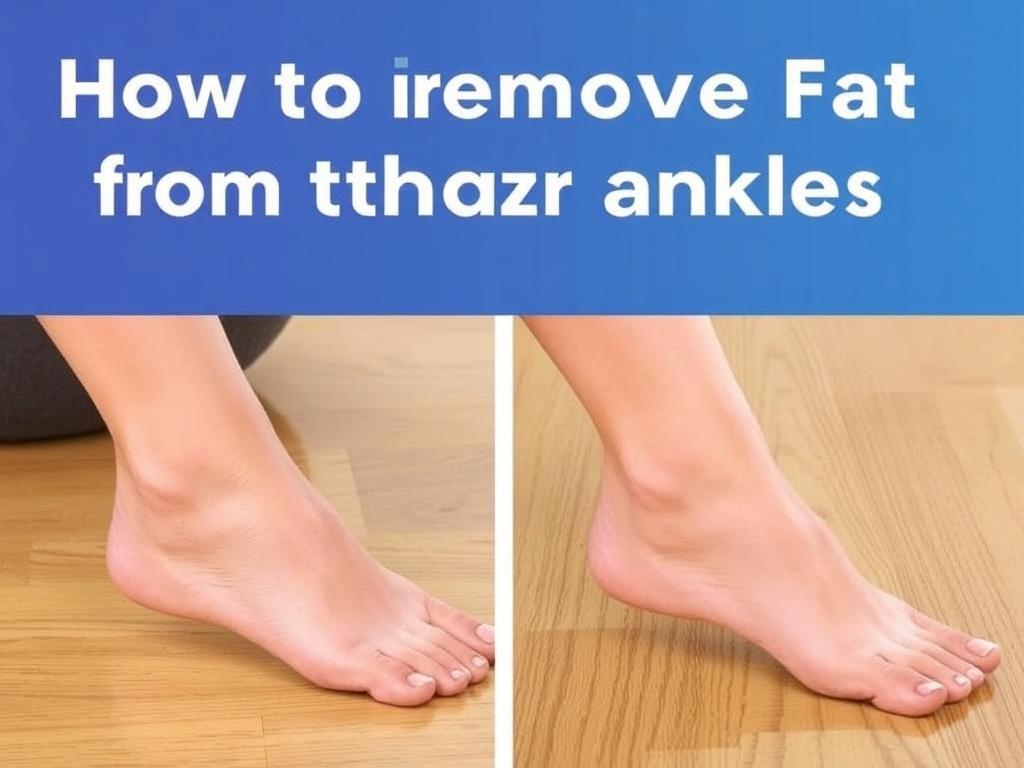
Many people stare at their lower legs and wonder why fat seems stubbornly concentrated around the ankles. The question “Как убрать жир с лодыжек” captures that frustration: it feels specific, personal, and urgent. This article walks through what causes fullness around the ankles, realistic strategies for change, and safe options when simple lifestyle shifts aren’t enough.
Why ankle fullness happens: anatomy and common causes
The area around the ankle contains small pockets of subcutaneous fat, muscles, tendons, and a complex network of lymphatic and venous vessels. How that region looks depends on more than body fat alone; fluid balance, muscle tone, and genetics shape the curve where the calf meets the ankle.
People differ widely in fat distribution. For some, lower-leg fat accumulates as a normal pattern; for others, swelling or underlying medical issues create the appearance of fullness. Correctly identifying the cause is the first practical step toward change.
Genetics, sex hormones, and fat distribution
Genetics largely determines where you store fat. Women often carry more subcutaneous fat in the lower body because of hormones like estrogen; this can include the hips, thighs, and lower legs. That means two people with the same body fat percentage might look very different around the ankles.
Hormonal shifts—pregnancy, menopause, or certain medications—can alter fat distribution or increase water retention. These changes are normal, but they affect how quickly and effectively different strategies will work.
Fluid retention, inflammation, and vascular problems
Not all ankle “fat” is fat. Edema—fluid buildup—can produce puffiness that feels soft and squishy. Sitting for long periods, high sodium intake, heat, and some medications lead to temporary swelling that mimics fatty tissue.
On the medical side, conditions such as chronic venous insufficiency, lymphedema, or lipedema can cause disproportionate lower-leg volume. Lipedema is a painful, symmetric fat disorder that responds poorly to diet alone and often requires specialized care.
The myth of spot reduction and what actually works
You’ve likely heard that doing a thousand ankle circles or calf raises will melt local fat. Science disagrees. Fat loss tends to be systemic: when you create a calorie deficit, your body draws from fat stores across the whole body according to your individual pattern, not only from the area you train.
That said, training the lower leg matters for shape and definition. Building muscle and reducing swelling can make ankles appear leaner even if the scale drops slowly. The practical goal is a combined approach: overall fat loss, targeted strength and mobility, and measures to reduce retention.
Nutrition strategies to slim the lower legs
A sustainable caloric deficit is the cornerstone of fat loss. That means consuming fewer calories than you expend over time. Aim for a moderate deficit—about 300–500 calories per day—which produces steady, maintainable weight loss without extreme hunger or metabolic slowdown.
Macronutrient balance matters. Prioritize lean protein, whole-food carbohydrates, and healthy fats. Protein helps preserve muscle mass during weight loss, which is essential for keeping legs toned and preventing skin sagging.
Hydration plays an underrated role. Paradoxically, drinking adequate water reduces the body’s tendency to retain fluid by supporting kidney function. Coupled with lowering excess sodium and processed foods, hydration is a simple lever to reduce puffiness around the ankles.
Alcohol and refined carbohydrates can promote inflammation and fluid retention; reducing them often leads to noticeable changes in leg appearance. Small, consistent shifts in eating patterns beat temporary crash diets for long-term results.
Sample daily meal plan
Here’s a practical, balanced day of eating designed to support fat loss while preserving muscle—use it as a template, not a prescription. Adjust portion sizes to match your calorie needs.
| Meal | Example |
|---|---|
| Breakfast | Greek yogurt with berries, a tablespoon of chopped nuts, and a small banana |
| Lunch | Grilled chicken salad with mixed greens, quinoa, avocado, and lemon-olive oil dressing |
| Snack | Apple slices with 1–2 tablespoons of almond butter |
| Dinner | Baked salmon, steamed broccoli, and roasted sweet potato |
| Optional evening | Herbal tea or a small portion of cottage cheese if hungry |
Resistance and strength training to shape the lower leg
Strength training builds muscle underneath the fat layer to change the profile of your calves and ankles. Stronger calves and improved ankle stabilizers can create a more toned silhouette even before significant fat loss occurs.
Focus on exercises that load the calves eccentrically and concentrically—this includes standing calf raises, seated calf raises, and heel drops from a step. Progressive overload (gradually increasing weight or reps) drives structural changes in muscle that alter leg shape.
Key exercises and how to do them
Standing calf raises: Stand on a flat surface or the edge of a step, press through the balls of the feet to raise your heels, pause at the top, then lower slowly. Perform 3 sets of 12–20 reps, emphasizing the slow descent.
Seated calf raises: Sit with weight across your knees (or use resistance bands) and lift the heels while keeping toes on the ground. This targets the soleus muscle, which lies beneath the gastrocnemius and helps fill out the lower calf.
Single-leg calf raises, toe walks, and banded dorsiflexion exercises strengthen the smaller muscles around the ankle, improving tone and stability. Include both bilateral and unilateral variations to correct asymmetries.
Cardio choices that help reduce body fat
Cardiovascular exercise increases caloric expenditure and supports heart health. Both steady-state cardio (brisk walking, cycling) and high-intensity interval training (HIIT) can be effective for fat loss when combined with proper nutrition.
Walking, particularly uphill or at a brisk pace, engages the calves and is easy to sustain long-term. Jump rope and hill sprints recruit powerful calf contractions and raise the metabolic cost, accelerating calorie burn in shorter sessions.
How to structure cardio for fat loss
Frequency and consistency matter more than intensity alone. Aim for at least 150 minutes a week of moderate-intensity activity or 75 minutes of vigorous activity, then increase if weight loss stalls. Mix modalities to prevent overuse injuries and boredom.
If you prefer efficient sessions, include 2–3 weekly HIIT workouts of 15–25 minutes. For low-impact choices, prioritize incline walking, cycling, or rowing to protect joints while keeping intensity high enough for results.
Mobility, stretching, and ankle health
Improved ankle mobility reduces compensations that can make the lower leg look bulkier. Tight calves or restricted dorsiflexion force different movement patterns, which can lead to muscular imbalances and apparent fullness around the ankle.
Daily mobility drills—ankle circles, banded mobilizations, and calf stretches—restore range of motion and support better posture and walking mechanics. These are short practices that yield practical changes in how your legs carry weight.
Simple mobility sequence
Perform ankle circles and alphabet writing with your toes to improve joint range. Follow with a standing calf stretch and a seated band-assisted dorsiflexion for two minutes per side. Finish with controlled heel drops from a step to load the calf eccentrically.
Do this sequence after workouts or as a morning ritual. Consistency matters more than length; ten minutes daily significantly improves function over weeks.
Massage, lymphatic drainage, and compression garments
Manual lymphatic drainage and self-massage can reduce fluid buildup and temporarily slim the lower leg. Therapists trained in lymphatic techniques move fluid toward functional lymph nodes using gentle strokes, which helps if swelling is part of the problem.
Compression socks and sleeves provide mechanical support that reduces pooled fluid and improves venous return during the day. They are especially useful for people who stand or sit for long periods and for those with mild venous insufficiency.
At-home self-massage routine
Start with light, upward strokes along the calf toward the knee to encourage fluid movement. Use a gentle oil and spend five minutes per leg, ending at the upper thigh where lymph nodes collect fluid. Avoid deep pressure if you suspect an active vascular disorder—consult a provider first.
Compression should be properly fitted. Overly tight garments can do more harm than good, so seek guidance from a pharmacist or clinician when in doubt.
Non-surgical and surgical options: what to consider
When lifestyle measures don’t deliver the desired change, aesthetic or medical procedures are options. Treatments range from non-invasive fat-reduction technologies to surgical liposuction. Each carries benefits, risks, and costs that deserve careful consideration.
Non-surgical procedures—cryolipolysis (CoolSculpting), radiofrequency, and laser-assisted therapies—aim to reduce local fat with minimal downtime. Results vary, and multiple sessions are often necessary. These treatments are best for localized, small-volume reductions.
| Treatment | Typical result | Downtime | Risks |
|---|---|---|---|
| CoolSculpting (cryolipolysis) | Gradual fat reduction over weeks | Minimal; possible tenderness | Temporary numbness, paradoxical adipose hyperplasia (rare) |
| Liposuction | Immediate contour change | 1–4 weeks recovery depending on extent | Scarring, contour irregularity, swelling, infection |
| Radiofrequency/laser | Fat reduction with skin tightening | Minimal | Burns (rare), uneven results |
When medical evaluation is essential
If you notice sudden asymmetry, persistent pain, skin changes, or worsening swelling that doesn’t respond to lifestyle changes, see a medical professional. Conditions like lymphedema and vascular disease require diagnosis and targeted treatment rather than cosmetic procedures.
A board-certified plastic surgeon or a dermatologist with experience in fat-reduction techniques can advise on candidacy and what to realistically expect. Always ask for before-and-after photos, credentials, and complication rates.
Designing a practical 4-week program
Combine nutrition, resistance training, cardio, and daily mobility to make measurable progress in a month. A short, focused plan builds habits that extend beyond four weeks and sets the stage for continued change.
Here is an approachable weekly outline that balances work and recovery. Adjust intensity based on fitness level and medical history.
| Day | Focus |
|---|---|
| Monday | Strength (lower body emphasis: calf raises, single-leg movements) |
| Tuesday | Cardio steady state (45-minute brisk walk or cycling) |
| Wednesday | HIIT (20 minutes) + mobility |
| Thursday | Strength (full body) + calf mobility |
| Friday | Active recovery: gentle yoga or walk + compression if needed |
| Saturday | Cardio intervals (hill sprints or incline treadmill) + calf strengthening |
| Sunday | Rest or light movement and self-massage |
Sample at-home 15-minute lower-leg routine
Warm up with marching in place for two minutes. Then perform three rounds of: 15 standing calf raises, 12 single-leg calf raises per side, 30 seconds of toe walks, and 30 seconds of ankle circles. Finish with two minutes of calf stretching and five minutes of self-massage.
This short, consistent practice improves muscle tone and circulation without requiring equipment. It’s also a realistic habit you can keep long term.
Tracking progress: measurements that matter
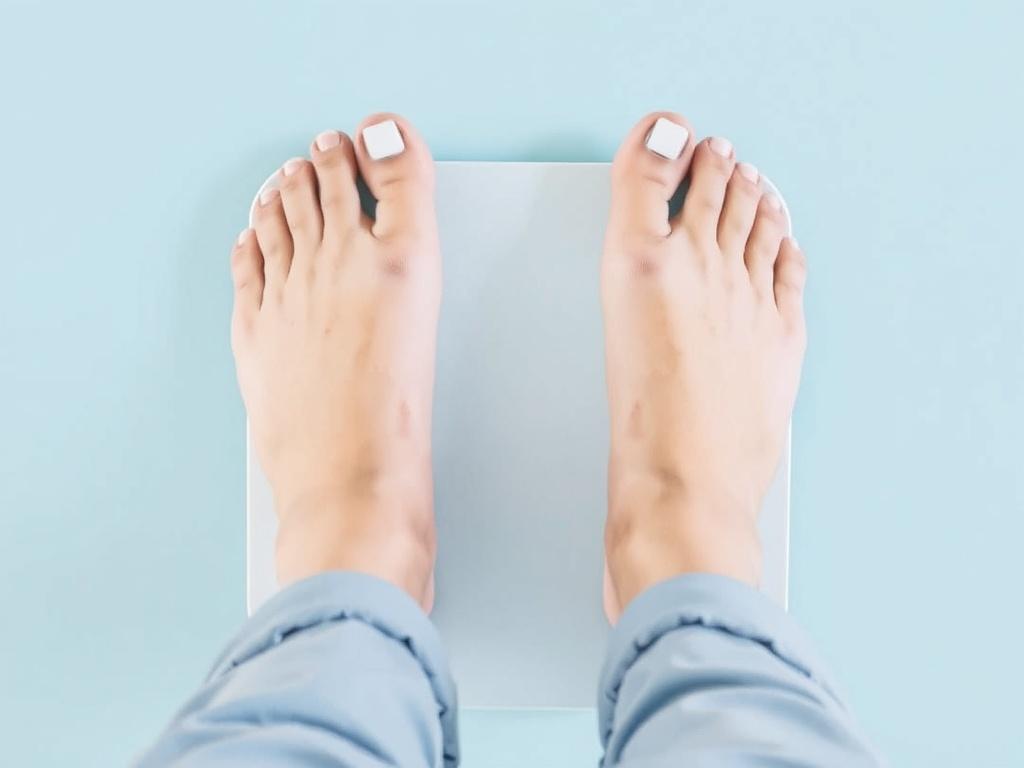
Rely less on the scale and more on consistent measurements and photos. Use a soft tape measure around the narrowest point above the ankle and around the widest part of the calf. Measure weekly at the same time of day—ideally in the morning after using the bathroom and before eating.
Progress photos from front, back, and side shots taken every two weeks show changes in shape that numbers sometimes miss. Combine visual evidence with how your clothes fit and improvements in strength and mobility to evaluate success.
Common mistakes people make
Obsessing over a single body part leads to frustration and unsustainable tactics. Crash diets, excessive spot-focused workouts, or extreme restriction can produce short-term losses followed by rebound weight and little long-term improvement in the ankle area.
Another pitfall is ignoring medical causes. If swelling doesn’t respond to diet, exercise, or elevation, it may be more than lifestyle. Delaying medical assessment wastes time and can allow conditions to progress.
Lifestyle habits that support slimmer ankles
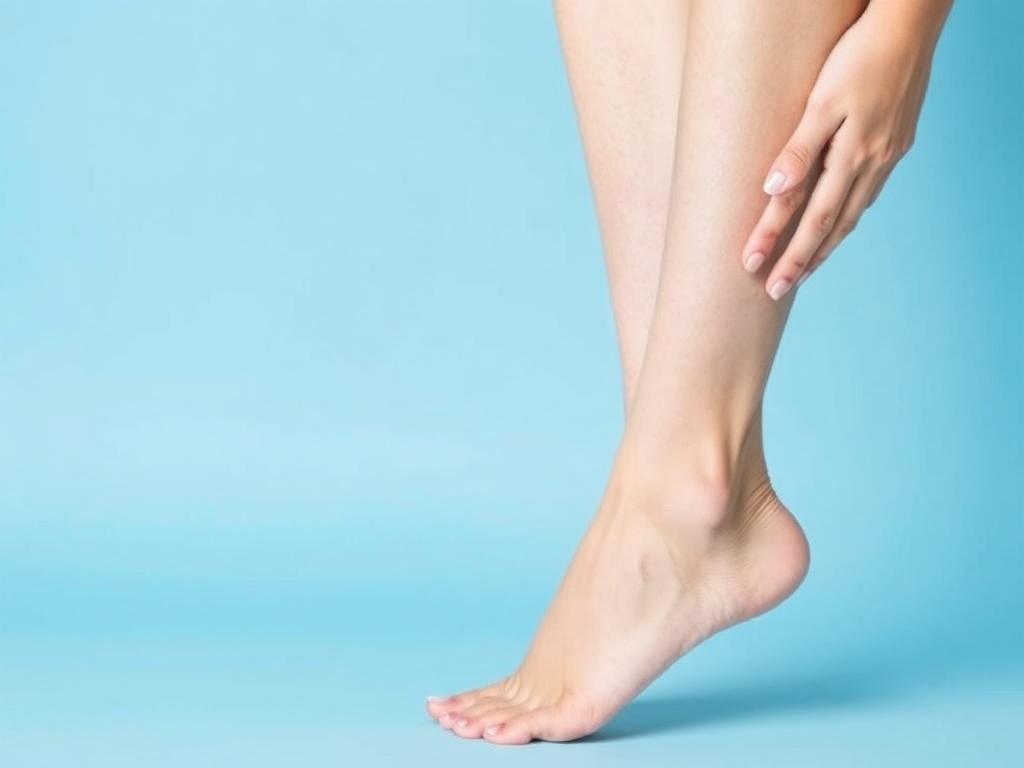
Small habits compound. Prioritizing sleep reduces stress hormones that drive retention and cravings. Managing sodium, raising your feet when possible, and breaking up long periods of sitting with short walks all help reduce fluid pooling in the lower legs.
Shoes matter: poorly fitting or narrow footwear can compress the foot and cause localized swelling. Choose supportive, well-fitting shoes and avoid long-lasting tight styles that restrict circulation.
When to suspect a medical condition
Seek medical attention if you experience sudden or asymmetric swelling, skin discoloration, warmth, tenderness, worsening pain, or if the swelling does not respond to elevation and compression. These signs could indicate deep vein thrombosis, infection, or other vascular issues that need urgent care.
If a clinician suspects lipedema or lymphedema, they may order imaging, vascular studies, or refer you to a specialist. These diagnoses require targeted treatment plans beyond general fat-loss advice.
Personal experience: a client story
I once trained a client in her late thirties who was troubled by lower-leg fullness after two pregnancies. She’d tried endless calf-toning videos without meaningful change. We started with nutrition adjustments, hydration, and a modest strength plan that included calf-focused exercises three times a week.
Within eight weeks she reported less puffiness, her ankles looked more defined, and her calf measurements dropped slightly. The biggest change came from reducing evening sodium and adding daily short walks. Her story reminded me that small, consistent shifts beat frantic, unsustainable approaches.
How long should you expect change to take?
Fat loss and body recomposition take time. Noticeable changes in overall body composition typically appear within 6–12 weeks of consistent effort, though some people see earlier shifts due to reduced swelling or improved muscle tone. Expect patience and persistence; dramatic overnight transformations are unrealistic and often unsafe.
If you combine diet, progressive strength training, and cardio, you’ll likely see steady improvements. If progress stalls, revisit your calorie intake, increase activity modestly, or consult a professional for personalized adjustments.
Practical weekly checklist
Use this short checklist to stay on track: eat a moderate calorie deficit with prioritized protein, drink enough water, reduce processed sodium, perform lower-leg strength work 2–3 times weekly, add 150 minutes of cardio per week, do daily mobility, and use compression or massage as needed.
Measure once a week, take photos every two weeks, and be honest about whether the plan feels sustainable. Adjust small items rather than overhauling everything at once.
Questions to ask before any procedure
If you’re considering aesthetic treatment, ask about the clinician’s credentials, the realistic number of sessions needed, the total cost, common complications, and how they manage adverse events. Request to see before-and-after photos from patients with similar anatomy to yours.
Also check whether the center offers a multidisciplinary evaluation to rule out medical causes of swelling. A thoughtful practitioner will consider your overall health, not just the cosmetic issue.
Final practical tips
Focus on the controllable: your daily calories, protein intake, hydration, sleep, and consistent movement. Add calf-strengthening and ankle-mobility work to shape the lower leg, and treat swelling proactively with elevation, compression, and sodium moderation.
If lifestyle changes don’t create the results you want or if you notice worrying symptoms, consult a medical professional. With the right approach, many people see meaningful improvement in the way their ankles look and feel—and they gain healthier, more resilient legs in the process.