
Sunlight leaves more than a summer glow; it changes the biology of your skin. Whether you spent an afternoon by the pool or lingered at the beach all day, knowing the right steps for facial recovery can speed healing, reduce long-term damage, and preserve your complexion.
Why the face needs special attention after sun exposure
The skin on the face is thinner and richer in blood vessels than skin elsewhere on the body, so ultraviolet radiation produces more immediate visible effects. UVB causes burning and inflammation, while UVA penetrates deeper, breaking down collagen and elastin that keep skin firm.
Sun exposure triggers an inflammatory cascade: redness, heat, and capillary dilation are early signs. Later, the skin ramps up melanin production, which creates uneven tanning and can lead to persistent hyperpigmentation if the process is not soothed correctly.
Immediate steps to take right after sun exposure
Act fast but gently. The first hour after sun exposure is an opportunity to minimize inflammation and start the repair process. Quick interventions can reduce pain and limit the depth of cellular damage.
Key actions include cooling the skin, removing makeup and sunscreen residues, rehydrating internally and externally, and avoiding any products that strip or irritate. Skip harsh exfoliants, retinoids, and alcohol-based toners for at least several days.
Cooling and calming techniques that actually help
Start with cool — not ice-cold — compresses applied for brief intervals. A clean cloth soaked in cool water calms heat and reduces swelling. Avoid prolonged ice contact which can constrict blood vessels and impede circulation.
A lukewarm shower quickly rinses salt and chlorine and helps lower the skin’s temperature. Pat your face dry rather than rubbing, and follow with a lightweight, soothing gel or cream designed for sensitive or burned skin.
What to remove from your face immediately
Makeup, excess sebum, and sunscreen residues can trap heat and irritants against inflamed skin. Use a gentle micellar water or a non-foaming balm cleanser to dissolve cosmetics without stripping natural oils.
After cleansing, avoid alcohol-based astringents and fragranced wipes. They may sting and worsen barrier disruption, increasing redness and delaying recovery.
How to build a simple day-by-day recovery routine
Recovery is a process, not a single act. For the first several days, focus on reducing inflammation, preventing moisture loss, and protecting the skin from further UV damage. Reintroduce stronger treatments slowly and only when the skin has visibly calmed.
Below is a practical morning and evening routine you can follow for the first week after significant sun exposure. Adjust based on your skin’s reaction and severity of the sun injury.
- Morning: Cool rinse or gentle cleanse, hydrating serum (hyaluronic acid), lightweight moisturizer with ceramides, broad-spectrum sunscreen.
- Midday: Reapply sunscreen every two hours when outdoors, carry a mist to refresh and cool skin between applications.
- Evening: Gentle cleanse, soothing serum (niacinamide or panthenol), richer moisturizer or occlusive if needed, avoid active exfoliation or retinoids.
Hydration: inside and out
Drink water steadily after sun exposure; mild dehydration can worsen the skin’s tightness and flaking. Include electrolytes if you had prolonged heat exposure or intense sweating.
Topically, prioritize humectants like hyaluronic acid to attract moisture, coupled with occlusives—petrolatum, dimethicone, or plant-based oils—to lock hydration in. Layering a humectant under an occlusive is an effective pairing to restore skin plumpness quickly.
Ingredients that help and those to avoid
Knowing what to put on sun-exposed skin is as important as knowing what to leave off. Gentle, barrier-supporting ingredients speed recovery. Aggressive actives can exacerbate inflammation and cause discoloration.
Below is a compact table of recommended ingredients and common offenders to skip in the immediate recovery period.
| Helpful ingredients | Why they help |
|---|---|
| Aloe vera | Soothes inflammation and cools the skin |
| Panthenol (provitamin B5) | Promotes hydration and barrier repair |
| Hyaluronic acid | Draws moisture into the epidermis |
| Niacinamide | Reduces redness and supports barrier recovery |
| Ceramides | Restore lipid matrix and prevent water loss |
| Ingredients to avoid | Reason to avoid |
|---|---|
| Retinoids | Increase sensitivity and risk irritation |
| Alpha/Beta hydroxy acids (AHAs/BHAs) | Can strip and inflame healing skin |
| Fragrances and high alcohol content | Cause stinging and allergic reactions |
| Benzoyl peroxide | Drying and can worsen flaking |
Antioxidants: when and how to use them
Antioxidants such as vitamin C and green tea extract neutralize free radicals created by UV exposure. However, if your skin is raw from sunburn, pure vitamin C can sting and should be postponed until redness subsides.
Start with soothing antioxidants like topical green tea or azelaic acid (which also reduces redness) and move to more potent vitamin C serums after a few days, testing sensitivity on a small area first.
Treating sunburns: mild, moderate, and severe
Not all burns are equal. Mild sunburn produces redness and tenderness, moderate burns add swelling and blistering, and severe burns can come with fever, chills, or systemic symptoms requiring urgent care.
For mild to moderate burns, over-the-counter oral anti-inflammatories (ibuprofen) can reduce pain and inflammation. Topically, use cooling gels and barrier-repair creams. If blisters cover large areas, or if you experience dehydration, fever, or dizziness, seek medical attention promptly.
How to manage blisters safely
Blisters are your body’s way of protecting deeper layers while they heal. Do not intentionally pop intact blisters. If a blister ruptures on its own, gently cleanse the area, apply an antibiotic ointment, and cover with a sterile dressing to prevent infection.
If a blister shows signs of infection—spreading redness, warmth, pus, or increasing pain—consult a healthcare provider. Infected blisters may require oral antibiotics or professional wound care.
Exfoliation: when to resume and how to do it safely
After sun-induced inflammation, the skin needs time to reestablish its barrier. Premature exfoliation can strip newly formed cells and worsen peeling. Wait until flaking has slowed and the skin feels stable; this is often one to three weeks depending on severity.
Begin with gentle enzymatic exfoliants or very mild lactic acid at low concentrations. Patch-test and introduce only once every few days, then gradually increase frequency. Resist the urge to use rough physical scrubs immediately after sun damage.
Enzyme exfoliants vs chemical exfoliants
Enzymatic products (papain, bromelain) digest dead skin without disrupting barrier lipids and are often better tolerated post-sun. AHAs like glycolic acid offer deeper renewal but can be too harsh right away.
When you do return to acids, pair them with hydrating and reparative ingredients—hyaluronic acid and ceramides—to minimize irritation and support recovery.
Addressing hyperpigmentation and uneven tan
Sun exposure can trigger uneven pigmentation that lingers long after redness fades. Hyperpigmentation forms when melanocytes deposit extra melanin into the skin in response to inflammation or UV stimulation.
Treatments combine sun avoidance and targeted actives. Niacinamide, azelaic acid, vitamin C, and topical tranexamic acid can help even skin tone. Prescription options like hydroquinone may be effective but should be used under dermatological supervision.
Expectations and timelines for fading spots
Improving sun-created dark spots is gradual. Lighter hyperpigmentation may lighten in a few weeks with diligent sun protection and topical therapy. More stubborn pigmentation—especially in deeper layers—can take months and may respond better to professional treatments.
Patience is crucial. Overly aggressive interventions risk post-inflammatory hyperpigmentation, particularly in darker skin tones, so conservative, gradual approaches often yield the best long-term results.
Professional treatments: when they’re appropriate and how to time them
If you’re considering chemical peels, IPL, or laser treatments to address discoloration or texture changes after a strong sun exposure, timing is critical. Treatments should be scheduled only after the skin has fully healed and you’ve avoided sun for several weeks.
Professional resurfacing while the skin is inflamed increases the risk of scarring and persistent discoloration. Consult a board-certified dermatologist to assess readiness and choose a modality appropriate for your skin type.
Post-treatment care emphasis
After any professional procedure, strict sun avoidance and broad-spectrum sunscreen are non-negotiable. Treated skin is highly photosensitive and can react more strongly to UV light, undoing the benefits of the procedure if protection is lax.
Follow the clinic’s aftercare instructions precisely: keep treated areas moisturized, avoid hot environments, and use only recommended products during the recovery window.
Makeup and camouflage while healing
When you want to cover redness or uneven tone, choose mineral-based makeup and non-comedogenic formulas designed for sensitive skin. Avoid heavy, pore-clogging foundations if your skin is peeling or blistering.
Always apply makeup with clean tools, and remove it gently each evening. Using occlusive patches or heavy concealers on active blisters can trap heat and slow healing; reserve camouflage for dry, non-inflamed areas.
Choosing the right sunscreen after sun exposure
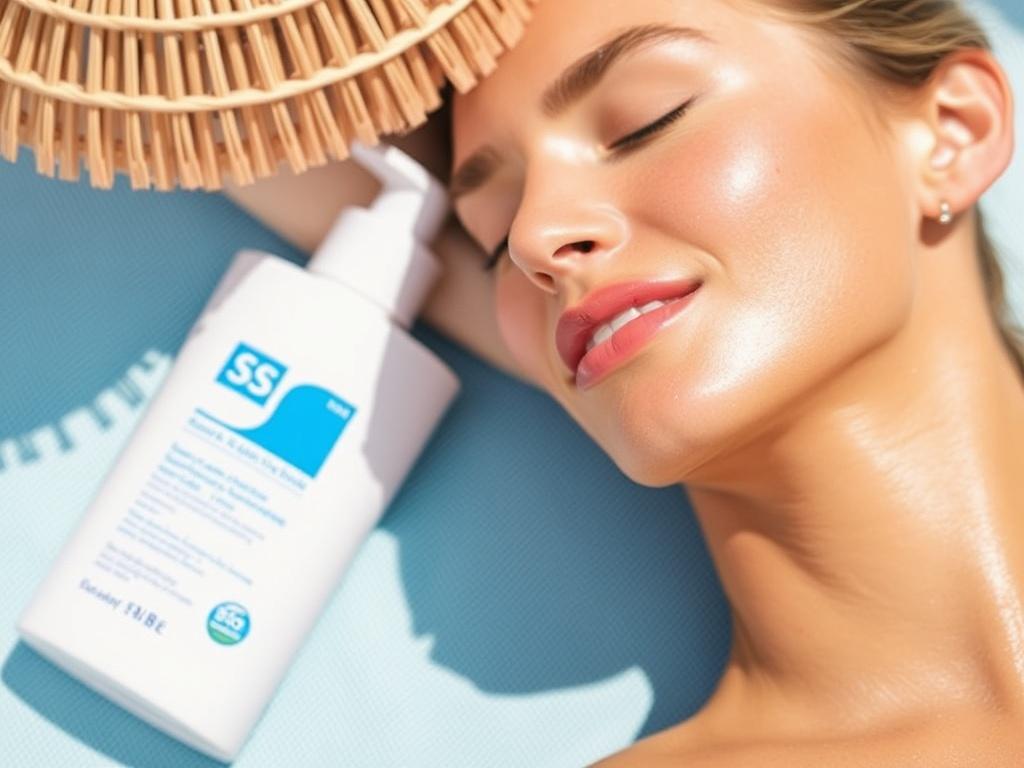
Protecting the healing skin from further UV damage is the single most important step. A broad-spectrum sunscreen with at least SPF 30 is recommended daily, even on cloudy days. Reapply every two hours when outdoors and after swimming or sweating.
For sensitive or recently burned skin, mineral (physical) sunscreens with zinc oxide or titanium dioxide tend to be less irritating than many chemical filters. Look for formulations labeled for sensitive skin and avoid added fragrances.
| Sunscreen type | Pros | Cons |
|---|---|---|
| Physical (zinc oxide, titanium dioxide) | Gentler, immediate protection, less likely to irritate | May leave a white cast on darker skin tones; can be thicker |
| Chemical (avobenzone, octisalate, etc.) | Lightweight texture, cosmetically elegant | Some people experience stinging or allergic reactions |
Application tips that make sunscreen effective
Apply about a nickel-sized dollop to your face and neck, then blend thoroughly. Don’t forget the ears, hairline, and eyelids if they were exposed. Reapply liberally and frequently—most people apply too little for full protection.
Use a broad-spectrum product to shield against both UVA and UVB. Even the best skincare routine can’t undo fresh UV damage, so prevention and consistent application are essential.
Products and routines for different skin types
Not all recovery routines suit every complexion. Here are tailored suggestions that balance repair with your skin’s tendencies.
Dry and sensitive skin
Prioritize occlusive-rich moisturizers and barrier-supporting ingredients like ceramides and cholesterol. Avoid fragrance and alcohol. A soothing, fragrance-free balm in the evening can reduce transepidermal water loss during sleep.
Consider a humidifier in your bedroom to prevent drying while you sleep, especially if peeling occurs. Gentle barrier repair often produces the quickest visible improvements.
Oily and acne-prone skin
Choose oil-free, non-comedogenic moisturizers that contain humectants and niacinamide. Avoid pore-clogging oils and heavy creams that might trigger breakouts. If you were on topical acne medications, pause retinoids until your skin normalizes.
Use gentle cleansing twice a day, and spot-treat active acne with benzoyl peroxide if tolerated. Reintroduce stronger acne therapies only after the skin has stabilized and the risk of irritation has decreased.
Sensitive or rosacea-prone skin
Simplicity matters. Limit your regimen to a gentle cleanser, hydrating serum, and a barrier-repair moisturizer with SPF. Fragrance-free, hypoallergenic, and minimal-ingredient formulas reduce the risk of flare-ups.
If rosacea flares after sun exposure, consult your dermatologist about medical therapies to calm vascular reactivity and prevent chronic redness.
Common myths and mistakes to avoid
Misguided advice can slow healing or increase long-term damage. Clearing up misconceptions helps you make better choices immediately after sun exposure.
- Myth: “You can accelerate healing by exfoliating burned skin.” Truth: Exfoliation interrupts recovery and can increase scarring and discoloration.
- Myth: “Oils soothe sunburn.” Truth: While some plant oils can be calming when mixed into a balanced formulation, heavy oils can trap heat and irritants and are better avoided on fresh burns.
- Myth: “Tanning builds immunity to future burns.” Truth: Any tanning reflects DNA damage and does not provide safe, lasting protection. Sunscreen and protective habits remain essential.
Personal experience: what worked for me after a bad sunburn
One summer I underestimated midafternoon sun reflected off water and left my cheeks and nose painfully red. The immediate cooling helped, but the difference-maker was a three-part approach: hydrate, protect, and simplify.
I discontinued my usual exfoliants and retinol, used a simple aloe-gel for the first 48 hours, then switched to a ceramide-rich moisturizer. Drinking extra fluids and applying SPF every two hours for several days prevented a deeper tan and reduced flaking. It took patience, but the skin recovered without long-term discoloration.
When to consult a dermatologist or seek emergency care
If you experience severe blistering that covers a large area, systemic symptoms like fever or confusion, signs of infection, or a sunburn that doesn’t improve within a week, seek medical attention. A dermatologist can prescribe topical or oral therapies for persistent pigmentation or complicated wounds.
Additionally, if new or changing moles appear after sun exposure, have them evaluated. UV damage can accelerate changes in pigmented lesions, and early assessment is prudent.
Practical habits to reduce future sun damage
Prevention is the most reliable strategy to preserve facial skin health. Make sun protection habitual: apply sunscreen daily, wear a wide-brimmed hat, and seek shade during peak UV hours. Small consistent habits add up over years.
Integrate antioxidants into your morning routine and consider oral supplements like vitamin C or omega-3s after discussing them with your healthcare provider. They can support skin resilience alongside topical measures.
How to layer skincare for daily protection
Start with a gentle cleanser, follow with a hydrating serum, apply your antioxidant serum (if tolerated), layer moisturizer, and finish with broad-spectrum sunscreen. This sequence supports barrier function while delivering protective ingredients.
Remember that makeup with SPF is not a substitute for dedicated sunscreen—apply both when you’re spending time outdoors for meaningful protection.
Final practical checklist after a day in strong sun
Before you go to bed after notable sun exposure, run through a quick checklist: cool shower, remove makeup, apply a soothing gel or repair cream, hydrate internally, and set aside any actives for a few days. Small nightly rituals help consolidate daytime care.
Keep a gentle product kit ready for summer: a mild cleanser, an aloe-based gel, a ceramide moisturizer, and a mineral sunscreen. Having these on hand removes the temptation to use harsh or unavailable substitutes when your skin needs steady, calm care.
Sunlight is inviting, but recovery requires attention and restraint. With timely cooling, gentle barrier repair, careful reintroduction of treatments, and consistent protection, most sun-related issues on the face heal well and without lingering harm. The best measure is to pair sensible prevention with thoughtful aftercare, so each day in the sun leaves your skin healthier rather than compromised.