

Crossing a marathon finish line is a fierce, particular kind of exhaustion and elation rolled into one, and what comes next can shape how long you enjoy running without injury. Knowing how to recover after a marathon matters as much as the training that got you there—your body doesn’t suddenly reset when you stop running, and thoughtful recovery decides how soon you feel strong again. This article walks through immediate actions, the first few days, the weeks that follow, and realistic plans to return to training safely and with purpose.
Immediate care: the first 30 to 60 minutes
The minutes right after the race are not for dramatic stretching or brutal foam rolling; they are for stabilization and nourishment. Walk slowly for 10–20 minutes to keep blood flowing and to help your muscles clear metabolic byproducts, and avoid sitting down cold and stiff for too long since that can increase soreness later.
Rehydrate with water and electrolytes as soon as you can, and consume a small snack that combines carbohydrates and protein within an hour—think a banana with peanut butter or a sandwich with lean meat. This window is when your muscles are most receptive to replenishing glycogen and beginning repair, so prioritize calories without forcing anything if your stomach feels sensitive.
First day home: balance rest and gentle movement
Your body needs rest, but outright immobilization on day one tends to make stiffness worse. Alternate periods of sitting with short, easy walks around the house or neighborhood to maintain circulation and reduce swelling in your legs and feet.
Take a warm shower or a brief contrast shower (alternating warm and cool water) to promote blood flow; avoid long, hot baths right away if you have significant swelling. If you normally take pain relievers, use them cautiously—NSAIDs like ibuprofen can reduce inflammation but may interfere with natural recovery processes if used excessively.
The first 48–72 hours: sleep, food, and gentle care
Sleep is one of the most powerful recovery tools you have; aim for extra sleep in the two to three nights after the race to support tissue repair and hormonal balance. Naps during the day aren’t a sign of weakness—they’re valuable recovery time because growth hormone release and cellular repair increase with sleep.
Prioritize a nutrient-dense plate: complex carbohydrates to refill glycogen, high-quality protein for muscle repair, and colorful vegetables for vitamins and antioxidants. Small, frequent meals can be easier to tolerate than large ones, especially if your appetite is still irregular from race-day stress and activity.
Keep hydration steady—drink to thirst and include sodium if you were heavily salted by sweat. If you experience dizziness or prolonged nausea, seek medical advice rather than trying to push through dehydration at home.
Active recovery: easy movement that promotes healing
Active recovery means movement that enhances blood flow without adding significant tissue strain. Walking, easy cycling on a stationary bike, elliptical at low resistance, and gentle swimming are all suitable during the first week after a marathon because they support circulation without the eccentric muscle loading that running causes.
Introduce short sessions initially—15 to 30 minutes every other day—and pay attention to how your legs respond. Soreness that improves with movement is a good sign; increasing pain, sharp sensations, or swelling are cues to back off and rest or consult a clinician.
Incorporate mobility work focused on hips, ankles, and calves. Gentle foam rolling and soft-tissue work can feel good, but avoid aggressive digging into tender muscles during the early days, which can exacerbate microtrauma instead of aiding recovery.
Nutrition strategy for the week after the race
Your nutrition priorities in days after a marathon are refueling glycogen, providing protein for repair, and reducing unnecessary inflammation through micronutrients. Aim for a daily protein intake around 1.2–1.6 grams per kilogram of body weight distributed evenly across meals to support muscle rebuilding.
Complex carbohydrates should make up a significant portion of meals for several days—whole grains, sweet potatoes, fruits, and legumes will help replenish stores without causing blood sugar spikes. Include healthy fats like olive oil, avocado, and nuts; they support cell membrane repair and provide sustained calories for recovery.
Antioxidant-rich foods—berries, leafy greens, beets, and colorful vegetables—help modulate oxidative stress from prolonged exertion. While supplements such as vitamin C or curcumin can be helpful, prioritize whole foods first and consult a provider before starting high doses if you are on medication or have medical issues.
Managing muscle soreness and inflammation

Delayed onset muscle soreness (DOMS) peaks around 24–72 hours after a marathon and is a normal response to the eccentric load of long-distance running. Expect stiff, tender legs; that discomfort should gradually subside over the first week without targeted intervention.
Cold therapy—short ice baths or cold water immersion for 5–10 minutes—can reduce acute inflammation and help with perceived soreness for some runners. Use ice judiciously: it may blunt necessary adaptations if used too often, so reserve aggressive cold therapy for immediate pain control or high-level competitive recovery needs.
Compression garments can be a low-risk way to improve venous return and reduce swelling when used for a day or two post-race. Massage, whether professional or self-applied, is useful for circulation and relaxation, but avoid deep tissue massage on extremely sore or inflamed muscles in the immediate days after the marathon.
Sleep hygiene and hormonal recovery
A marathon creates a hormonal ripple—cortisol and adrenaline increase during race stress, and it takes time for these systems to normalize. Consistent, high-quality sleep supports recovery by lowering stress hormones and maximizing growth hormone release for tissue repair.
Prioritize a sleep routine: dim lights in the evening, avoid screens for an hour before bed, and keep the bedroom cool and quiet. If sleep is disrupted by soreness or race-day excitement, try progressive muscle relaxation or short guided sleep meditations to facilitate rest without resorting to sleep aids unless prescribed.
Dealing with blisters, chafing, and skin issues
Skin issues are common after long races and are often a practical rather than medical problem. Clean blisters gently with soap and water, apply an antibiotic ointment if the skin is broken, and protect the area with a sterile dressing to reduce the risk of infection while it heals.
For chafing, treat skin with soothing emollients and keep the area dry; avoid harsh rubbing or scratching, which can introduce bacteria. If any area shows persistent redness, spreading warmth, or increasing pain, seek evaluation for cellulitis or other infections.
Recognizing and treating injuries
Not every ache after a marathon is an injury, but some runners will experience true strains, tendon pain, or joint problems that need more than rest. Pain that worsens with light activity, fails to improve after several days, or is localized to a tendon or bone should prompt further assessment by a sports medicine professional.
Common post-marathon injuries include Achilles tendinopathy, plantar fasciitis flare-ups, iliotibial band pain, and stress reactions. Early interventions like relative rest, graded loading under a clinician’s guidance, and targeted physical therapy often prevent a minor problem from becoming chronic.
Emotional and psychological recovery
Finishing a marathon can produce a surprising emotional letdown once the race high fades, particularly for runners who gave their season to one event. Allow space to feel disappointment, elation, or emptiness; these reactions are normal and usually transient.
Shift focus from performance outcomes to recovery goals and small pleasures—good meals, walks with friends, and time off running can help recalibrate motivation. If persistent low mood, anxiety about training, or trouble returning to normal routines continues beyond a couple of weeks, consult a mental health professional experienced with athletes.
Designing a gradual return to running: week-by-week approach
A structured, patient plan reduces injury risk and preserves fitness gains while allowing the body to adapt. The general template is simple: reduce volume and intensity initially, add easy aerobic work in the first two weeks, introduce light strength and mobility work, and progressively increase training load over 6–8 weeks depending on how you feel.
Assess recovery by monitoring sleep quality, resting heart rate, soreness, and perceived energy. If metrics trend poorly—poor sleep, elevated resting heart rate, persistent fatigue—consider extending recovery or consulting a coach or clinician to adjust the plan.
Below is a sample eight-week progression for a recreational runner returning after a marathon. Adapt volumes to your experience and previous weekly mileage, and err on the conservative side if you felt pushed during the race.
| Week | Focus | Running volume | Key notes |
|---|---|---|---|
| 1 | Rest and active recovery | 0–20% of peak mileage; mostly walking and a couple short easy jogs | Prioritize sleep, nutrition, and gentle cross-training |
| 2 | Easy aerobic base | 25–40% of peak mileage; easy pace only | Add short strength sessions twice a week |
| 3 | Increase time on feet | 40–60% of peak mileage; one longer easy run | Monitor soreness; maintain strength work |
| 4 | Introduce light tempo | 50–70% of peak; include 1 short tempo or intervals | Keep intensity controlled; focus on form |
| 5 | Consolidate base | 60–75% of peak; longer long run at easy pace | Assess readiness for increased intensity |
| 6 | Gradual intensity increase | 70–85% of peak; 1–2 moderate sessions | Pay attention to recovery indicators |
| 7 | Targeted training | 80–95% of peak; resume race-specific work if ready | Fine-tune volume to avoid spikes |
| 8 | Return to normal training | 90–100% of peak | Continue smart recovery habits; set new goals |
Strength training and cross-training after the marathon
Reintroducing strength work is a priority for long-term resilience; well-timed, moderate-load resistance training helps correct weaknesses exposed by high mileage. Begin with bodyweight or light-load exercises such as squats, lunges, glute bridges, and single-leg balance movements in the second week, progressing intensity as soreness subsides.
Cross-training modalities like cycling and swimming let you rebuild cardiovascular fitness while minimizing impact. Use them strategically on recovery days or when pain limits running, and treat them as complementary rather than replacement sessions unless prescribed after an injury.
Tools and aids: what’s worth the investment
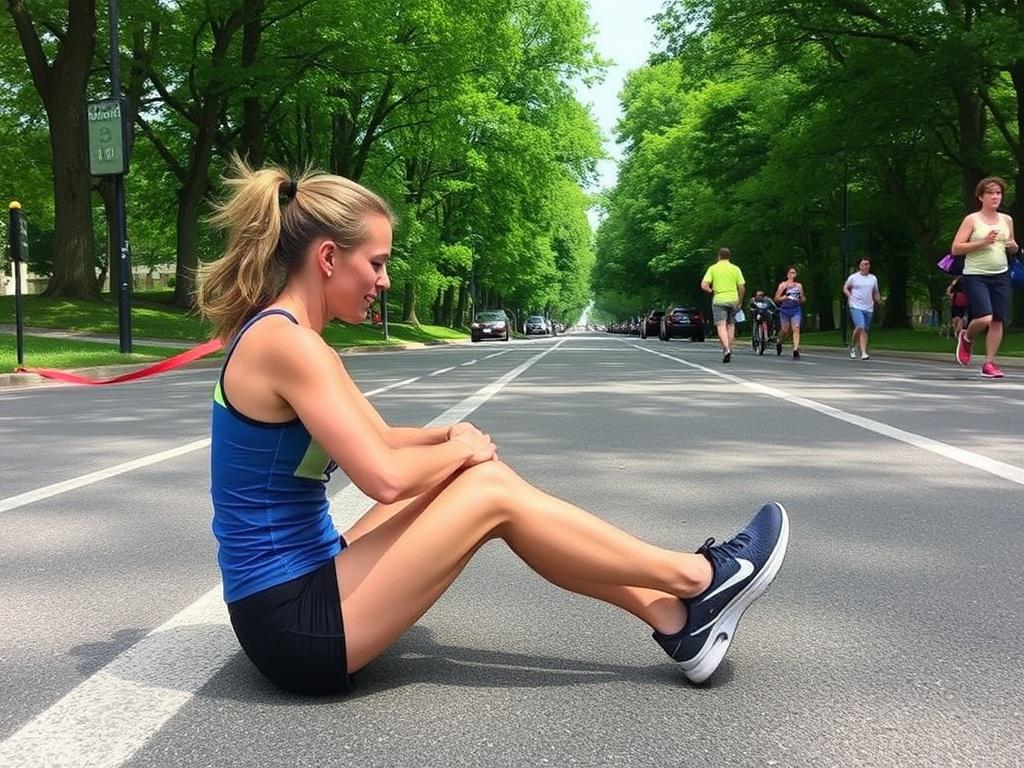
Certain recovery tools offer practical benefits without grand claims. A quality foam roller, a pair of compression socks, and a reliable massage ball often provide real improvements in comfort and mobility for modest cost. Experiment to see what feels helpful for you; individual responses vary.
- Foam roller and massage ball for circulation and mobility
- Compression garments for short-term swelling reduction
- Cold therapy (ice baths or contrast showers) for acute soreness management
- Electric stimulation or percussion devices—use sparingly and follow manufacturer guidance
High-end gadgets like percussive massage guns can be time-saving, but they aren’t essential. Focus first on sleep, nutrition, and gradual training; tools are supportive, not substitutive, to these basics.
Practical tips for daily life after the marathon
Small lifestyle adjustments speed tangible recovery. Elevate your feet when sitting to reduce swelling, slip into comfortable shoes for a few days rather than constrictive dress footwear, and limit alcohol intake as it impairs muscle repair and disrupts sleep quality.
Plan low-effort days with social support—ask for help with chores, cooking, and child care if possible. Emotional rest is part of physical recovery, and reducing decision fatigue helps your body use energy for repair rather than logistics.
When to see a doctor or physical therapist
Seek professional attention if pain localizes to bone or joint, if swelling is rapidly increasing, if you have numbness or loss of function, or if you experience concerning systemic symptoms like fainting, prolonged shortness of breath, or chest pain. These signs warrant immediate evaluation rather than prolonged home treatment.
A sports medicine physician or physical therapist can provide targeted assessments, imaging if needed, and a graded return-to-run program tailored to your injury. Early intervention when true pathology exists typically shortens downtime and improves outcomes.
Race reflections: learning from the experience
Marathons are a trove of data about pacing, fueling, and what your body tolerates; use your recovery period to extract lessons without judgment. Keep a brief log of what worked on race day—shoe choice, nutrition timing, pre-race sleep—and what didn’t, then fold those notes into your long-term training cycle.
If you overreached during training or the race, accept that this cycle provided useful feedback rather than a failure. Making small, evidence-based changes for the next training block is more productive than harsh self-criticism.
How to set new goals while respecting recovery
Goal-setting after a marathon should be both inspiring and realistic: choose a short-term target that emphasizes consistency and health—like regular strength sessions or a gradual base build—before targeting another race. This approach maintains momentum without repeating the mistakes that might have led to injury or burnout.
Consider non-time-based objectives as well: improving running form, reclaiming flexibility, or establishing a sustainable weekly routine. Such goals preserve satisfaction and forward motion without the pressure of a specific performance metric too soon.
A personal note from the author
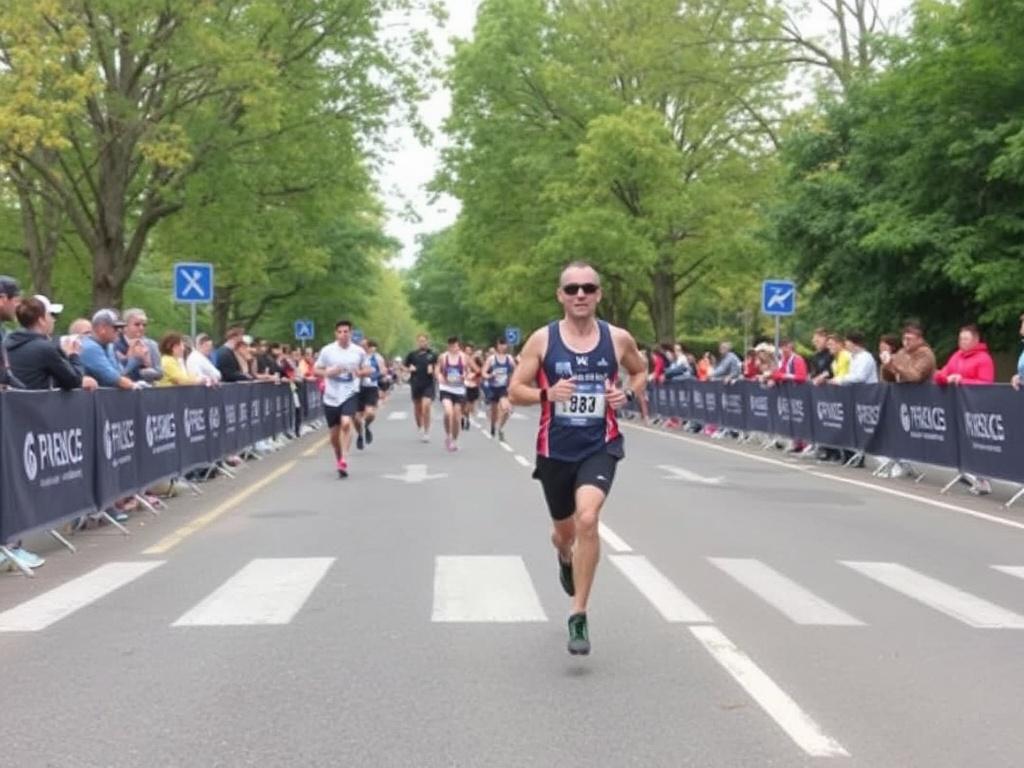
I once ran a marathon after a week of poor sleep and a forgotten taper; the finish felt bittersweet, and my legs were unusually flat afterward. I spent the first three days almost entirely off my feet, which turned out to be counterproductive—gentle walking and a couple short swims did more to ease pain than those initial long stretches of inactivity.
By the third week I followed a conservative plan similar to the one above, reintroducing tempo work only after I had rebuilt a base of easy miles. That patience paid off: I bounced back stronger and avoided a nagging calf problem that friends who pushed too aggressively encountered.
Common mistakes to avoid
Avoid two pitfalls in the weeks after the marathon: rushing back into high-mileage training too soon and using painkillers as a long-term mask for underlying problems. Both approaches delay real recovery and increase the risk of chronic injury.
Another mistake is assuming recovery means rest only; a balanced program of sleep, nutrition, gentle aerobic work, mobility, and gradually reintroduced strength training will restore performance with fewer setbacks. Trust the process—short-term patience often yields longer, healthier running careers.
Final practical checklist for the first two weeks
Here’s a concise set of actions to keep you on track: rest enough, sleep more than usual, hydrate and eat nutrient-dense meals, move gently each day, introduce light strength work by week two, and monitor pain and recovery markers. Check in with how you feel rather than rigidly following an external timeline.
Remember that every runner and every race is different; tailor these guidelines to your age, experience, and the demands of the event you ran. With patience, a measured plan, and attention to both body and mind, you’ll come out of recovery wiser, healthier, and ready to enjoy the next chapter of running.