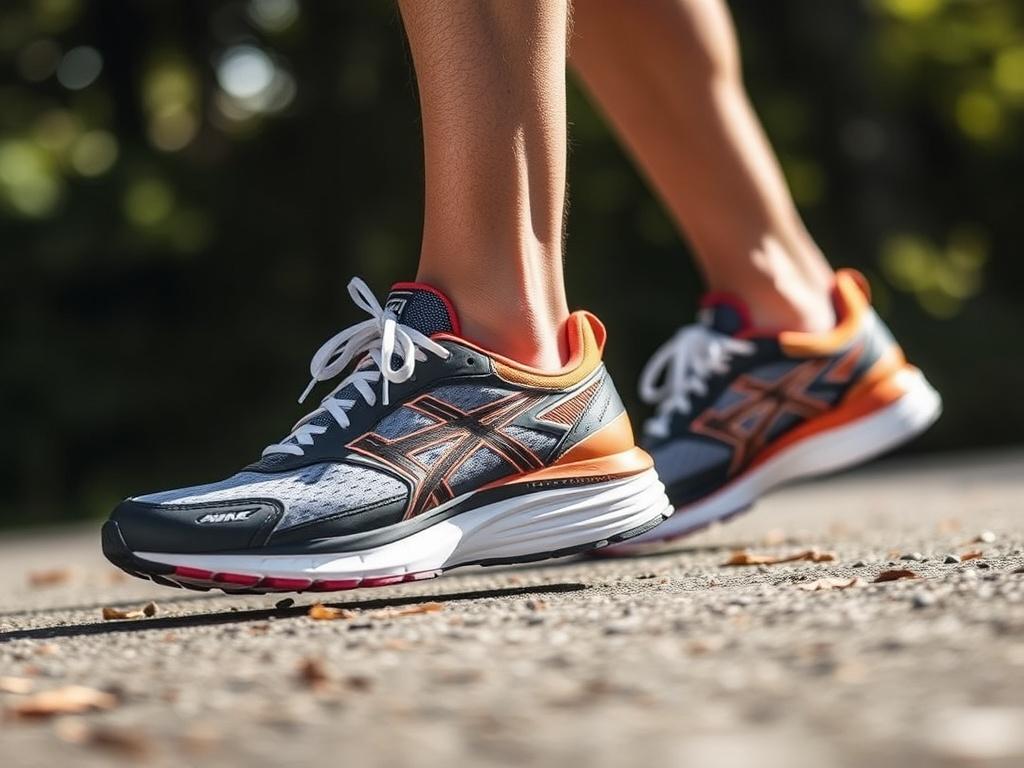
Choosing the right pair of running shoes can feel like decoding a foreign language: terms like stack height, drop, pronation, and motion control float around while brands promise miracles. If you’ve ever stood in a store holding two models and wondered which will let you run farther, faster, or without pain, you’re not alone. This article digs into the practical details—how to evaluate your feet, what different shoes do, and how to test a pair so you walk out with confidence rather than buyer’s remorse.
Why your shoes matter more than your playlist
Running shoes are the interface between your body and the pavement, trail, or treadmill. They influence shock absorption, foot alignment, and how energy returns with every step—small mechanical factors that add up over thousands of strides.
Wrong shoes won’t just feel uncomfortable; they can change your gait and stress joints, leading to nagging injuries. The right pair does less obvious but vital work: it lets your body move in its natural way while protecting vulnerable tissues.
Start with your feet: understanding shape and mechanics
No two feet are identical, and the differences matter for shoe choice. A basic assessment of arch height, toe length, and how your foot lands will guide you toward neutral, stability, or motion-control models.
Putting in this small amount of effort to understand your foot can save time and money. It also prevents the common mistake of choosing shoes based on looks alone—an easy trap when colors and marketing distract from function.
Arch types and why they affect shoe choice
Arches can be high, neutral, or low (flat). High arches usually mean less natural shock absorption and may benefit from cushions that add suppleness. Low arches often go along with overpronation—where the foot rolls inward—and might need shoes offering extra support to control that motion.
Neutral arches fall in the middle and typically do well in neutral-cushioned shoes that emphasize flexibility and cushioning over rigid control. Remember: arch height is a starting point, not the whole story; how your foot behaves during a run matters more than static shape.
Pronation: what it is and how to recognize it
Pronation refers to the natural inward roll of the foot after the heel strikes. Some pronation is normal and helps absorb shock. Excessive pronation or underpronation (supination) changes load patterns and can trigger pain in the knee, shin, or hip.
You can roughly check pronation at home by looking at worn shoes—excess wear on the inner edge suggests overpronation, while outer-edge wear points to supination. A more accurate method is a gait analysis conducted at a specialty running store or by a physical therapist.
Measuring your foot: size, width, and toe box
Foot length and width change throughout the day; standing and walking make feet slightly longer and wider. Measure in the late afternoon or after a run so you buy shoes that fit your feet under real conditions.
A proper fit allows about a thumb’s width of space in front of the longest toe and snugness across the midfoot without pressure. If a shoe pinches or the heel lifts excessively, it’s not the right model—even if the length number matches your usual size.
Types of running shoes and when to use each
Running shoes are optimized for different environments and running needs: road, trail, stability, cushioned high-mileage trainers, or minimal shoes that prioritize a barefoot feel. Selecting the appropriate category is the first filter in narrowing choices.
Rather than hunting for the “best” shoe, think about what fits your routes and goals. A light, springy trainer for speedwork won’t protect you on rough trails, and a heavy trail shoe will feel sluggish on tempo runs.
Road running shoes
Road shoes prioritize smooth cushioning and energy return for paved surfaces. They typically have lighter outsoles and smoother grooves to promote a predictable stride on asphalt and sidewalks.
If your runs are mostly on pavement and you value responsiveness or speed, a road trainer or tempo shoe is a sensible choice. Look for models that balance cushioning and weight based on your typical run distances.
Trail shoes
Trail shoes have aggressive rubber outsoles, rock plates, and more durable uppers to protect from roots, rocks, and mud. They emphasize grip and foot protection over lightness and often have a stiffer feel to shield from sharp objects.
If you run off-road regularly, choose a trail shoe with lugs sized for the conditions—smaller for hard-packed dirt, larger and more spaced for mud and loose surfaces. Water resistance and quick-drying materials are useful features for wet trails.
Stability and motion-control shoes
Stability shoes add firmer foam or denser materials on the medial (inner) side of the midsole to resist excessive inward roll. Motion-control shoes are more rigid and aimed at heavier runners or those with pronounced overpronation.
These shoes can help redistribute forces and reduce stress on the knee and iliotibial band. However, many runners with mild pronation do fine in neutral shoes; a gait analysis helps determine whether you truly need added control.
Lightweight and racing flats
Lightweight trainers and racing flats reduce weight and often have less aggressive cushioning to maximize speed and ground feel. They’re ideal for tempo runs, intervals, and race day when economy matters more than protection.
Because they sacrifice some cushioning, use them selectively and not for long easy miles unless you’ve gradually adapted to lower protection. Cycling between a softer trainer and a light flat is a common strategy among serious runners.
Minimalist and zero-drop shoes
Minimalist shoes aim for a barefoot-like experience, with less cushioning and a lower drop. They encourage a midfoot or forefoot strike and greater intrinsic foot strength—if you transition slowly.
Rapidly switching to minimal shoes can cause calf strains and plantar issues. If you’re curious, ease in with short runs and build up over months while paying attention to form and comfort.
| Shoe type | Best for | Typical drop | Key feature |
|---|---|---|---|
| Road trainer | Daily running on pavement | 6–12 mm | Balanced cushioning and responsiveness |
| Trail shoe | Off-road, technical terrain | 4–8 mm | Aggressive outsole and protection |
| Stability shoe | Runners with mild–moderate overpronation | 6–12 mm | Medial support or denser foam |
| Racing flat | Speedwork and races | 0–8 mm | Low weight and high responsiveness |
| Minimalist | Strengthening and natural running | 0–4 mm | Low cushioning, high ground feel |
Understanding cushioning, drop, and midsole technology
Midsole materials and design determine how a shoe absorbs impact and returns energy. Modern foams vary from soft and plush to firm and snappy, and some include air or polymer inserts to modify feel.
Heel-to-toe drop—the difference in stack height between the heel and forefoot—affects your landing mechanics. Higher drops often promote heel striking, while lower drops encourage midfoot or forefoot strikes. Neither is universally better; it depends on your running style and injury history.
How to read the feel: soft vs firm midsoles
Soft midsoles provide comfort and reduce immediate impact but may compress faster with heavy use, changing the shoe’s feel over time. Firmer midsoles offer stability and a springier platform for faster running but can feel harsh on long recovery runs.
The sweet spot for most recreational runners is a midsole that balances cushioning with a little firmness—enough protection for longer runs but responsive enough for tempo work. Try multiple levels to discover what your body prefers.
Energy return and responsiveness
Some foams and plate technologies are designed specifically to return energy, giving a bouncy sensation underfoot. That responsiveness can help with race economy and faster paces, but it’s often paired with a higher price tag.
Consider responsiveness as another variable: useful during intervals and racing, and less necessary for slow mileage. A typical rotating strategy is to have a responsive pair for speed and a softer trainer for long runs.
Fit matters more than features—how a shoe should feel
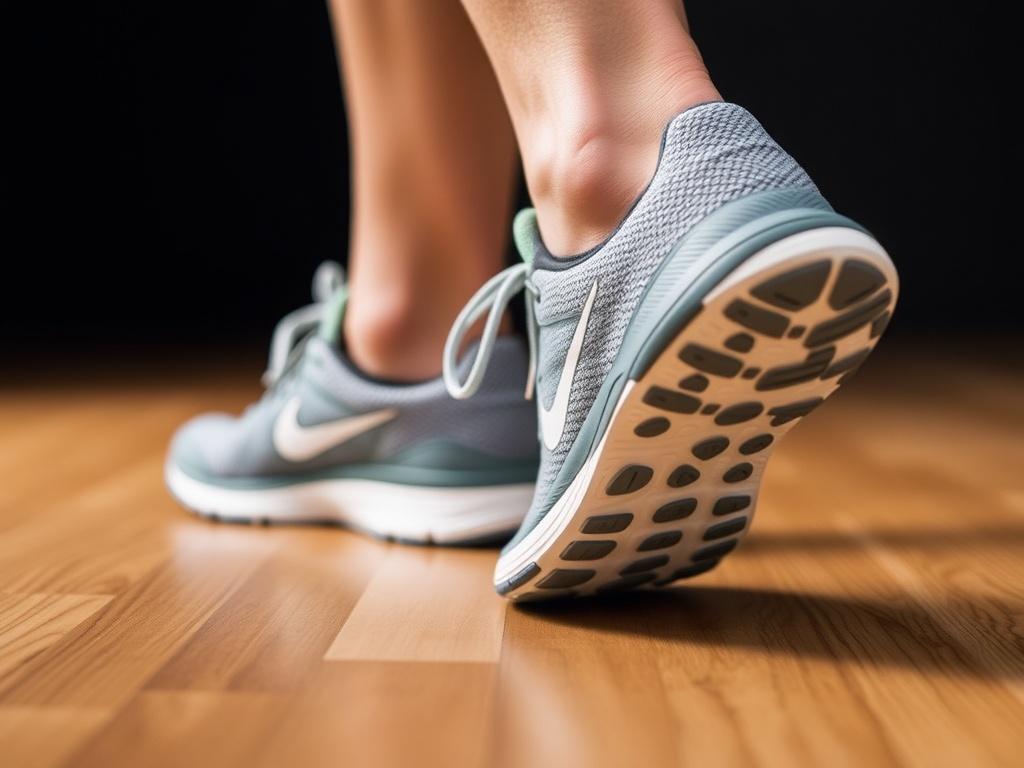
Fit trumps features. You can pick the most technically advanced shoe, but if it doesn’t fit your foot geometry, it will irritate. When trying shoes, focus on comfort: the shoe should support without squeezing.
Small differences in last shape, toe box width, or heel cup depth can make a shoe comfortable or intolerable. Brands and models vary, so trying several is normal and recommended.
Practical fit checklist
- Leave about a thumb’s width of space at the toe to prevent black toenails on long runs.
- The heel should be snug but not painfully tight; minimal slippage is acceptable.
- Across the midfoot, the shoe should feel secure without pinching the instep or bunions.
- The shoe should feel comfortable immediately; avoid relying on a long break-in period.
Bring the socks you run in when trying shoes and lace them as you would for a run. Small details like lace patterns and tongue padding affect fit during long efforts, so simulate real conditions when testing.
Toe box: give your toes room to splay
Running causes feet to swell and toes to spread. A narrow toe box that inhibits splay can lead to discomfort and problems like neuromas or black toenails. Shoes with roomy toe boxes, especially for long distances, reduce friction and pressure.
If you have a bunion or wide forefoot, look specifically for models labeled as wide or designed with a generous toe box. This small change can transform the running experience and prevent persistent pain.
How to try shoes: real tests, not just a few steps
Take more than a quick walk around the store. Run in the shoes for 10–15 minutes if possible, on a treadmill or around the block. That short run reveals fit, torsional stiffness, heel lock, and how the shoe behaves under load.
Pay attention to hotspots, unexpected slipping, or odd pressure points during this trial. If anything feels off within the first short run, the shoe likely won’t improve with time and mileage.
Treadmill testing vs outdoor testing
Treadmills are useful for controlled testing: you can run at consistent speeds and easily return to a salesperson for another model. However, treadmill running reduces the need for traction and changes foot strike slightly, so always follow up with outdoor testing when you can.
If a store doesn’t allow running, prioritize shops that do or ask about a return policy that permits testing at home. Many specialty stores have happy-return policies for runners who put real miles on shoes and find fit issues later.
Timing and conditions for trying shoes
Try shoes in the late afternoon or after a run because feet swell with activity. Also bring orthotics or inserts you usually run with and wear the socks you intend to use; these small differences change the fit substantially.
Test lacing techniques too: a runner I coach had persistent heel lift until we used a runner’s loop knot, which locked the heel without constricting the midfoot. Little adjustments matter more than you’d think.
Orthotics, inserts, and when to use them
Orthotics can solve alignment issues and provide arch support where shoes alone might not suffice. Custom orthotics are useful for specific biomechanical problems, while over-the-counter insoles can offer affordable extra cushion or minor corrections.
If you’ve been prescribed orthotics, bring them while trying shoes to ensure fit. Many shoes handle orthotics well; others don’t have the internal volume or shape to accommodate extra inserts comfortably.
Buying online vs in-store: advantages and pitfalls
Online shopping gives choice and often better prices, while in-store testing gives confidence in fit. Use both intelligently: try on models locally, then buy online if the same version and size are available at a better price.
Keep careful notes of the exact model name and year; brands often change foam and fit from one version to the next. Read return policies closely: a generous return window is essential when you plan to log miles at home to verify fit and comfort.
Tips for safe online purchases
- Know your true size in that brand or specific model—size charts vary.
- Buy from retailers with easy returns and free shipping when possible.
- Keep receipts and tags until you’ve tested the shoes outdoors for several runs.
Many runners buy two pairs: a primary trainer and a backup for rotation, which also gives stores another safety net to test model interchangeability before committing to a new purchase.
How long should running shoes last and how to tell they’re worn out
Most running shoes last between 300 and 500 miles, but longevity depends on weight, running style, terrain, and foam composition. Lighter runners and those on forgiving surfaces often get closer to the upper end of that range.
Watch for midsole compression, uneven outsole wear, and loss of cushioning as signs it’s time to replace shoes. New aches in the knees or shins after steady runs can also indicate diminished shock absorption and the need for new footwear.
Signs of wear to look for
- Outsole treads worn smooth in high-contact areas.
- Wrinkling or permanent creasing in the midsole foam.
- Increased soreness or change in stride that coincides with mileage on the shoes.
Keep a running log with the shoe model and miles logged. That simple habit removes guesswork and prevents running in shoes that no longer protect you adequately.
Special concerns: injuries, wide feet, pregnancy, and more
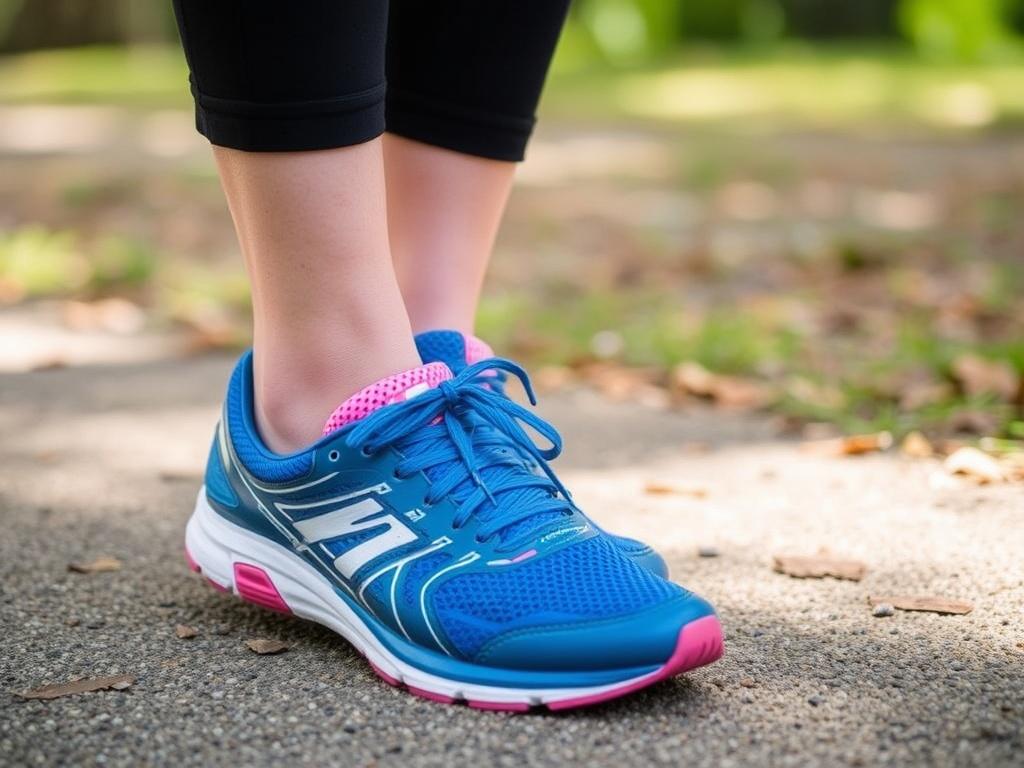
Certain conditions require adjustments in shoe selection. For plantar fasciitis, for example, greater heel cushioning and firm arch support often help. Pregnancy calls for extra cushioning and stability as gait changes with weight distribution.
Wide or narrow feet need attention to the shoe’s last shape. Do not force a narrow shoe to fit a wide foot—this invites blisters, loss of circulation, and pain. Conversely, a very wide shoe on a narrow foot can cause instability and blisters from excess movement.
Running with previous injuries
If you have a history of knee pain, IT band syndrome, or Achilles issues, consider a gait analysis and possibly a consultation with a sports physical therapist. They’ll recommend whether cushioning, stability, or an orthotic is the most appropriate intervention.
Interventions can change over time: a stability shoe that helped last year may not be the best fix now as strength and gait patterns evolve. Treat shoe choice as part of a dynamic strategy, not a permanent prescription.
Rotating shoes: why serious runners use more than one pair
Many experienced runners rotate between two or more pairs: a softer trainer for easy miles and a firmer, more responsive shoe for speedwork. Rotation spreads wear across shoes and allows midsole foams to decompress and rebounce between runs.
Alternating shoes can also reduce repetitive strain by subtly changing foot mechanics, which distributes stress across different tissues. It’s a simple, effective way to get more life and comfort out of your footwear investment.
Price and value: how much should you spend?
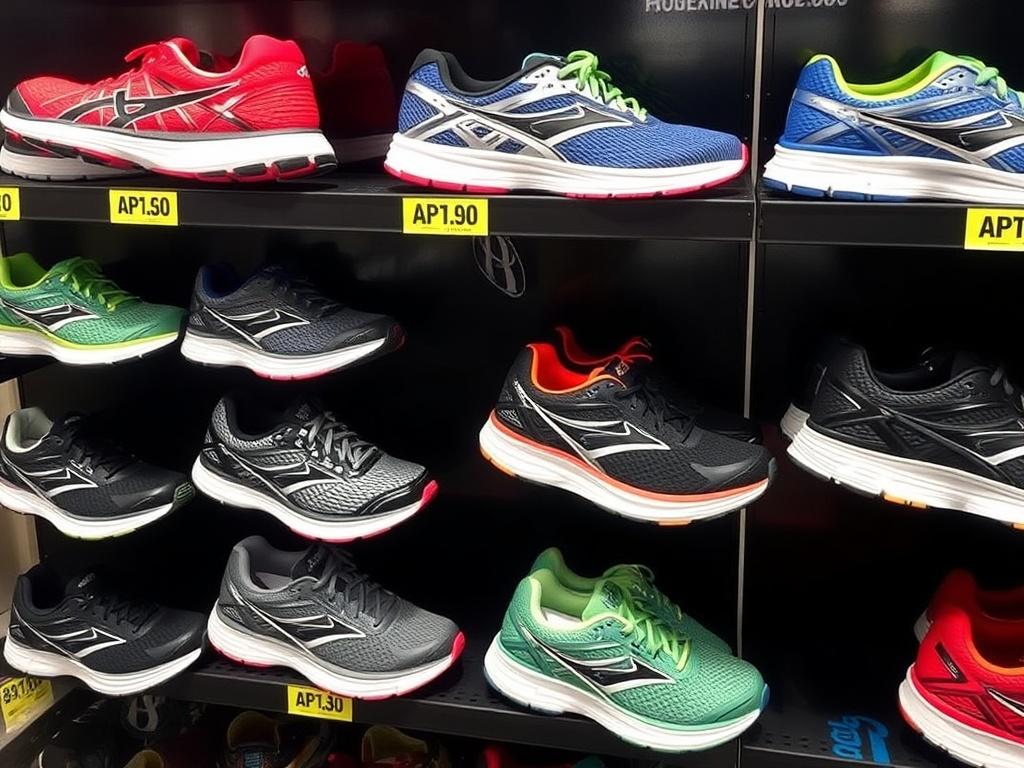
Price doesn’t always equal suitability. Expensive models may have the newest materials and technologies, but a well-fitting, moderately priced shoe often performs better for a given runner than an ill-fitting premium model.
Decide based on mileage goals and priorities: if you log high weekly miles, investing in durable, high-quality trainers pays off. If you run occasionally, mid-range shoes offer excellent performance without breaking the bank.
Brands and model variety: how to choose among hundreds
Brands differentiate by fit, last shape, and proprietary foams. Once you find a brand that matches your foot geometry and preferred feel, stick with it as a baseline and explore different models within that brand to cover various run types.
Read user reviews with a grain of salt: focus on reviewers who match your weight, typical run distance, and terrain. The same shoe can feel like a cloud to one runner and a brick to another depending on those factors.
My experience: what I learned from switching shoes
I used to rotate between a heavy, cushioned trainer for long runs and a lightweight flat for speedwork. The heavier trainer protected my joints miles after miles, but when I switched to a firmer, more responsive trainer I noticed improved leg turnover and less fatigue during tempo sessions.
On trail days, I once picked a road shoe because it looked similar; after a few sharp encounters with rocks and a torn upper, I switched to a trail-specific model with a rock plate and never regretted the extra ounces. These choices taught me that context—route and training goal—matters more than brand loyalty.
Quick checklist: steps to take when choosing your next pair
- Assess your foot: arch type and pronation tendencies.
- Decide the primary use: road, trail, racing, or mixed.
- Try shoes late in the day with real socks and orthotics if used.
- Run in the shoe for at least 10–15 minutes; test outdoors if possible.
- Check return policies before buying online and note model year changes.
- Track mileage and replace shoes when they show signs of midsole breakdown or cause new aches.
Following this checklist will steer you away from impulse purchases and toward shoes that serve your running goals for months and miles to come.
Choosing running shoes is part science, part experimentation. Start by understanding your feet and running habits, try a range of models, and be honest about fit sensations on short test runs. With patience and a little testing, you’ll find shoes that help your body move efficiently, reduce unnecessary soreness, and let your training progress uninterrupted. For many English-speaking runners curious about how people elsewhere phrase the question, the Russian phrase Как выбрать кроссовки для бега captures this exact search for practical guidance—and the answer is the same everywhere: fit first, then function.