

After a good sweat session, your hands often tell the story: chalk dust in the creases, calluses where the barbell rests, slightly tight skin from repeated washing. Knowing how to care for your hands after training can make the difference between resilient, comfortable skin and constant irritation that slows you down. This article will walk through practical, evidence-informed steps to restore moisture, prevent damage, and maintain grip and function so your hands support your training rather than hinder it.
Why post-workout hand care matters
Your hands are workhorses: they grip, stabilize, lift, and take repeated friction during exercise. That constant mechanical stress combined with sweat, frequent washing, and exposure to sanitizers compromises the skin’s protective barrier and can cause dryness, cracks, blisters, and infections.
Ignoring post-workout care is a common reason athletes develop chronic problems like painful calluses, paronychia (infected nail folds), or contact dermatitis. Treating small problems early prevents downtime and keeps performance consistent.
First steps right after training
The first few minutes after exercise are the most important for hand recovery. Remove sweat, dirt, and grime gently; cleanse, dry, and apply a barrier cream within 10–20 minutes if possible. This quick sequence reduces the amount of irritants that sit on the skin and starts hydration while the skin is still slightly damp.
Avoid aggressive scrubbing or hot water immediately after training. Hot water strips oils and increases irritation, and scrubbed skin loses its natural protective lipids. Use gentle techniques and lukewarm water to minimize additional damage.
Gentle cleansing: what to use and why
Choose a mild, pH-balanced cleanser or soap designed for frequent handwashing. Look for labels that say “fragrance-free” and “for sensitive skin”; these formulations typically have fewer irritants. Cleansers with added glycerin help retain moisture while removing sweat and dirt.
Antibacterial soaps are not necessary for routine post-workout cleansing and can be harsher on skin. Reserve stronger antiseptics for situations when you’ve touched visibly dirty surfaces or sustained a skin break. For most gym-goers, a gentle hand wash is sufficient.
Drying technique: beyond the towel
Pat hands dry with a clean towel rather than rubbing vigorously. Rubbing increases friction and irritation, particularly on already compromised skin. If using a public restroom, use a paper towel to turn off taps or open doors to avoid recontamination.
If you sweat heavily, blot with a towel during the workout and again immediately afterward. Leaving moisture trapped in creases can promote maceration (softened, weakened skin) and increase the chance of fungal or bacterial issues.
Moisturizing: the cornerstone of recovery
Moisturizing after cleansing is non-negotiable if you want healthy hands. A good cream restores lipids, improves barrier function, and keeps calluses from becoming painful fissures. Apply moisturizer while your hands are still slightly damp to lock in hydration.
Frequency matters: apply after every wash and before bed. During heavy training periods or in dry weather, consider reapplying mid-day or after long sessions. Consistent use is what repairs and maintains skin integrity over time.
Which ingredients to look for
Understanding ingredient roles helps you pick the right product for your needs. Include humectants (glycerin, hyaluronic acid), occlusives (petrolatum, dimethicone), and emollients (shea butter, jojoba oil) for balanced repair. Humectants attract water, occlusives lock it in, and emollients smooth and soften.
For thicker, cracked areas a cream with urea (5–10%) or lactic acid can gently exfoliate and soften callused skin while drawing moisture into the epidermis. Use these higher-strength agents sparingly and avoid them on open wounds.
How to choose a product for your hand type
If your hands are mildly dry, a fast-absorbing lotion with glycerin and a light oil will feel comfortable and non-greasy. For severe dryness or cracked skin, choose a richer cream with petrolatum or shea butter that creates a stronger barrier. People with eczema should select fragrance-free, steroid-free barrier creams and consult a dermatologist for flare management.
Try different formats: creams are the workhorse for general maintenance, ointments are best for overnight repair, and serums can provide targeted humectant action. Keep a small tube in your gym bag and a heavier jar or pot at home for nighttime use.
Dealing with calluses and blisters
Calluses form where repeated friction stimulates skin thickening. They’re protective to a point but can become painful, crack, or interfere with grip if neglected. Blisters result from acute shear forces and require prompt, careful management.
Treat calluses conservatively: soften them with warm water or a urea-containing cream, then use a pumice or gentle file to reduce excess thickness. Don’t aggressively cut calluses—this risks infection and slower healing.
Blister care: do’s and don’ts
If a blister is small and intact, leave it alone; cover with a sterile dressing and let the fluid cushion the injury. If the blister is large, painful, or at risk of bursting, you can drain it with a sterile needle then cover it with an antiseptic dressing and a breathable bandage.
Keep the area clean and change dressings daily. Watch for signs of infection—increasing pain, redness spreading, warmth, or pus—and seek medical care if you see them. Proper technique and hygiene prevent simple blisters from turning into persistent problems.
Protecting your hands during workouts
Prevention reduces post-workout care needs. Choose protective measures that match your sport and training style. Wrist wraps, gloves, tape, or chalk can all help, but each has trade-offs for grip sensitivity and skin conditioning.
Experiment with options during light sessions to find what suits you. A solution that feels awkward in the beginning often becomes a habit that prevents future skin damage and saves time on recovery.
Gloves, grips, and tape: pros and cons
Workout gloves reduce friction and protect against sweat, but some lifters prefer the tactile feedback of bare hands for technique. Leather grips or bar pads provide targeted protection and can be washed between uses. Tape is excellent for protecting high-wear spots and stabilizing skin during long sessions.
Whichever tool you use, keep it clean. Wash gloves regularly, air out grips after sessions, and replace tape often. Dirty equipment introduces bacteria and defeats the protective purpose.
Technique adjustments that protect skin
Sometimes the problem isn’t the bar or the chalk but how you grip it. Adjusting hand placement, changing the angle of the wrist, and distributing pressure more evenly can reduce focal friction. Coaches and experienced training partners can help identify bad grip habits that accelerate callus formation.
Small technique tweaks also improve performance. You might find that a slightly wider hand placement or a more relaxed grip reduces grip fatigue and prevents painful blisters without sacrificing strength.
Nail and cuticle care
Healthy nails protect the nail bed and reduce the chance of painful hangnails or paronychia. Keep nails trimmed short but not bitten down to the quick, and gently push back—not cut—cuticles after washing and softening them with oil or cream.
If you use instruments or perform heavy lifts that put pressure on nails, file edges to prevent snagging and lower the chance of traumatic splits. Strong nails support safe training and feel more comfortable inside gloves and grips.
When to see a professional for nail problems
Persistent swelling around the nail fold, discoloration under the nail, or recurring infections deserve medical attention. These may require antibiotics, antifungal treatments, or minor procedures. Early intervention prevents complications that could sideline you.
If you have diabetes or poor circulation, be extra cautious—what might look like a minor nail issue can escalate quickly. Regular checks and a low threshold for professional care keep you training safely.
Managing sweat, chalk, and gym surfaces
Sweat changes the local skin environment: it increases moisture, alters pH, and can leave salts that dehydrate tissues as they crystallize and evaporate. Chalk absorbs moisture but can be drying by itself. Both affect the skin barrier.
After training, wipe hands and equipment to reduce residue buildup. If you use chalk, consider a light dusting instead of thick coverage, and wash hands thoroughly after sessions to remove residual particles that trap grime.
Gym hygiene habits that protect hands
Carry a small towel to blot sweat and reduce prolonged moisture contact. Use your towel to create a barrier between your hands and shared grips when possible. Clean equipment before and after use with appropriate disinfectants to minimize bacterial transfer.
If the gym provides disinfectant wipes, use them on handles and grips before you start. Many athletes skip this step, but it cuts down on exposure to bacteria and fungi that exploit small skin damage to take hold.
Balancing sanitizers and skin health
Hand sanitizers are convenient between sets or when a wash station isn’t available, but frequent use can dry skin. Alcohol-based sanitizers remove oils and dehydrate tissues, so follow sanitizer use with moisturizer when you can.
Gel sanitizers with added emollients are gentler than plain alcohol. If you must sanitize often, choose formulations with glycerin or aloe and use a hand cream as soon as feasible to replace lost lipids.
Exfoliation and periodic maintenance
Occasional, gentle exfoliation removes rough layers and helps moisturizers penetrate. Use mild chemical exfoliants (low-concentration urea, lactic acid) or a soft mechanical tool like a pumice stone, but do this only 1–2 times a week at most for most people.
Avoid over-exfoliating, which thins the skin and increases sensitivity. After exfoliation, prioritize moisturization and avoid heavy friction for a day or two to let the skin recover.
Addressing sensitive skin and dermatitis
If you experience itching, redness, or persistent dryness despite good care, you may have contact dermatitis or another inflammatory condition. Identify triggers—latex, fragrances, certain soaps, and wrist straps can all provoke reactions.
Patch testing, switching to hypoallergenic products, and consulting a dermatologist are reasonable next steps. For flares, a short course of topical corticosteroids may be required under medical guidance; use them sparingly and as directed.
Special considerations for different sports
Rock climbers, gymnasts, weightlifters, and rowers all challenge the hands differently, so tailor care to the activity. Climbers often need targeted callus maintenance, while rowers may prioritize moisture balance to avoid blisters from repetitive strokes.
For climbers, regular light sanding of calluses and careful tape use on torn skin prevents larger issues. Gymnasts may rely on rosin and tape plus strong night-time emollients. Identify your sport’s common problems and incorporate specific steps into your routine.
Seasonal adjustments: winter vs. summer
Cold weather shrinks humidity and increases transepidermal water loss, so heavier creams and occlusive ointments are essential in winter. Wear gloves when outside to prevent wind-chapping and use a thicker cream before heading out.
In summer, sweating increases and you may be washing hands more frequently. Lighter lotions that absorb well without leaving a slippery film are preferable to keep grip intact. Adjust product textures rather than ingredients when seasons change.
Practical routines for busy athletes
You don’t need an elaborate ritual to maintain healthy hands—consistent small steps work best. A sensible daily routine: wash gently after training, pat dry, apply a lotion, and use a richer cream before bed. Keep products accessible in your gym bag and at home.
For mornings or quick sessions, a single-step cream with humectant and light emollient properties will do. At night, apply a heavier ointment and wear cotton gloves if your hands crack; this improves absorption and speeds repair.
Example 5-minute post-workout routine
- Rinse hands with lukewarm water using a gentle, fragrance-free cleanser (30–60 seconds).
- Pat dry with a clean towel, paying attention to creases between fingers (30 seconds).
- Apply a nickel-sized amount of moisturizer, spreading evenly and rubbing into cuticles and knuckles (1–2 minutes).
- If hands feel very dry, finish with a thin layer of petrolatum on problem areas or put on cotton gloves for overnight treatment (1–2 minutes).
Products and ingredients table
| Ingredient | Role | When to use |
|---|---|---|
| Glycerin | Humectant; draws water into the skin | Daily moisturizers for all skin types |
| Hyaluronic acid | Powerful humectant for hydration | Good for mildly dry hands; pair with occlusive |
| Ceramides | Repair barrier lipids | Ideal for compromised or sensitive skin |
| Urea (5–10%) | Keratorelaxing and humectant | Thick calluses and very dry skin; avoid on broken skin |
| Petrolatum | Occlusive; prevents moisture loss | Use overnight or on cracked areas |
| Shea butter / plant oils | Emollients; soften and smooth | Everyday creams for dry or normal hands |
Common mistakes and how to avoid them
Many people make avoidable errors: skipping moisturizer after sanitizing, overusing antibacterial soaps, or slicing calluses. These behaviors prolong recovery and increase the likelihood of infection. Replace bad habits with consistent, gentle care.
Other mistakes include ignoring signs of infection and assuming tougher hands are always better. Healthy, slightly protective calluses are fine—but painful, split, or recurrently infected areas need attention and modification of training or equipment.
Real-life example: how small changes helped my grip
When I first started heavy deadlifts, my right hand developed a persistent, painful callus that split every few weeks. I tried various creams with little effect until I combined simple changes: switching to a slightly wider grip, dusting chalk lightly instead of heavy coverage, and applying a urea cream twice weekly with nightly petrolatum. The splitting stopped within a month and my grip felt more reliable.
That experience taught me that prevention and targeted treatment work better than reactive surgery on the problem. Small technique adjustments plus consistent topical care fixed what appeared to be a chronic issue.
When to see a specialist
Seek professional advice if you notice spreading redness, fever, persistent drainage, or worsening pain—these are signs of infection that may need prescription treatment. Also consult a dermatologist for chronic dermatitis, severe eczema, or when over-the-counter approaches fail.
A sports medicine clinician or hand specialist can address structural issues, offer protective devices, or provide procedural care for persistent calluses and nail problems. Early professional input often shortens recovery and prevents repeated setbacks.
Travel and gym-bag essentials
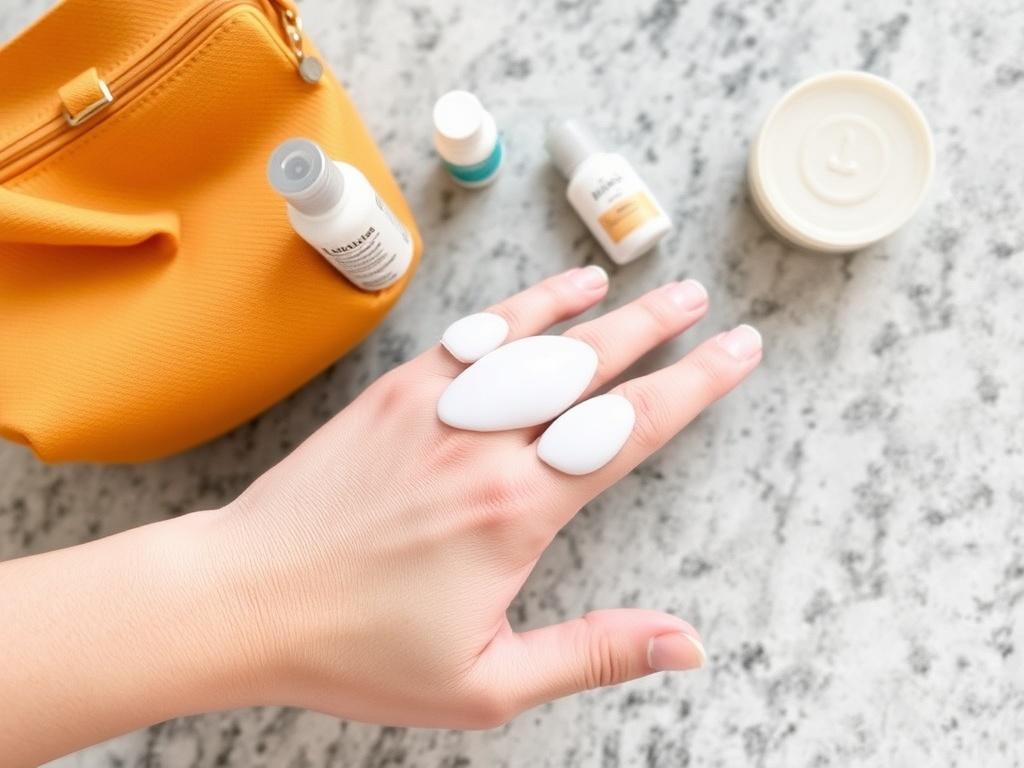
Pack a small routine-friendly kit: a gentle soap or cleansing wipes, a travel-size cream with glycerin and an occlusive like petrolatum, a few adhesive bandages, and a tiny pumice or nail file. Keep this kit in your gym bag so you can freshen up and treat the hands immediately after training.
For competitions or long training days, add spare tape, a small bottle of alcohol-free sanitizer, and a pair of light gloves. Preparedness reduces the temptation to skip care when you’re tired or short on time.
Long-term maintenance strategies
Think of hand care as part of your training program, not an optional cosmetic step. Schedule weekly attention for callus maintenance, keep your moisturizing habit steady, and review your protective gear seasonally. Preventive measures reduce painful interruptions to your routine.
Track changes: photograph problematic areas monthly to notice trends, and log when issues arise in relation to new equipment or training changes. This data helps you and any clinician spot triggers and refine your approach.
Final practical tips to remember
Wash with a mild cleanser; pat dry; apply moisturizer while skin is slightly damp. Protect hands during activity with the appropriate gear and clean that gear regularly. Treat calluses gently and deal with blisters promptly and hygienically.
If irritation persists, simplify your product list to fragrance-free basics and consult a professional. Small, consistent actions keep your hands healthy, preserve performance, and let you focus on what you love—training hard without unnecessary pain.
Taking a few minutes after workouts to care for your hands pays dividends: fewer interruptions, better comfort, and longer-term resilience. Make those minutes non-negotiable and your hands will repay you with steadier grip and fewer setbacks.