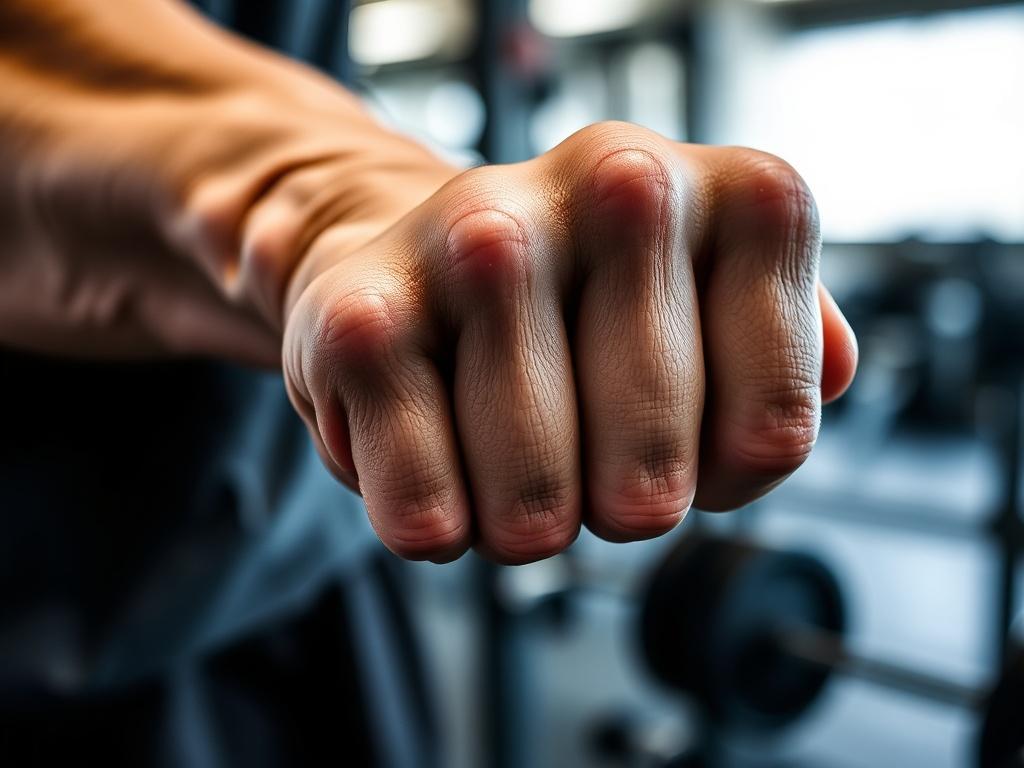
Grip strength is deceptively influential: it affects your deadlift, your ability to carry groceries, and how long you can hang from a pull-up bar. Whether you want to crush a hand gripper, improve climbing performance, or just stop dropping things at work, a focused approach will get you there. This article walks through the anatomy, the methods, and a realistic training plan so you can make steady, measurable progress.
Why grip strength matters more than you think
Grip strength is a proxy for overall physical function and health. Research links a stronger grip to better performance in many sports, faster recovery from injury, and even lower mortality risk in older adults. But beyond statistics, grip strength is simply practical: it determines how well you can control objects, stabilize heavy loads, and protect your hands from slipping.
Improving your grip pays dividends across disciplines. A stronger grip helps you maintain tension in big lifts, last longer on routes while climbing, and execute techniques in combat sports where holds and clinches matter. Put simply, grip strength turns strength into usable strength — the kind you can apply in real situations.
Understanding the anatomy of a powerful hand
Your grip is not one muscle; it’s a coordinated system that includes the forearm flexors, intrinsic hand muscles, wrist stabilizers, and the neural pathways that recruit them. The flexor digitorum profundus and superficialis control finger flexion, while the flexor pollicis longus controls the thumb. Intrinsic muscles like the interossei and lumbricals fine-tune pinch and dexterity.
Wrist position and forearm strength matter too. A stable wrist lets the fingers generate more force, and strong pronators and supinators contribute to control in rotational tasks. Nerves from the brachial plexus and median, ulnar, and radial nerves mediate sensation and motor control, so neurological health is part of the equation.
Different types of grip and why you should train them all
Not all grips are created equal. Crushing grip refers to the ability to close the hand around an object, like squeezing a gripper. Pinch grip depends on the opposing pressure between thumb and fingers and is crucial for holding flat objects. Support grip is the ability to hold a load for time, such as in farmer carries or dead hangs.
Training only one type of grip produces imbalanced improvements. A climber might possess excellent pinch and open-hand endurance but lack crushing power for certain holds. A powerlifter might have strong closed-handed grip but weak pinch strength for plate carries. Building all three categories creates a versatile, resilient hand.
How to test your current grip strength
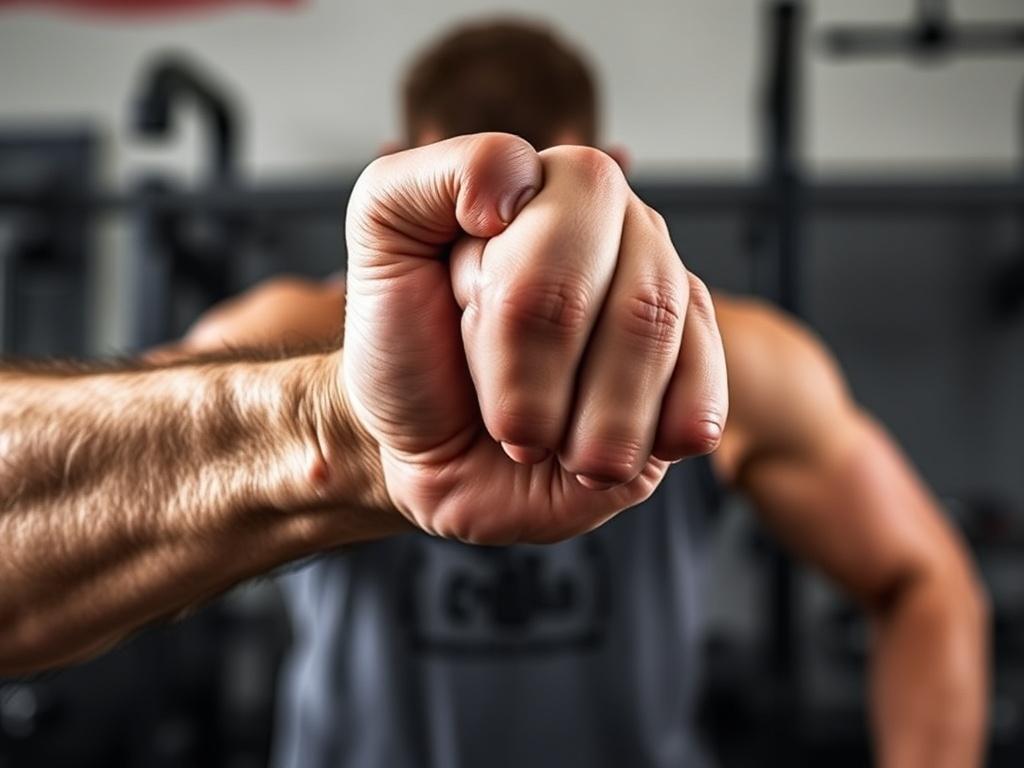
Before crafting a program, measure where you stand. The simplest test is a handgrip dynamometer, which gives a quick numeric readout you can track over time. For those without a dynamometer, practical tests like maximum dead-hang time, farmer carry distance with a known load, or the heaviest pinch you can hold for ten seconds all work well.
Record multiple metrics: crush max (gripper or squeezing a tennis ball for maximal force), pinch max (two-plate pinch or pinch block), and support endurance (timed hangs or farmer walks). Taking baseline numbers and repeating them every 4–6 weeks provides an objective view of progress and helps you adjust the plan.
Principles that guide effective grip training
Grip training follows the same fundamental strength principles as other muscle groups: progressive overload, specificity, and recovery. Progressive overload means increasing resistance, time under tension, or complexity gradually. Specificity means training the exact grip type you need; if you want better support grip, do timed holds and carries rather than only gripper reps.
Recovery is crucial. The forearms and hands have a lot of small muscles and tendons that are prone to overuse. Unlike larger muscles, they recover differently, so frequent low-volume sessions often work better than infrequent high-volume beatings. Pay attention to pain, not just soreness, and scale back if tendon irritation appears.
Key exercises for building a complete grip
Here’s a concise list of high-return movements that address crushing, pinch, and support grip. Include these into a balanced routine and rotate them across the week to maintain variety and avoid overuse.
- Captains of Crush-style grippers or adjustable grippers for progressive crush strength.
- Plate pinches and pinch blocks for pinch strength.
- Farmer carries, suitcase carries, and suitcase holds for support and carry endurance.
- Dead hangs and towel hangs to build time-under-tension support endurance and shoulder stability.
- Wrist curls and reverse wrist curls for wrist and forearm development.
- Wrist rollers and thick-bar curls for sustained forearm engagement.
- Rice bucket or putty work for rehab, mobility, and small muscle endurance (use sparingly).
Each of these targets slightly different tissues and neural demands, so alternating them across microcycles creates well-rounded improvements.
How to program grips into your weekly training
Grip work is compact and efficient; you don’t need hours to see results. Three short sessions per week of 15–25 minutes each are usually sufficient for steady progress. Include direct grip work twice per week if your sport is grip-intensive, with one lighter session focused on speed and technique.
Structure sessions with a main heavy element (e.g., max gripper work, heavy pinch holds, or heavy farmer walks), an accessory endurance or technical element (timed hangs or towel holds), and a short prehab or mobility finisher. Rest is part of the set: for maximal crush work, take longer rests between attempts; for endurance holds, shorter rests and multiple sets are appropriate.
Sample eight-week progressive routine
Below is an example of an 8-week program that balances the three main grip types. Use this as a template and adjust loads based on your baseline testing and recovery. Perform the routine on non-consecutive days when possible.
| Week | Main focus | Session A | Session B |
|---|---|---|---|
| 1–2 | Technique and baseline | 3×5 gripper work (submax), 4x20s dead hang | 3x15s plate pinch, 4x50m farmer carry (moderate) |
| 3–4 | Volume increase | 5×3 gripper (near max), 5x30s dead hang | 4x20s plate pinch (heavier), 5x60m farmer carry |
| 5–6 | Intensity peak | Work up to 1RM gripper attempts, 3x45s dead hang | 3x25s heavy pinch, 3x80m heavy farmer carry |
| 7 | Deload and technique | 2×5 submax gripper, 3x20s dead hang | 2x15s pinch, 3x40m carries (light) |
| 8 | Test and adapt | Retest max gripper and hang time | Retest max pinch and heaviest carry distance |
Adjust the program for your sport: climbers should favor longer hangs and open-hand endurance, while strongmen may emphasize heavy farmer carries and thick-bar work. Track tests at the end of the cycle to measure gains and set the next cycle’s targets.
Progressions for gripper work
Hand grippers are a straightforward way to train crushing strength, but the method you use matters. Avoid grinding out dozens of light reps that leave no room for progressive overload. Instead, use the following progression: submax warm-ups, heavy triples or singles, and occasional max-attempt sets.
Try a weekly format like this: Day 1 — heavy singles (work up to a near-max close with long rest), Day 2 — speed-focused sets (quick closes for 6–8 reps at 60–70% of max), Day 3 — higher-volume submax sets for technique (3–4 sets of 5–8 reps). This covers neural strength, speed, and hypertrophy in small doses.
Pinch strength: plate and block work that transfers
Pinch strength requires a different stimulus because the thumb plays an outsized role. A simple and effective drill is the two-plate pinch: hold two weight plates together smooth-side-out and time yourself. Progress by increasing weight, time under tension, or using thicker plates to change the leverage.
Another progression uses pinch blocks with magnetic plates or custom blocks of increasing thickness. Work sets of 10–20 seconds for heavy pinch strength and longer sets of 30–60 seconds for endurance. If you have limited gym equipment, a suitcase carry with the handle between your fingers and thumb simulates pinch demands in functional contexts.
Support endurance with carries and hangs
Support grip is about holding a load and not letting it roll out of your hands. Farmer carries are the gold standard because they combine lower-body and core demand with the need for a steadfast grip. Start with moderate distances and gradually increase weight or distance as your technique improves.
Dead hangs and active hangs strengthen both grip and shoulder health. Use open-hand hangs on a pull-up bar, and progress from time to weighted hangs as endurance improves. Towel hangs and thick-bar hangs add variability and simulate real-world challenges like holding awkward objects.
Wrist and forearm training: balance power with stability
Many people focus solely on gripping the object and ignore wrist position. Wrist curls, reverse wrist curls, and wrist rollers build the forearm musculature that supports strong finger flexion. Train wrists at the end of a session with moderate loads and controlled reps to avoid overuse.
Wrist mobility work and light eccentric training for the flexors and extensors reduce injury risk. Tendons respond well to slow, loaded eccentric contractions, but these should be introduced progressively. If you feel tendon pain rather than muscle soreness, back off and address mobility and load management.
Integrating grip training with sport-specific work
Transfer improves when you practice grips in the context of your sport. Climbers should prioritize long, open-hand hangs and route-specific pinches; grapplers might emphasize wrist control and crushing strength for clinches; lifters should train support holds and thick-bar versions of their primary lifts. Treat grip work as skill practice as well as strength work.
Another practical way to transfer is to include grip elements in compound lifts. Use thick-handled bars, fat grips, or towel draped over a bar during rows and deadlifts to amplify grip demands without separate isolation sessions. These small tweaks build grip resilience while preserving gym time.
Recovery, nutrition, and lifestyle factors
Grip muscles are small but they still need good protein intake, sleep, and smart recovery. Tendons in the hand and forearm have less blood flow than muscle, so recovery from tendon-heavy training can be slower. Prioritize sleep and eat enough protein to support repair, and include omega-3 and vitamin C for tendon health where appropriate.
Active recovery works well: light mobility, soft-tissue work with a lacrosse ball, and gentle rice-bucket or putty work can increase circulation and maintain range of motion. Avoid excessive gripping of heavy objects outside programmed sessions during hard training phases to limit cumulative fatigue.
Dealing with pain and avoiding common mistakes
Differentiate between muscle soreness and tendon pain. Muscle soreness is diffuse and improves with movement; tendon pain is focal, worsens with specific movements, and may persist. If tendinopathy signs appear, reduce load, add controlled eccentrics, and consult a sports medicine professional if it does not improve.
Common mistakes include chasing high-rep gripper counts, neglecting pinch training, and training to failure too often. Overtraining the forearms can create nagging issues that stall progress. Use deliberate progression, monitor symptoms, and incorporate deload weeks to let tissues adapt.
Tools worth investing in — and what’s optional
Certain tools give straightforward feedback and progression: a quality adjustable hand gripper, a pair of heavy-duty farmer carry handles or hex dumbbells, and a set of plates for pinching are high-value purchases. A handgrip dynamometer helps quantify progress but isn’t essential for most people.
Optional equipment like wrist rollers, pinch blocks, and thick-bar adapters are helpful but not required. Many effective variations can be improvised with towels, ropes, and household plates. The best tool is consistency: even bodyweight hangs and household carries practiced regularly will move the needle.
Tracking progress and setting realistic goals
Set measurable, time-bound goals. Instead of saying “I want a stronger grip,” choose “Increase my dynamometer reading by 10% in 8 weeks” or “Hold a 60-second dead hang by the end of month two.” Track training loads, times, and subjective recovery to ensure progress without injury.
Take photos of pinch setup, record videos of max attempts, and log numbers in a simple spreadsheet or training app. Small, frequent wins — an extra five seconds on a hang, a heavier farmer carry for 20 more meters — compound into big improvements over months and years.
Real-life examples and lessons from my coaching experience
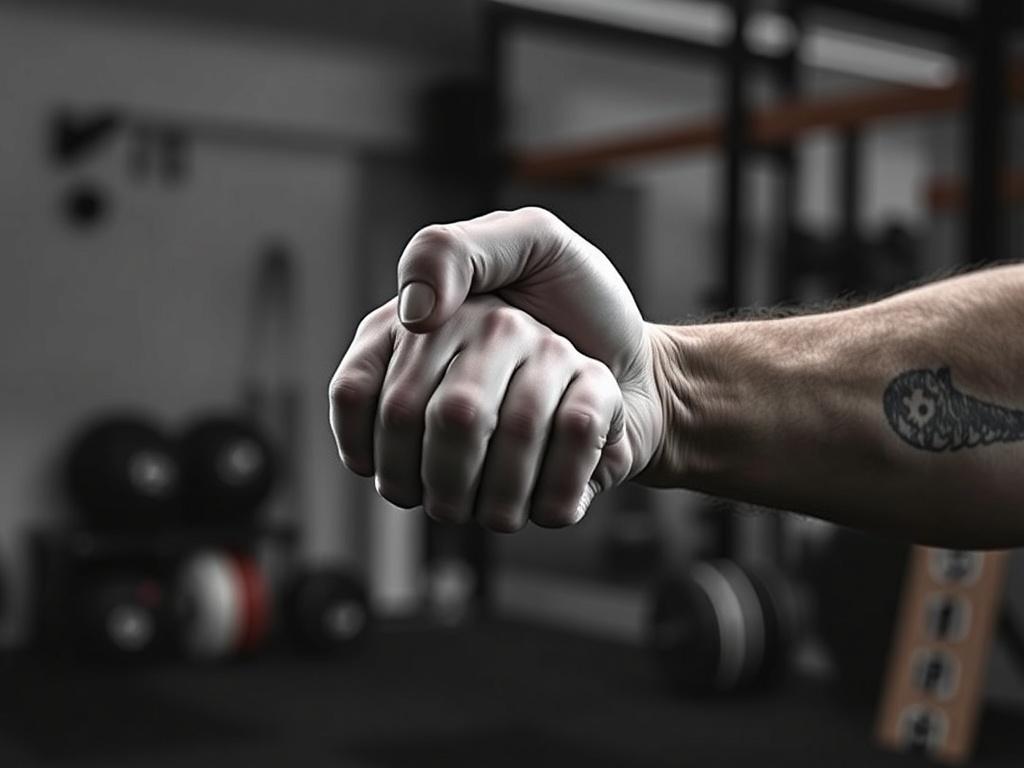
As a coach I once worked with a touring stagehand who routinely carried heavy cases and struggled with hand fatigue. We implemented a focused 10-week plan of farmer carries, plate pinches, and eccentric wrist work twice weekly. Within ten weeks his carry distance with the same weight increased by 35% and workplace incidents from dropped cases fell to zero.
Another client, a weekend climber, had strong pulling strength but poor pinch endurance. By adding regular pinch sessions and longer open-hand hangs, she climbed in sessions with fewer rests and climbed harder routes without fatigue. Those improvements came not from more climbing but from targeted, lower-volume grip work that filled specific weaknesses.
Sample microcycle for a mixed-athlete
Below is a single-week example you can drop into most training schedules. The goal is to complement existing lifts or sport sessions without overwhelming recovery.
- Monday: Heavy gripper work — 6–8 singles near max, 4–6 min rest; finish with 3x30s dead hangs.
- Wednesday: Pinch day — 4x15s heavy plate pinches, 3x50m farmer walks (moderate), light wrist curls 3×12.
- Friday: Mixed endurance — 6x20s towel hangs, 3x80m suitcase carries, wrist roller 3×2 climbs.
Rotate loads weekly and include an easier week every fourth week to allow for tissue recovery and adaptation. Adjust volume and intensity based on how your forearms feel and other training commitments.
Nutrition and supplementation notes for tendon and muscle health
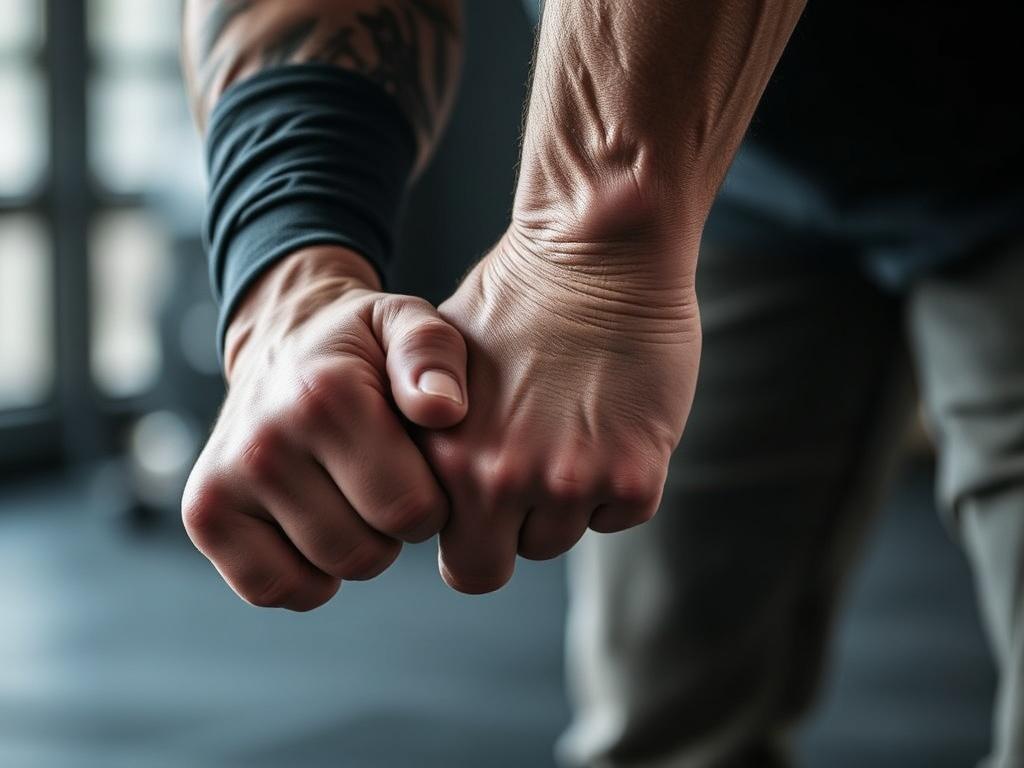
Basic nutrition principles apply: adequate calories, plenty of protein, and nutrients that support connective tissue health are helpful. Collagen supplementation paired with vitamin C has some evidence for tendon support when consumed around training, and omega-3s can reduce inflammation and support recovery after intense sessions.
Don’t rely on supplements as a substitute for smart programming. They can be adjuncts, not fixes. Prioritize whole-food protein sources, leafy greens, and hydration, and use targeted supplements if you have specific concerns or advice from a healthcare provider.
When to see a professional
If you experience persistent, sharp, or worsening pain that interferes with movement or sleep, seek evaluation from a sports doctor or physiotherapist. Tendon ruptures, nerve compression syndromes, and severe joint injuries require prompt attention. Early intervention often prevents chronic issues and gets you back to training faster.
A qualified coach or physical therapist can also help you dial in technique, spot asymmetries, and create a rehab-friendly program if you’re recovering from injury. Don’t wait for a problem to become severe before asking for help; preventive checks can save months of downtime.
Long-term strategies for maintaining a strong grip
Grip strength is perishable but also resilient. After an initial focused block, maintenance requires far less time than building. Two 20-minute weekly sessions focusing on each grip type will preserve gains while freeing time for other pursuits. Rotate focus quarterly to keep the hands adaptable and resilient.
Incorporate grip variability throughout your life. Carry groceries without using carts when possible, use thick-handled tools, and occasionally include heavy pinch or carry challenges outside structured sessions. The goal is a functional, dependable hand that responds to daily demands.
Common misconceptions
One myth is that grip strength is purely genetic and can’t be significantly improved after a certain age. While genetics influence starting points, almost everyone can make meaningful gains with consistent, targeted work. Another misconception is that lots of squeezing will fix everything; in reality, variety and appropriate loading are key.
Finally, some people think grip training ruins forearms. Properly programmed grip training should build resilience, not damage. Respect volume, progress sensibly, and include mobility and eccentric work to protect tendons and joints.
Final thoughts and a practical call to action
Improving your grip is a high-return investment in functional strength and everyday competence. Start with a simple baseline test, pick two or three reliable exercises that address crushing, pinch, and support, and train them consistently with gradual progression. Little, focused work done regularly produces disproportionately large gains.
Try the eight-week template, track your numbers, and adjust based on recovery. If you want, begin today with a three-set baseline test: a maximal gripper close or maximal effort squeeze, a 30-second pinch test, and a timed dead hang. Log the results, and you’ll have the first data point toward real, measurable improvement.