

Teenage bodies are busy. They grow, learn, and sweat through practices and games, demanding more than a one-size-fits-all nutrition plan.
This article walks through evidence-based guidance for athletic teens, balancing food-first strategies with clear rules about supplements and safety. It’s written for parents, coaches, and young athletes who want practical steps rather than hype.
Why nutrition matters during adolescence
Adolescence is a period of rapid physical development, and athletic training adds a second layer of demand. Muscles need building blocks, bones need minerals, and the brain needs consistent fuel to support both sport and school.
Poor eating patterns during these years can lead to fatigue, injury, delayed growth, and poor sport performance. Thoughtful fueling reduces the risk of overtraining and helps athletes recover faster between sessions.
Good eating habits built now also set the stage for long-term health. Teaching teens to listen to hunger, plan meals around activity, and prioritize nutrient-dense foods pays off beyond any single season.
Core principles before thinking about supplements
Whole foods should provide the foundation of any athlete’s diet: lean proteins, whole grains, fruits, vegetables, dairy or fortified alternatives, nuts and seeds. Supplements are, at best, a convenience or a targeted fix for specific shortfalls.
Balance is essential: calories must match training load, and macronutrients should be adjusted with sport demands. Failing to meet caloric needs is more limiting to growth and performance than any single supplement could ever be.
Safety and supervision matter. Teens should consult a pediatrician, sports dietitian, or qualified coach before adding products to their routine, especially if they have medical conditions like anemia or asthma.
Energy needs and how to estimate them

Caloric needs vary widely across adolescents depending on sex, age, body size, and training intensity. A 14-year-old swimmer training for hours a day will need substantially more energy than a 16-year-old who plays a single team practice several times a week.
Practical estimation methods include using growth charts, tracking weight trends, and monitoring performance and recovery. If a teen is losing weight unintentionally, showing persistent fatigue, or getting injured frequently, calories are likely too low.
Encourage regular meals and snacks timed with training. A pattern of three balanced meals and two to three nutrient-rich snacks usually covers most energy needs for active teens without complicated calculations.
Macronutrients: how much protein, carbohydrate, and fat
Protein supports muscle repair and growth. For most adolescent athletes, a general target is 1.2–1.8 grams per kilogram of body weight per day, adjusted for sport and training volume. Spread protein evenly across meals to maximize recovery and synthesis.
Carbohydrates are the primary fuel for high-intensity work. Intake should vary by activity: endurance training and repeated sprint sports require more carbohydrates, typically 5–7 grams per kilogram on most days and up to 8–10 grams during heavy training blocks.
Fats are vital for hormone production, essential fatty acids, and long-duration energy. Aim for about 25–35% of total calories from healthy fats, prioritizing sources like avocados, nuts, seeds, oily fish, and olive oil.
Protein sources and timing

Whole-food protein sources—chicken, fish, eggs, dairy, legumes, and lean beef—provide more than amino acids; they bring micronutrients and satiety. Including a complete protein at meals helps support steady growth and training adaptations.
Protein soon after exercise helps recovery. A practical guideline is consuming 20–30 grams of quality protein within 30–90 minutes after training, paired with carbohydrates for glycogen replenishment. This window is flexible; overall daily intake matters most.
Protein powders can be helpful for convenience or meeting targets when whole-food options aren’t available. Use them sparingly, choose reputable brands, and treat them as supplements rather than meal replacements.
Carbohydrate strategies for training and competition
Carbohydrates before an event provide readily available fuel. A light pre-practice meal containing 1–2 grams per kilogram of carbohydrates two to four hours before activity helps prevent early fatigue and maintains concentration.
During long-duration activities, such as tournaments or endurance events, small carbohydrate-rich snacks or sports drinks can sustain energy. Simple options include bananas, energy bars, and low-residue sports gels for quick absorption.
After prolonged or intense exercise, prioritize carbohydrate replenishment to restore muscle glycogen. Pair carbs with protein at a ratio of roughly 3:1 or 4:1 for optimal recovery during multi-session days.
Hydration: more than just water
Hydration influences performance, cognition, and thermoregulation. Teens often underestimate sweat losses and may not drink enough to offset training-induced dehydration. Regular sips during activity and an eye on urine color are practical checks.
For sessions under an hour, water is usually sufficient. For prolonged or high-intensity exercise in heat, drinks containing electrolytes and carbohydrates can help maintain fluid balance and sustain energy.
Weighing before and after hard sessions offers useful data: a loss greater than 2% of body weight signals significant dehydration. Aim to replace roughly 1.25–1.5 liters for each kilogram lost within several hours after activity.
Vitamins, minerals, and why teens may need attention
Micronutrients support growth, oxygen transport, immune function, and bone health. Iron, vitamin D, calcium, and B-vitamins are common areas of concern for active adolescents, especially those with limited diets.
Iron deficiency reduces endurance and increases fatigue, and it is relatively common among teen girls and vegetarian athletes. Screening for low iron should follow symptoms like persistent tiredness, pale skin, or declining performance.
Vitamin D supports bone health and immune function; insufficiency is widespread in regions with limited sun exposure. Regular testing and targeted supplementation under medical guidance are reasonable steps for at-risk teens.
Common supplements: what the evidence says
Most supplements marketed to young athletes have little high-quality research in adolescent populations. A few stand out with supportive evidence when used appropriately: creatine monohydrate, caffeine in controlled amounts, and vitamin D when deficient.
Creatine has been shown to improve short, high-intensity performance and support strength gains, even in adolescents, when taken at recommended doses. However, use should be supervised and reserved for experienced athletes with a clear need and medical clearance.
Caffeine can enhance alertness and endurance but carries risks like increased heart rate, disrupted sleep, and anxiety. Teen intake should be modest and timed to avoid interfering with sleep, with attention to total daily caffeine from all sources.
Protein powders, bars, and meal replacements
Protein powders are convenient and generally safe when manufactured to standard. Whey, casein, and plant-based blends offer varying digestion rates and amino acid profiles, and choices can be matched to dietary preferences.
Bars can be useful portable snacks but vary widely in sugar and calorie content. Read labels for ingredient quality and prioritize bars that complement rather than replace balanced meals.
Meal replacements should not replace regular food patterns for growing teens. They may be appropriate in limited circumstances, such as travel or medical situations, but food-first approaches are preferable for development and learning to eat well.
Creatine: a closer look
Creatine monohydrate is one of the most researched supplements and has a strong safety profile in adults and emerging evidence in adolescents. It supports short bursts of power, repeated sprints, and muscle recovery when combined with resistance training.
If considered, use a standard dose of 3–5 grams daily after initial consultation with a pediatrician or sports medicine specialist. Hydration and baseline health status should be assessed, and products should be third-party tested for purity.
Creatine is not a steroid and does not alter growth in healthy teens. That said, parental consent and professional oversight are important to ensure appropriate use and to avoid black-market or adulterated products.
Caffeine and stimulants: proceed with caution
Caffeine can enhance focus and endurance in small doses but carries a narrow therapeutic window for adolescents. High intakes increase the risk of jitteriness, palpitations, disrupted sleep, and behavioral changes.
Energy drinks often combine caffeine with sugar and other stimulants and are not appropriate for teens. Medical bodies generally advise against regular use of energy drinks by adolescents due to cardiovascular and sleep concerns.
Teach teens to track total caffeine intake, including that from coffee, tea, soda, and preworkout supplements. Limiting consumption and avoiding late-day dosing preserves sleep, which is crucial for recovery and growth.
Omega-3s, vitamin D, and calcium: building blocks for bones and brain
Omega-3 fatty acids support brain health, inflammation control, and possibly recovery. Teens who eat little oily fish can benefit from a fish oil supplement, with attention to purified products tested for contaminants.
Calcium and vitamin D are essential for accruing bone mass during adolescence. Dairy, fortified alternatives, leafy greens, and safe sun exposure contribute to status, but supplements are reasonable when dietary intake or blood levels are low.
Monitoring and targeted supplementation based on blood tests provide the safest path. Routine blanket megadoses are unnecessary and can be counterproductive.
When a multivitamin makes sense
A basic multivitamin can be a safety net for teens with limited diets, poor appetite, or multiple food restrictions. It should not substitute for diverse food intake, and parents should choose age-appropriate formulations without excessive dosing.
Look for multivitamins that avoid excessive iron unless a deficiency is confirmed. Over-supplementation of fat-soluble vitamins can cause harm, so professional guidance ensures a prudent approach.
Track dietary patterns for a few weeks before starting supplements; often small changes to meals or snacks close micronutrient gaps without products.
Red flags and risky products
Avoid supplements that promise rapid weight loss, steroid-like gains, or contain proprietary blends with undisclosed ingredients. These are more likely to be adulterated or to include banned substances.
Products marketed as “natural” are not automatically safe; plant-derived compounds can have potent biological effects and interactions. Always verify ingredients and look for third-party testing seals like NSF Certified for Sport or Informed-Sport.
Teens should never take adult-strength supplements or share products with teammates. An individual’s health history, medications, and growth stage should inform any supplement decision.
How to evaluate labels and quality
Read labels for dose, active ingredients, and allergen information. Avoid products with vague proprietary blends that hide specific ingredient amounts; transparency is a hallmark of reputable manufacturers.
Third-party testing reduces the risk of contamination or mislabeled ingredients. Seek products certified by independent labs and cross-reference company recalls or safety notices before buying.
Keep a list of supplements and bring it to medical appointments. This helps clinicians identify interactions or unnecessary duplications and supports safe, coordinated care.
Steps to choose a supplement responsibly
- Identify the specific nutrition gap through diet records or medical testing.
- Consult a pediatrician or sports dietitian for guidance tailored to age and sport.
- Choose third-party tested products and follow recommended dosing.
- Monitor effects, side effects, and any changes in performance or health.
These steps reduce reliance on marketing and ensure that any product serves a justified purpose. They also protect teens from unnecessary expense and potential harm.
Meal planning: building a teen athlete’s plate
Construct meals around a simple template: a palm-sized portion of lean protein, two fists of carbohydrates, a thumb of healthy fat, plus vegetables or fruit. This visual approach makes portioning easier for parents and teens alike.
Snacks should be nutrient-dense and portable: yogurt with fruit, whole-grain toast with peanut butter, or a homemade trail mix. Timing snacks to arrive 30–90 minutes before practice helps sustain energy without gastrointestinal discomfort.
Include a recovery snack with both carbohydrates and protein after tough sessions. Chocolate milk, a turkey sandwich, or a smoothie with fruit and Greek yogurt are quick and effective choices.
Sample daily meal plans
These examples are starting points and should be adjusted for size, preferences, and training volume. Aim for variety across the week to cover different micronutrients and to keep food interesting.
| Time | Option A: Moderate training day | Option B: Heavy training day |
|---|---|---|
| Breakfast | Oatmeal with banana, milk, and almonds | Whole-grain toast, scrambled eggs, and fruit |
| Mid-morning snack | Greek yogurt with berries | Smoothie with fruit, yogurt, and a scoop of protein powder |
| Lunch | Turkey wrap with veggies and a side salad | Brown rice bowl with chicken, avocado, and mixed vegetables |
| Pre-practice | Apple and peanut butter | Bagel with honey or a sports drink if long session |
| Post-practice | Chocolate milk and a banana | Rice, lean beef, and steamed vegetables |
| Dinner | Salmon, quinoa, and broccoli | Pasta with turkey meatballs and a side salad |
| Evening snack | Cottage cheese with pineapple | Whole-grain crackers and cheese |
Adjust portion sizes and snack frequency to align with growth and sport demands. A dietitian can customize these plans for allergies and cultural food preferences.
Practical on-the-go fueling for tournaments and travel
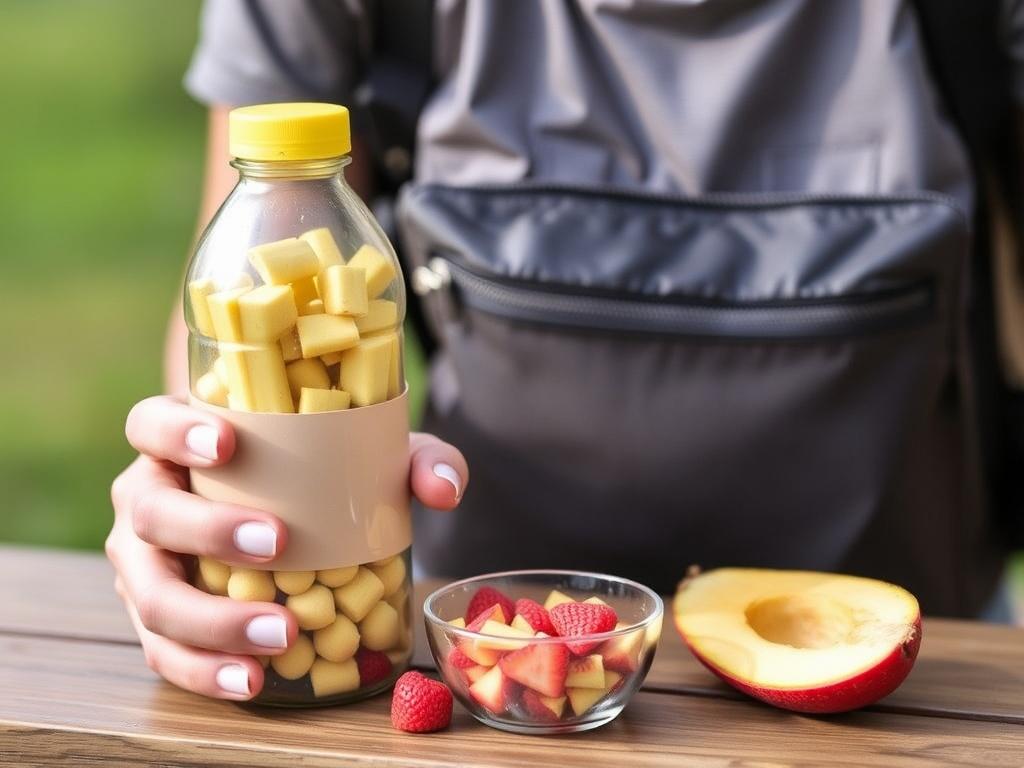
Travel days require portable, shelf-stable options: nut butter packets, bagels, dried fruit, jerky, and single-serve tuna or hummus. Planning ahead avoids last-minute reliance on fast food that’s low in nutrients and high in empty calories.
When airport or stadium options are limited, prioritize carbohydrate-rich snacks and basic protein to sustain energy. Small cooler bags and insulated containers can keep perishables safe and usable between sessions.
Hydration is critical when travel disrupts routines; encourage teens to carry a refillable bottle and to sip regularly during long waits or bus rides.
Special considerations: vegetarian and vegan athletes
Plant-based athletes can meet all nutrient needs with careful planning. Emphasize complete protein combinations, fortified foods for vitamin B12, and reliable sources of iron and zinc.
Include a mix of legumes, tofu, tempeh, seitan, whole grains, nuts, and seeds. Consider fortified plant milks and cereals, and monitor vitamin B12 and iron status with a clinician.
When appropriate, discuss supplementation for nutrients that are harder to obtain from plant sources, such as B12 and possibly creatine or omega-3s, always under professional guidance.
Addressing weight goals and body image responsibly
Some teens will seek to lose or gain weight for sport reasons, but aggressive dieting or rapid weight manipulation can damage growth and health. Changes should be gradual, supervised, and focused on body composition and performance rather than aesthetics.
Encourage goal-setting around strength, speed, or endurance—measures that support healthy progress. Work with healthcare professionals when weight adjustments are needed, particularly for sports with weight classes.
Watch for signs of disordered eating: obsessive calorie counting, severe restriction, bingeing, or compensatory behaviors. Early intervention by clinicians and mental health professionals improves outcomes.
Sleep, recovery, and the role of nutrition
Nutrition and sleep work together: late caffeine or heavy late-night meals disrupt sleep, which impairs recovery and learning. Prioritize consistent bedtimes and balanced evening meals that support restoration without overloading the digestive system.
Protein at dinner supports nocturnal muscle repair, while carbohydrates earlier in the evening help promote sleep quality for some athletes. Tailor evening routines so food supports rather than undermines recovery.
Active rest days still require good nutrition; low-intensity days are opportunities for nutrient-dense foods that repair and rebuild for the next hard session.
Working with professionals: who to involve and when
Start with a pediatrician or family doctor to rule out medical causes of fatigue or poor performance. A registered dietitian with sports credentials can create individualized nutrition plans and guide supplement decisions safely.
Coaches should encourage food-first approaches and avoid pressuring teens into unmonitored supplementation. Athletic trainers and sports medicine specialists are valuable partners for monitoring training loads, injuries, and recovery needs.
When mental health concerns or disordered eating arise, early referral to a psychologist or counselor experienced with athletes is essential. Integrated care improves both health and performance.
Budget-friendly shopping and meal prep tips
Buying in bulk, choosing seasonal produce, and planning meals around sales saves money while keeping nutrition high. Simple batch cooking—big pots of chili, roasted chicken, or grain salads—makes healthy choices easy on busy days.
Frozen fruits and vegetables are nutrient-rich and convenient, and canned beans provide inexpensive protein and fiber. Preparing snack packs of nuts, fruit, and cut vegetables reduces impulse purchases of less nutritious options.
Train teens to assemble quick meals themselves; kitchen skills build independence and make healthy eating more likely during away games and busy school weeks.
Common myths and marketing traps
Myth: More protein always equals more muscle. Reality: Excess protein does not force more muscle growth; balanced calories, appropriate training, and adequate sleep are the real drivers.
Myth: Supplements are necessary for improvement. Reality: Most teens see bigger gains by refining food quality, timing, and recovery first. Supplements fill gaps, they don’t replace fundamentals.
Myth: “Natural” equals safe. Reality: Natural compounds can still have strong effects and risks. Always vet products and avoid those with grandiose promises or secret blends.
A coach’s checklist for supporting young athletes
- Promote meal timing and ensure food availability at practices.
- Avoid endorsing specific supplements without medical input.
- Track signs of overtraining: persistent fatigue, mood changes, and declining performance.
- Encourage sleep hygiene and balanced routines around school and sport.
Coaches shape team culture around food and body image; fostering a positive, evidence-based approach protects both health and performance.
Personal experience: lessons from working with teen athletes
As a writer and longtime youth team volunteer, I’ve sat in locker rooms, packed travel coolers, and watched teens learn to care for their bodies. The most successful athletes weren’t those taking the most supplements but those who ate consistently, slept well, and practiced smart recovery.
I remember a high school soccer player who struggled through an entire season with unexplained fatigue until a routine blood test revealed iron deficiency. After targeted nutrition, iron supplementation under a doctor’s care, and slight meal adjustments, her energy and performance rebounded noticeably.
Those experiences reinforced a simple truth: targeted, medically supervised interventions combined with food-first strategies produce the strongest, safest results for growing athletes.
When to seek medical testing or professional evaluation
Order testing when symptoms persist despite dietary improvements: unexplained fatigue, repeated injuries, poor growth, or prolonged declines in performance. Blood tests for iron, vitamin D, thyroid function, and markers of general health are common starting points.
Regular check-ups during adolescence are opportunities to discuss energy levels, sleep, and mental well-being. Coaches and parents should encourage open communication and avoid stigmatizing conversations about body or weight.
A sports dietitian can assess dietary intake and craft realistic plans that account for school schedules, food access, and training cycles. Early engagement prevents small issues from becoming limiting problems.
Practical next steps for parents and teens
Start by tracking a week of typical eating and training to identify gaps and timing problems. Simple logs reveal patterns like skipped breakfasts, inadequate snacking around practice, or excessive reliance on sugary drinks.
Create a short-term plan with realistic changes: add one quality snack before practice, include a protein source at each meal, and prioritize a regular bedtime. Small wins build habit momentum and confidence.
If supplementation is being considered, consult a healthcare provider first, choose third-party tested products, and document any changes in performance or side effects. Safety and supervision are nonnegotiable for adolescents.
Resources and where to learn more
Reliable information comes from registered dietitians, pediatric sports medicine clinics, and respected professional organizations. Avoid forums and influencer-driven advice that lack citations or safety checks.
Books and online courses by accredited sports nutritionists can offer deeper dives, and many universities publish practical guides for youth athletes. Local clinics may offer workshops for teams or parents to learn together.
Keeping education ongoing rather than one-time ensures teens adapt nutrition strategies as training, growth, and life demands change.
Putting it all together
Feeding an athletic teen is a practical juggling act: match calories to activity, build meals around whole foods, and reserve supplements for specific, justified needs. Consistency, variety, and professional guidance form the core of a safe, effective approach.
Start simple—good breakfasts, smart pre- and post-practice snacks, and hydration. When gaps appear, test and consult before adding products. This approach protects health and supports performance through the critical years of growth.
Thoughtful habits learned now pay dividends in sport and in life, creating resilient athletes who understand how to fuel themselves responsibly and confidently.