
Deadlifting is one of those lifts that separates gym talk from real results—simple in concept, stubborn in execution. This article walks through the how, the why, and the nuances that turn a basic pull into a reliable tool for strength, athleticism, and injury resistance. Expect clear steps, troubleshooting tips, programming advice, and practical cues you can use the next time you approach the bar.
Why the deadlift matters
The deadlift recruits a massive amount of muscle and builds raw strength that transfers to daily life and sport. It’s a hip-hinge pattern, which is the backbone of strong, functional posterior chain work—hamstrings, glutes, lower back, and the core all fire together. Because it moves heavy loads from the floor, the deadlift also trains grip strength, nervous system efficiency, and confidence under load.
Beyond strength, the deadlift is an effective hormetic stressor: it stimulates bone density, tendon resilience, and metabolic adaptations when programmed intelligently. Lifters often notice a jump in overall athleticism and improved posture after months of consistent deadlifting. That said, heavy deadlifts demand respect for technique and recovery—overreach without structure and you’ll invite setbacks.
Basic anatomy: what the deadlift trains
At its core the deadlift is a posterior chain movement. The glutes and hamstrings drive hip extension; the erector spinae and spinal stabilizers resist rounding; the quads assist the initial stage on conventional pulls; and the upper back muscles—traps, rhomboids, and lats—keep the bar tight to the body. Grip and forearm muscles are taxed hard, especially with mixed or double-overhand grips.
Understanding the role of each muscle helps you prioritize accessory work and warm-ups. If your lockout is weak, focus on glute and hamstring strength. If the bar drifts forward, address lat engagement and thoracic mobility. If the setup collapses, cue bracing and hip positioning until the pattern becomes automatic.
Deadlift variations and when to use them
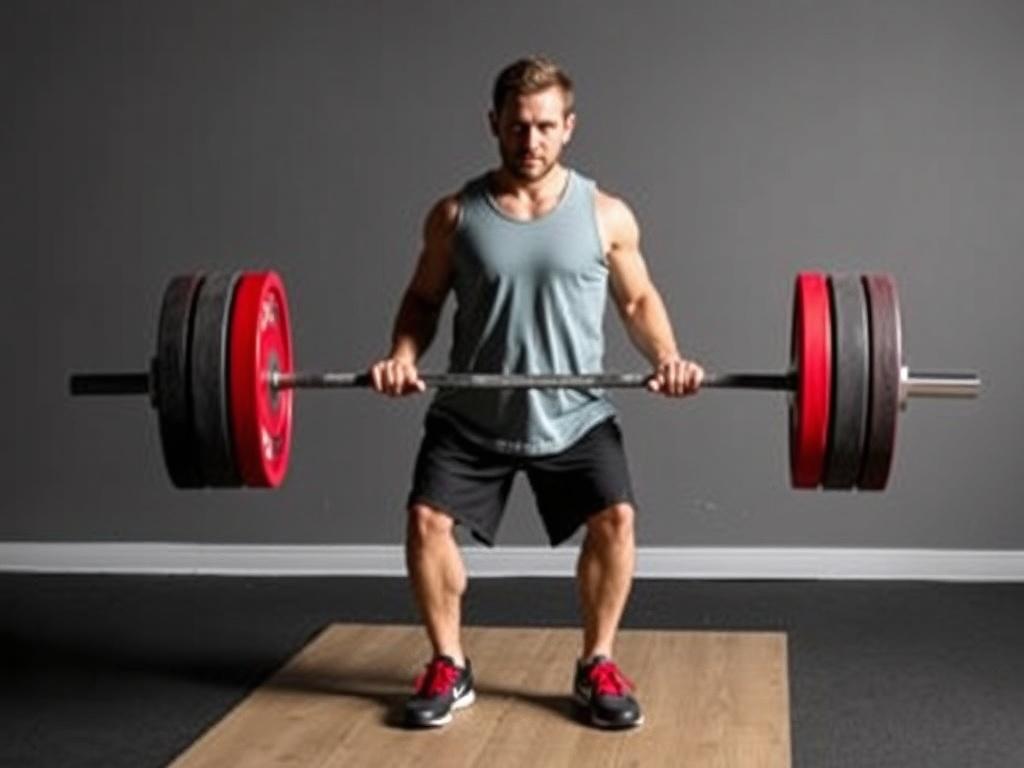
No single deadlift suits every body or goal. Conventional deadlifts are excellent for building general strength and are often the most protective for lifters with good hip mobility. Sumo deadlifts shorten the range of motion and demand more hip adduction and an upright torso, which can help lifters with long femurs or limited lower back tolerance. Romanian and stiff-legged deadlifts emphasize the hamstrings and glutes through a hip-hinge with a longer time under tension.
Trap-bar (hex bar) deadlifts reduce shear on the lower back because the load sits closer to the hips and torso. Deficit deadlifts increase the range of motion and build starting strength, while block or rack pulls reduce range of motion to overload lockout strength. Program these variations based on weaknesses: use RDLs for hamstring development, deficits for bottom-portion strength, and rack pulls for lockout power.
Conventional deadlift: key features
Conventional deadlifts typically use a narrower stance and a longer torso lean at setup. The hips sit higher than in sumo, and the knees bend to a moderate degree to initiate the pull. This variation balances quad, hamstring, and back involvement and is a staple for powerlifters and strength athletes.
Be mindful of leverages: long arms make conventional pulls easier because the bar travels a shorter vertical distance, while long femurs increase hip hinge and place higher demands on the posterior chain. Adjust stance width and hip height to find an efficient starting position that feels stable and allows a tight, braced setup.
Sumo deadlift: who benefits
Sumo uses a wide stance with feet turned out and hands inside the legs, creating a more vertical torso at setup. The reduced torso lean often relieves lower back strain and shifts more work to the hips and quads. Lifters with limited hip flexion or shorter arms often find sumo more mechanically favorable for heavy pulling.
Sumo requires strong hip adductors and thoracic mobility to keep the chest up. Grip length is shorter, so grip strength is less commonly the limiting factor. For competitive lifters, learning to switch between sumo and conventional may unlock greater long-term progress and help distribute training stress.
Step-by-step technique: a repeatable setup
Now we’ll walk through a practical sequence for the conventional deadlift so you can apply consistent mechanics every set. The same core principles—bracing, hip hinge, tight lats, and controlled descent—apply across variations, but small setup adjustments will depend on your chosen style. Below, you’ll find a concise checklist to run through before each pull.
Begin by standing with your feet under the bar so the bar is roughly over the mid-foot. Position your shins close to the bar without it touching, feet hip-width to shoulder-width depending on limb lengths. This placement ensures an efficient bar path and avoids an initial backward shift of the hips.
Grip and hand placement
Choose your grip based on load and comfort: double overhand for reps and moderate loads, mixed grip or hook grip for heavy singles. Hands should sit just outside the knees, creating a vertical line from wrist to bar at setup. Keep the grip tight and imagine bending the bar around your legs to create tension in the lats and upper back.
For beginners, double overhand preserves symmetry and improves grip strength over time. If you use mixed grip, alternate which hand is over/under between sets to reduce unilateral stress and muscle imbalances. Hook grip is ideal for Olympic lifters and those who want a symmetric heavy grip without the spinal torsion of mixed grip.
Spine position and bracing
Maintain a neutral spine from the start to the finish of the lift; avoid deliberate hyperextension or rounding. Achieve this by taking a deep diaphragmatic breath and bracing the core as if preparing for a punch. You should feel pressure across the belly and ribcage, which stabilizes the spine under load.
At the same time, retract the shoulder blades slightly and engage the lats by imagining pulling the bar into your shins. This combination of core brace and lat tension locks your torso into a single structure that transfers force from the legs and hips into the bar. If you feel your chest collapsing during the pull, reset and emphasize the chest-up cue at setup.
Initiating the pull
Drive through the floor by extending the knees and hips simultaneously; avoid a pronounced knee-first or hip-first drive. The goal is to create a smooth, unified movement where the bar tracks vertically and stays close to your body. Think “push the floor away” rather than “pull the bar up.”
If the bar drifts forward, you likely lost lat tension or your hips rose too fast. Slow down, reset, and focus on initiating with the legs while the chest and lats hold the torso angle. The first few inches off the floor are diagnostic—correct them early to avoid compensatory back rounding.
Lockout and finishing the rep
Finish the rep by fully extending the hips and standing tall, squeezing the glutes at the top but avoiding excessive backward lean. The bar should be at hip level with the knees and hips locked out, shoulders back but not shrugged aggressively. Hold for a brief pause if desired, but avoid hyperextending the lumbar spine to “show off” the lockout.
Lower the bar under control by initiating the hinge with the hips, pushing them back while maintaining a neutral spine. Keep the bar close to your legs on the descent and reset your breath at the bottom. Controlled lowering reinforces good mechanics and prepares you for the next repetition without unnecessary spinal loading.
Common technical errors and quick fixes
Small technical flaws compound under heavy loads, so identify and correct them early. Rounding of the back, hips rising too quickly, or a drifting bar path are predictable errors with specific remedies. Below is a concise table that pairs common faults with probable causes and practical corrections.
| Fault | Likely cause | Correction |
|---|---|---|
| Lower back rounding | Poor bracing or too much thoracic flexion | Practice bracing, lighter sets, and hip-hinge drills; use chest-up cues |
| Hips shoot up early | Leg drive is weak or setup hip height is incorrect | Raise knee drive, lower starting hips, or add paused deadlifts |
| Bar drifts forward | Weak lats or improper foot-bar relationship | Engage lats, reposition feet slightly closer to bar |
| Stuck just below the knees | Insufficient hamstring/glute strength or bar path issue | Use deficit deadlifts, RDLs, and strengthen hamstrings |
Use video feedback to diagnose technique faults; a phone camera from the side will reveal hip rise, bar path, and spinal position clearly. If you notice the same mistake across multiple sets, deliberately practice the corrected pattern with lighter weights until it becomes your default under load.
Programming the deadlift: volume, intensity, and frequency
Programming a deadlift depends on your goals—strength, hypertrophy, or general fitness—and your recovery capacity. For raw strength, prioritize heavier singles to triples at 85–95% of your one-rep max, supplemented by speed work and accessory lifts. For hypertrophy, higher-rep sets in the 6–12 range with moderate loads build muscle while still improving strength.
Beginners often benefit from deadlifting once a week with focused technique work and progressive overload. Intermediate and advanced lifters can handle increased frequency—two sessions per week with one heavy day and one lighter or speed-focused day. The lighter session can include variations like Romanian deadlifts, deficit pulls, or tempo work to address weaknesses without cumulative maximal strain.
Sample weekly templates
Here are two simple templates: one for strength-focused athletes and one for general strength and muscle. Use these as starting points and adjust volume or intensity based on your recovery and goals. Always include progressive overload and planned deloads.
- Strength template: Day 1 heavy singles/triples (work up to 3–5 heavy sets), Day 2 accessory (RDLs, heavy rows), optional Day 3 light speed pulls or paused deadlifts.
- General template: Day 1 moderate sets of 4–6 reps (3–5 sets), Day 2 RDLs and accessory work, Day 3 optional higher-rep deadlift variations or trap-bar sets.
| Goal | Frequency | Typical intensity |
|---|---|---|
| Maximal strength | 1–2x/week | 75–95% 1RM with heavy sets and singles |
| Hypertrophy | 1–2x/week | 60–80% 1RM with higher reps and tempo |
| Maintenance/fitness | 1x/week | 50–75% 1RM for general strength |
Warm-up and mobility for reliable lifts
Effective deadlift sessions start with movement prep, not static stretching. Begin with general warm-ups to raise core temperature—dynamic walking, a few minutes on a bike, or jump rope. Then move into specific drills: banded good mornings, hip bridges, and thoracic rotations prepare the posterior chain and open the upper back.
Mobility focus should hinge on hips, hamstrings, and thoracic spine. Lack of thoracic extension makes it hard to keep the chest up; limited hip hinge forces the lower back to compensate. Spend extra minutes on mobility if you notice persistent positional faults—sometimes 10 minutes at the start of a session prevents bad repetitions later.
Accessory exercises that improve the deadlift
Choose accessories based on your sticking points. Romanian deadlifts and good mornings build hamstring and hip hinge strength for mid-range and lockout work. Bent-over rows and heavy trap-bar shrugs reinforce upper-back tension and introduce higher-volume pulling without maximal spinal shear.
Other useful tools include paused deadlifts at mid-shin to encourage tension at the start, deficit deadlifts to build drive off the floor, and heavy farmer carries to improve grip and core bracing. Balance is important: direct deadlift volume should be tempered with accessory work that supports movement quality rather than just piling on fatigue.
Programming progressions and measurable progress
Track progress with objective metrics: top set weight, number of quality reps, bar speed, and how many sets you can perform at a given intensity. Linear progression works well for novices—add small increments each week until progress stalls. When that happens, switch to periodic waves or undulating intensities to keep the nervous system adapting.
Deloads are part of the plan: schedule lighter weeks every 4–8 weeks or when performance dips. During deloads reduce volume and intensity, focusing on technique and mobility. This planned recovery prevents chronic fatigue and keeps gains consistent over months and years.
Equipment, setup, and footwear choices
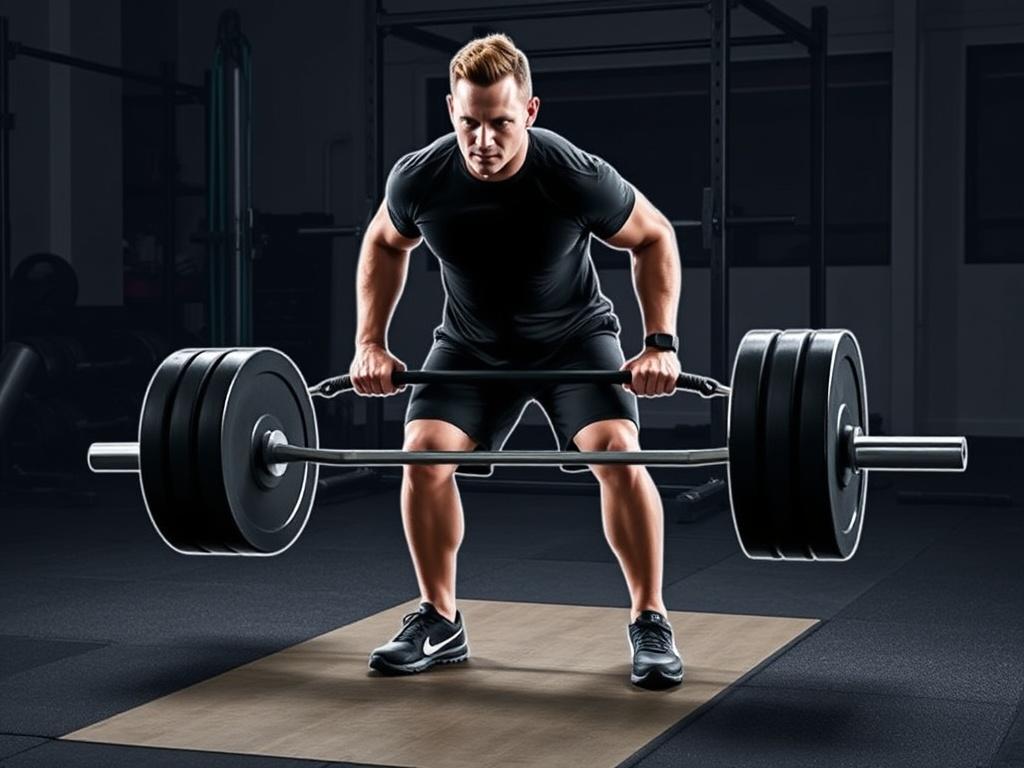
Your equipment choices matter less than consistent technique, but they can make training safer and more comfortable. Chalk improves grip and reduces the need for mixed grip, while lifting straps can be used sparingly for heavy singles when grip rather than posterior chain is the limit. A lifting belt provides increased intra-abdominal pressure and is useful for heavy sets above 85% of max.
Shoes should have a flat, solid sole—weightlifting shoes or minimalist shoes are common choices. Avoid thickly cushioned running shoes that destabilize the foot. For lifters who prefer a slight heel or need ankle mobility, a small heel is acceptable, but flat shoes generally promote a better connection to the ground for most deadlift styles.
Common injuries and how to prevent them
Most deadlift-related injuries stem from poor technique, chronic fatigue, or sudden spikes in intensity. Disc injuries and muscular strains usually occur when the spine is repeatedly stressed in a flexed position under load. Prevent these by maintaining neutral spine, managing volume, and avoiding ego-driven jumps in weight.
Prevention also means strengthening the entire posterior chain and not treating the deadlift as the sole source of posterior work. Include conditioning, mobility, and antagonist training—chest, anterior core, and quads—to keep structural balance and durable joints. When in doubt, drop intensity and address mechanics before chasing bigger numbers.
Adapting the deadlift for special populations
Older lifters, those with prior back injuries, and beginners need a gradual, conservative approach. Start with light technique-focused sets and progress load slowly. Alternative variations like trap-bar deadlifts or rack pulls can reduce spinal shear and provide a gentler entry point to heavy pulling.
For lifters with prior disc issues, prioritize core control and mobility under the guidance of a clinician or experienced coach. Often the goal is to restore pain-free movement and gradual strength increases; heavy singles may be introduced only after months of controlled progression. Communication with medical professionals and listening to pain signals are essential.
Nutrition, recovery, and sleep for stronger pulls
Strength gains don’t occur during the workout; they happen while you recover. Adequate protein intake, total calories that match training goals, and consistent sleep are the foundations of progress. Without those, your nervous system won’t adapt and tendon recovery will lag, making it harder to handle heavy deadlift sessions.
Consider peri-workout nutrition: a carbohydrate and protein combination before and after sessions supports performance and recovery. Hydration and electrolyte balance also affect performance; feeling lightheaded or unusually fatigued mid-session often means re-evaluate your fueling and rest. Track patterns and adjust habits if deadlift performances plateau without technical causes.
Real-life coaching cues and drills
Coaching is often about one or two crisp cues that change the pattern—too much information creates paralysis. Use cues like “chest up,” “push the floor away,” and “lats tight” sequentially at setup. For some lifters a tactile cue—pinching the shoulder blades together or squeezing the bar—locks in the desired position faster than verbal instructions.
Drills that reinforce the pattern include banded deadlifts to encourage staying tight, tempo deadlifts (slow eccentric, explosive concentric) to emphasize control, and paused deadlifts at the knees to practice mid-range bracing. Short, focused drills done twice a week produce more durable technique than long, technical sessions done rarely.
Personal experience: what I learned from coaching hundreds of pulls
Over the years of coaching, I noticed two consistent themes: athletes who succeed simplify their cues, and those who progress fastest treat weakness strategically rather than randomly. A client who struggled at the knees improved dramatically after three weeks of paused reps and heavier Romanian deadlifts, proving that targeted accessory work matters.
Another lifter with chronic bar drift solved the issue by focusing on lat engagement and changing to a slightly narrower foot position. That minor tweak saved months of frustration and kept training consistent. These examples underline a basic truth: small, precise changes in setup often yield bigger returns than chasing raw volume.
Troubleshooting unusual problems
d9f7dd4f6015a938ea7913970e998d86.jpg
If you can’t maintain a neutral spine on light loads, look beyond strength: check thoracic mobility and breathing patterns. Rounded upper backs often correlate with limited thoracic extension or poor scapular control, both of which can be improved with mobility work and rows. For persistent asymmetry in the pull, assess unilateral strength with single-leg Romanian deadlifts and unilateral core stability drills.
If you experience sharp, localized pain rather than general soreness, stop the session and seek assessment from a healthcare provider. Persistent neurological symptoms—numbness, tingling, or radiating pain—require professional evaluation before returning to heavy lifting. Pain is a signal, not a badge of honor.
Competition tips and peaking strategies
In a competitive setting, peaking requires careful tapering, exact attempts, and mental preparation. Reduce training volume in the final two weeks and keep intensity high but controlled to maintain readiness without accumulating fatigue. Practice your warm-up routine so you know exactly how many sets and what intensity hit peak performance without surprises.
On meet day, pay attention to timing—warm-up windows can be tight—and use full warm-ups up to the opening weight to build confidence. Choose attempts conservatively for the first pull to secure a valid lift, then increase weight based on how the body feels. The best competition deadlifts are often those where the lifter is calm, prepared, and executes a practiced routine.
Frequently asked questions
How often should a beginner deadlift? For most beginners, once per week with progressive overload and accessory work is sufficient to build strength without overtraining. Technique focused sessions and gradual volume increases yield the best long-term results.
Is lifting sumo or conventional better for my back? Neither is inherently safer; individual anatomy and mobility dictate which style places less stress on the lumbar spine. Experiment with both under light loads and choose the variation that allows a neutral spine and confident movement under heavier loads.
Should I use a belt on every set? No—use a belt strategically for near-maximal sets (typically above 85% 1RM) or when attempting heavy singles. Training without a belt builds natural core strength, while belts augment intra-abdominal pressure for peak efforts.
Checklist before your next deadlift session
Run this quick checklist to ensure consistency: 1) warm-up thoroughly, 2) check foot and hand placement, 3) brace and set lats, 4) engage leg drive and maintain bar contact, 5) control the descent. Repeat this checklist before every working set; repetition builds reliable habit under load.
If something feels off during a session, stop and reduce weight to practice the correct movement. A few clean repetitions at a lower intensity are more valuable than numerous sloppy reps that engrain poor mechanics. Consistency beats quantity when it comes to technical lifts like the deadlift.
The deadlift is a demanding but immensely rewarding lift when done intelligently. Use the principles above—tight setup, coordinated drive, smart programming, and recovery—to make steady progress and protect your back. With deliberate practice and attention to detail, the deadlift becomes less of a risk and more of a dependable builder of strength, resilience, and practical power.