

Washing your hair often can feel necessary, unavoidable, or simply part of your lifestyle, but it doesn’t have to mean brittle strands, a tight scalp, or constant color fade. If you’ve ever typed Как выбрать шампунь для частого мытья into a search bar, you know the question is common and the answers are noisy.
This article walks through the science, the label-reading, and the practical tests you can run at home so that frequent washing becomes a thoughtful habit rather than an experiment in damage. Expect actionable tips, ingredient realities, and a few things I learned the hard way.
Why frequent washing requires a different approach
Daily or near-daily shampooing changes what your scalp and hair need from a cleanser. Repeated stripping of oils can alter sebum production, weaken the hair shaft, and disrupt the microbiome of the scalp.
That doesn’t automatically mean you should stop washing. It means the product you choose should do a gentler job of removing oils and buildup without compromising the hair’s structure or the scalp’s barrier. In plain terms: choose smart cleansing over brute force.
Understand your scalp type before you buy
Scalp type often dictates the kind of shampoo that’s appropriate for regular use. Oily scalps, dry scalps, sensitive scalps, and combination scalps each respond differently to frequent cleansing.
Take time to observe how your scalp behaves between washes: does it feel tight and flaky, or slick and shiny within a day? Those clues guide whether you need sebum-regulating ingredients, added moisture, or a very mild routine.
Signs of an oily scalp
An oily scalp produces visible shine, hair that looks flat quickly, and possibly a need to detangle more often due to oil-coated strands. If you shampoo often because your roots feel greasy within a day, your approach should balance effective oil control with gentleness.
Look for lightweight surfactants and clarifying botanicals rather than high-foaming sulfates that can cause rebound oiliness after the scalp overcompensates.
Signs of a dry or sensitive scalp
Itchy, flaky, or tight-feeling skin are hallmarks of dryness and sensitivity. Frequent washing with harsh detergents will amplify discomfort and strip the protective lipids that keep the scalp healthy.
For dry or reactive scalps, choose shampoos with moisturizing humectants and low-irritant surfactants, and avoid high concentrations of fragrances or essential oils that can trigger reactions.
When conditions like dandruff or dermatitis change the rules
Conditions such as seborrheic dermatitis, psoriasis, or persistent dandruff require targeted care. Medicated cleansers may be necessary, but they can be harsher — which matters if you wash very often.
Work with a dermatologist to create a balanced plan: medicated treatments on a schedule, paired with a gentle daily shampoo to maintain comfort and reduce irritation between treatments.
Which ingredients to avoid and which to seek
Ingredients make the difference between a shampoo that keeps hair resilient and one that slowly strips it. Understanding common surfactants and additives helps you pick the right formula for daily use.
Below is a compact table that contrasts harsh ingredients to avoid for frequent washing with mild alternatives and beneficial additions to look for.
| Avoid (often too harsh) | Prefer (gentler alternatives) | Beneficial extras for frequent use |
|---|---|---|
| Sodium lauryl sulfate (SLS), SLES | Sodium cocoyl isethionate, cocamidopropyl betaine, lauroyl sarcosinate | Glycerin, panthenol (pro-vitamin B5), hydrolyzed proteins |
| High parfum/fragrance concentration | Fragrance-free or lightly fragranced formulas | Niacinamide (scalp soothing), ceramides, squalane |
| Alcohol denat (in high amounts) | Fatty alcohols (cetyl, stearyl) for conditioning | Botanical extracts (aloe, chamomile) if nonirritating |
| Strong clarifying acids or high pH | Low- to neutral-pH formulations (pH 4.5–6.5) | UV filters and color-protecting antioxidants for treated hair |
Note that “natural” doesn’t always mean gentle. Some plant extracts and essential oils are potent sensitizers. Conversely, many synthetic surfactants are well-tolerated and more predictable than botanical blends.
For frequent washing, prioritize low-irritation surfactants, humectants, and ingredients that support the lipid barrier rather than strip it away.
Types of shampoos suited for regular use
Not every shampoo labeled “gentle” is created equal. Understanding product categories helps you identify what will actually be kind to hair with daily or near-daily use.
I’ll outline the main types and when each one makes sense.
Sulfate-free everyday shampoos
Sulfate-free formulas replace strong anionic detergents with milder alternatives. They often produce less foam but can remove oil effectively when well-formulated.
Look for balanced formulas that include conditioning agents so hair doesn’t feel stripped. These work well for most hair types when washing frequently.
Low-foam baby shampoos and tear-free formulas
Baby shampoos are designed to be mild and low-irritation, making them a reasonable option for adults who wash daily and have sensitive scalps. They often prioritize gentle surfactants and minimal additives.
These may be too lightweight for very oily hair, but they’re a solid baseline if the goal is to minimize scalp disruption.
Co-washes and cleansing conditioners
Co-washing (using conditioner or a cleansing conditioner to wash hair) is popular with curly and dry hair communities because it reduces surfactant exposure. It can be a smart choice for frequent washing if you don’t use heavy styling products.
However, co-washes usually don’t remove heavy oils and silicones well, so alternate with a gentle shampoo when buildup occurs.
Clarifying shampoos — use sparingly
Clarifying shampoos are formulated to remove stubborn buildup and often contain stronger surfactants or chelating agents. For frequent washers, use clarifiers on an as-needed basis, not daily.
A regular-frequent routine might include a clarifier every 2–6 weeks, depending on product buildup and water hardness.
How to read the label and understand INCI order
Manufacturers list ingredients by concentration, so the first few ingredients reveal the core surfactants and solvents. Learning the INCI names of common surfactants pays off quickly.
If water (Aqua) is first and a mild surfactant like sodium cocoyl isethionate is second or third, that suggests a gentle base. If SLS or SLES appears near the top, the formula is likely more aggressive.
Also check for these cues: fragrance or parfum high in the list suggests a strongly scented product; “color” or dyes near the top are more concentrated; and ingredients like polyquaterniums or silicones indicate conditioning intent.
Pay attention to pH claims if provided. Hair and scalp favor slightly acidic formulas (pH 4.5–6.5). A neutral-to-acidic pH helps the cuticle lie flat and maintains scalp barrier function.
Washing technique matters as much as the formula
Even a gentle shampoo can create problems if misused. Technique influences how much oil is removed from the scalp versus the length of the hair and whether you cause tangles or breakage.
Here’s a simple routine I recommend for frequent washers:
- Wet hair thoroughly with warm (not hot) water to open the cuticle slightly and allow shampoo to spread.
- Dispense a small amount of shampoo and emulsify between palms before applying to the scalp.
- Massage the scalp gently with fingertips for 60–90 seconds to loosen oil and debris; avoid vigorous scrubbing with nails.
- Rinse thoroughly, allowing suds to rinse down the lengths without aggressively frictioning the mid-lengths and ends.
- Condition mid-lengths and ends only, avoiding the scalp unless you have dry scalp concerns.
Less is often more: frequent washing benefits from smaller doses and attentive rinsing rather than heavy product application and aggressive friction.
How often is “too often”?
There isn’t a universal number of washes per week that applies to everyone. Factors include activity level, hair type, scalp oiliness, climate, and styling products used.
If your scalp stays normal — not itchy, not tight, not persistently flaky — and your hair remains elastic and manageable, your routine is likely acceptable. Warning signs that you may be over-washing include increased sensitivity, brittle mid-lengths and ends, and chronic frizz or breakage.
Water quality and its role in frequent washing
Hard water deposits minerals like calcium and magnesium on hair, making it feel dull and necessitating stronger cleansing to remove residue. If you live in an area with very hard water, even a mild shampoo can feel insufficient.
Solutions include installing a shower filter, using occasional chelating clarifiers, and choosing shampoos that include mild chelators or citric acid to combat mineral buildup without constant harsh detergents.
Styling products: how they change your shampoo needs
Leave-in products, heavy oils, waxes, and silicone-based stylers require stronger detergents to remove effectively. If you use many styling products daily, you might need to alternate between a gentle daily shampoo and a routine clarifier.
On the other hand, if you minimize heavy styling products or switch to lightweight, water-soluble formulations, a gentle frequent-wash shampoo will do a better job and keep your hair healthier long term.
Testing a new shampoo: a practical trial plan
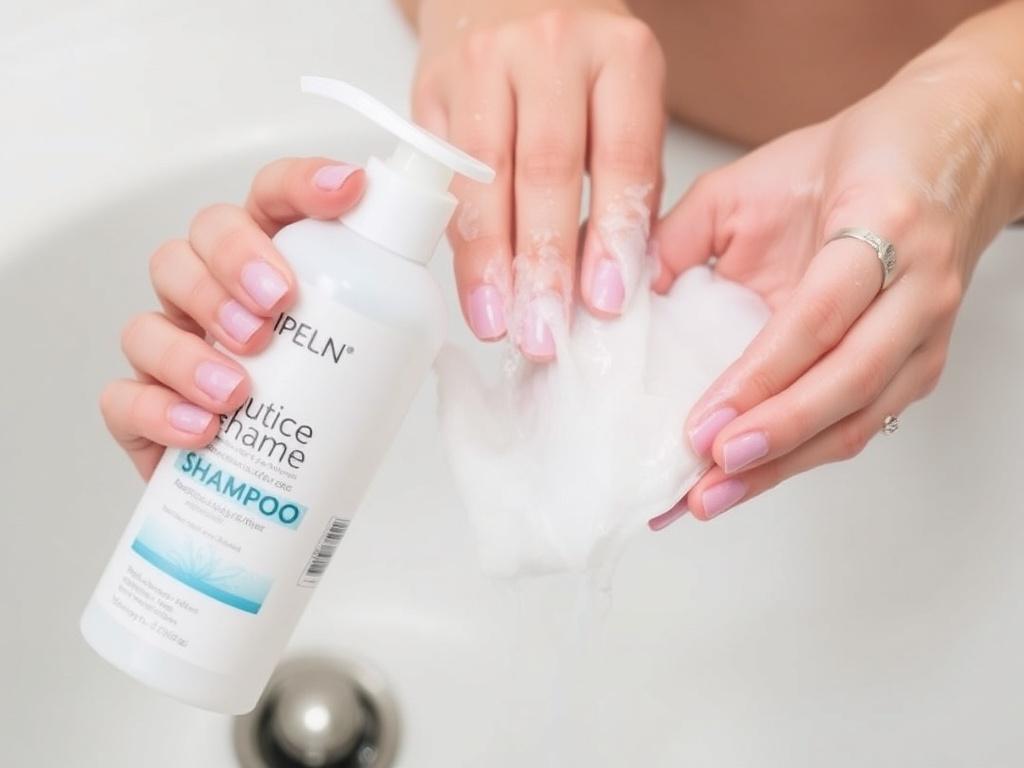
Don’t buy in bulk or commit to a full bottle until you’ve tested a new shampoo over several weeks. Hair and scalp need time to adjust, and some formulas may improve or worsen oil production over two to four weeks.
- Start with a travel size or sample. Use it exclusively for at least 3–4 weeks unless you experience strong irritation.
- Keep other variables constant: avoid introducing new styling products or changing water temperature dramatically during the trial.
- Note changes in oiliness, itchiness, texture, and color vibrancy. If you find increased breakage or persistent scalp irritation, stop and choose a gentler option.
If you use color-treated hair, monitor fade rate during the trial. Some “gentle” formulas still contain clarifying agents that hasten color loss.
Recommendations by hair type
Different hair textures and densities respond to frequent washing differently. Below are practical starting points tailored to common hair types.
Fine, oily hair
Choose lightweight, sulfate-free shampoos with gentle surfactants and sebum-regulating ingredients like mild salicylic acid derivatives or botanical clarifiers. Avoid heavy silicones and rich conditioners at the roots.
Wash daily or every other day as needed, using conditioners only on the ends to avoid weighing hair down.
Thick or coarse hair
Thicker hair generally tolerates less frequent washing because it takes longer for oils to travel down the shaft. If you wash often, focus on hydrating formulas with fatty alcohols and humectants to prevent dryness.
If you use heat tools or color, include protein-balanced conditioners occasionally to maintain strength.
Curly or textured hair
Many curly-haired people avoid daily shampoo because curls benefit from retained moisture. If you must wash frequently, co-washes or creamy sulfate-free shampoos that prioritize conditioning agents are preferable.
Finger-detangle in the shower and apply leave-in conditioners while hair is wet to preserve curl definition and prevent breakage.
Color-treated hair
Color protection demands lower pH and UV-protective antioxidants. Seek shampoos labeled for color-safe use that avoid harsh clarifiers and include conditioning complexes to protect the cuticle.
Frequent washing will accelerate fade, so combine gentler shampoos with color-refreshing products or space out clarifiers.
Practical shopping checklist
When you’re standing in front of a shelf or scrolling through reviews, a quick checklist prevents impulse buys that don’t match your needs. Print this one or memorize it.
- Check the top five ingredients for surfactant type (avoid SLS/SLES near the top for frequent washers).
- Avoid formulas with alcohol denat high on the list if you have a dry or sensitive scalp.
- Prefer products with humectants (glycerin, panthenol) and mild conditioning agents.
- If you have sensitive skin, choose fragrance-free or minimally fragranced options.
- For hard water areas, look for citric acid or mild chelators in the formula; consider a filter.
Pair these checks with price, packaging size, and return policy. Many brands offer travel sizes or sample packs — use those before committing to a full bottle.
Alternatives and complements to daily shampoo
If your goal is a clean scalp without daily lathering, several alternatives reduce shampoo exposure while keeping hair presentable and healthy.
Dry shampoos, water-only rinses, scalp micro-mist cleansers, and targeted spot-cleansing can bridge days between washes and control oil at the roots without stripping the hair.
How to use dry shampoo wisely
Dry shampoo is a useful tool for frequent washers, but it isn’t a replacement for cleansing the scalp. Use it to absorb excess oil and extend time between wet washes, not to mask buildup indefinitely.
Apply sparingly at the roots, allow it to sit briefly, and then brush or massage through to distribute. Overuse can cause residue that leads to irritation and clogged follicles.
Common mistakes people make when choosing for frequent washing
Some mistakes are subtle but costly over time. The most common are chasing foam, trusting marketing buzzwords, and assuming natural equals safe.
Foam tells you nothing about cleanliness; some of the gentlest shampoos foam less but cleanse appropriately. Marketing terms like “clarifying” or “deep clean” may hide harsh ingredients. And plant extracts can be irritants for sensitive scalps.
When to contact a professional
If changing shampoos and modifying your routine doesn’t control scalp symptoms — persistent itching, severe flaking, sudden hair shedding, or painful inflammation — see a dermatologist or trichologist. Frequent washing can reveal underlying issues that require medical or prescription treatment.
A professional can rule out fungal infections, dermatitis, and hormonal causes and help you balance medicated treatments with gentle daily care.
Personal experience: what I learned from a year of daily washing
For about a year I washed my hair nearly every day after switching to a high-intensity workout schedule. Initially I reached for the strongest clarifier in my cabinet, and my scalp started flaking and feeling tight.
After switching to a sulfate-free, low-fragrance shampoo and shortening massage time during rinsing, itchiness subsided and my hair regained elasticity. The change wasn’t dramatic overnight, but within weeks the scalp felt more resilient and my routine required less product overall.
That experiment taught me that technique and ingredient balance matter more than frequency alone — and that less foam didn’t mean less clean.
Budgeting and where to invest your money
You don’t always need to buy the most expensive salon bottle to get a good frequent-wash shampoo. Many affordable brands formulate effective, gentle cleansers.
Invest more in a well-formulated conditioner or a professional consultation if you’re managing scalp conditions. If you color your hair, spending on color-friendly products and UV protection can save money on touch-ups.
Environmental considerations
Frequent washing increases water and product use, so consider concentrated formulas, refill options, and packaging with recyclable materials. Look for companies that disclose ingredient sourcing and avoid unnecessary microplastics.
Also be mindful of overusing clarifiers and strong surfactants that can be harsher on wastewater systems; gentle formulas often have a lower environmental burden in practice.
How to transition if you want to change washing frequency
If you’re trying to reduce wash frequency, do it gradually. Start by skipping one wash per week and use dry shampoo on root areas only. Let your scalp acclimate and observe changes in oil and texture.
If you want to increase frequency, switch to a mild shampoo and condition strategically. Track changes for a month before judging whether the new cadence is working.
Quick recap of practical rules you can follow today
Keep a shortlist in your phone or a sticky note: choose gentle surfactants, avoid heavy fragrances if sensitive, use conditioner on the ends only, rinse well, and alternate clarifiers sparingly. These five rules resolve most frequent-wash woes.
When in doubt, test slowly and pay attention to signs of irritation or damage. Small changes in product or technique usually produce measurable improvements without dramatic overhauls.
Finding the right shampoo for frequent washing is part science and part trial-and-error. Start with a clear sense of your scalp and hair needs, read labels with confidence, and give a new product time to show its effects. With a cautious, patient approach, you can wash often and still keep hair healthy, resilient, and presentable every day.